


The European Commission published a draft revision to the RoHS 2 Directive (COM(2026) 247 final) on 17 May 2026, proposing limits on ortho-phenylphenol (OPP) and three derivatives—OPP-Cl, OPP-Br, and OPP-Me—at 1000 ppm in electronic and electrical equipment. This development is particularly relevant for exporters of environmental monitoring instruments, industrial gas analyzers, and electrochemical sensors from China, as it directly impacts material compliance systems for components such as sensor housings, terminal blocks, and PCB flame-retardant coatings.
Event Overview
On 17 May 2026, the European Commission released the final draft of the RoHS 2 revision (COM(2026) 247 final). The draft proposes adding ortho-phenylphenol (OPP), OPP-Cl, OPP-Br, and OPP-Me to Annex II of Directive 2011/65/EU, with a maximum concentration limit of 1000 ppm by weight in homogeneous materials. The restriction would apply to all categories of electrical and electronic equipment (EEE), specifically targeting sensor housings, wiring terminals, and flame-retardant coatings on printed circuit boards (PCBs). The revised directive is expected to enter into force in Q3 2027.
Industries Affected
Direct Exporters of Environmental and Industrial Measurement Equipment
Manufacturers exporting environmental monitoring instruments, industrial gas analyzers, and electrochemical sensors to the EU will face direct compliance obligations. These products often incorporate OPP-based biocides or flame retardants in polymer housings or protective coatings—materials now under proposed restriction. Non-compliance may result in market access barriers post-implementation.
Material Suppliers and Compounders
Suppliers of engineering plastics, flame-retardant additives, and specialty coatings used in EEE components may need to reformulate products to exclude OPP and its listed derivatives. Since OPP-Cl, OPP-Br, and OPP-Me are commonly used as intermediates or functional modifiers, supply chain transparency and material declarations will become critical for downstream customers.
Electronics Contract Manufacturers and PCB Assemblers
Contract manufacturers handling sensor assembly, terminal block integration, or PCB coating processes must verify substance content in incoming materials—including adhesives, conformal coatings, and encapsulants. The scope explicitly references PCB flame-retardant coatings, meaning process validation and supplier documentation will require updated scrutiny.
Key Points for Enterprises and Practitioners to Monitor and Address
Track official consultation outcomes and timeline confirmation
The draft remains under public consultation; stakeholders should monitor updates from the European Commission and the European Chemicals Agency (ECHA), especially regarding any adjustments to the scope, exemption proposals, or the confirmed entry-into-force date (currently projected for Q3 2027).
Identify high-risk components and material families in current BOMs
Enterprises should audit bill-of-materials for sensor housings, terminal blocks, and PCB surface treatments—particularly those using halogenated or alkylated phenolic compounds. Priority screening should focus on polymers containing brominated or chlorinated phenols, and methyl-substituted phenolic stabilizers.
Distinguish between regulatory signal and enforceable requirement
This is a draft proposal—not yet law. While indicative of regulatory direction, no binding obligation exists until adoption and publication in the Official Journal of the EU. Companies should avoid premature reformulation without verifying applicability to their specific product categories and material forms.
Initiate supplier engagement and material declaration protocols
Procurement and quality teams should request updated Declarations of Conformity (DoC) and analytical test reports (e.g., GC-MS) from suppliers covering OPP and the three derivatives. Internal testing capacity or third-party lab partnerships capable of detecting these substances at 1000 ppm levels should be assessed.
Editorial Perspective / Industry Observation
Observably, this proposal signals a broadening of RoHS substance control beyond legacy heavy metals and brominated flame retardants toward phenolic biocides and their functional analogues. Analysis shows that inclusion of OPP derivatives reflects growing regulatory attention to structural analogues—where toxicity or persistence concerns extend across chemical families, not just parent compounds. From an industry perspective, this move is best understood not as an immediate compliance deadline, but as a forward-looking policy signal requiring phased technical preparation. Continuous monitoring is warranted, as final text may introduce exemptions, transitional arrangements, or analytical method specifications not yet detailed in the draft.
Conclusion: This proposal marks an incremental but consequential expansion of RoHS substance restrictions, targeting specific chemical functionalities embedded in critical EEE components. It does not yet impose legal obligations, but establishes a clear trajectory for material compliance planning—particularly for exporters whose products rely on phenolic additives in sensor and PCB applications. Currently, it is more appropriately understood as a preparatory milestone than an enforcement trigger.
Source: European Commission, Proposal for a Directive amending Directive 2011/65/EU (RoHS 2) — COM(2026) 247 final, published 17 May 2026.
Note: The proposal remains under consultation; final adoption, effective date, and potential amendments are subject to ongoing EU legislative procedure and require continued observation.


 EU REACH Annex XVII Update Bars Imports of Instruments Using Nickel-Containing Seals from 2027EU REACH Annex XVII update will bar imports of instruments using nickel-containing seals from 2027. Learn how this affects pressure transmitters, control valves, analyzers, testing, and compliance planning.
 MICONEX 2026 Signals Higher ATEX, IECEx ScrutinyMICONEX 2026 spotlights ATEX and IECEx scrutiny for gas detectors and SIL2 fire controllers, highlighting certification, calibration, and export-ready service needs.
 MICONEX 2026 Opens in Hefei as Chinese Safety Devices Draw Overseas BuyersMICONEX 2026 highlights Chinese industrial safety monitoring equipment as overseas buyers focus on IEC 61508 SIL2 intelligent gas detection systems for higher-end global projects.
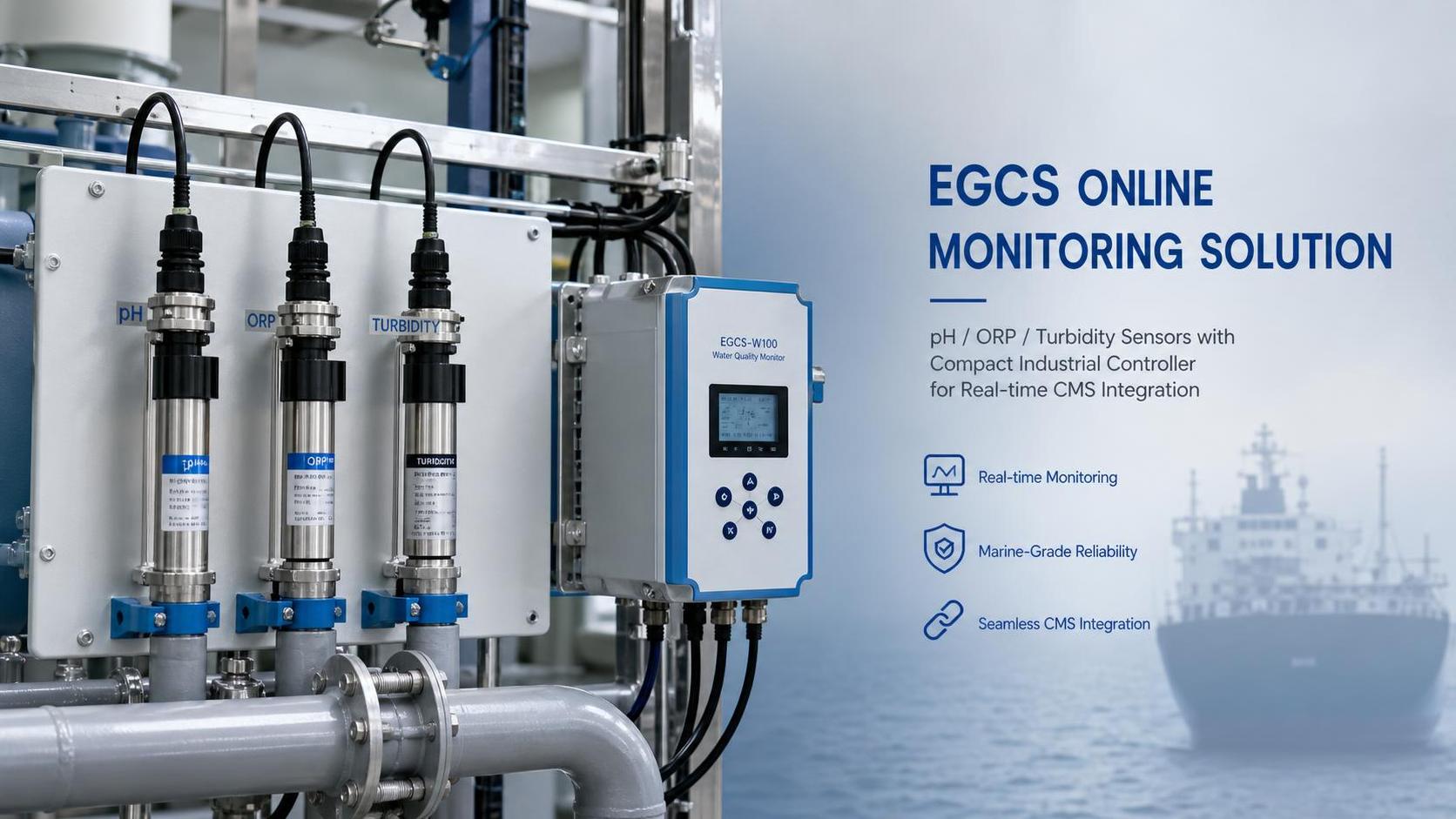
 IMO Updates EGCS Monitoring Guidance for 2026IMO updates EGCS monitoring guidance for 2026, highlighting pH, ORP and turbidity compliance, CMS connectivity, and ISO 17025 traceability for maritime buyers.
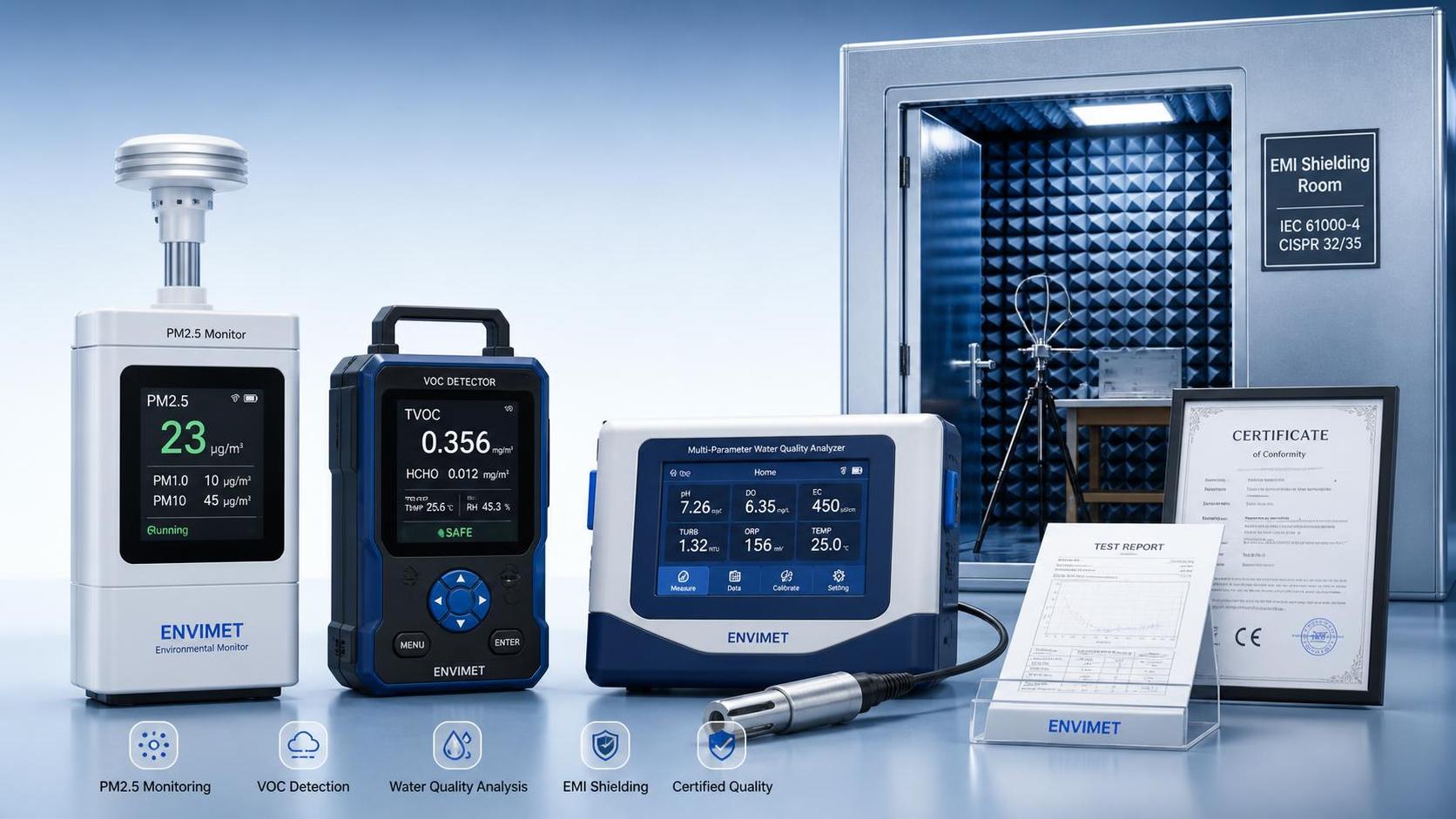
 Saudi SASO Rule Adds Arabic UI and EMI Test DutySaudi SASO rule update: Arabic UI and IEC 61326-2-3 EMI testing will become mandatory for environmental monitoring instruments from Nov 1, 2026. See key export and compliance impacts.
 SASO Tightens Cyber Rules for Monitoring ImportsSASO tightens cyber rules for monitoring imports in Saudi Arabia. Learn how IEC 62443-3-3 certification and SASO-recognized penetration testing will reshape environmental monitoring equipment access.



Chat Online