


On May 12, 2026, the 18th China Scientific Instrument Development Annual Conference (ACCSI2025) announced the '2024 Leading Scientific Instrument Enterprises' award in Shanghai. Twenty-six Chinese manufacturers were recognized — spanning environmental monitoring and new energy battery testing equipment. This development is particularly relevant for exporters, OEM procurement managers, certification service providers, and technical compliance officers operating in global instrumentation markets.
Event Overview
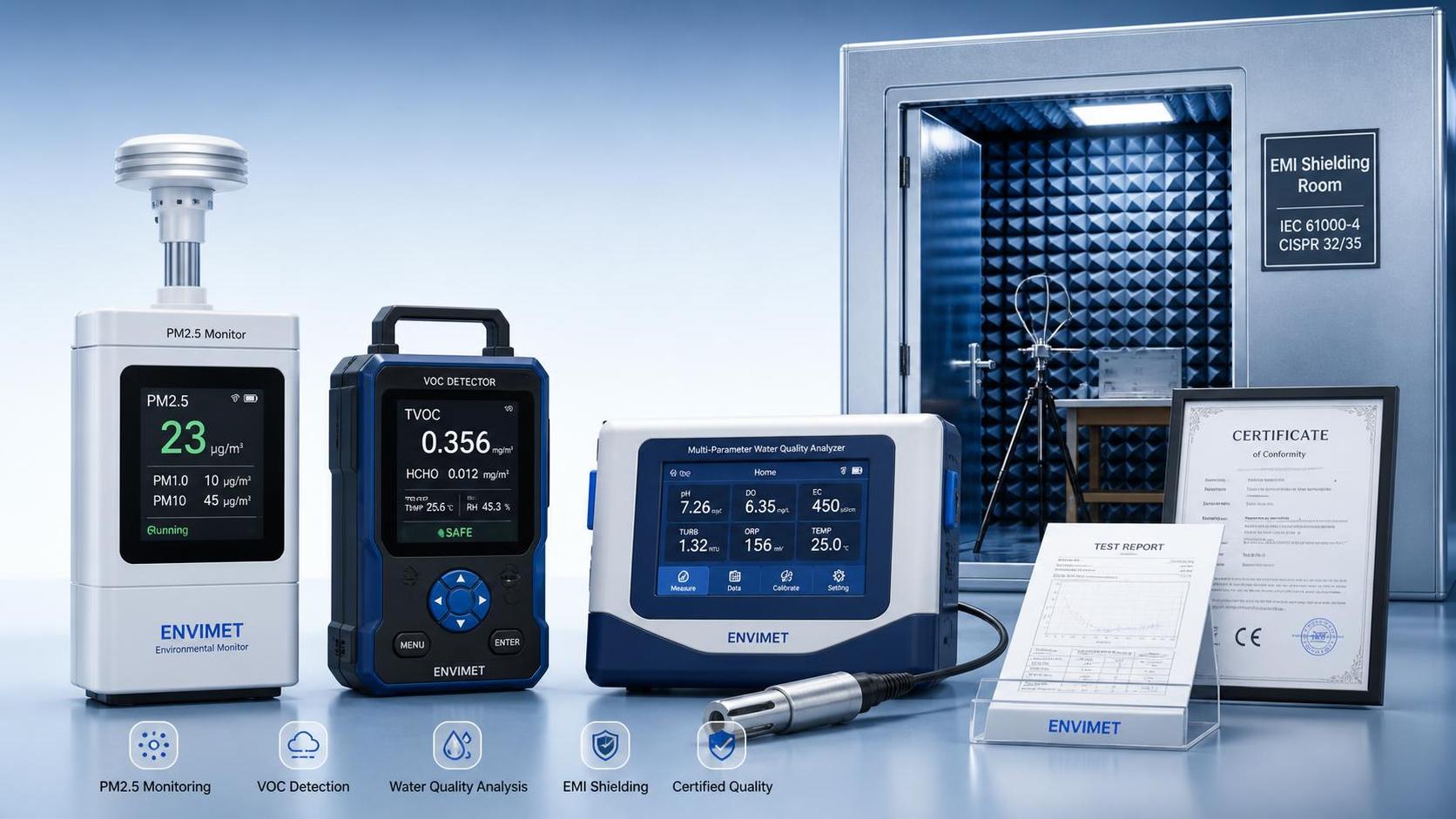
On May 12, 2026, ACCIS2025 released the '2024 Leading Scientific Instrument Enterprises' list. A total of 26 companies were selected, including Focus Photonics, SDL Environmental Instruments, and Skyray Instrument. Of these, 14 specialize in environmental monitoring instruments — such as CEMS systems, VOCs analyzers, and multi-parameter water quality analyzers — while 8 focus on new energy battery testing equipment, including electrochemical workstations, battery safety test platforms, and lithium-ion slurry particle size analyzers. All awardees hold either ISO 13485 or IEC 61000-4 electromagnetic compatibility certification; more than half have obtained CE, UKCA, and/or NRTL certifications.
Industries Affected
Direct Exporters and OEM Sourcing Partners
Export-oriented firms and international OEMs use this list as a pre-vetted reference for identifying qualified Chinese manufacturing partners. The award signals baseline compliance with key international regulatory frameworks — reducing initial due diligence time for sourcing decisions in environmental and battery testing segments.
Supply Chain Certification Service Providers
Certification bodies and conformity assessment service providers may observe increased demand for support related to CE/UKCA/NRTL alignment — especially for dual-use instruments serving both environmental and battery safety applications. The high certification coverage among awardees suggests growing market expectation for multi-jurisdictional compliance readiness.
Component and Subsystem Suppliers
Suppliers of critical components — such as precision sensors, electrochemical cells, or EMC-shielded enclosures — may experience downstream demand shifts. Since 14 awardees serve environmental monitoring and 8 serve battery testing, component suppliers should monitor order patterns across these two application clusters separately, as their technical specifications and qualification timelines differ significantly.
Distribution and Channel Partners in Key Markets
Regional distributors in Europe, North America, and Southeast Asia may face heightened customer inquiries about certified Chinese instrumentation brands. The list’s role as a ‘trusted OEM partner filter’ implies channel partners need updated technical documentation and localized compliance summaries — especially for products carrying CE, UKCA, or NRTL marks.
What Enterprises and Practitioners Should Monitor and Do Now
Track official updates on ACCIS methodology and future evaluation criteria
The ACCIS award is not a one-time recognition but an annual benchmark. Analysis shows its selection criteria — including certification scope, export footprint, and application-specific validation — may evolve. Stakeholders should monitor ACCIS’s public announcements ahead of the 2025 award cycle (expected late Q1 2027) for any changes affecting eligibility or weighting.
Map product portfolios against the two dominant application clusters: environmental monitoring and battery testing
Observably, the 26 awardees are concentrated in two technically distinct domains. Companies should assess whether their own offerings align more closely with CEMS/VOCs/water analytics requirements or with battery electrochemistry/safety/quality control needs — as compliance pathways, testing protocols, and market entry strategies differ substantially between them.
Distinguish between certification status and actual market access readiness
While over half the awardees hold CE/UKCA/NRTL marks, certification alone does not guarantee seamless market entry. From industry perspective, regional registration, local authorized representative appointments, and post-market surveillance obligations remain separate operational steps. Firms relying on this list for partner selection should verify current status of these elements — not just certificate issuance dates.
Prepare technical documentation packages aligned with EU MDR/IVDR analogues and UL/ANSI battery standards
Current more relevant than generic compliance statements is readiness to supply harmonized technical files — especially for battery testers referencing UL 1642, UL 2580, or IEC 62133-2, and for environmental instruments referencing EN 15267 or EN 14181. Awardees’ certification profiles suggest such documentation is increasingly expected during channel onboarding and tender submissions.
Editorial Perspective / Industry Observation
This award list functions less as a definitive ranking and more as a signal of maturing technical and regulatory capacity within specific instrument subsegments. Observably, the concentration of certified players in environmental and battery testing reflects focused investment in internationally recognized conformity frameworks — rather than broad-based industry-wide advancement. Analysis shows the list has gained traction among overseas channel partners not because it replaces due diligence, but because it efficiently filters for minimum viable compliance thresholds. From industry perspective, its growing influence underscores that certification is no longer optional for market-relevant Chinese instrumentation firms — yet the gap between holding a certificate and achieving full market deployment remains operationally significant.
Conclusion: The ACCIS2025 ‘2024 Leading Scientific Instrument Enterprises’ list is best understood as a compliance-awareness milestone — not a market access guarantee. It highlights progress in targeted subsectors but does not imply uniform capability across the broader scientific instrument supply chain. Stakeholders should treat it as a starting point for deeper technical and regulatory verification — not a substitute for it.
Source: ACCIS2025 Official Announcement (May 12, 2026). Note: Future evaluation criteria and methodology updates remain subject to official ACCIS publication and are under ongoing observation.


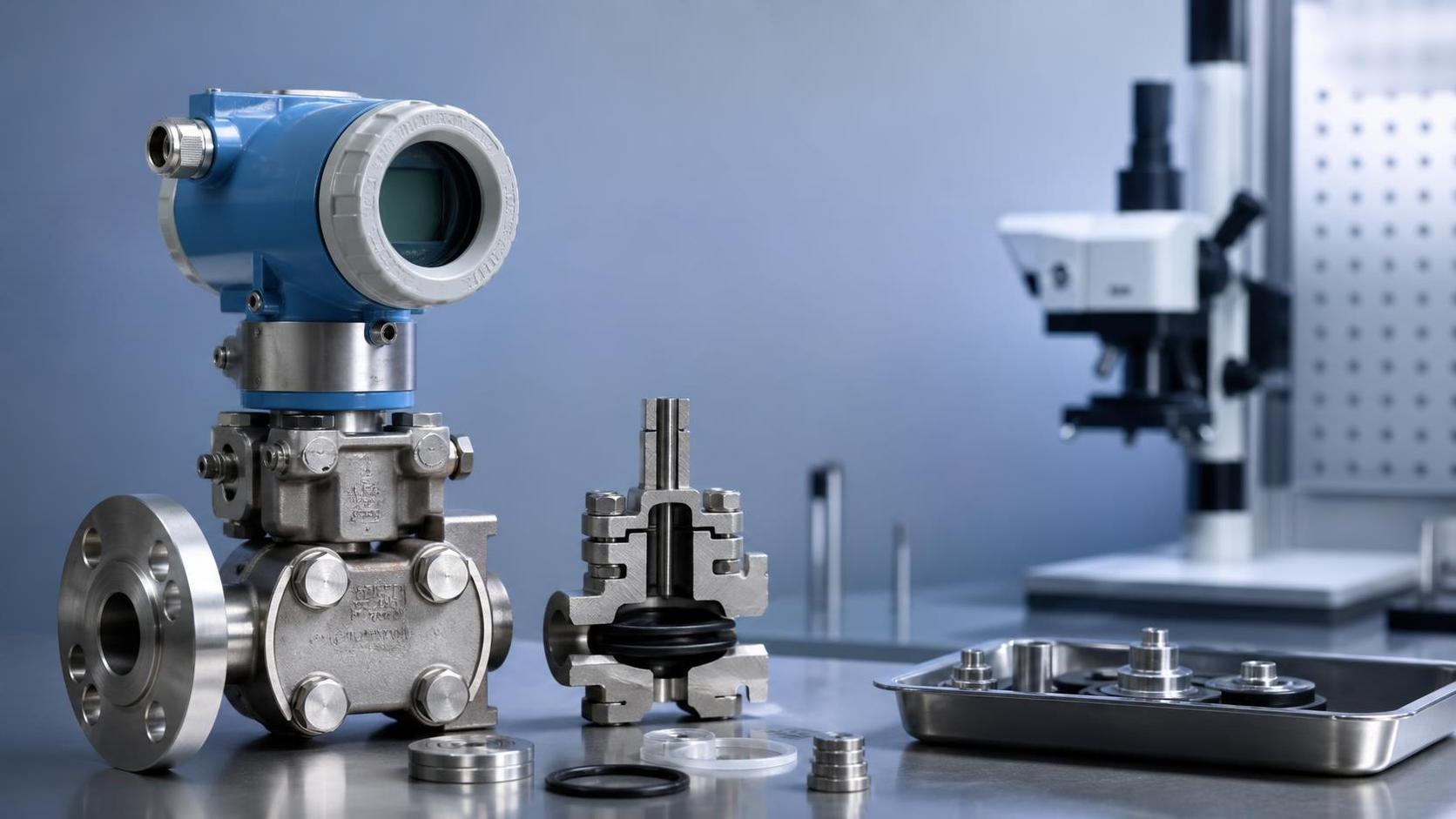
 EU REACH Annex XVII Update Bars Imports of Instruments Using Nickel-Containing Seals from 2027EU REACH Annex XVII update will bar imports of instruments using nickel-containing seals from 2027. Learn how this affects pressure transmitters, control valves, analyzers, testing, and compliance planning.
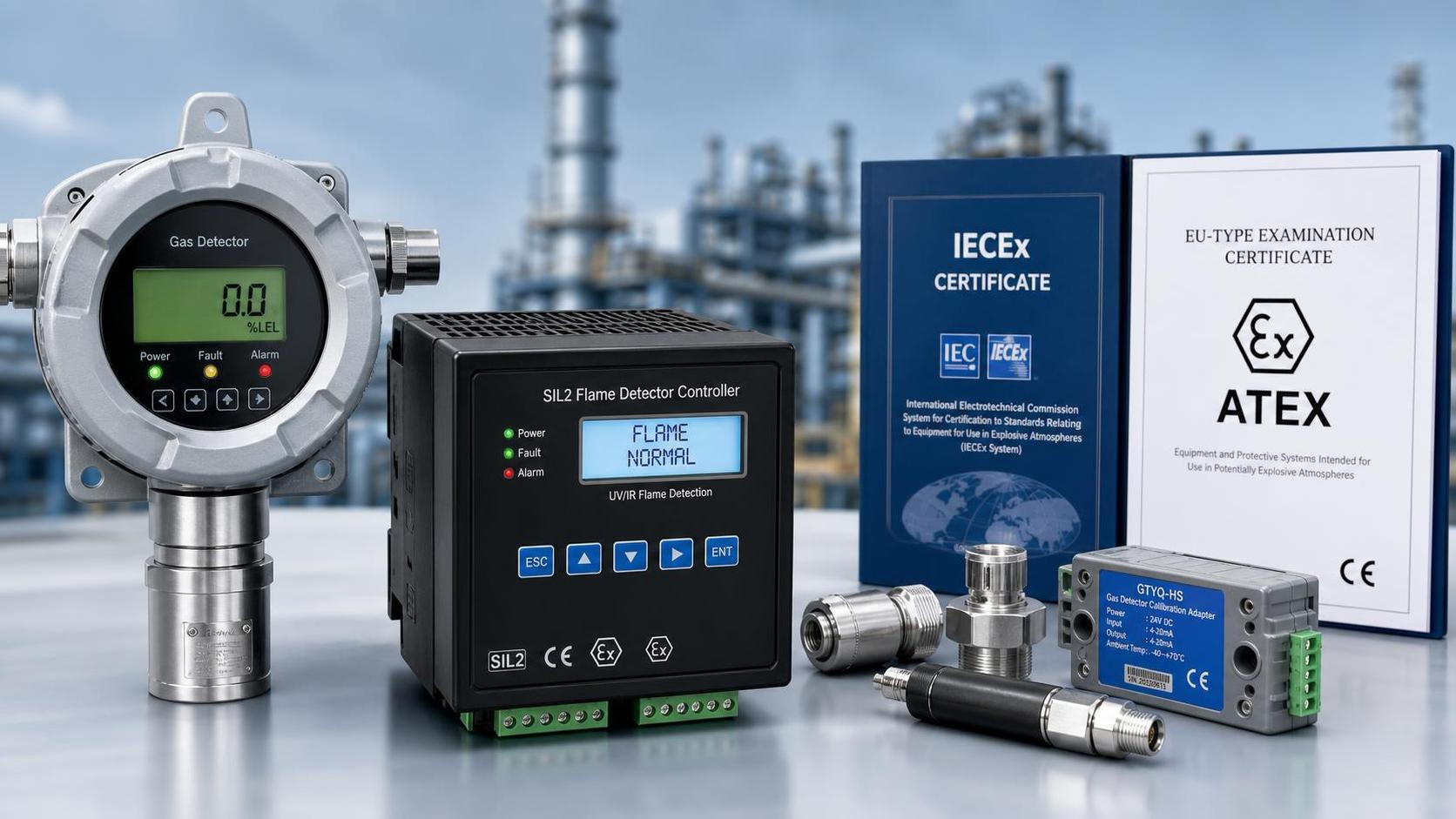
 MICONEX 2026 Signals Higher ATEX, IECEx ScrutinyMICONEX 2026 spotlights ATEX and IECEx scrutiny for gas detectors and SIL2 fire controllers, highlighting certification, calibration, and export-ready service needs.
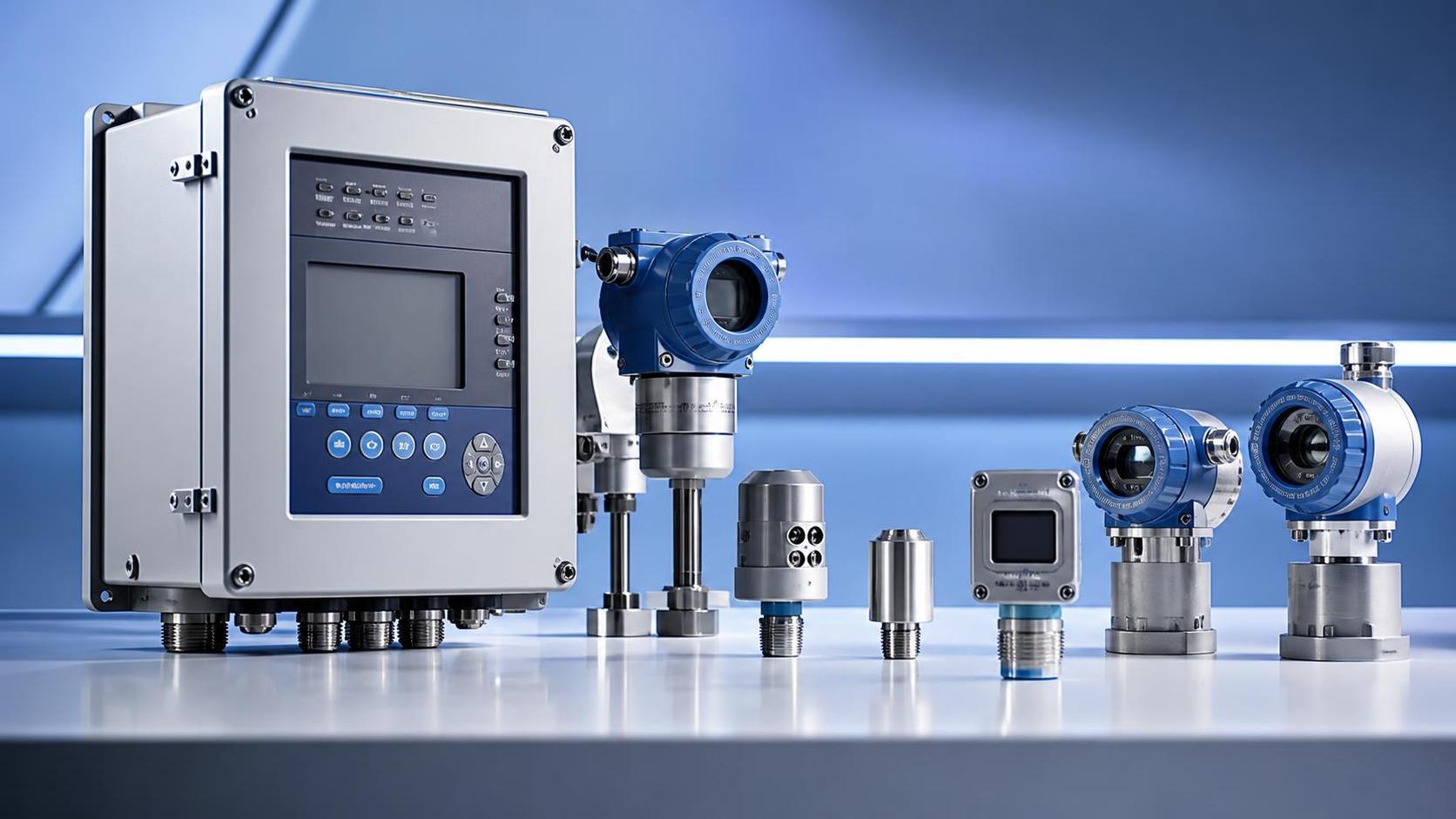
 MICONEX 2026 Opens in Hefei as Chinese Safety Devices Draw Overseas BuyersMICONEX 2026 highlights Chinese industrial safety monitoring equipment as overseas buyers focus on IEC 61508 SIL2 intelligent gas detection systems for higher-end global projects.
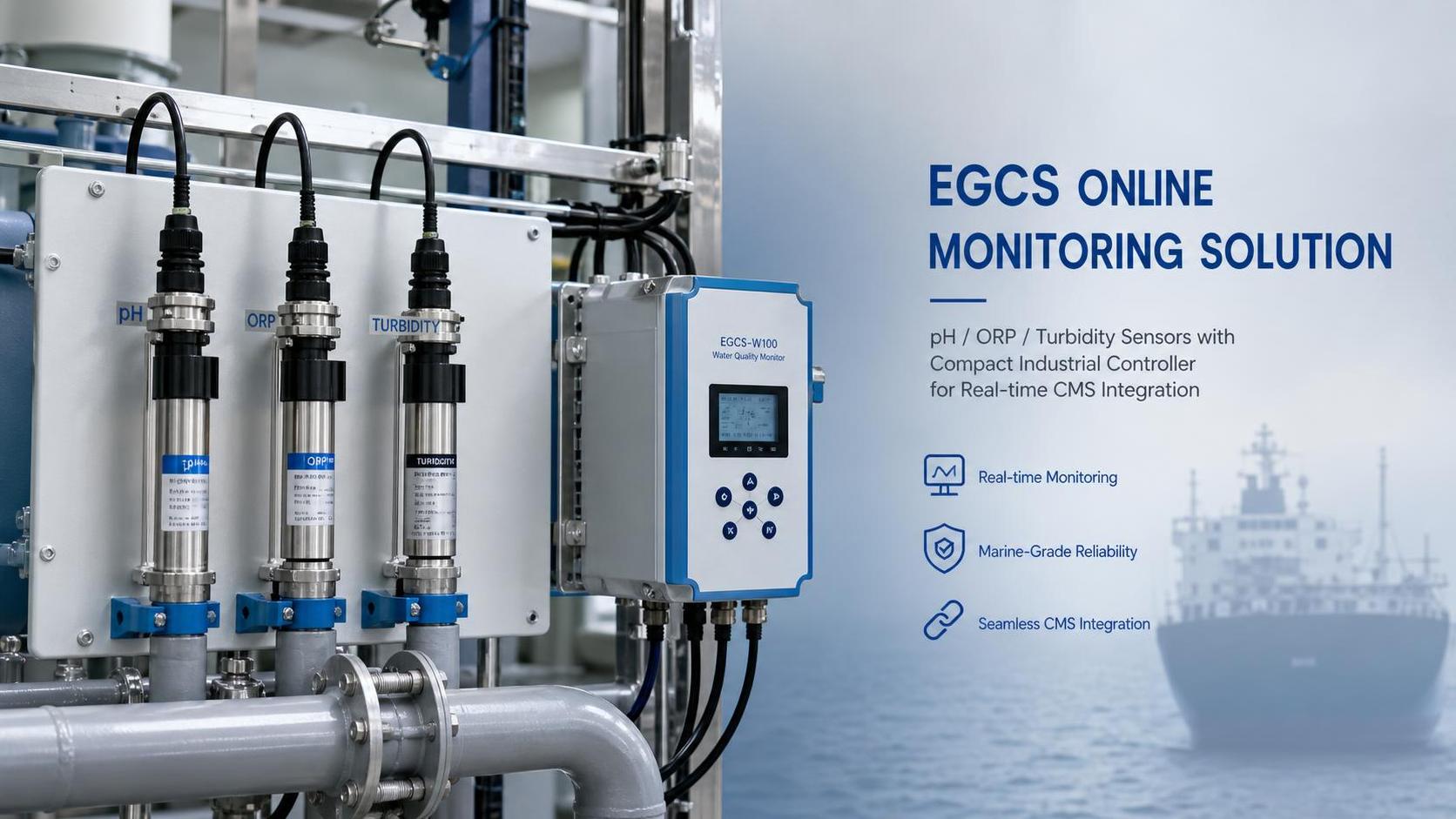
 IMO Updates EGCS Monitoring Guidance for 2026IMO updates EGCS monitoring guidance for 2026, highlighting pH, ORP and turbidity compliance, CMS connectivity, and ISO 17025 traceability for maritime buyers.
 Saudi SASO Rule Adds Arabic UI and EMI Test DutySaudi SASO rule update: Arabic UI and IEC 61326-2-3 EMI testing will become mandatory for environmental monitoring instruments from Nov 1, 2026. See key export and compliance impacts.
 SASO Tightens Cyber Rules for Monitoring ImportsSASO tightens cyber rules for monitoring imports in Saudi Arabia. Learn how IEC 62443-3-3 certification and SASO-recognized penetration testing will reshape environmental monitoring equipment access.
Chat Online