


The European Commission announced on 15 May 2026 the entry into force of Regulation (EU) 2026/927, amending the Measuring Instruments Directive (MID) 2014/32/EU. This update introduces mandatory cybersecurity and wireless communication requirements for newly submitted MID-certified water, gas, electricity, and heat meters — directly impacting manufacturers, exporters, importers, and utility operators engaged in the EU metering market.
Event Overview
On 15 May 2026, Regulation (EU) 2026/927 entered into force. Under this regulation, all new MID certification applications for water meters, gas meters, electricity meters, and heat meters must include an embedded cybersecurity module certified to EN 303 645, and support secure over-the-air (OTA) firmware updates. Additionally, any wireless communication functionality must comply with ETSI EN 300 220-3 Class 2 electromagnetic interference immunity requirements. The regulation applies prospectively to new certification submissions only; no retroactive re-certification is mandated for existing MID-approved instruments.
Industries Affected
Export-Oriented Meter Manufacturers (e.g., Chinese OEMs/ODMs)
These manufacturers are directly affected because compliance now requires hardware-level integration of certified security modules and OTA-capable firmware architecture. Impact manifests in revised bill-of-materials (BOM), extended development cycles, and increased per-unit compliance costs estimated at €8–€12.
EU Importers and Distributors
Importers must verify that incoming meter models meet the new technical requirements before placing them on the EU market. This necessitates updated technical documentation review, supplier audits, and potential renegotiation of supply agreements to ensure traceability of cybersecurity design capabilities.
EU Public Utility Companies and System Integrators
Utilities procuring new metering infrastructure must now assess vendor cybersecurity maturity as part of tender evaluation. The regulation implies a two-year horizon during which supply chain due diligence — especially regarding Chinese suppliers’ ability to demonstrate compliant security-by-design practices — will be intensified.
Key Focus Areas and Recommended Actions
Monitor official guidance from notified bodies and the European Commission
While Regulation (EU) 2026/927 is in force, detailed conformity assessment procedures — including acceptable test methodologies for EN 303 645 implementation and OTA update validation — remain under development by EU notified bodies. Stakeholders should track updates issued by major notified bodies (e.g., TÜV SÜD, DEKRA, SGS) and the Commission’s Joint Research Centre (JRC).
Prioritize product lines undergoing new MID certification in 2026–2027
The requirement applies only to new applications. Firms planning MID submissions for wireless-enabled meters between Q3 2026 and Q2 2027 should allocate engineering resources now for security module integration, firmware architecture redesign, and pre-assessment testing — rather than waiting for formal application submission.
Distinguish between regulatory signal and enforceable obligation
This revision sets technical eligibility criteria for MID certification, not general product safety or data protection law enforcement. It does not replace or supersede GDPR or the NIS2 Directive. Compliance ensures market access for MID-covered instruments only; it does not constitute broader cybersecurity certification for IT systems or cloud platforms.
Initiate supplier capability assessments for critical components
Manufacturers relying on third-party modules (e.g., NB-IoT or LoRaWAN communication chips, secure elements) should request updated declarations of conformity referencing EN 303 645 and ETSI EN 300 220-3 Class 2. Where such declarations are unavailable, procurement teams should flag these components for redesign or alternative sourcing.
Editorial Perspective / Industry Observation
Observably, this revision marks a structural shift: cybersecurity is no longer treated as an optional feature or post-market add-on for MID instruments, but as a foundational design requirement tied to metrological trustworthiness. Analysis shows the EU is aligning MID with broader digital resilience goals under the Digital Decade Policy Programme — yet implementation remains narrowly scoped to new certification cases. From an industry perspective, the regulation functions primarily as a forward-looking gatekeeper, not an immediate compliance shock. Current relevance lies less in immediate enforcement and more in its signaling effect on R&D roadmaps, component selection, and cross-border technical collaboration standards.
Consequently, this development is better understood as a policy signal — one that reflects evolving EU expectations for embedded device security — rather than a fully operationalized compliance regime. Its significance grows with each quarter as notified bodies finalize interpretation guidelines and as utilities begin incorporating these criteria into procurement specifications.
It is therefore advisable to treat this revision not as a deadline-driven audit item, but as a strategic inflection point for product architecture planning and international technical alignment.
Conclusion
The entry into force of the 2026 MID revision formalizes cybersecurity and wireless robustness as prerequisites for new MID certification in key utility metering categories. Its immediate impact is procedural — affecting certification pathways and BOM decisions — rather than retrospective or punitive. For stakeholders, the most constructive interpretation is that this represents an institutional calibration toward digitally resilient metrology, requiring proactive technical adaptation rather than reactive compliance. Ongoing attention should focus on how notified bodies translate the regulation into actionable assessment protocols — not on anticipating broad-based enforcement beyond the scope of new MID applications.
Information Sources
Main source: European Commission Regulation (EU) 2026/927, published in the Official Journal of the European Union on 14 May 2026, entering into force on 15 May 2026. Further details available via EUR-Lex (reference number: 32026R0927).
Areas requiring ongoing observation: Conformity assessment guidance documents from EU notified bodies; updates to harmonised standards referenced under the MID framework; and any Commission communications clarifying the interface between MID 2026 requirements and other regulatory domains (e.g., Radio Equipment Directive 2014/53/EU).


 EU REACH Annex XVII Update Bars Imports of Instruments Using Nickel-Containing Seals from 2027EU REACH Annex XVII update will bar imports of instruments using nickel-containing seals from 2027. Learn how this affects pressure transmitters, control valves, analyzers, testing, and compliance planning.
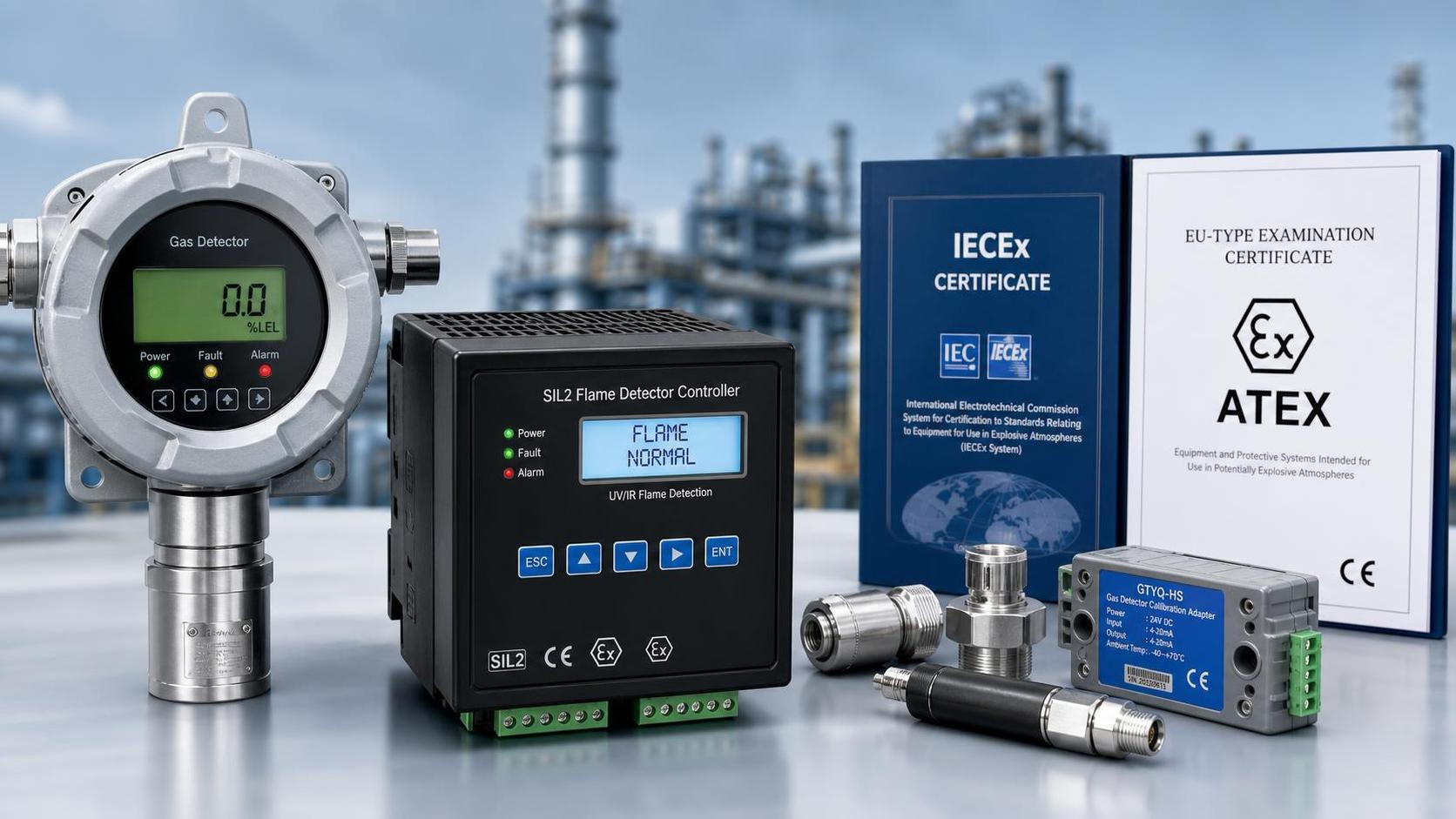
 MICONEX 2026 Signals Higher ATEX, IECEx ScrutinyMICONEX 2026 spotlights ATEX and IECEx scrutiny for gas detectors and SIL2 fire controllers, highlighting certification, calibration, and export-ready service needs.
 MICONEX 2026 Opens in Hefei as Chinese Safety Devices Draw Overseas BuyersMICONEX 2026 highlights Chinese industrial safety monitoring equipment as overseas buyers focus on IEC 61508 SIL2 intelligent gas detection systems for higher-end global projects.
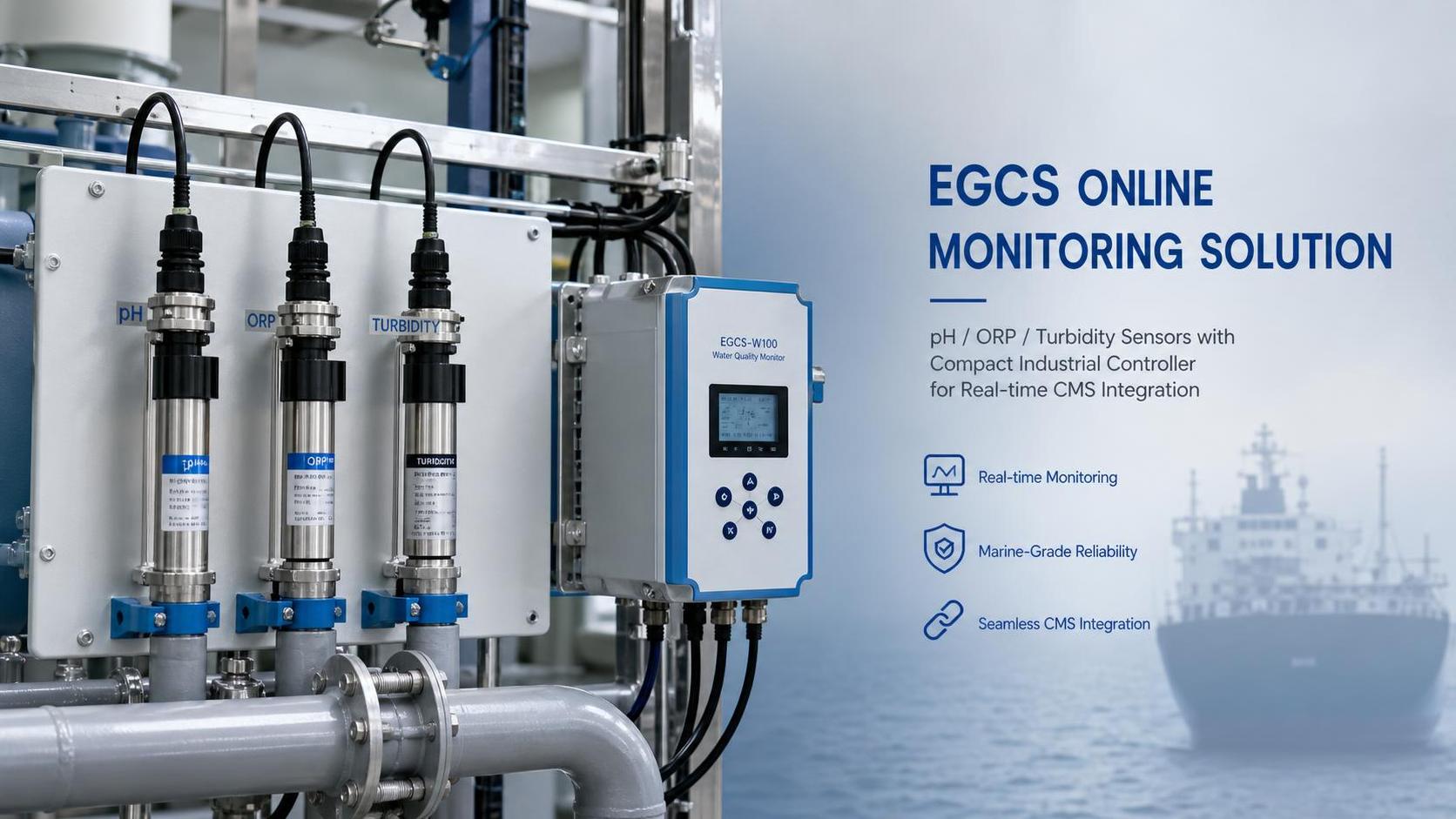
 IMO Updates EGCS Monitoring Guidance for 2026IMO updates EGCS monitoring guidance for 2026, highlighting pH, ORP and turbidity compliance, CMS connectivity, and ISO 17025 traceability for maritime buyers.
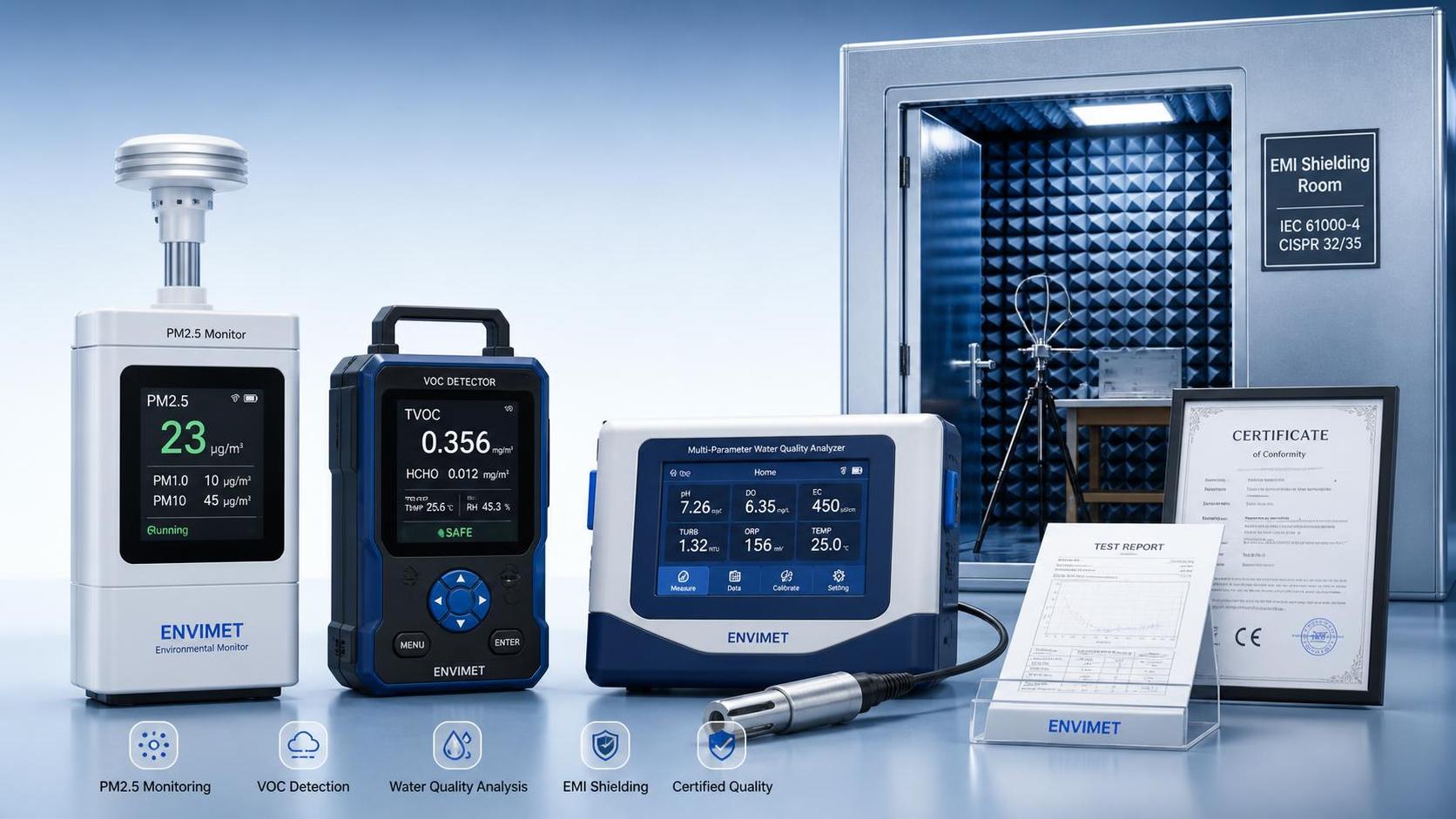
 Saudi SASO Rule Adds Arabic UI and EMI Test DutySaudi SASO rule update: Arabic UI and IEC 61326-2-3 EMI testing will become mandatory for environmental monitoring instruments from Nov 1, 2026. See key export and compliance impacts.
 SASO Tightens Cyber Rules for Monitoring ImportsSASO tightens cyber rules for monitoring imports in Saudi Arabia. Learn how IEC 62443-3-3 certification and SASO-recognized penetration testing will reshape environmental monitoring equipment access.

Chat Online