


On April 2, 2026, the United States and China jointly implemented a mutual reduction of applied tariffs to 10% on selected laboratory and environmental monitoring instruments — including HS codes 8423.81 (laboratory analytical instruments), 9027.10 (gas/liquid analyzers), and 9027.80 (other environmental monitoring equipment). This adjustment directly affects exporters, importers, and distributors of chromatography systems (GC/LC) and air/water quality analyzers, lowering customs clearance costs and easing pricing pressure in overseas markets.
Event Overview
On May 12, 2026, the U.S. and Chinese governments jointly issued a statement confirming that, effective April 2, 2026, reciprocal tariffs on specified categories of analytical and environmental monitoring instruments were adjusted to 10%. The measure applies to products classified under HS codes 8423.81, 9027.10, and 9027.80. No further details regarding duration, scope expansion, or exceptions were publicly disclosed in the joint statement.
Industries Affected by the Tariff Adjustment
Direct Trading Enterprises (Exporters & Importers)
Companies engaged in cross-border trade of gas chromatographs, liquid chromatographs, and environmental analyzers face reduced tariff liabilities when shipping between the U.S. and China. This lowers landed cost calculations and may improve margin visibility for contracts negotiated with overseas buyers or suppliers.
Manufacturing Enterprises (OEM/ODM Producers)
Chinese manufacturers supplying GC/LC systems or environmental sensors to U.S.-based brand owners or distributors benefit from lower input costs when importing key subassemblies (e.g., detectors, pumps, or calibration standards) from the U.S. It also improves competitiveness of China-made mid-to-high-end instruments in third markets such as Southeast Asia and Latin America, where U.S. origin content previously triggered higher duties.
Distribution & Channel Partners
Regional distributors handling imported analytical instruments — especially those sourcing from U.S. brands or consolidating shipments via China — may experience faster customs clearance and more predictable duty accruals. This supports inventory planning and shortens order-to-delivery cycles for end users in academic, industrial, and regulatory labs.
Supply Chain Service Providers
Custody agents, freight forwarders, and customs brokers serving the scientific instrumentation sector must update tariff classification guidance and duty calculation tools for HS codes 8423.81, 9027.10, and 9027.80. Accurate HTS coding and origin documentation remain critical, as the 10% rate applies only to goods meeting formal rules of origin requirements.
Key Considerations and Recommended Actions for Stakeholders
Monitor official updates from both governments
The joint statement does not specify whether the 10% rate is temporary or subject to review. Stakeholders should track announcements from the U.S. International Trade Commission (USITC), China’s General Administration of Customs (GACC), and the Ministry of Commerce (MOFCOM) for any extension, modification, or termination notices.
Verify HS code alignment and origin documentation
Tariff treatment depends on precise classification and proof of origin. Enterprises should reconfirm current product classifications against the updated 2026 Harmonized System schedules and ensure certificates of origin meet bilateral requirements — particularly for instruments incorporating components sourced from third countries.
Distinguish policy signal from operational impact
While the 10% rate is now in effect, actual duty savings depend on transaction-level factors: valuation methods, Incoterms® usage, and prior tariff treatment history (e.g., exclusions or exemptions previously granted). Companies should conduct targeted duty impact assessments per SKU rather than assuming uniform reduction across all models.
Adjust procurement and logistics planning incrementally
Importers may consider rebalancing sourcing strategies — for example, increasing direct imports of certain detector modules from U.S. suppliers — but should avoid large-scale shifts until stability of the tariff level is confirmed over multiple quarters. Concurrently, updating commercial invoices and customs declarations to reflect the new rate is operationally urgent.
Editorial Perspective / Industry Observation
Observably, this tariff adjustment functions primarily as a calibrated de-escalation gesture rather than a comprehensive trade normalization step. Analysis shows it targets high-value, low-volume scientific equipment — sectors where supply chain fragmentation and technical interoperability limit rapid substitution. From an industry perspective, the move signals renewed willingness to manage bilateral friction within specific technical domains, but does not imply broader tariff rollbacks across industrial or consumer goods. Current more appropriate interpretation is that it represents a tactical recalibration — one requiring close tracking for durability and possible spillover into adjacent instrument categories (e.g., spectrometers under HS 9027.30).
This development underscores how tariff policy continues to shape competitive positioning in precision instrumentation markets — not through sweeping change, but via incremental adjustments that compound across procurement, compliance, and pricing decisions.
Conclusion
The mutual reduction of U.S.-China tariffs to 10% on selected analytical and environmental monitoring instruments marks a concrete, albeit narrow, easing of trade conditions. Its primary significance lies in lowering structural compliance costs and improving price competitiveness for China-origin chromatography and monitoring systems in global markets. However, stakeholders are advised to treat this as a conditional and limited adjustment — best understood as a near-term operational relief measure rather than a strategic shift in bilateral trade posture.
Source Attribution
Main source: Joint U.S.–China Statement released May 12, 2026, effective April 2, 2026.
Areas requiring ongoing observation: Duration of the 10% rate; potential expansion to related HS codes (e.g., 9027.30, 9027.50); implementation consistency across regional customs offices.


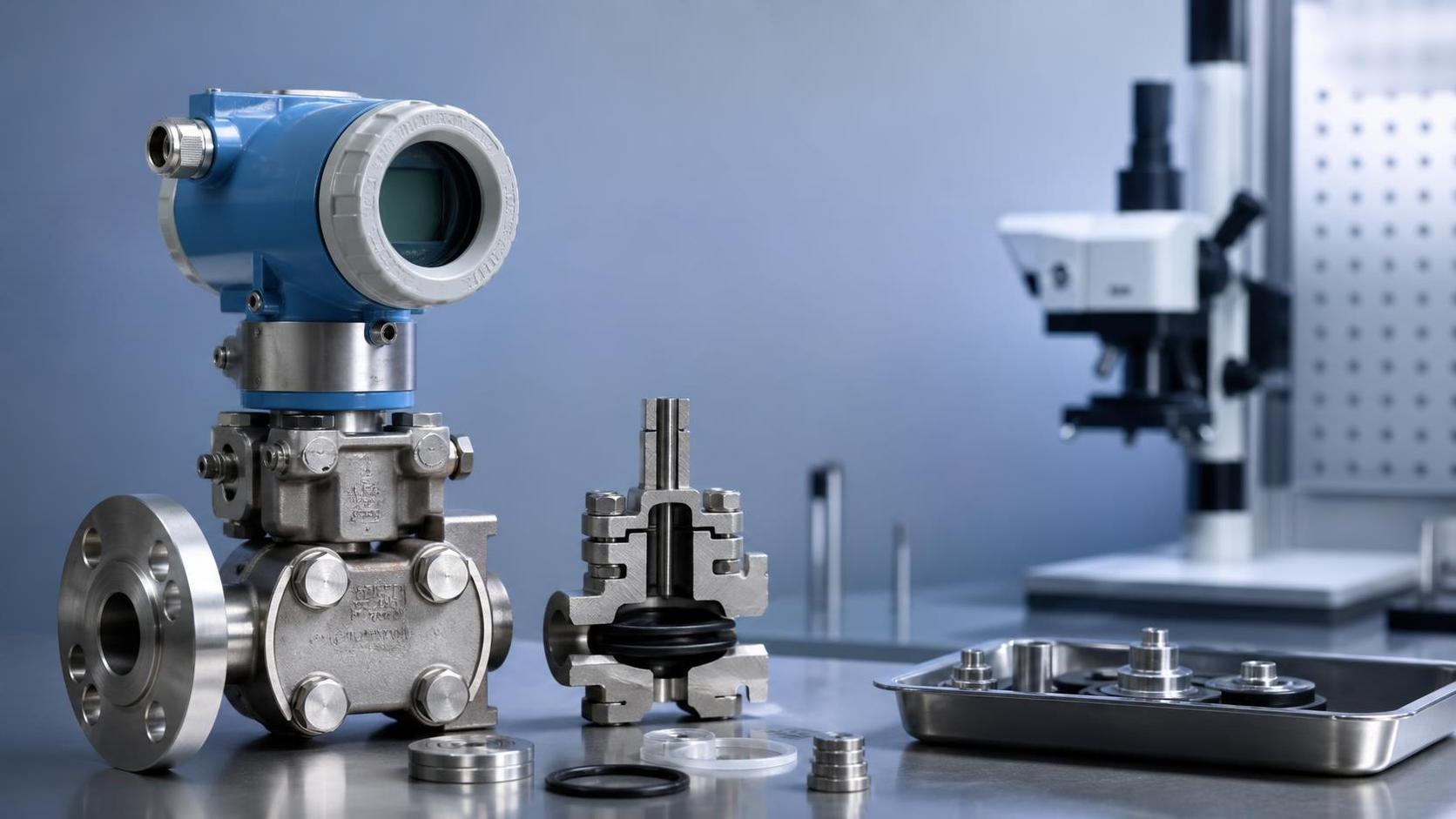
 EU REACH Annex XVII Update Bars Imports of Instruments Using Nickel-Containing Seals from 2027EU REACH Annex XVII update will bar imports of instruments using nickel-containing seals from 2027. Learn how this affects pressure transmitters, control valves, analyzers, testing, and compliance planning.
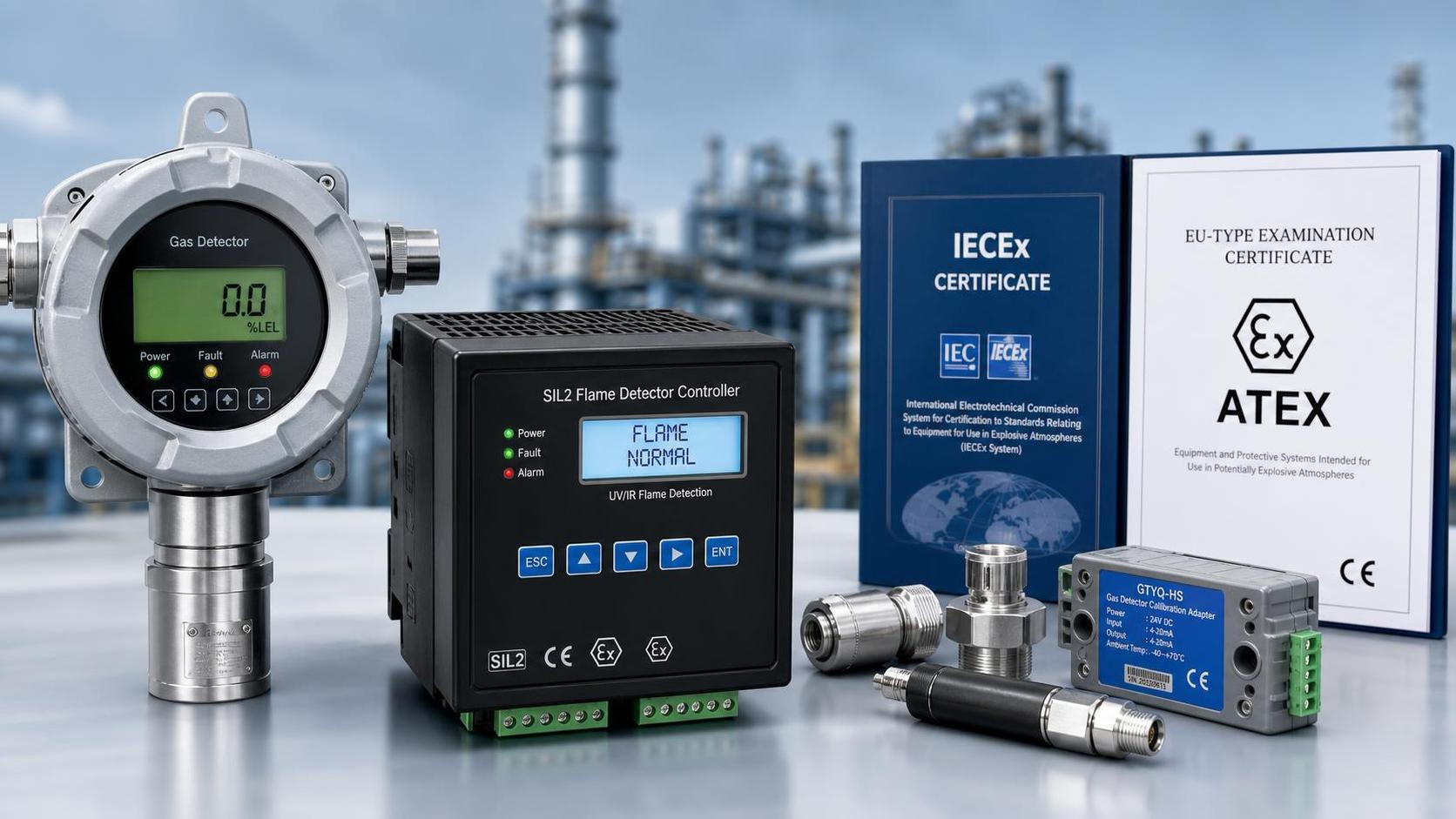
 MICONEX 2026 Signals Higher ATEX, IECEx ScrutinyMICONEX 2026 spotlights ATEX and IECEx scrutiny for gas detectors and SIL2 fire controllers, highlighting certification, calibration, and export-ready service needs.
 MICONEX 2026 Opens in Hefei as Chinese Safety Devices Draw Overseas BuyersMICONEX 2026 highlights Chinese industrial safety monitoring equipment as overseas buyers focus on IEC 61508 SIL2 intelligent gas detection systems for higher-end global projects.
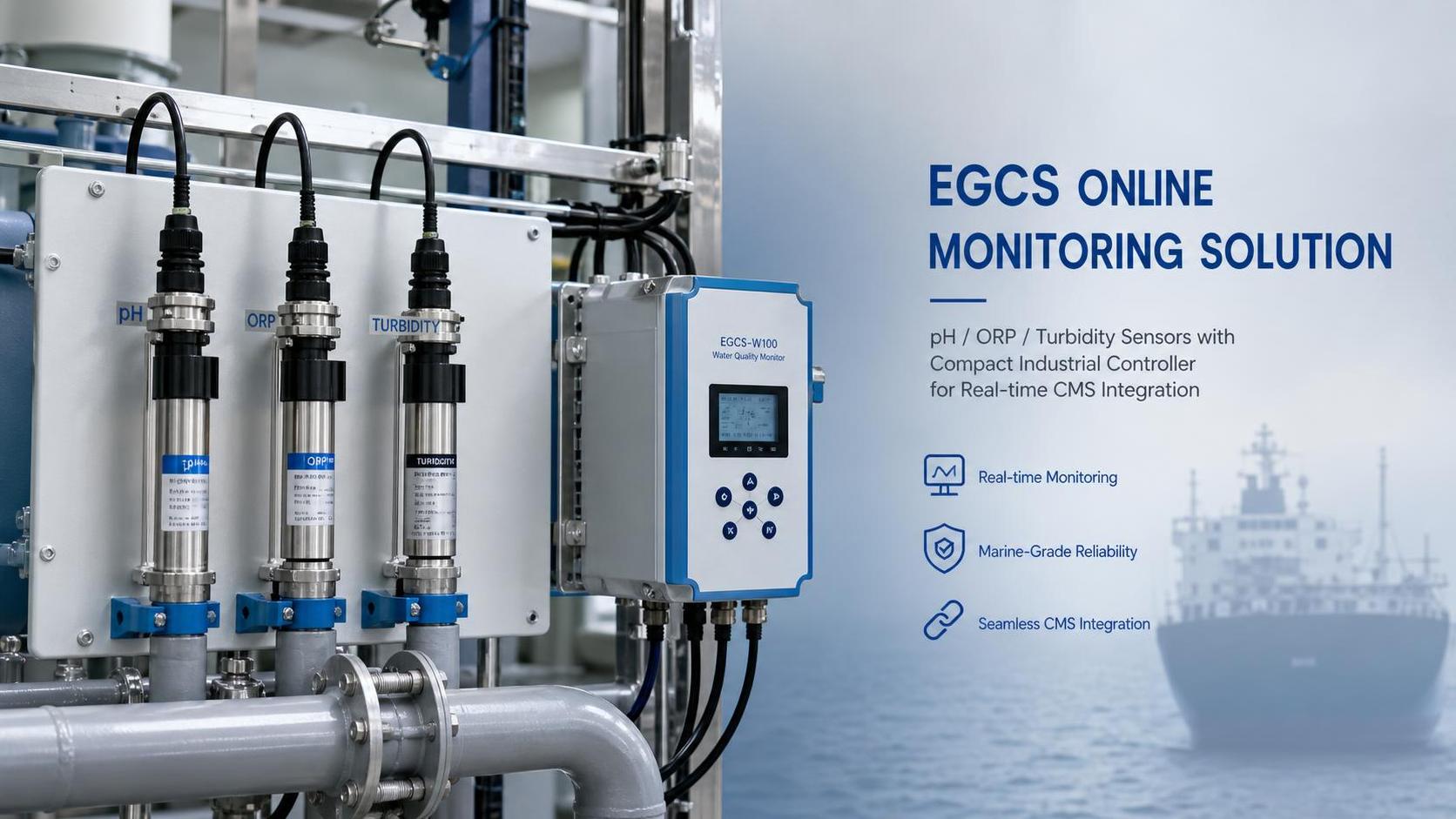
 IMO Updates EGCS Monitoring Guidance for 2026IMO updates EGCS monitoring guidance for 2026, highlighting pH, ORP and turbidity compliance, CMS connectivity, and ISO 17025 traceability for maritime buyers.
 Saudi SASO Rule Adds Arabic UI and EMI Test DutySaudi SASO rule update: Arabic UI and IEC 61326-2-3 EMI testing will become mandatory for environmental monitoring instruments from Nov 1, 2026. See key export and compliance impacts.
 SASO Tightens Cyber Rules for Monitoring ImportsSASO tightens cyber rules for monitoring imports in Saudi Arabia. Learn how IEC 62443-3-3 certification and SASO-recognized penetration testing will reshape environmental monitoring equipment access.
Chat Online