


On June 1, 2026, the General Administration of Customs of China officially launched version 1.0 of the Smart Classification Assistance System for Instrument and Meter Exports. The pilot initially covers 12 categories of highly sensitive testing equipment, including pH/ORP analyzers, infrared gas analyzers, and online TOC monitors. Exporters of analytical instruments, compliance service providers, supply chain operators, and companies involved in controlled or sensitive testing equipment should pay close attention, because the system directly links export declaration, HS code risk alerts, licensing requirements, and destination-country technical restriction matching.
Event Overview
The General Administration of Customs of China officially put the Smart Classification Assistance System for Instrument and Meter Exports, version 1.0, into operation on June 1, 2026.
According to the available information, the first pilot scope covers 12 categories of highly sensitive testing equipment related to dual-use item supervision and export control. The disclosed examples include pH/ORP analyzers, infrared gas analyzers, and online TOC monitors.
The system provides automatic prompts on HS code risk, license requirements, and matching results against destination-country technical restriction lists. For pilot enterprises, the reported declaration accuracy rate has increased to 99.2%, while average customs clearance time has been shortened by 1.8 days.
Which Segments May Be Affected
Export Trading Companies Handling Analytical Instruments
Export trading companies are directly affected because the pilot system focuses on export classification and compliance prompts for sensitive testing equipment. Their daily work often involves declaring HS codes, confirming whether licenses are required, and preparing documents for different destination markets.
The main impact is likely to appear in declaration preparation, classification review, and order acceptance. From an industry perspective, companies dealing with pH/ORP analyzers, infrared gas analyzers, online TOC monitors, or similar covered products may need to check classification logic earlier in the transaction process rather than waiting until customs declaration.
Instrument and Meter Manufacturers
Manufacturers may be affected because product specifications, functional descriptions, and technical parameters are important inputs for export classification. If the system highlights HS code risks or license requirements, manufacturers may need to provide clearer technical documentation to support exporters and customs brokers.
Analysis shows that the impact on manufacturers is not limited to production. It may extend to sales documentation, model naming consistency, product manuals, and communication with overseas buyers, especially when products fall within the first 12 sensitive testing equipment categories.
Compliance, Customs Brokerage, and Supply Chain Service Providers
Customs brokers and supply chain service providers are affected because the new system changes how classification risk is identified during export declaration. The system’s automatic prompts may help reduce manual uncertainty, but they also require service providers to respond more precisely to flagged HS code risks, licensing requirements, and destination-country restriction matches.
Observably, the practical pressure for these providers will be in workflow adjustment. They may need to integrate system prompts into pre-declaration checks, document review, and client communication so that sensitive equipment shipments are not delayed by incomplete classification or licensing preparation.
Overseas Sales Channels and Distributors
Overseas sales channels and distributors may be indirectly affected because destination-country technical restriction matching is part of the system’s disclosed functions. When a product is flagged in relation to a destination market, exporters may need to confirm whether the planned shipment route, customer use case, or documentation package requires additional review.
The impact mainly appears in order planning and delivery expectations. What deserves closer attention now is that sales teams may need to coordinate earlier with export compliance personnel before confirming delivery dates for covered sensitive testing equipment.
What Companies and Practitioners Should Watch and How to Respond
Track Further Official Clarifications
Companies should continue to monitor official communications from the General Administration of Customs of China regarding the pilot scope, covered product categories, and system usage requirements. The current confirmed information identifies 12 initial categories and several examples, but the full operational details should be followed through official channels.
It is more appropriate to understand this as a compliance-related system rollout rather than a general market policy change. Enterprises should avoid over-interpreting the pilot while still preparing for practical changes in export declaration procedures.
Review Covered Product Lines Before Shipment
Exporters and manufacturers should check whether their product lines include pH/ORP analyzers, infrared gas analyzers, online TOC monitors, or other equipment within the first pilot coverage. For relevant products, HS code classification, licensing status, and destination-country technical restriction matching should be reviewed before orders enter the final shipment stage.
Analysis shows that the most practical response is to move compliance checks forward. Waiting until customs declaration may reduce the benefit of the system’s risk alerts and may leave insufficient time to prepare licenses or clarify technical documents.
Align Technical Documents With Declaration Needs
For covered instruments and meters, exporters should ensure that product names, model numbers, specifications, functional descriptions, and application descriptions are consistent across contracts, invoices, packing lists, manuals, and declaration materials.
From an industry perspective, this is especially relevant for sensitive testing equipment because classification and licensing judgments may depend on technical attributes. Clear documentation can help customs brokers and internal compliance teams respond more efficiently to system prompts.
Distinguish System Signals From Final Business Outcomes
The system provides prompts on HS code risk, license requirements, and destination-country restriction matching. Companies should treat these prompts as important compliance signals and should verify them through proper declaration and licensing procedures.
What deserves closer attention now is the difference between a risk alert and a final business conclusion. A prompt does not automatically mean that an export cannot proceed, but it may indicate that additional review, documentation, or licensing confirmation is required.
Editor’s View / Industry Observation
Observably, this rollout indicates that export classification for sensitive instruments and meters is becoming more system-assisted and data-driven. The disclosed improvement in pilot declaration accuracy and customs clearance time suggests that standardized prompts may reduce repeated manual corrections during declaration.
Analysis shows that the event is more than a routine customs technology update for companies exporting high-sensitivity testing equipment. It directly touches HS code risk, license requirements, and destination-market technical restrictions, all of which are critical control points in export compliance.
It is more appropriate to understand this development as an operational signal at the pilot stage. It has already produced reported results among pilot enterprises, but the broader industry impact will depend on how the system is applied, whether the covered categories expand, and how enterprises adapt their internal review processes.
Conclusion
The launch of China’s Smart Classification Assistance System for Instrument and Meter Exports is significant for exporters, manufacturers, customs brokers, and supply chain service providers involved in sensitive analytical and testing equipment. Its immediate value lies in improving classification accuracy, identifying licensing requirements, and supporting destination-country restriction checks.
From an industry perspective, the current development should be viewed neither as a simple customs news item nor as a final conclusion for all instrument exports. It is more appropriate to understand it as a pilot-stage compliance infrastructure change that may influence how sensitive testing equipment is reviewed, declared, and shipped.
Information Source Statement
Main source: General Administration of Customs of China, as reflected in the provided event information on the June 1, 2026 launch of the Smart Classification Assistance System for Instrument and Meter Exports, version 1.0.
Items requiring continued observation: further official clarification on the complete list of the 12 covered equipment categories, detailed operational requirements for enterprises, possible expansion of pilot coverage, and subsequent application in export declaration practice.


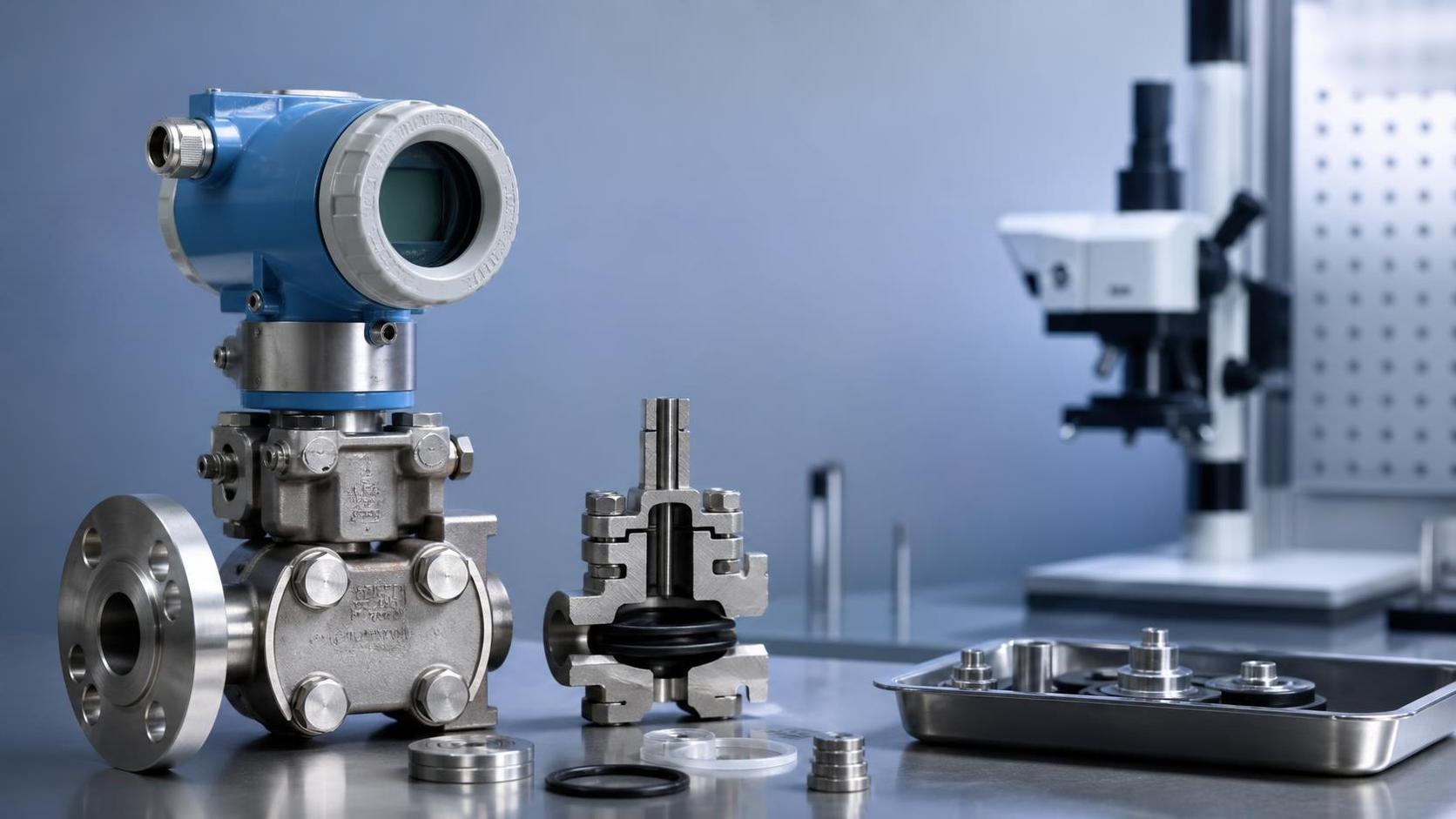
 EU REACH Annex XVII Update Bars Imports of Instruments Using Nickel-Containing Seals from 2027EU REACH Annex XVII update will bar imports of instruments using nickel-containing seals from 2027. Learn how this affects pressure transmitters, control valves, analyzers, testing, and compliance planning.
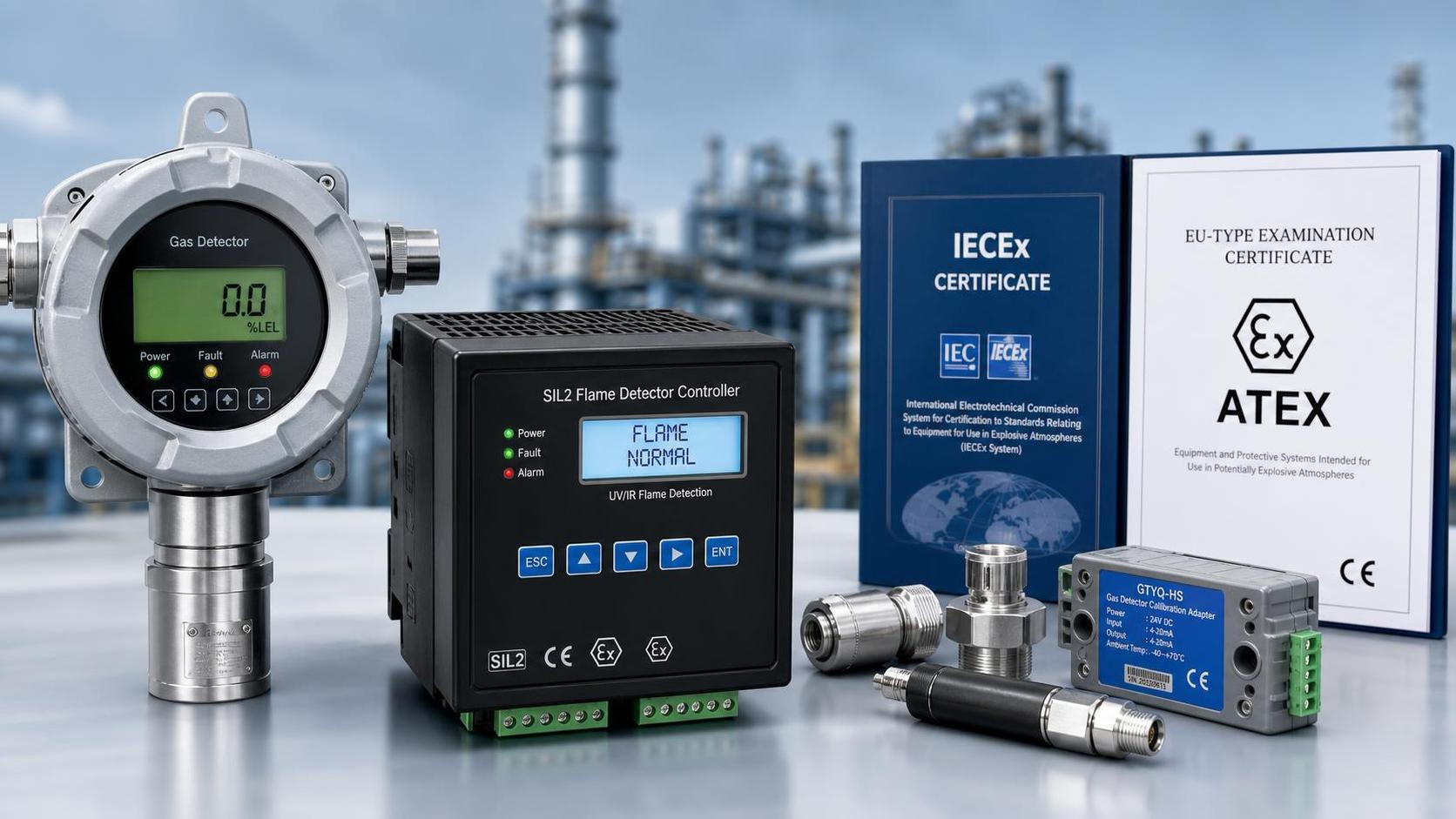
 MICONEX 2026 Signals Higher ATEX, IECEx ScrutinyMICONEX 2026 spotlights ATEX and IECEx scrutiny for gas detectors and SIL2 fire controllers, highlighting certification, calibration, and export-ready service needs.
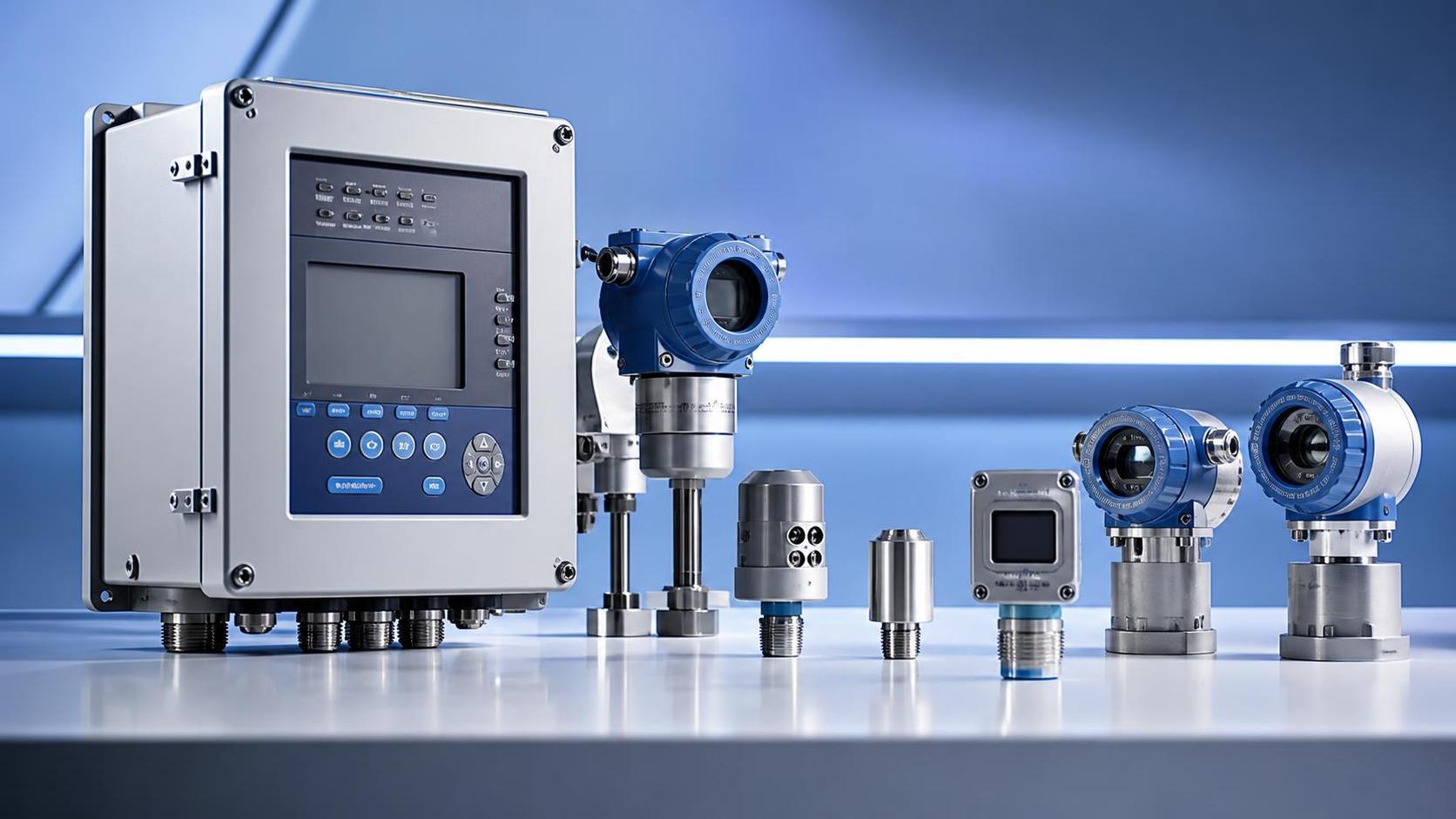
 MICONEX 2026 Opens in Hefei as Chinese Safety Devices Draw Overseas BuyersMICONEX 2026 highlights Chinese industrial safety monitoring equipment as overseas buyers focus on IEC 61508 SIL2 intelligent gas detection systems for higher-end global projects.
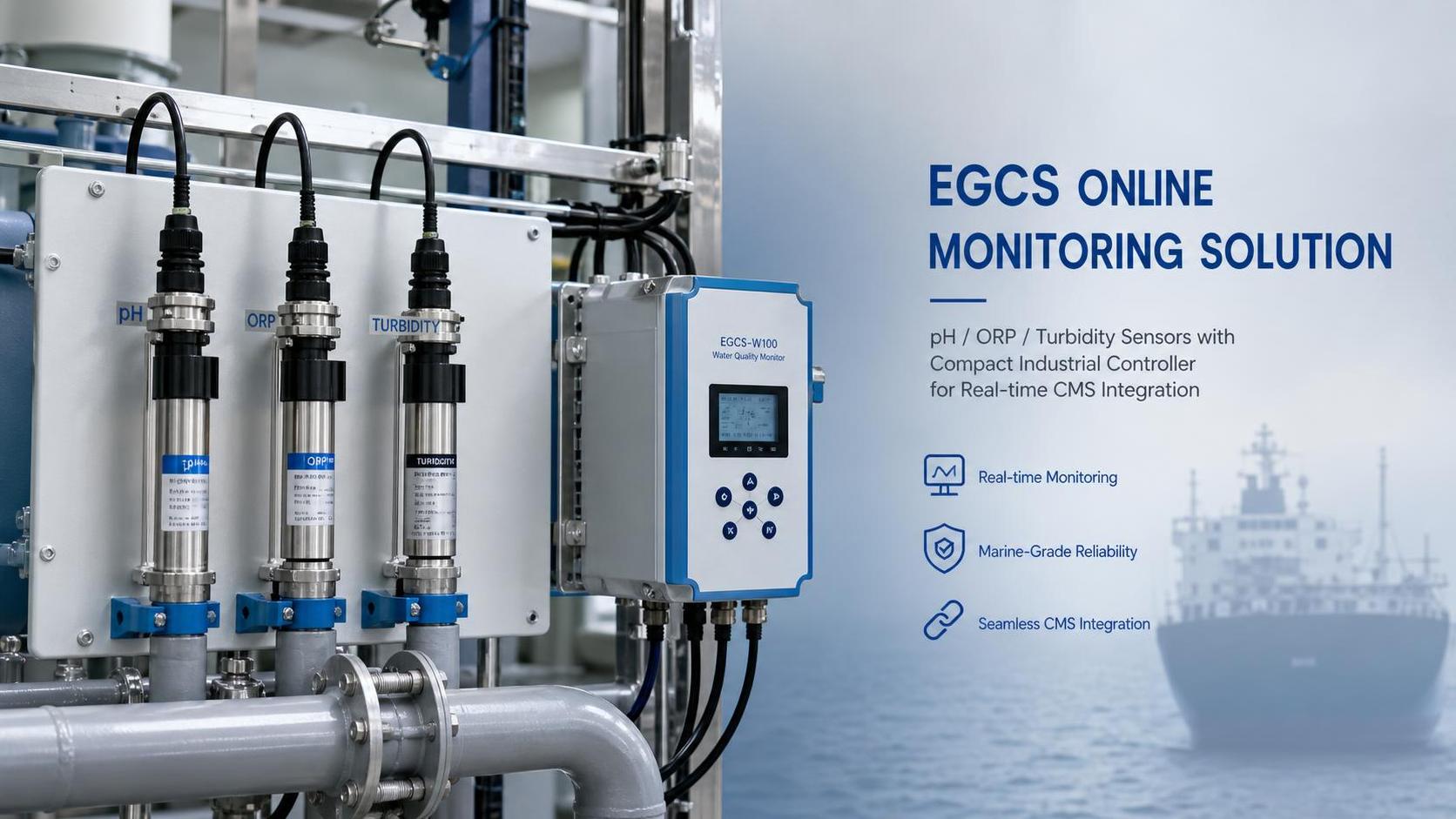
 IMO Updates EGCS Monitoring Guidance for 2026IMO updates EGCS monitoring guidance for 2026, highlighting pH, ORP and turbidity compliance, CMS connectivity, and ISO 17025 traceability for maritime buyers.
 Saudi SASO Rule Adds Arabic UI and EMI Test DutySaudi SASO rule update: Arabic UI and IEC 61326-2-3 EMI testing will become mandatory for environmental monitoring instruments from Nov 1, 2026. See key export and compliance impacts.
 SASO Tightens Cyber Rules for Monitoring ImportsSASO tightens cyber rules for monitoring imports in Saudi Arabia. Learn how IEC 62443-3-3 certification and SASO-recognized penetration testing will reshape environmental monitoring equipment access.
Chat Online