


On June 1, 2026, China Customs began applying a new declaration requirement for export cargo by adding a restricted and controlled goods identification code field, together with related declaration elements that are mandatory under certain conditions. The change applies across exported instrumentation products and connects customs filing more directly with dual-use controls, environmental restrictions, and energy efficiency certification scenarios. For exporters, distributors, brokers, and supply chain teams, the issue is not only a form update but a practical compliance checkpoint that can affect release timing, document acceptance, and delivery stability for overseas orders.
What has changed in the export declaration process
According to the information provided, the General Administration of Customs has officially implemented two new items in export goods declarations from June 1, 2026: a restricted and controlled goods identification code and related declaration elements that must be completed when applicable. The adjustment covers all exported instrumentation products. The declared scope involves multiple regulatory scenarios, including dual-use items, environmental restrictions, and energy efficiency certification. The same information also states that inaccurate filing may lead to customs clearance delays or declaration rejection, which can directly affect the stability of order delivery to overseas distributors.
Where the pressure is likely to appear first in the trade chain
Exporters will face a tighter document-to-product match
From an industry perspective, exporters of instrumentation products are the first group likely to feel the operational effect of the new declaration items. The immediate impact is at the point where product attributes, technical documentation, and customs filing need to align more precisely. What deserves closer attention is whether internal product classification and compliance review are sufficient to support correct identification of restricted or controlled scenarios before shipment.
Manufacturers may need closer coordination with trade and compliance teams
For manufacturing enterprises, the change may affect the handoff between product engineering, certification records, and export documentation. Analysis shows that where a product could relate to dual-use controls, environmental restrictions, or energy efficiency certification, the export side will depend more heavily on accurate technical inputs from the factory side. If that coordination is weak, the risk may appear not in production itself but at the declaration and release stage.
Distributors and overseas order channels may see delivery uncertainty
Channel partners and overseas distributors are not the filing party in many cases, but they may still be exposed to the consequences of incorrect or incomplete declarations. The information provided already makes clear that delayed clearance or returned declarations can affect order delivery stability. Observably, this means commercial planning, replenishment timing, and customer delivery commitments could become more sensitive to customs filing accuracy for instrumentation exports.
Customs service and logistics support providers may need better pre-check routines
Supply chain service providers, including declaration support and logistics coordination teams, may also need to adjust their working process. The main reason is that the new fields create an additional compliance checkpoint tied to product control status and supporting declaration elements. In practice, this raises the importance of front-end document review rather than relying only on shipment execution after cargo is ready.
Practical points companies should watch now
Review whether product files can support the new declaration fields
Analysis shows that companies exporting instrumentation products should first examine whether existing product files, technical descriptions, and compliance records are detailed enough to support the new code field and any conditionally required declaration elements. This is especially relevant where product characteristics may intersect with dual-use, environmental, or energy efficiency control scenarios.
Check the consistency of declarations, certifications, and technical documents
What deserves closer attention is document consistency. Where export filing now depends more explicitly on control-related identification, mismatches between customs declarations and certification or technical materials may become more visible. Companies should therefore pay attention to whether internal document sets are aligned before shipment, rather than treating customs filing as a separate final step.
Reassess delivery timing for orders exposed to compliance review
Because the provided information states that inaccurate filing can trigger delay or rejection, companies may need to review delivery schedules for orders that are more likely to involve restricted or controlled scenarios. This should be understood as a risk-management point rather than a confirmed disruption pattern, since no further execution detail has been provided.
Continue monitoring official wording and practical enforcement signals
The current information confirms implementation, but it does not provide more detailed enforcement language, examples, or interpretation standards. For that reason, exporters and related service providers should continue watching for updated official wording, practical filing expectations, and any downstream changes in trade documentation or customer requirements.
Why this should be read as an execution signal
Observably, this development is more than a technical adjustment to a declaration form. It links customs declaration practice more directly to restricted and controlled product identification across several regulatory contexts. Analysis shows that the market significance lies in execution: a rule that now has a filing interface tends to become an operational issue for trade, supply chain, and delivery teams. At the same time, it would be premature to infer broader outcomes beyond the facts provided, because detailed implementation practice and market feedback still need to be observed.
How the market may best interpret the update at this stage
It is more appropriate to understand this change as an already effective compliance requirement with immediate operational relevance for exported instrumentation products. The confirmed risk is not abstract policy exposure but the possibility of delayed clearance or rejected declarations when filing is inaccurate. A measured reading is that companies should treat this as a practical customs execution update, while still reserving judgment on how strictly different scenarios will be handled until further implementation signals and industry feedback become clearer.
Basis of this article and what still needs verification
This article is generated based on the user-provided news title, event date, and event summary. For developments of this type, commonly relevant source categories may include official announcements, releases from regulatory authorities, customs or trade administration information, industry association updates, standards-related documents, and reporting by authoritative media. No specific official source link was provided in the input, so the exact official reference still requires ongoing verification. Further observation is also needed regarding detailed policy interpretation, certification-related execution standards, changes in tender or procurement documentation, industry feedback, and how companies implement the new filing requirement in practice.


 EU REACH Annex XVII Update Bars Imports of Instruments Using Nickel-Containing Seals from 2027EU REACH Annex XVII update will bar imports of instruments using nickel-containing seals from 2027. Learn how this affects pressure transmitters, control valves, analyzers, testing, and compliance planning.
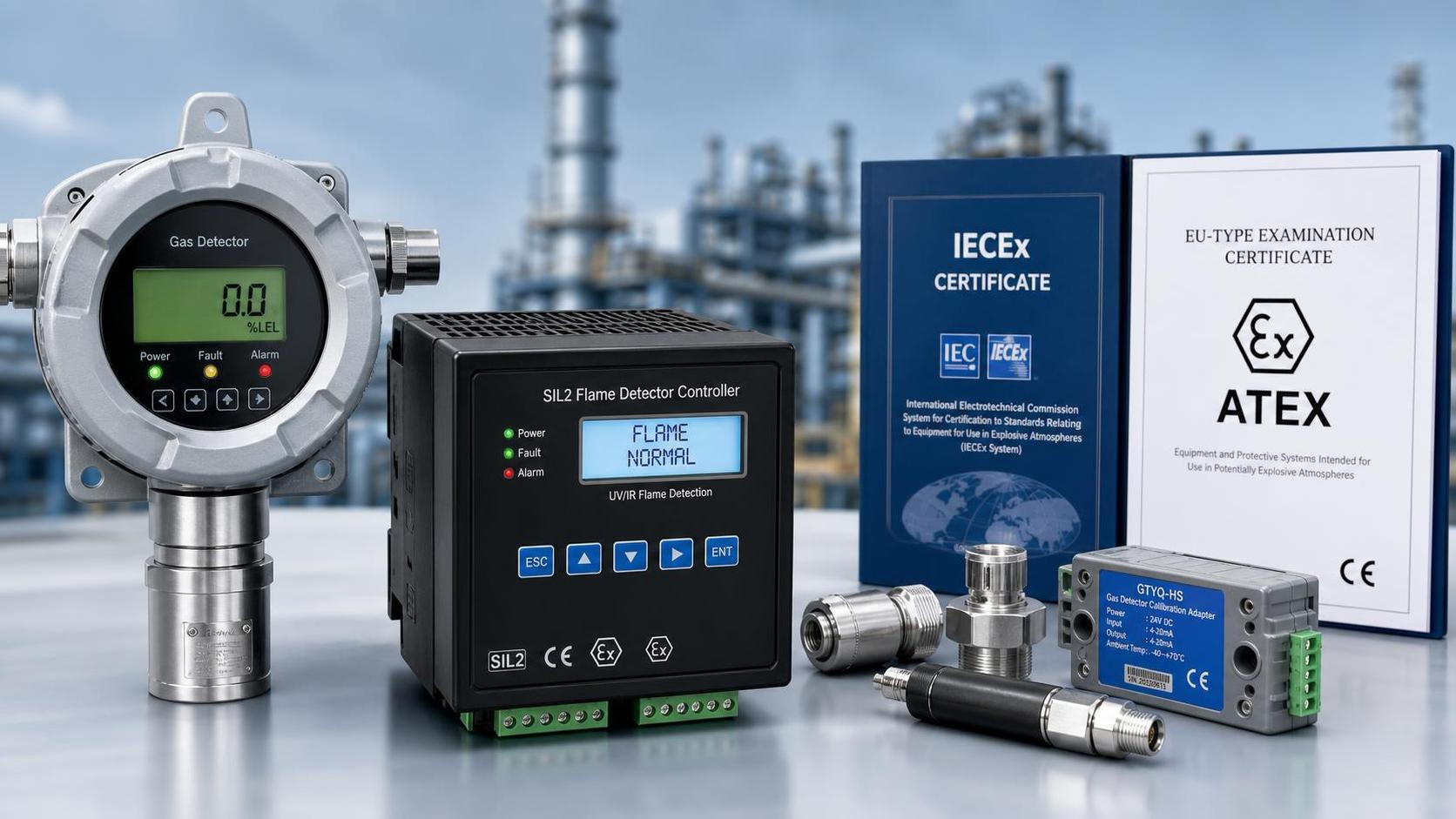
 MICONEX 2026 Signals Higher ATEX, IECEx ScrutinyMICONEX 2026 spotlights ATEX and IECEx scrutiny for gas detectors and SIL2 fire controllers, highlighting certification, calibration, and export-ready service needs.
 MICONEX 2026 Opens in Hefei as Chinese Safety Devices Draw Overseas BuyersMICONEX 2026 highlights Chinese industrial safety monitoring equipment as overseas buyers focus on IEC 61508 SIL2 intelligent gas detection systems for higher-end global projects.
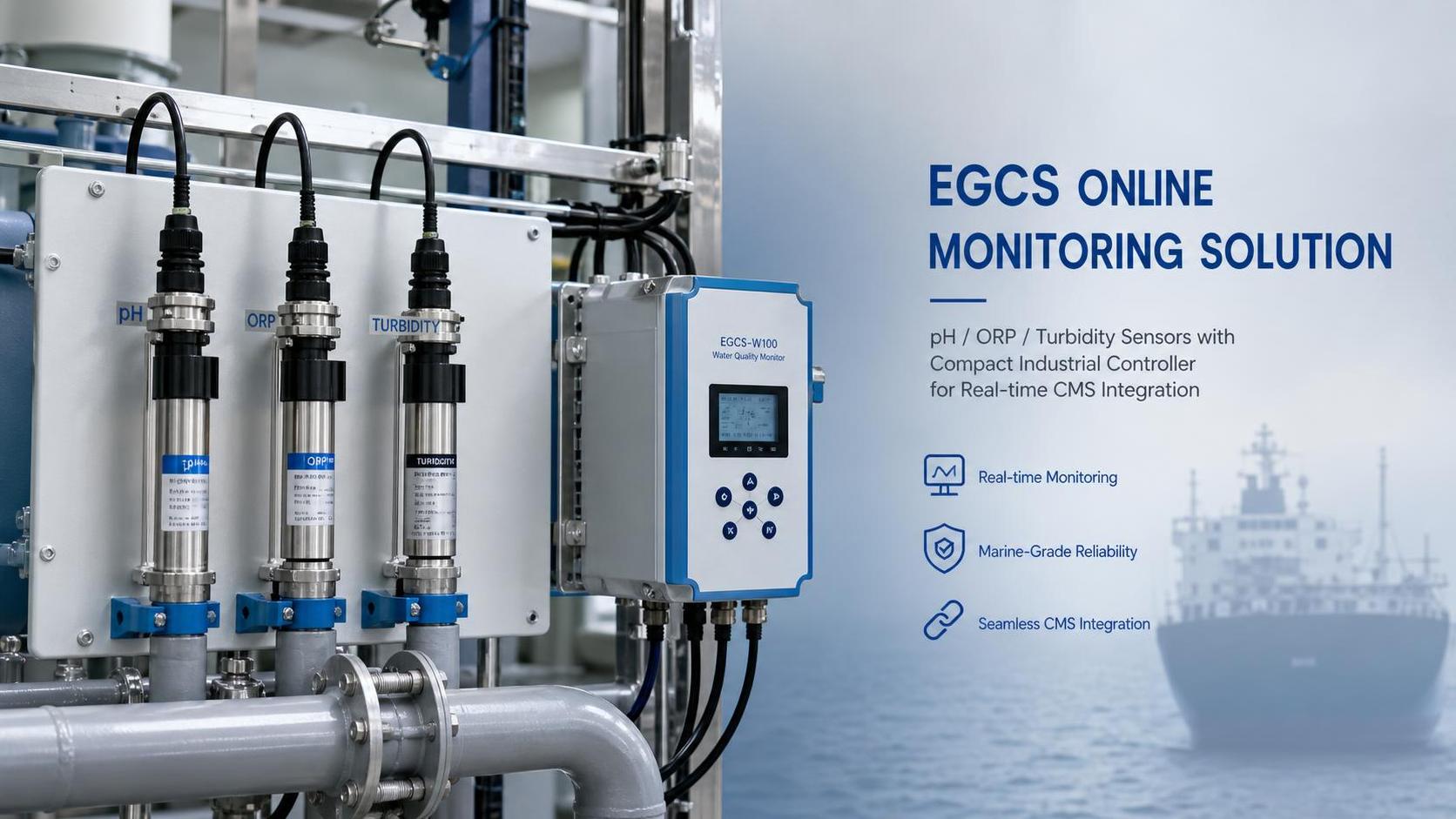
 IMO Updates EGCS Monitoring Guidance for 2026IMO updates EGCS monitoring guidance for 2026, highlighting pH, ORP and turbidity compliance, CMS connectivity, and ISO 17025 traceability for maritime buyers.
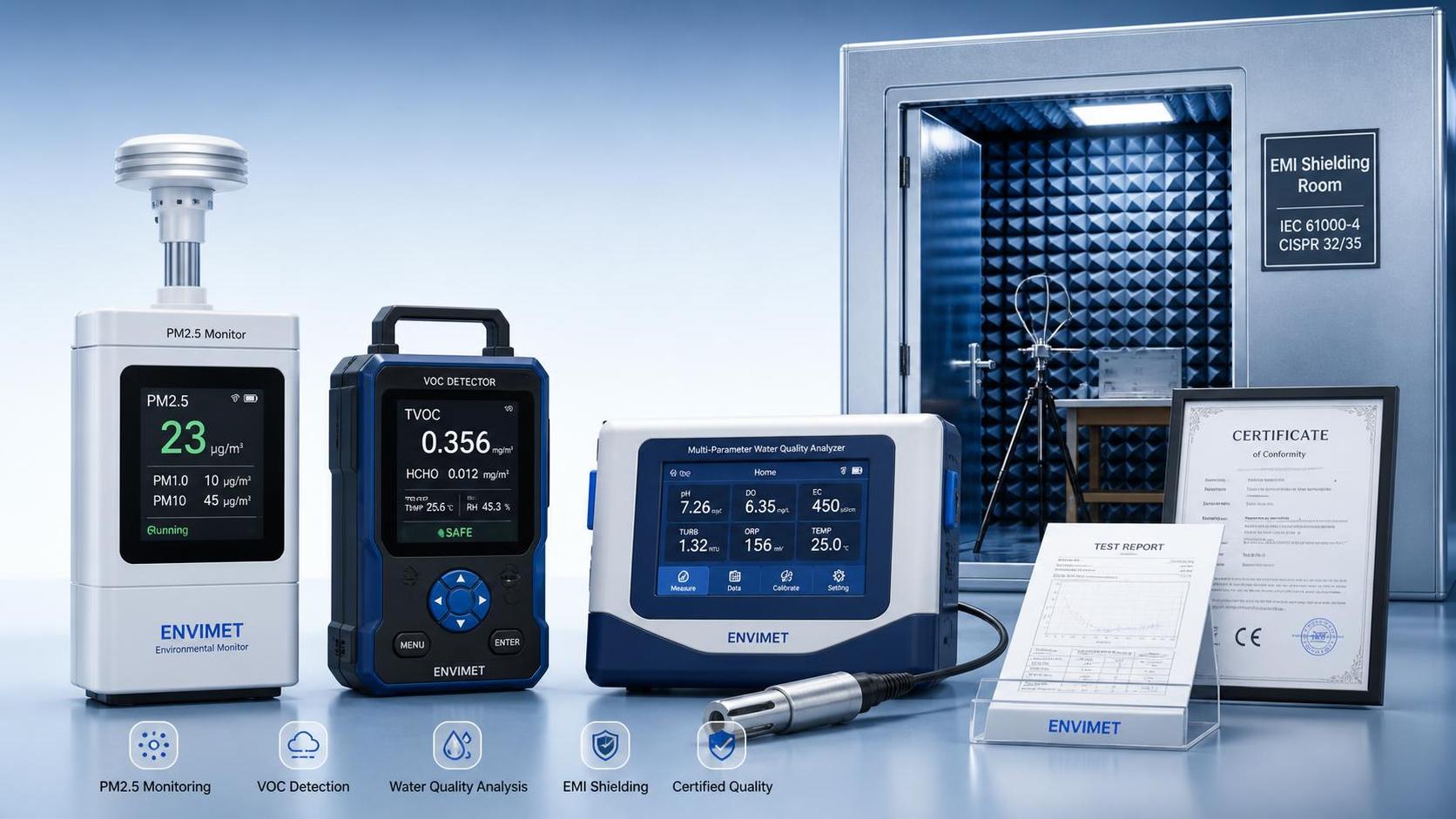
 Saudi SASO Rule Adds Arabic UI and EMI Test DutySaudi SASO rule update: Arabic UI and IEC 61326-2-3 EMI testing will become mandatory for environmental monitoring instruments from Nov 1, 2026. See key export and compliance impacts.
 SASO Tightens Cyber Rules for Monitoring ImportsSASO tightens cyber rules for monitoring imports in Saudi Arabia. Learn how IEC 62443-3-3 certification and SASO-recognized penetration testing will reshape environmental monitoring equipment access.



Chat Online