


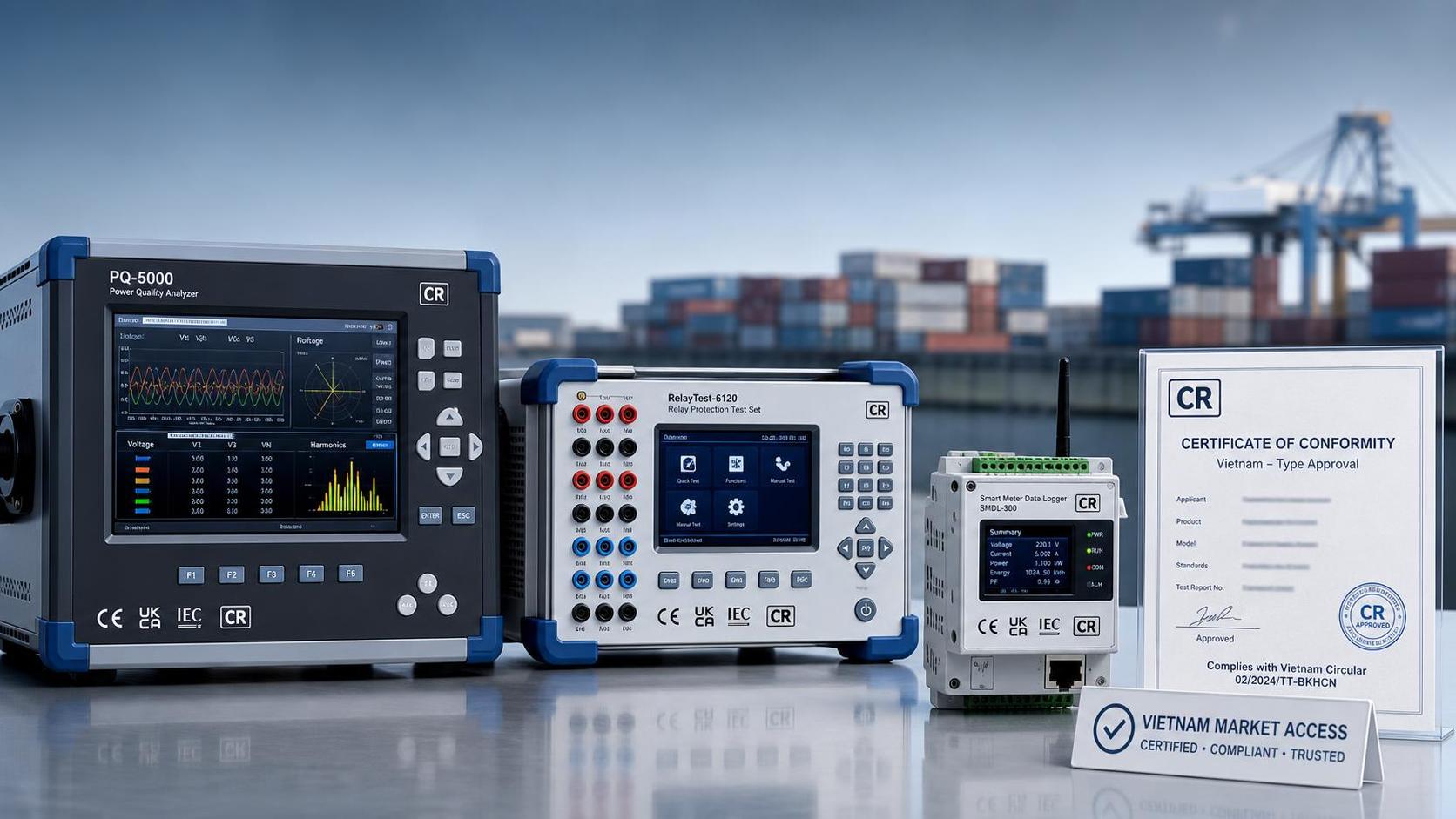
Effective on August 1, 2026, Vietnam’s Ministry of Industry and Trade is moving imported Electric Power monitoring instruments into a stricter compliance framework. The change centers on mandatory certification under QCVN 132:2026 for products such as smart meters, harmonic analyzers, and power quality monitoring terminals, making the issue directly relevant to exporters, importers, procurement teams, certification coordinators, and delivery planners that serve the Vietnam market.
What the new requirement formally changes
According to the provided information, on June 5, 2026, the Ministry of Industry and Trade of Vietnam (MOIT) issued Circular No. 28/2026/TT-BCT. From August 1, 2026, all smart meters, harmonic analyzers, power quality monitoring terminals, and other Electric Power instruments imported into Vietnam must obtain mandatory certification conducted by STAMEQ under the new national standard QCVN 132:2026.
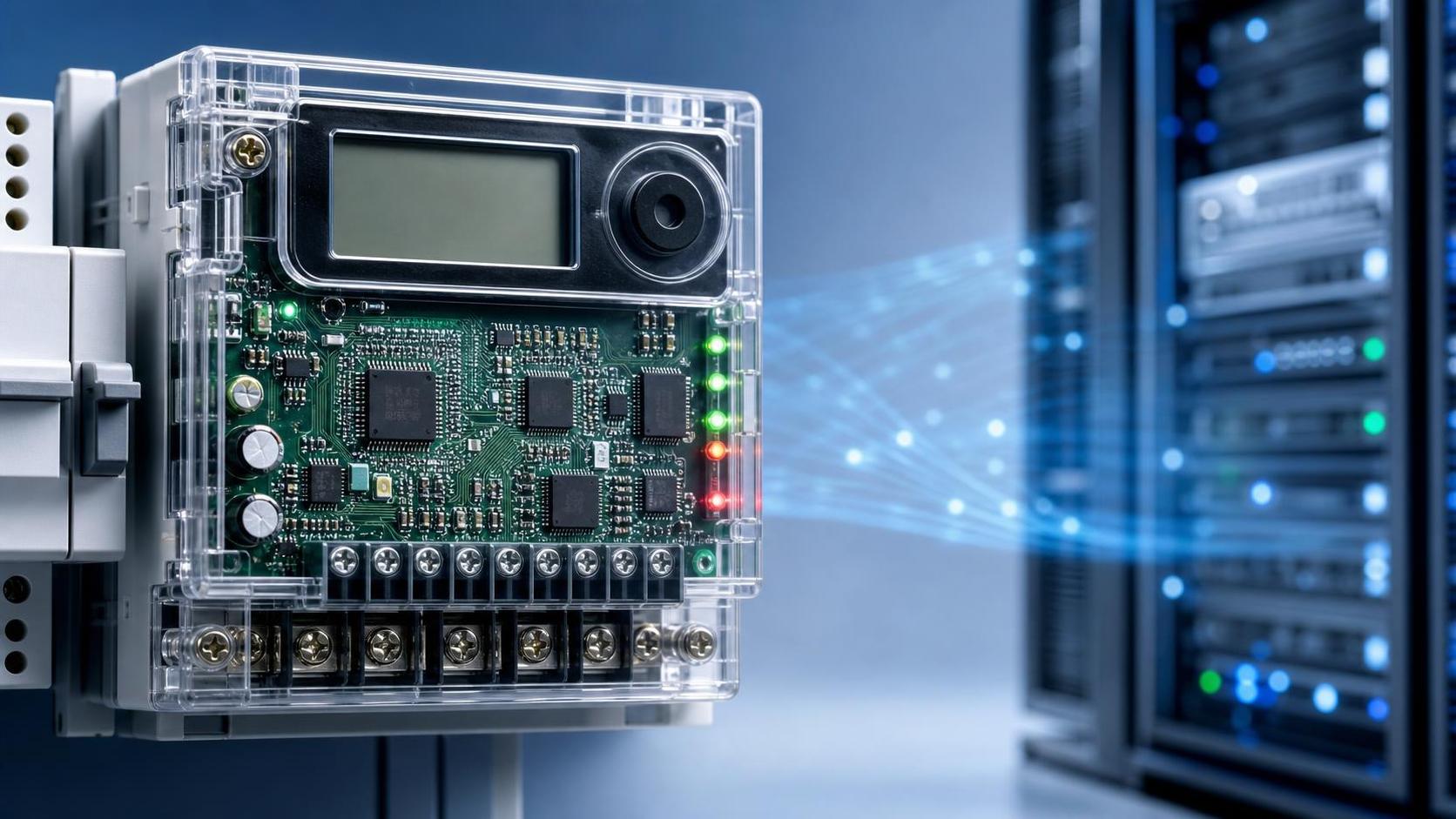
The certification focus identified in the summary includes compatibility with the DLMS/COSEM communication protocol, standby power consumption of no more than 0.5W, and localized data encryption capability. The provided information also indicates that delivery lead times for Chinese exporters are expected to increase by three to four weeks.
Where the immediate pressure is likely to appear
Export shipments face a new pre-market checkpoint
From an industry perspective, exporters of covered Electric Power instruments are likely to feel the impact first because certification becomes a condition tied directly to market entry into Vietnam. The practical pressure is not only on product readiness, but also on whether technical files, test alignment, and model configurations can support a smooth certification process before shipment schedules are fixed.
Importers and procurement teams may need to reset delivery assumptions
For Vietnam-facing importers and buyers, the rule change matters because compliance timing now becomes part of sourcing and project planning. What deserves closer attention is the expected three- to four-week extension in lead time mentioned in the event summary, which may affect purchase orders, arrival planning, and coordination with downstream installation or acceptance schedules.
Certification and testing workflows become more central to transactions
Certification-related service providers and internal compliance teams are also likely to become more involved in transaction planning. The stated focus on DLMS/COSEM compatibility, standby power limits, and localized data encryption means that technical review is no longer a side process; it may become a gating item for documentation, model selection, and shipment release decisions.
After-sales and technical support teams may need earlier involvement
Where products require protocol compatibility and localized encryption capability, after-sales and technical support functions may need to engage earlier in the sales cycle. Analysis shows that questions around software configuration, communication interfaces, and technical file consistency could influence not only certification preparation but also post-delivery support expectations.
Practical points companies should review now
Check whether product scope is affected
Companies supplying smart meters, harmonic analyzers, power quality monitoring terminals, or related Electric Power instruments for Vietnam should first verify whether their product models fall within the coverage of the new requirement as described in the provided summary. This is the starting point for deciding whether current quotations, bids, or shipment plans need adjustment.
Review certification readiness against the stated focus items
Analysis shows that businesses should closely examine whether existing products and technical documents are prepared for review against DLMS/COSEM compatibility, standby power consumption at or below 0.5W, and localized data encryption capability. If current product files or test materials do not clearly support those points, compliance preparation may take longer than expected.
Rework delivery and procurement timelines conservatively
The provided summary states that Chinese exporters may face an additional three to four weeks in lead time. It is more appropriate to understand this as a planning signal rather than a universal outcome for every shipment, but procurement, production scheduling, and customer delivery commitments should still be reviewed with extra timing margin.
Watch for execution language in commercial documents
What deserves closer attention is whether future bid documents, purchase specifications, technical annexes, and import-related paperwork begin to reflect the new certification language more explicitly. Even where detailed enforcement practice is not yet described in the input, companies should monitor how the requirement is referenced in real transactions and project documentation.
Why this looks like an execution signal, not only a policy headline
Observably, this development is more than a general policy statement because it combines a named circular, a clear effective date, defined product categories, and identifiable certification focus points. At the same time, the market still needs to observe how the requirement is applied in day-to-day certification handling, procurement documents, and import execution. In that sense, it is more appropriate to understand this as an implemented compliance change with further operational details still worth watching.
How the market may best interpret the change
From an industry perspective, the key significance of this update is that compliance for imported Electric Power monitoring instruments in Vietnam is moving closer to a front-end market access requirement tied to technical performance and communication capability. The most rational reading at this stage is not that all trade flows will be disrupted, but that certification planning, delivery scheduling, and technical documentation control now require earlier attention from companies serving the Vietnam market.
Basis of this article and what still needs verification
This article is generated from the user-provided news title, effective date, and event summary. For developments of this kind, relevant source types typically include official government notices, releases from regulatory authorities, trade or customs authorities, industry association updates, standard-setting documents, and reporting by authoritative media. A specific official source link was not provided in the input, so the exact official publication path still needs to be verified. Follow-up attention should remain on detailed implementation language, certification practice under QCVN 132:2026, wording in tender and procurement documents, market feedback, and how affected companies execute compliance in actual shipments.


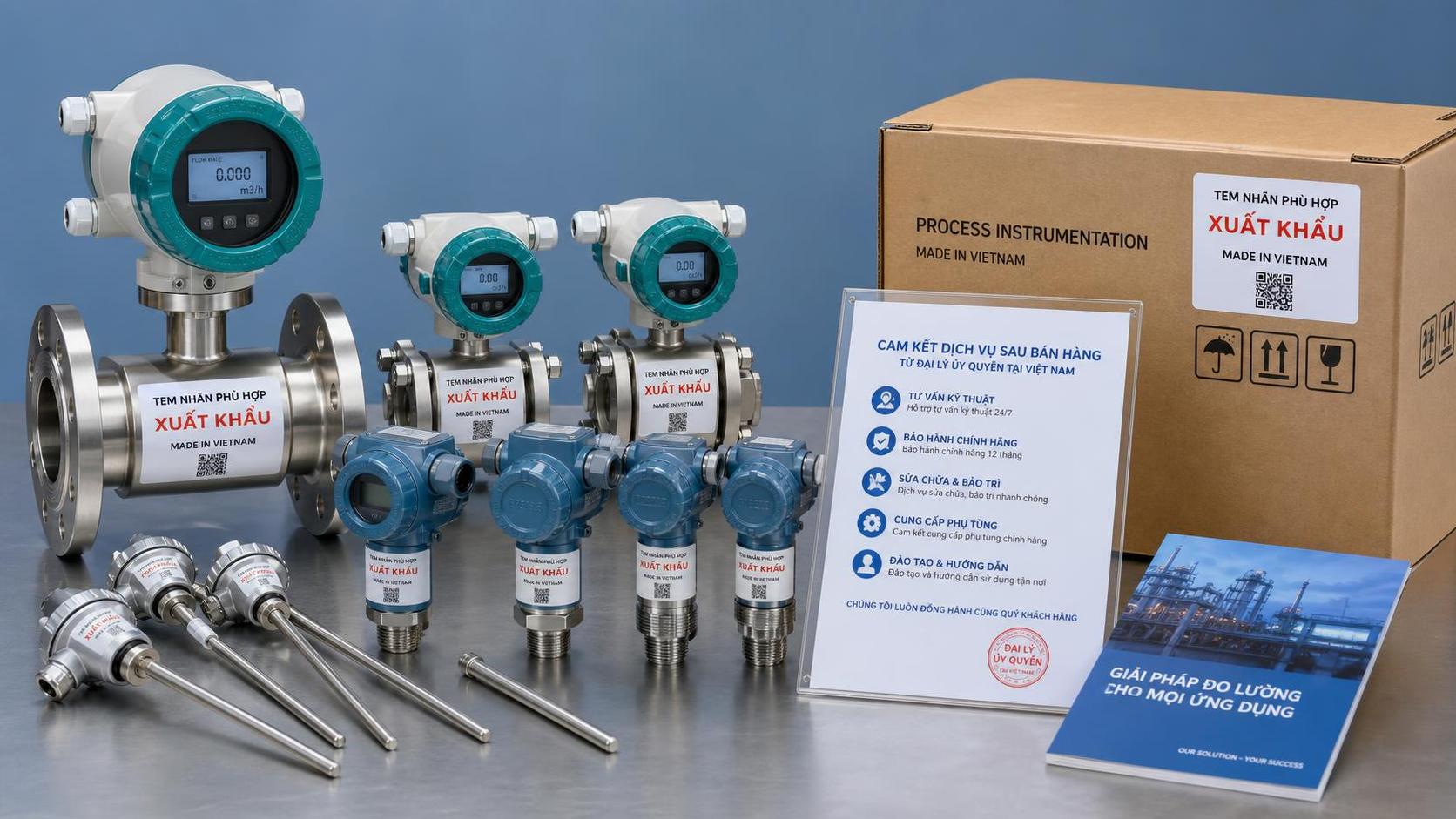
 Vietnam Rule Takes Effect Sept. 1: Imported Industrial Instruments Need Vietnamese Labels and Local After-Sales CommitmentVietnam’s Sept. 1 rule requires Vietnamese labels and local after-sales support for imported industrial instruments. See what HS 9026/9028 exporters and buyers must do now.
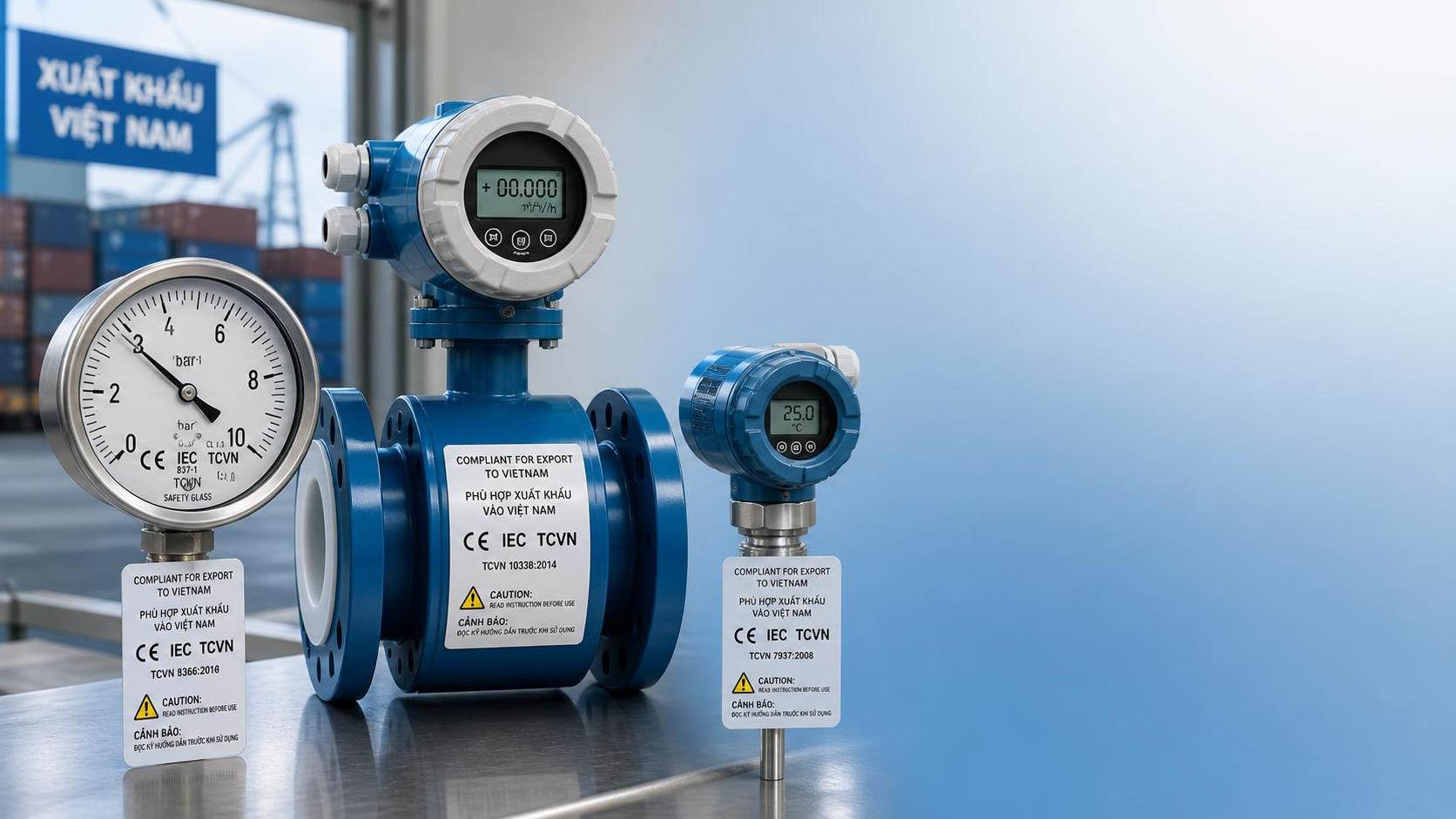
 Vietnam MOIT Rule Tightens Labeling for Imported Industrial InstrumentsVietnam MOIT Rule Tightens Labeling for Imported Industrial Instruments: learn how new Vietnamese label, CE/IEC/TCVN, and local service contact rules affect customs clearance and market access.
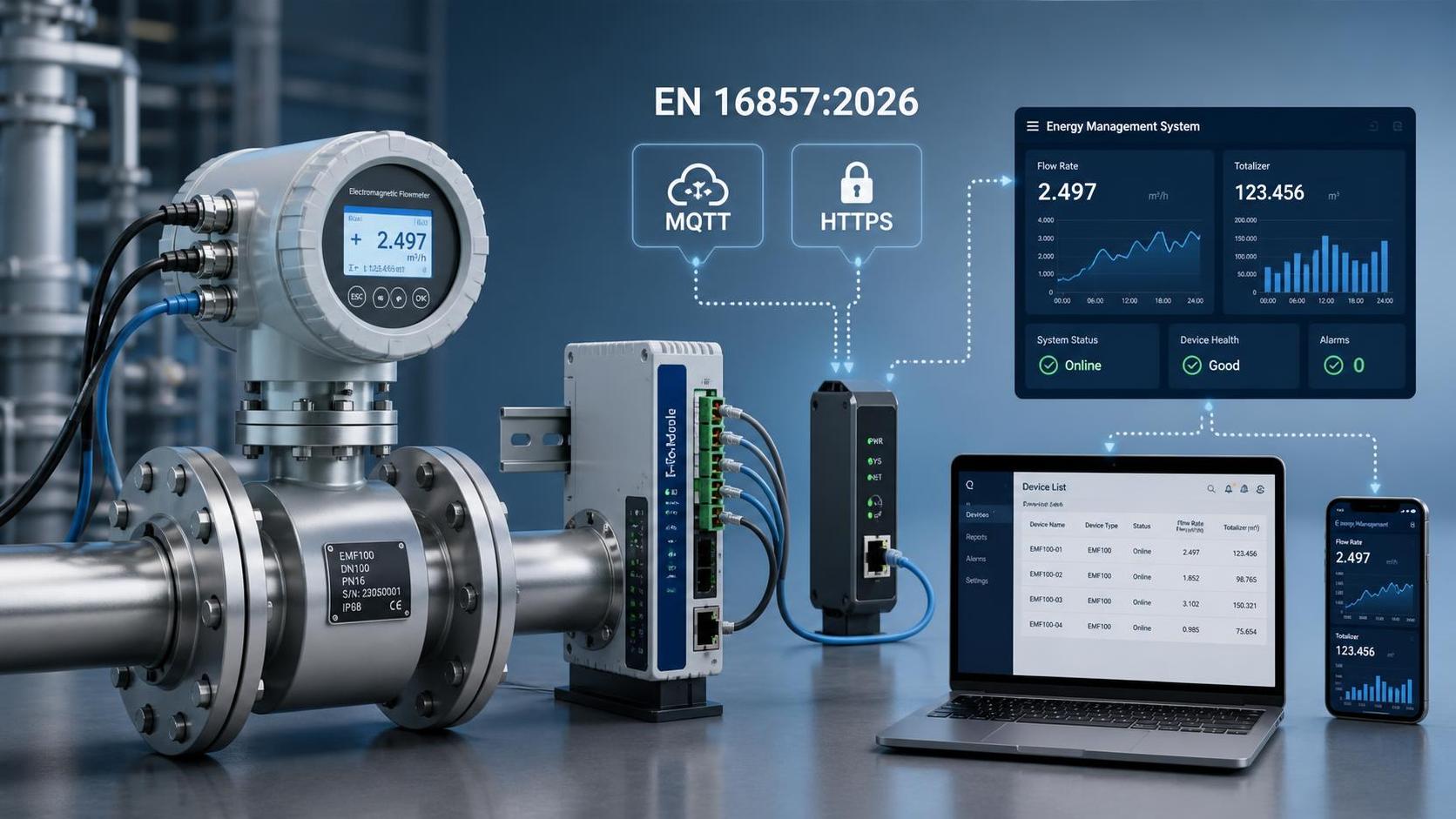
 EU Energy Rule Takes Effect: Flow Meters Need Data InterfacesEU energy rule now requires industrial flow meters with data interfaces. Learn how EN 16857:2026, MQTT/HTTPS, and updated compliance affect exports, customs, and buying decisions.
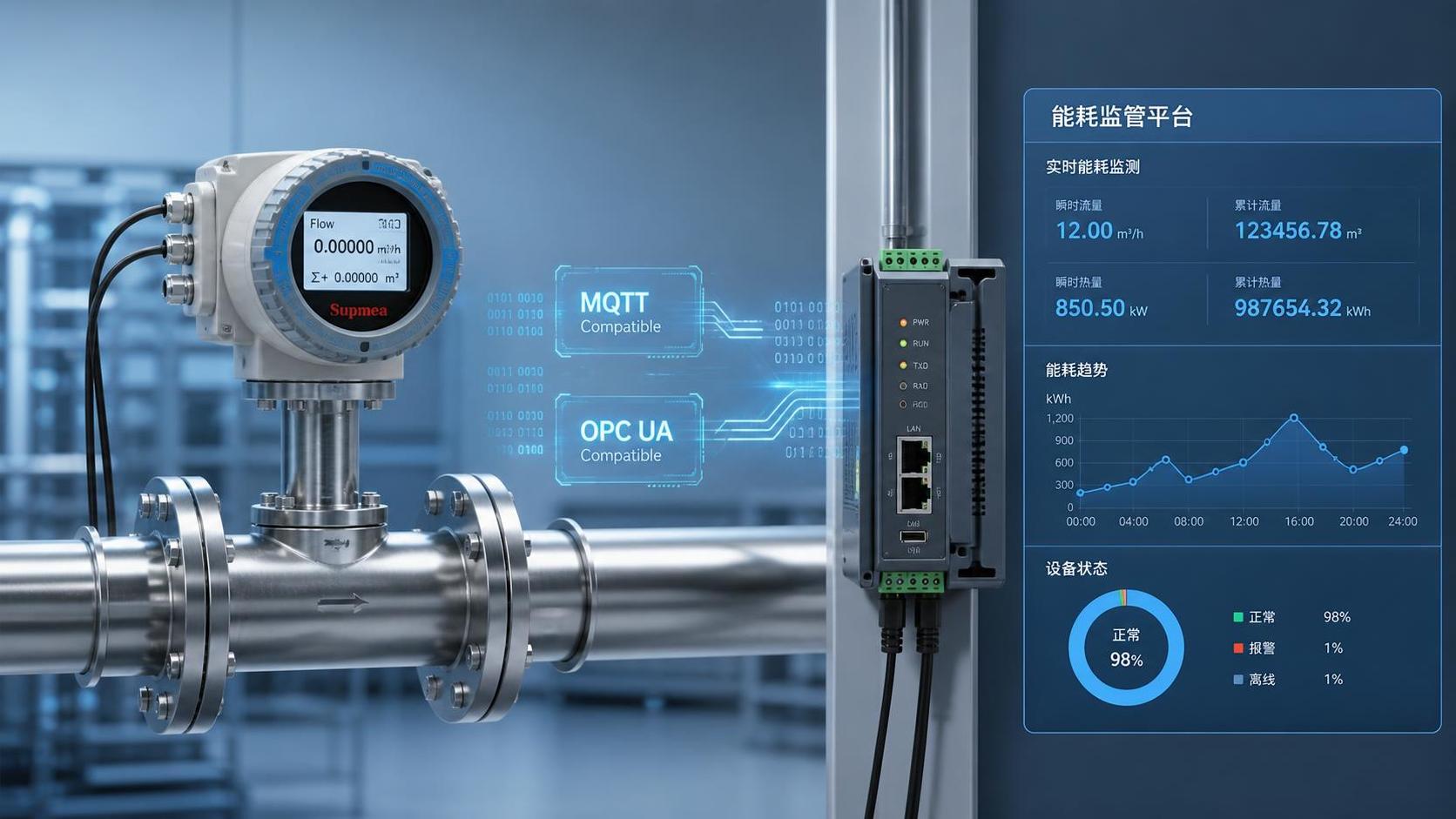
 EU Efficiency Rule Adds Data Interface Mandate for FlowmetersFlowmeters face a major EU compliance shift: from Sept. 1, 2026, new models must support MQTT or OPC UA and direct energy-data reporting. See how this rule impacts design, CE documents, and EU exports.
 Vietnam MOIT Makes QCVN 112:2026 MandatoryVietnam MOIT Makes QCVN 112:2026 Mandatory for imported power monitoring instruments from Sept 1, 2026. Learn certification, CR mark, and supply-chain impacts now.
 IEC 62053-22:2026 Mandates Secure OTA for Class 1 MetersIEC 62053-22:2026 mandates secure OTA for Class 1 meters, reshaping smart meter compliance, procurement, and market access. Learn what manufacturers and buyers must prepare now.
Chat Online