


Effective August 1, 2026, Vietnam’s new QCVN 132:2026 rule turns compliance for imported power monitoring instruments into a dual-entry requirement: products must meet both an energy efficiency threshold and compatibility with the VSGP-2.1 communication protocol. For exporters, importers, certification-related service providers, procurement teams, and delivery planners, this is not just a technical update; it directly affects market access, shipment readiness, and whether covered products can legally enter Vietnam.
What the new requirement formally changes
According to the information provided, Vietnam’s Ministry of Industry and Trade (MOIT) officially issued the national technical regulation QCVN 132:2026 on June 5, 2026. From August 1, 2026, all power monitoring instruments imported into Vietnam, including smart meters, harmonic analyzers, and power quality monitoring terminals, must simultaneously satisfy an energy efficiency level of at least Grade 2 and compatibility with the Vietnam Smart Grid communication protocol VSGP-2.1.
The same information states that products without the required certification will be denied entry or be subject to mandatory return shipment. This means the rule is framed not as a voluntary market preference, but as a compulsory import compliance condition for the covered product scope.
Where the pressure will appear across the supply chain
Export and import transactions move from product sale to market-access verification
For companies shipping covered instruments into Vietnam, the immediate impact is on transaction eligibility rather than only product positioning. If a product cannot demonstrate both the required energy efficiency level and VSGP-2.1 compatibility, the commercial issue becomes an import risk. The practical concern is no longer limited to product specification sheets; it extends to whether the shipment can clear the border at all.
From an industry perspective, what deserves closer attention is the shift from single-dimension conformity checks to dual-condition compliance review. Sales contracts, pre-shipment checks, and import documentation workflows may all need tighter alignment with certification status.
Manufacturers and technical teams face a combined efficiency-and-protocol threshold
For manufacturers of smart meters, harmonic analyzers, and power quality monitoring terminals, the rule links hardware performance and communication compatibility in one mandatory framework. Analysis shows that this can affect product configuration review, model selection, and technical document preparation for any product intended for the Vietnam market.
The main issue is not simply whether a device performs its monitoring function, but whether it is demonstrably compliant with both parts of the requirement at the same time. For technical and compliance teams, this raises the importance of checking test records, certification pathways, and product documentation before shipment and tender participation.
Procurement and project delivery teams may need to reassess approved product lists
For buyers, distributors, and project delivery teams, the rule may affect sourcing decisions and delivery scheduling. If procurement specifications or approved vendor lists do not reflect the dual-certification requirement, there is a risk that ordered goods may not be suitable for import into Vietnam after the enforcement date.
Observably, the most sensitive points are purchase confirmation, supplier qualification review, and shipment timing. Even where a product was commercially acceptable before, the relevant question after August 1, 2026 becomes whether it is compliant for legal entry and downstream delivery.
Testing and certification support functions become more central to shipment readiness
Certification-related service providers and testing support institutions may see stronger demand for document review, technical verification, and conformity preparation tied to the new rule. This does not confirm any specific increase in activity, but the structure of the requirement suggests that proof of compliance will become more central to trade execution for covered instruments.
For after-sales and traceability functions, the issue is also relevant because imported product status may influence replacement planning, spare unit supply, and records needed to support compliance consistency across delivered models.
What companies should check now
Confirm whether the product falls within the covered instrument scope
Companies should first review whether the products they sell, source, or import into Vietnam fall within the stated category of power monitoring instruments, including smart meters, harmonic analyzers, and power quality monitoring terminals. This is the starting point for deciding whether the new import requirement applies to specific models and pending shipments.
Review compliance files against both certification conditions
The practical checkpoint is whether existing technical files address both the minimum energy efficiency grade and VSGP-2.1 compatibility. Analysis shows that firms should not assume that meeting one condition offsets the absence of the other, because the information provided describes the requirement as simultaneous rather than alternative.
Particular attention should be given to certification status, test-related materials, technical specifications, and any supporting documents used in customs, procurement, or tender submissions.
Recheck delivery schedules and order commitments around the enforcement date
Because the rule is tied to a clear implementation date of August 1, 2026, companies involved in exports, imports, and project supply should closely review shipment timing and order commitments associated with the Vietnam market. What deserves closer attention is whether goods planned for delivery after that date are already supported by compliant documentation and product configuration.
If execution details are not yet fully visible from the provided information, businesses should treat this as an area requiring continued verification rather than as a settled operational process.
Monitor how compliance language appears in bids, contracts, and acceptance documents
Observably, one important follow-up area is how the new requirement is reflected in procurement files, technical bid alignment, import paperwork, and acceptance conditions. Even without additional official detail in the input, companies should watch for changes in document wording that could turn the rule into an immediate contractual or delivery gate.
How this development is best understood at this stage
Analysis shows that this update is better understood as an implemented market-access rule than as a distant policy signal. The enforcement date is defined, the covered products are identified, and the compliance consequence for uncertified goods is explicitly tied to denied entry or forced return shipment.
At the same time, it is also appropriate to view the development as one that still requires observation in execution. The information provided does not include further detail on procedural interpretation, document review practice, or how the requirement may be reflected across customs handling, procurement specifications, or certification workflows. For that reason, industry attention should remain on how the rule is applied in practice, not only on the text of the requirement itself.
A practical reading for the market
For the industry, the main significance of QCVN 132:2026 is that access to the Vietnam market for covered power monitoring instruments is no longer only about product availability or price competitiveness. It now clearly depends on whether products can satisfy a dual compliance condition tied to energy efficiency and communication protocol compatibility.
A neutral reading of the situation is that this is already a concrete compliance change with direct trade consequences, while some aspects of implementation still merit continued observation. It is more appropriate to understand the development as a live compliance threshold for relevant imports, with further market feedback and execution detail still worth tracking.
Basis of this article and points that still need verification
This article is generated based on the user-provided news title, event date, and event summary. For events of this type, commonly relevant source categories may include official government announcements, regulator releases, customs or trade authority notices, industry association updates, standard-setting documents, and reporting by established professional media.
No specific official source link was provided in the input, so the exact original publication path still needs to be verified on an ongoing basis. Further observation is also needed regarding detailed implementation language, certification practice, procurement document updates, tender requirement changes, industry feedback, and how companies execute compliance in actual shipments and deliveries.


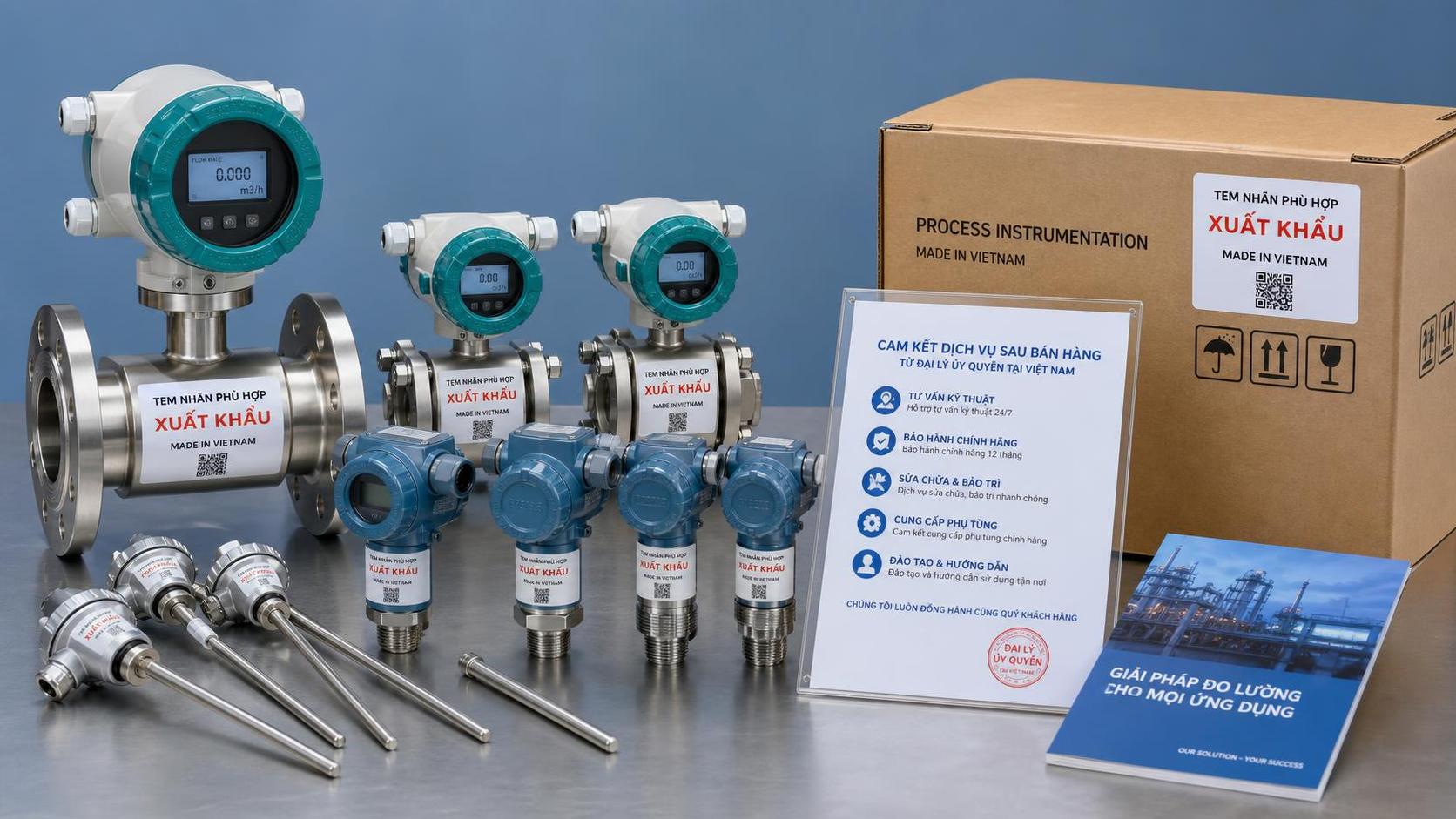
 Vietnam Rule Takes Effect Sept. 1: Imported Industrial Instruments Need Vietnamese Labels and Local After-Sales CommitmentVietnam’s Sept. 1 rule requires Vietnamese labels and local after-sales support for imported industrial instruments. See what HS 9026/9028 exporters and buyers must do now.
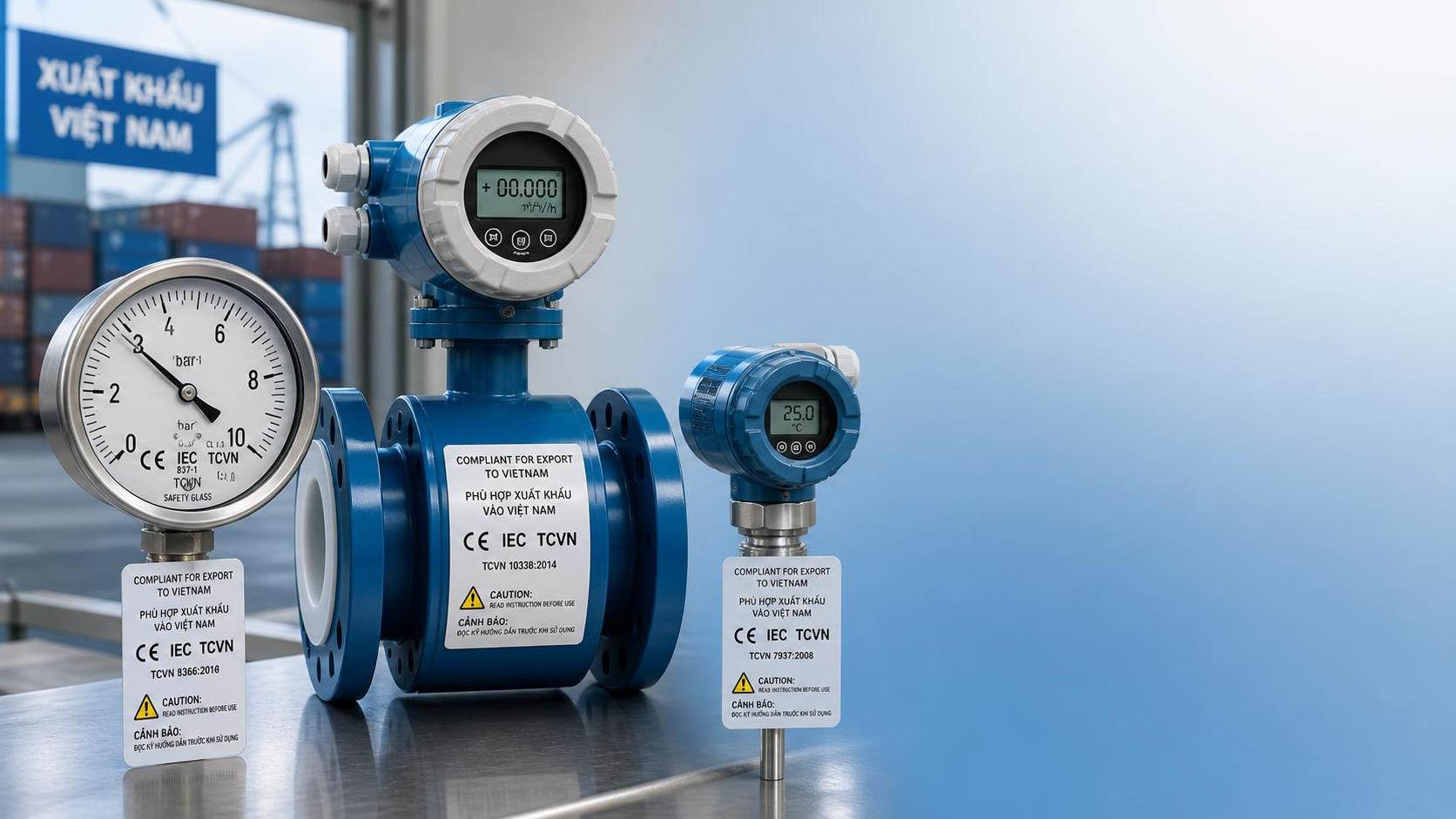
 Vietnam MOIT Rule Tightens Labeling for Imported Industrial InstrumentsVietnam MOIT Rule Tightens Labeling for Imported Industrial Instruments: learn how new Vietnamese label, CE/IEC/TCVN, and local service contact rules affect customs clearance and market access.
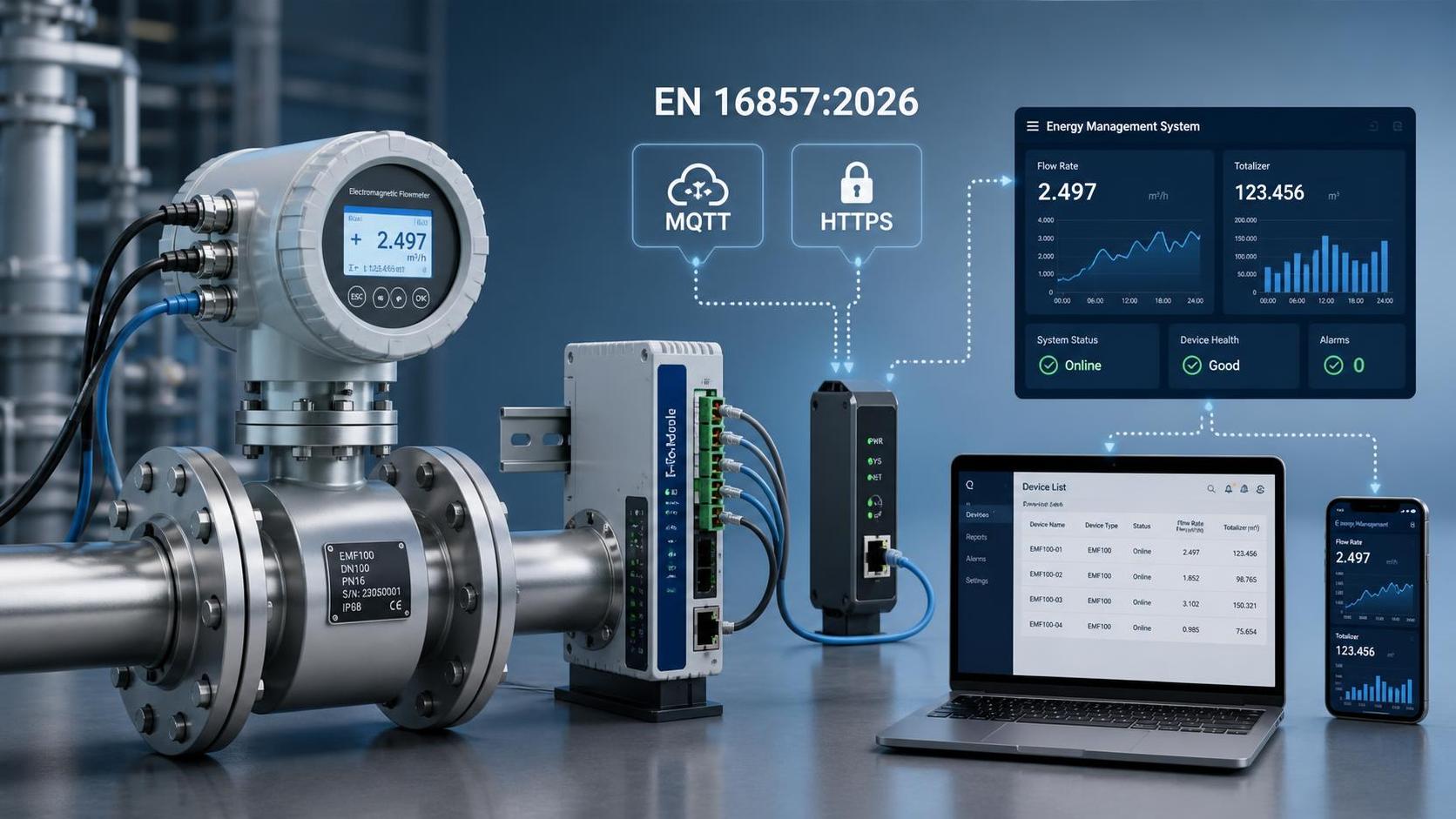
 EU Energy Rule Takes Effect: Flow Meters Need Data InterfacesEU energy rule now requires industrial flow meters with data interfaces. Learn how EN 16857:2026, MQTT/HTTPS, and updated compliance affect exports, customs, and buying decisions.
 EU Efficiency Rule Adds Data Interface Mandate for FlowmetersFlowmeters face a major EU compliance shift: from Sept. 1, 2026, new models must support MQTT or OPC UA and direct energy-data reporting. See how this rule impacts design, CE documents, and EU exports.
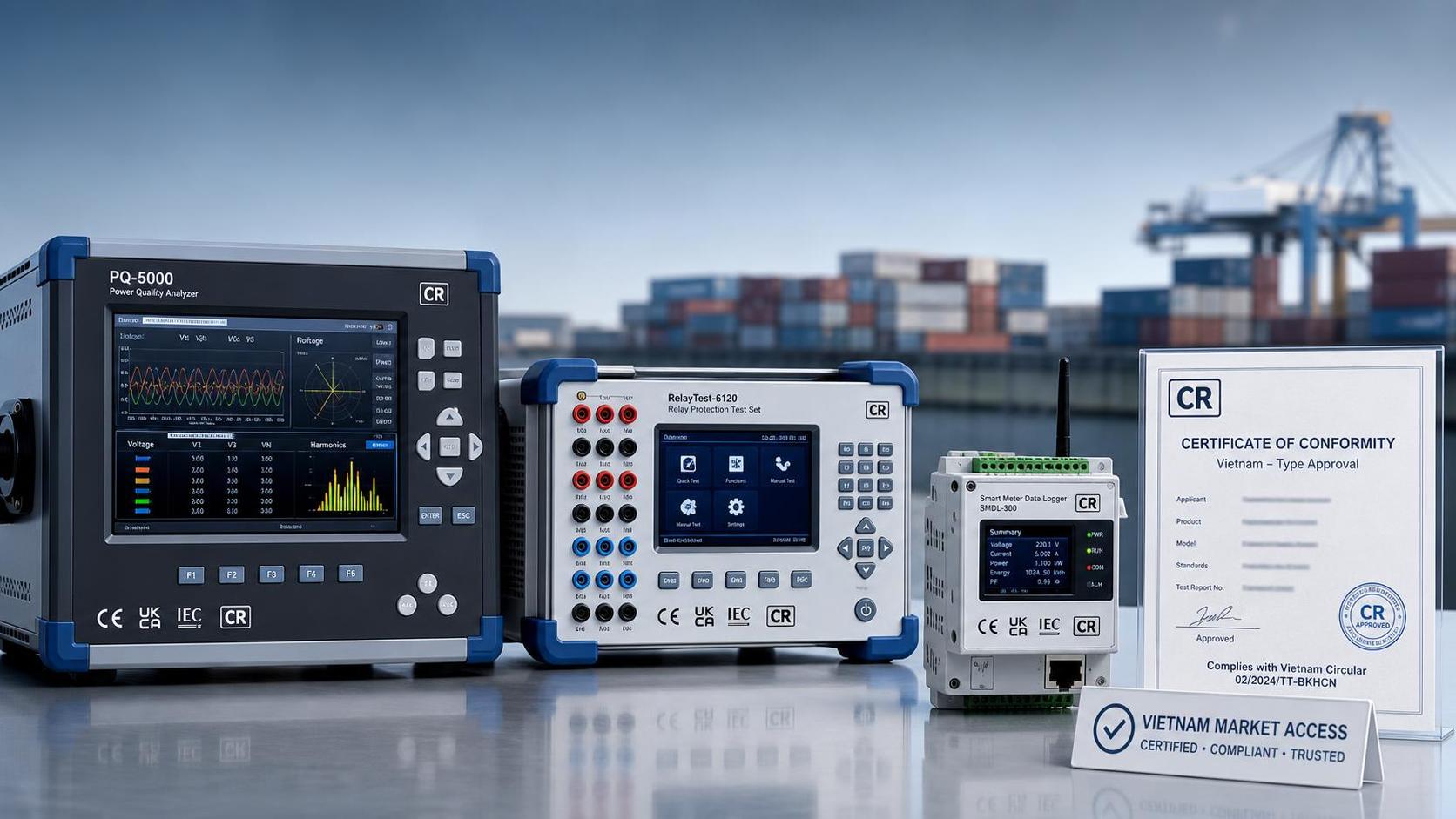
 Vietnam MOIT Makes QCVN 112:2026 MandatoryVietnam MOIT Makes QCVN 112:2026 Mandatory for imported power monitoring instruments from Sept 1, 2026. Learn certification, CR mark, and supply-chain impacts now.
 IEC 62053-22:2026 Mandates Secure OTA for Class 1 MetersIEC 62053-22:2026 mandates secure OTA for Class 1 meters, reshaping smart meter compliance, procurement, and market access. Learn what manufacturers and buyers must prepare now.


Chat Online