


On June 2, 2026, the U.S. trade authority released a new Section 301 tariff proposal that would add a 12.5% duty to imports from 46 economies, including mainland China, on the basis of an asserted forced-labor related policy standard. The proposal applies broadly across imported goods, while only a limited set of categories such as energy, rare earths, and certain medicines are listed for exemption. Instrumentation and measuring equipment are not included in that exempt group, making this development relevant not only to exporters and U.S. importers, but also to procurement teams, contract managers, compliance staff, and delivery planners that rely on cross-border supply continuity.
What the proposal currently says
Confirmed information shows that the new U.S. Section 301 proposal was announced on June 2, 2026. It would impose an additional 12.5% tariff on goods imported from 46 economies identified as not having implemented an effective prohibition standard in the relevant area. The scope is described as covering all imported goods, with only limited exemptions including energy, rare earths, and certain pharmaceuticals. Instrumentation products are not listed among the exemptions. The public comment period runs until July 7, and a final decision is expected in late July. The proposal is described as having direct implications for U.S. import purchasing costs and delivery timing.
Where the pressure is likely to appear first
For U.S. importers and purchasing teams
From an industry perspective, this proposal matters because the tariff issue is not limited to customs cost alone. If instrumentation products remain outside the exemption list, U.S. importers may need to review landed-cost assumptions, contract pricing language, and near-term purchasing schedules. What deserves closer attention is whether procurement decisions that were previously based on technical fit and lead time will now also be re-evaluated through a tariff and sourcing-risk lens.
For exporters shipping instrumentation products
Analysis shows that exporters may face more buyer questions around quotation validity, shipment timing, and documentation consistency. Even without a final measure yet in force, buyers may begin asking suppliers to clarify product classification, supply origin details, and delivery commitments in case the final decision changes the cost base before shipment or customs entry. For sellers, the commercial impact may therefore emerge first in negotiations and order confirmation rather than only at the border.
For manufacturers and delivery coordinators
Observably, manufacturers serving the U.S. market may need to pay closer attention to production-release timing, shipment windows, and backlog planning. Because the final decision is expected in late July, orders scheduled around that period may face added scrutiny from customers seeking to manage exposure to possible duty changes. The immediate issue is not only price, but also whether delivery promises, replenishment cycles, and project handover schedules remain workable under a moving trade-rule scenario.
For supply-chain and service partners
Logistics coordinators, distributors, and after-sales service providers may also be affected if customers delay orders, adjust shipment timing, or request split deliveries to manage uncertainty. From an industry perspective, the practical pressure point is coordination: customs treatment, purchasing sequence, and service readiness may all need to be aligned more tightly if clients wait for the final ruling before completing import decisions.
What companies should watch before the final ruling
Track the comment window and final wording
Analysis shows that companies should closely monitor the period leading up to July 7 and the final ruling expected in late July. At this stage, the most important issue is not to assume that the proposal is already a settled outcome. Businesses should instead watch for any change in scope, product treatment, or exemption language that could affect instrumentation products.
Review product exposure in contracts and quotations
What deserves closer attention is how current quotations, open orders, and framework agreements handle additional duty risk. For companies involved in instrumentation trade, it is practical to review whether pricing terms, delivery commitments, and change clauses can absorb a possible tariff adjustment if the measure is finalized in its proposed form.
Prepare documentation for trade and compliance review
Observably, this is also a moment to tighten internal document readiness. Companies may need to ensure that product descriptions, technical files, shipping records, and transaction documents are consistent across sales, logistics, and import processes. The event summary does not provide specific new filing requirements, so this should be understood as a precautionary compliance review rather than a confirmed new documentation rule.
Reassess procurement and delivery timing
From an industry perspective, firms with U.S.-bound orders should pay attention to purchasing and shipment timing around the expected late-July decision point. This does not mean execution outcomes are already fixed, but it does mean supply-chain teams may need scenario planning for cost changes, delayed customer confirmation, or revised shipment priorities.
Why this looks more like a policy signal than a settled outcome
Analysis shows that this development is better understood as an active rule-making signal rather than a fully settled trade outcome. The proposal is already specific enough to affect commercial behavior, especially because it sets out a broad product scope and leaves instrumentation outside the listed exemptions. At the same time, the existence of a public comment deadline and an expected final decision later in July means the market is still in a watch-and-verify stage. For industry participants, the key issue is not only whether the tariff is finalized, but also how the final text defines scope, implementation, and practical treatment for affected goods.
How the market may need to read this development now
From an industry perspective, the significance of this event lies in its direct connection to trade cost, procurement pacing, and delivery planning for products that are not exempted, including instrumentation. It is more appropriate to understand the development as a near-term regulatory and trade-risk variable that requires active monitoring, rather than as a completed market result. A measured response is therefore more useful than a dramatic one: companies should verify exposure, align internal documentation, and follow the final wording before drawing firm operational conclusions.
Basis of this article and what still needs verification
This article is generated based on the user-provided news title, event date, and event summary. For developments of this type, relevant source categories commonly include official notices, releases from trade or regulatory authorities, customs or trade administration information, industry association updates, standards-related documents, and reporting by established business media. No specific official source link was provided in the input, so the exact official publication path still requires follow-up verification. Observably, the areas that remain worth tracking include the final policy text, implementation wording, any change in exemption scope, procurement and tender document adjustments, market feedback, and how affected companies actually execute orders and deliveries after the final decision is issued.


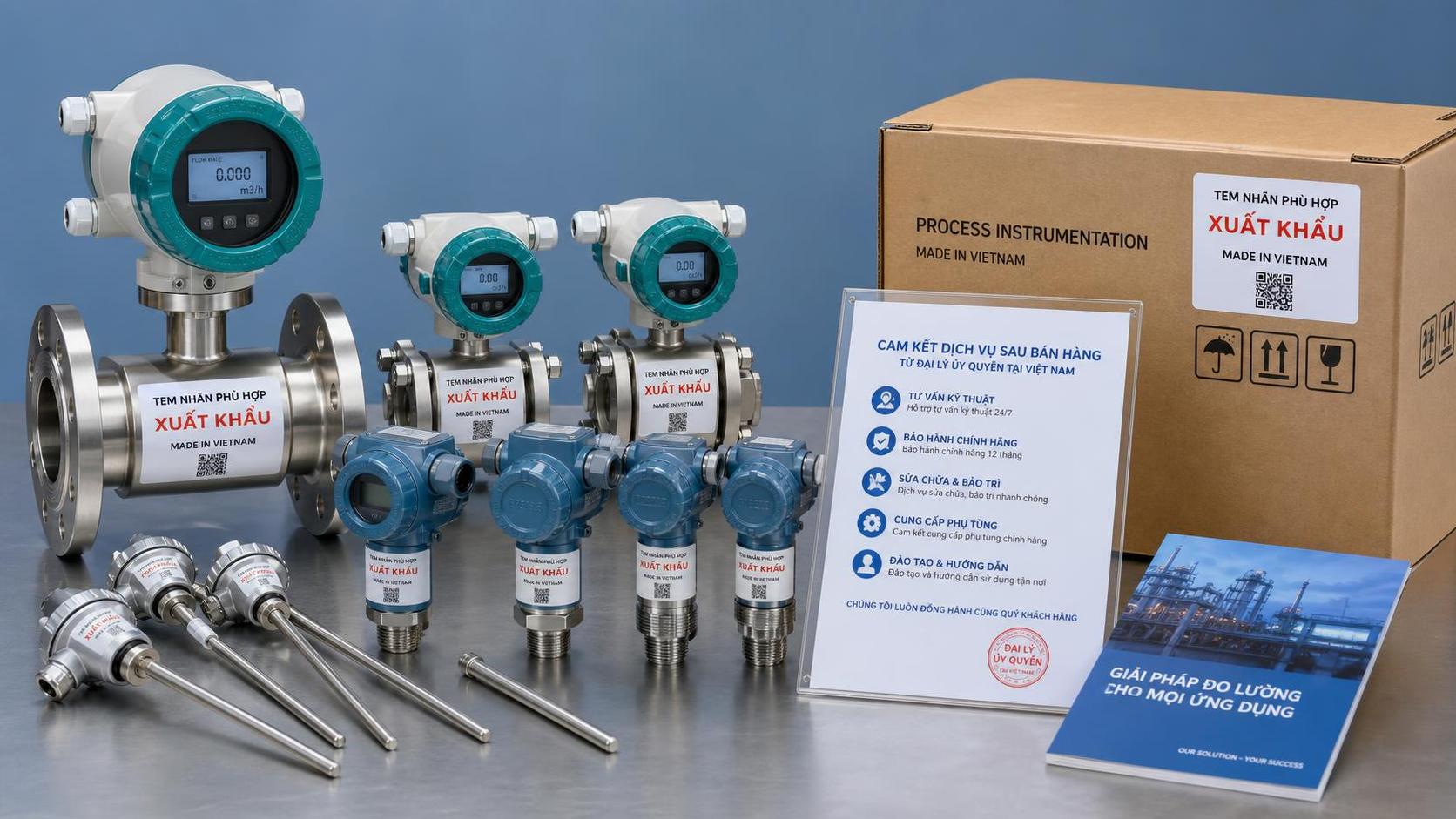
 Vietnam Rule Takes Effect Sept. 1: Imported Industrial Instruments Need Vietnamese Labels and Local After-Sales CommitmentVietnam’s Sept. 1 rule requires Vietnamese labels and local after-sales support for imported industrial instruments. See what HS 9026/9028 exporters and buyers must do now.
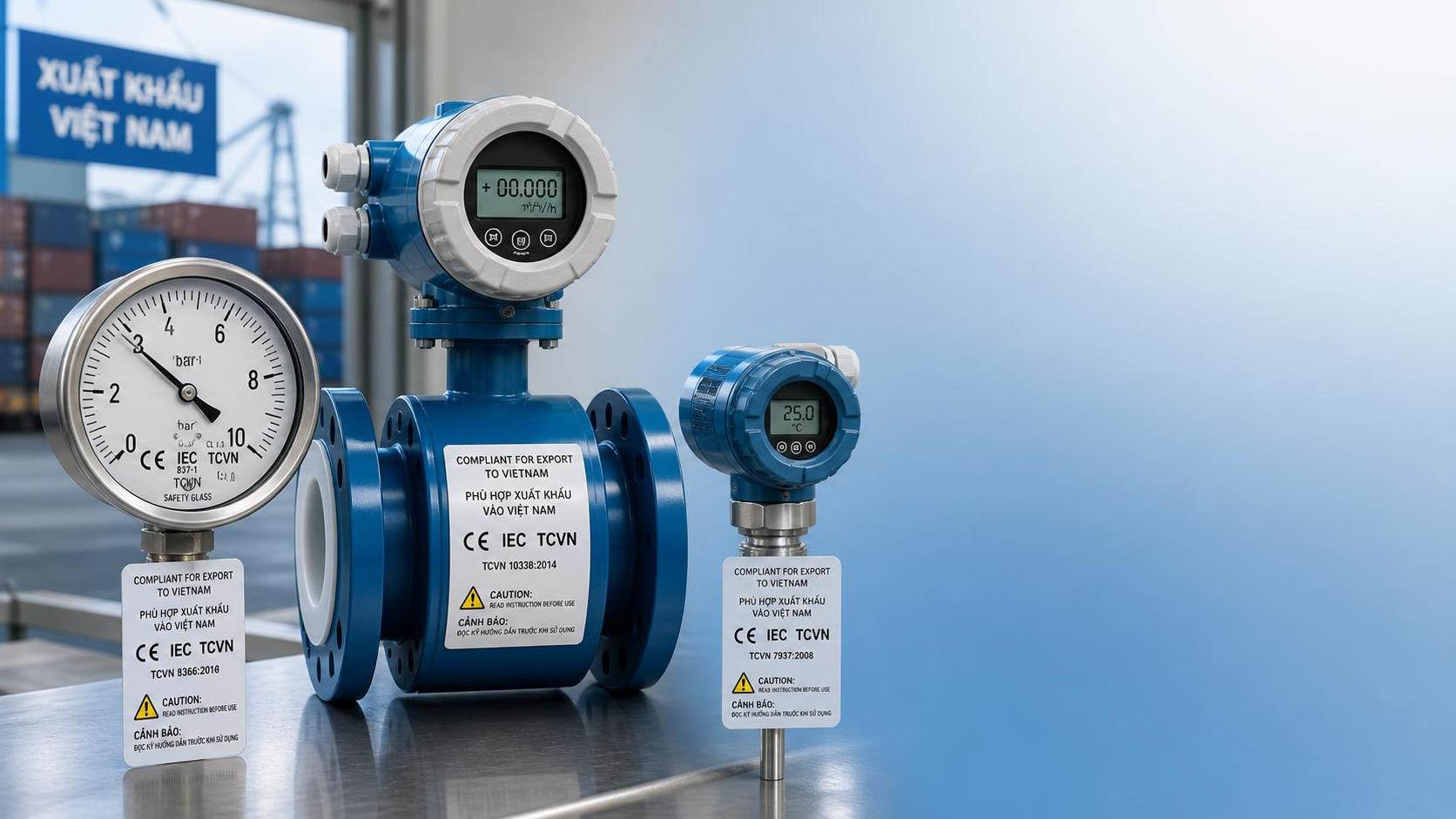
 Vietnam MOIT Rule Tightens Labeling for Imported Industrial InstrumentsVietnam MOIT Rule Tightens Labeling for Imported Industrial Instruments: learn how new Vietnamese label, CE/IEC/TCVN, and local service contact rules affect customs clearance and market access.
 EU Energy Rule Takes Effect: Flow Meters Need Data InterfacesEU energy rule now requires industrial flow meters with data interfaces. Learn how EN 16857:2026, MQTT/HTTPS, and updated compliance affect exports, customs, and buying decisions.
 EU Efficiency Rule Adds Data Interface Mandate for FlowmetersFlowmeters face a major EU compliance shift: from Sept. 1, 2026, new models must support MQTT or OPC UA and direct energy-data reporting. See how this rule impacts design, CE documents, and EU exports.
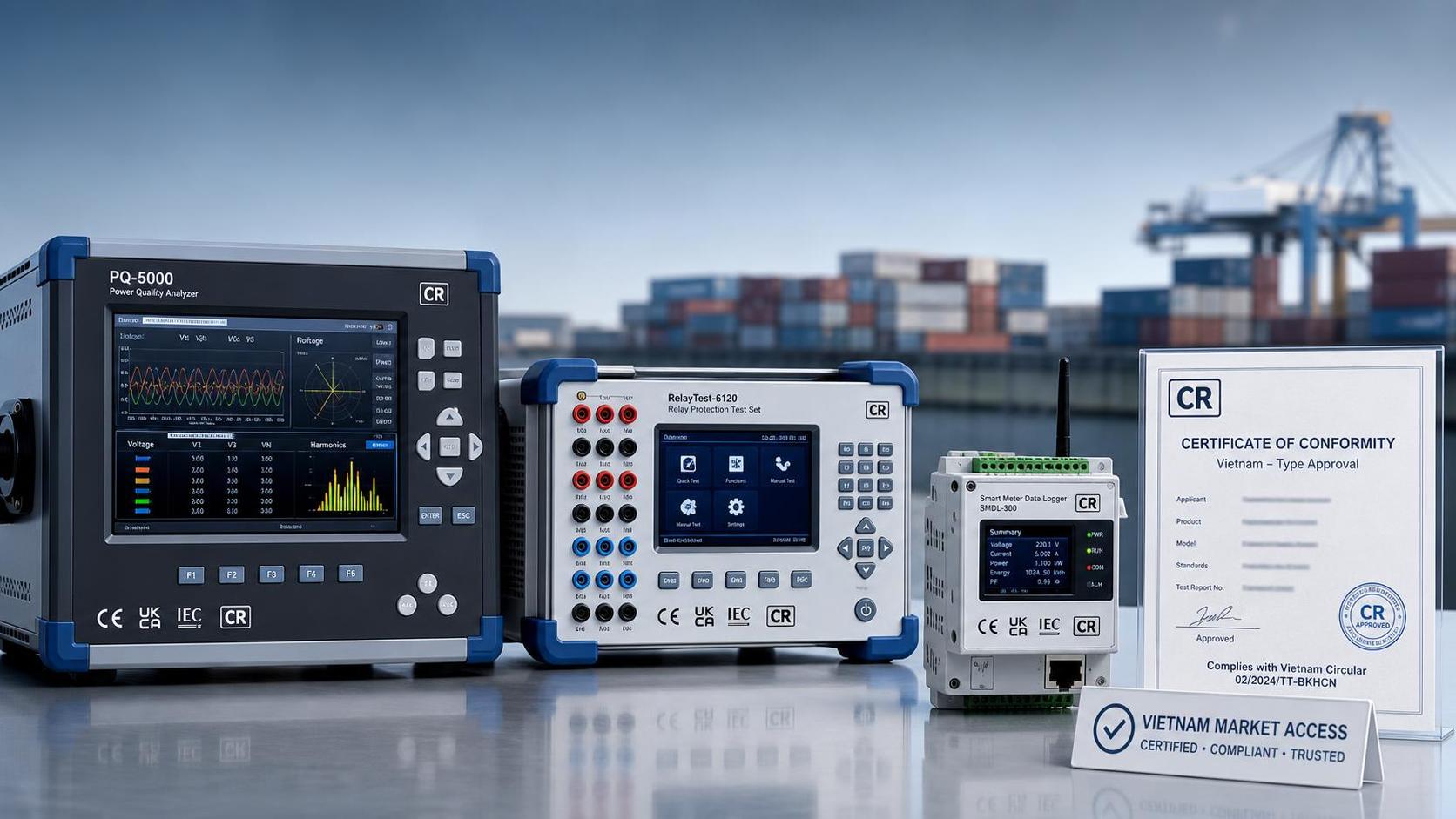
 Vietnam MOIT Makes QCVN 112:2026 MandatoryVietnam MOIT Makes QCVN 112:2026 Mandatory for imported power monitoring instruments from Sept 1, 2026. Learn certification, CR mark, and supply-chain impacts now.
 IEC 62053-22:2026 Mandates Secure OTA for Class 1 MetersIEC 62053-22:2026 mandates secure OTA for Class 1 meters, reshaping smart meter compliance, procurement, and market access. Learn what manufacturers and buyers must prepare now.



Chat Online