


On July 31, 2026, the U.S. Department of Energy released a final smart grid interoperability rule that will require certain imported grid devices entering the U.S. market from January 1, 2027 to natively support the two-way communication and real-time data synchronization functions defined in IEEE 1547-2026. For suppliers serving North America, especially exporters of power quality analyzers, smart metering terminals, and edge gateway products, this is not just a technical specification update. It directly affects product eligibility for certification, utility procurement access, and shipment readiness.
What the new rule explicitly requires
According to the provided information, the DOE issued the Smart Grid Interoperability Final Rule on July 31, 2026. The rule applies to smart meters, grid monitoring instruments, and distribution automation terminals imported after January 1, 2027. These products must natively support the bidirectional communication and real-time data synchronization capabilities defined in IEEE 1547-2026.
The information provided also states that the rule will affect Chinese products exported to the North American market, including power quality analyzers, smart metering terminals, and edge gateway devices. Products that do not come with compatible firmware pre-installed, or that have not passed the joint UL 61000-6-4:2026 and IEEE 1547 certification, will be unable to obtain an FCC ID and the NIST interoperability mark, and will therefore lose eligibility for utility procurement.
Where the impact is likely to be felt first
Export-oriented device makers face an immediate compliance threshold
From an industry perspective, manufacturers shipping smart meters, monitoring instruments, and automation endpoints into North America are the first group exposed to the rule. The impact is concentrated in product design, firmware readiness, certification preparation, and market entry documentation. What deserves closer attention is that non-compliance, based on the provided information, is tied not only to technical mismatch but also to the loss of procurement access.
Certification and market access functions become a practical bottleneck
For teams responsible for regulatory approval and commercial rollout, the rule changes the order of operational priorities. Analysis shows that compatibility with IEEE 1547-2026 and the required joint certification are no longer peripheral technical matters; they become conditions linked to FCC ID acquisition and NIST interoperability marking. That places certification planning, test scheduling, and evidence preparation closer to the center of the sales cycle.
Utility-facing suppliers may need to reassess delivery commitments
Suppliers serving utility procurement channels are also likely to feel pressure in contract execution and customer communication. Observably, if a product does not arrive with compliant firmware or lacks the required certification status, the issue reaches beyond engineering and into bid eligibility, delivery timing, and account management. For companies already committed to North American utility customers, this is likely to affect how they present product readiness and shipment schedules.
What companies should watch now
Check whether current product definitions match the rule's scope
Companies should first identify whether their smart meters, grid monitoring instruments, distribution automation terminals, power quality analyzers, smart metering devices, or edge gateways fall within the affected product range described in the provided information. This is a practical screening step, especially for firms with multiple variants for different export markets.
Separate firmware compatibility from general hardware compliance
What deserves closer attention is the rule's emphasis on native support and pre-installed compatible firmware. In practical terms, companies should distinguish between products that can claim formal readiness at shipment and those that only have upgrade paths under discussion. That distinction matters because the provided information links eligibility to installed compatibility rather than to a future update possibility.
Prepare certification materials around the combined requirement
Analysis shows that companies should treat UL 61000-6-4:2026 and IEEE 1547 certification as a linked market-access issue rather than as separate internal workstreams. Product, compliance, and export teams may need to align technical files, test evidence, and customer-facing documentation so that certification status can be communicated clearly before procurement decisions are made.
Review customer communication and shipment timing for North America
For sales, delivery, and channel teams, the key operational question is whether products scheduled for import after January 1, 2027 can be represented as compliant under the rule described in the provided information. This makes shipment timing, specification confirmation, and procurement dialogue especially important for suppliers serving utilities or utility-linked projects.
Why this reads as more than a routine standards update
Analysis shows that this development is better understood as a market access signal rather than a narrow standards adjustment. The provided information connects protocol support, firmware status, certification outcome, and procurement eligibility in a direct chain. That means the rule does not sit only in the engineering domain; it also reaches procurement qualification and commercial execution.
At the same time, it is more appropriate to understand this as an implemented compliance requirement with continuing follow-up implications, not as a fully closed industry outcome. The rule date and the import deadline are clear in the provided information, but how companies adapt product portfolios, certification workflows, and customer commitments remains something the industry will need to keep watching.
How to read the signal at this stage
At this stage, the most grounded conclusion is that the DOE action creates a defined compliance threshold for certain grid-connected and grid-facing imported devices entering the U.S. market from 2027. For affected suppliers, especially those exporting to North America, the issue is less about abstract interoperability language and more about whether products can still move through certification and utility procurement channels without disruption. It is more appropriate to understand this as a concrete near-term business requirement and a longer-term signal that interoperability readiness is becoming a harder condition of market participation.
Basis of this article
This article is based on the user-provided news title, event date, and event summary regarding the DOE's July 31, 2026 smart grid interoperability rule and its stated implications for IEEE 1547-2026 support, joint certification, FCC ID access, NIST interoperability marking, and utility procurement eligibility. For this type of development, common source categories would usually include official government releases, corporate compliance notices, industry association updates, authoritative media coverage, and standards organization documents. A specific official source link was not provided in the input, so the exact original publication path still requires ongoing verification. Follow-up attention should remain on any later official clarifications, certification interpretations, and implementation details that may affect product scope or execution timing.


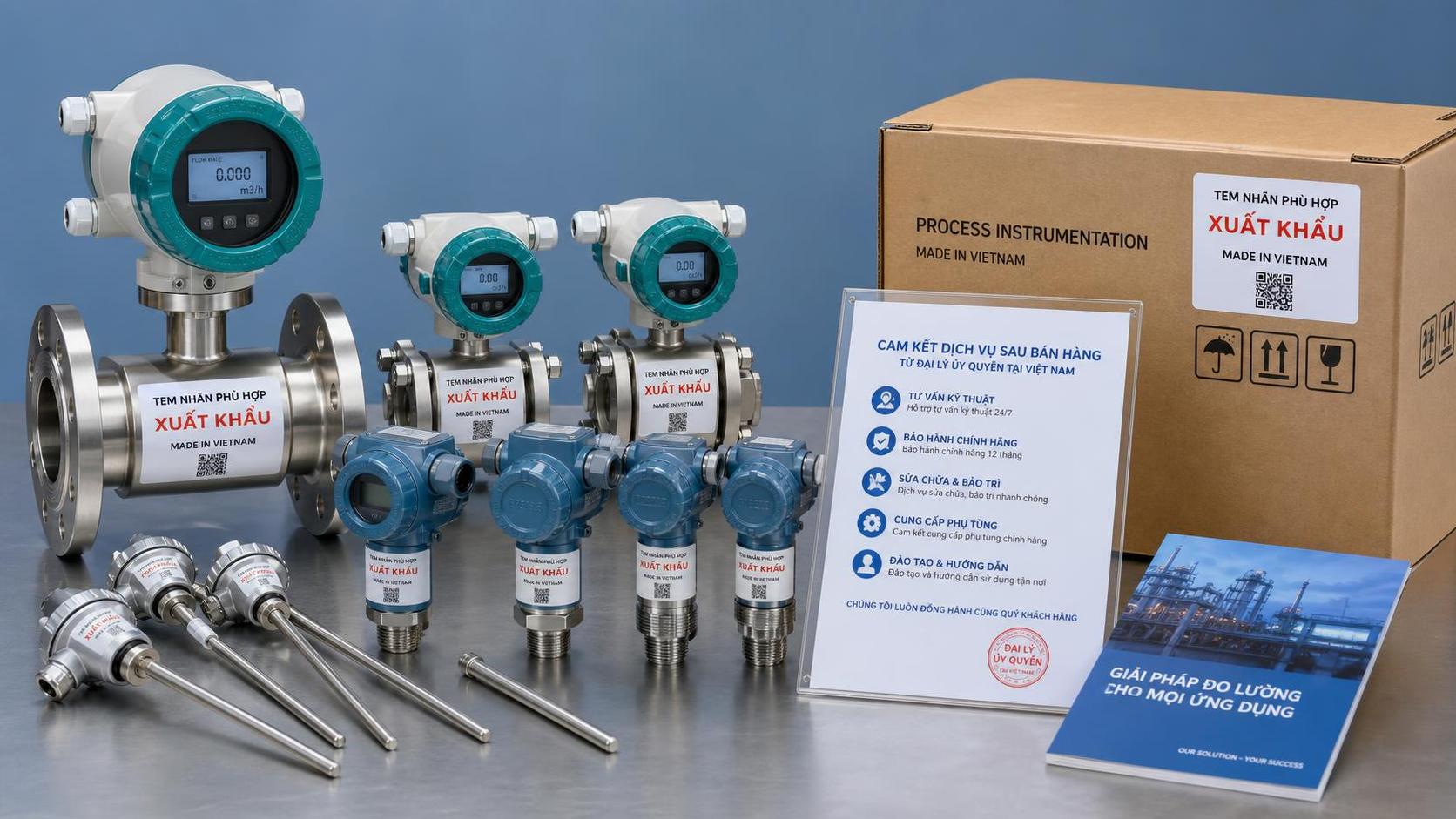
 Vietnam Rule Takes Effect Sept. 1: Imported Industrial Instruments Need Vietnamese Labels and Local After-Sales CommitmentVietnam’s Sept. 1 rule requires Vietnamese labels and local after-sales support for imported industrial instruments. See what HS 9026/9028 exporters and buyers must do now.
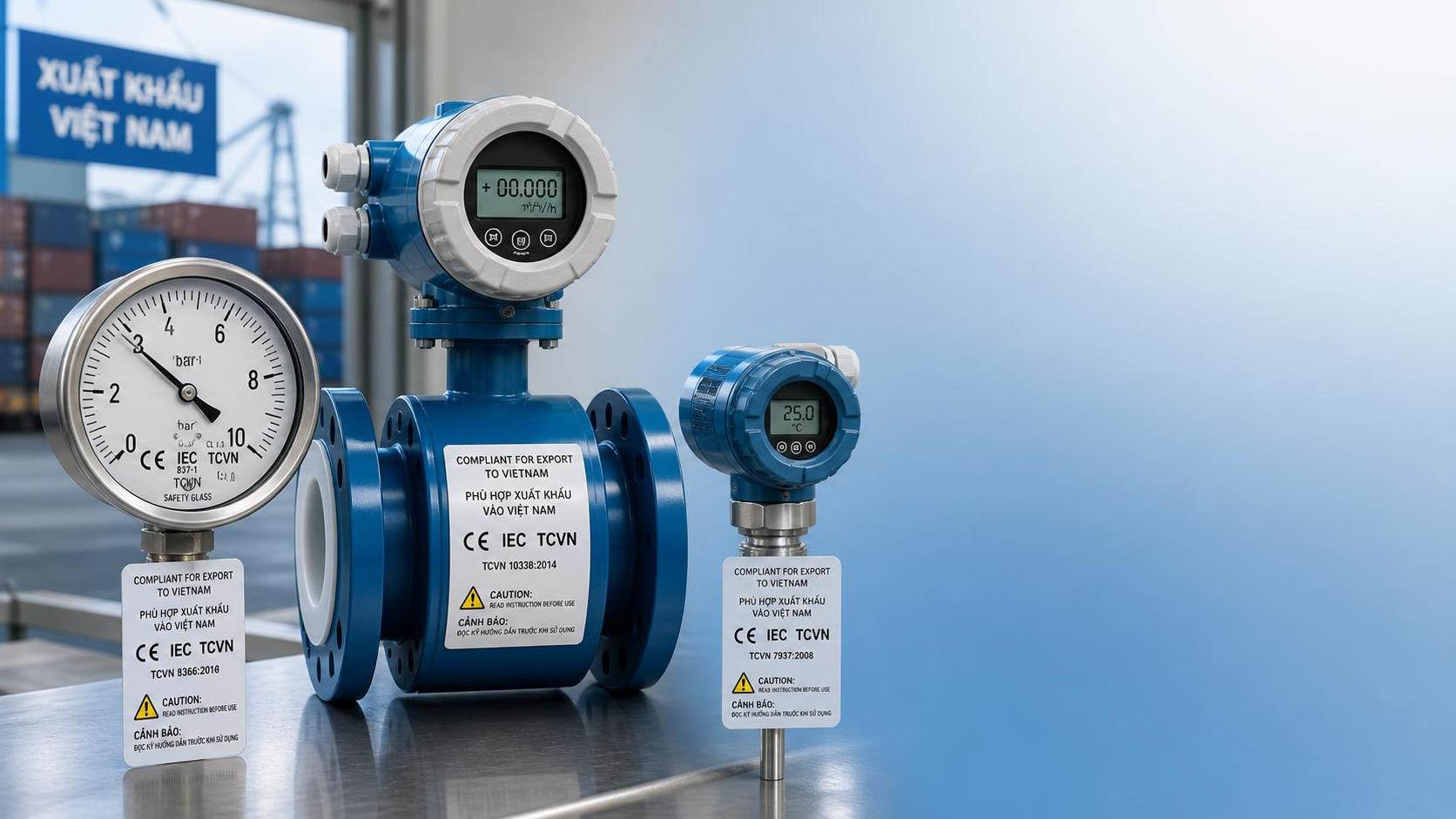
 Vietnam MOIT Rule Tightens Labeling for Imported Industrial InstrumentsVietnam MOIT Rule Tightens Labeling for Imported Industrial Instruments: learn how new Vietnamese label, CE/IEC/TCVN, and local service contact rules affect customs clearance and market access.
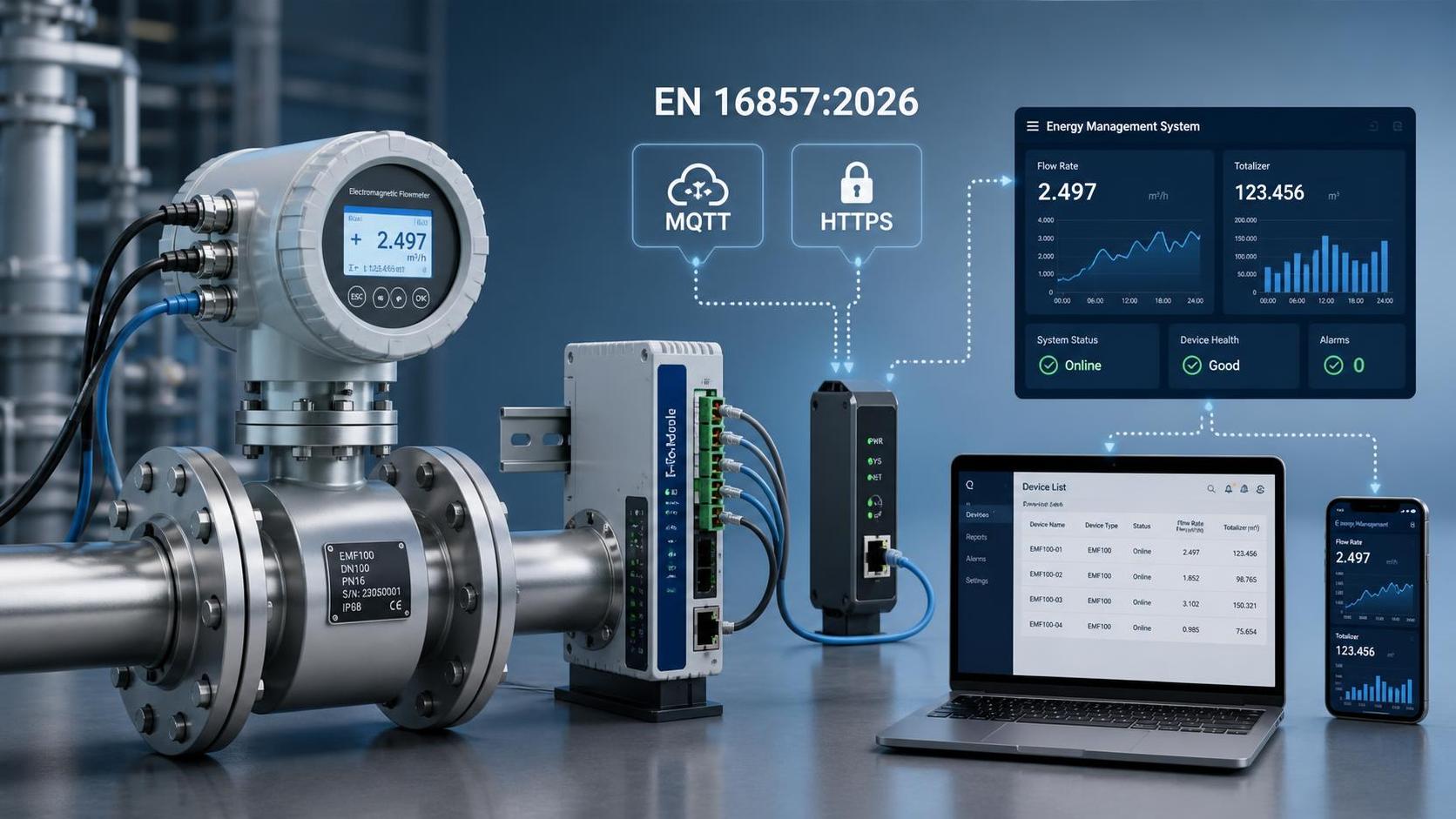
 EU Energy Rule Takes Effect: Flow Meters Need Data InterfacesEU energy rule now requires industrial flow meters with data interfaces. Learn how EN 16857:2026, MQTT/HTTPS, and updated compliance affect exports, customs, and buying decisions.
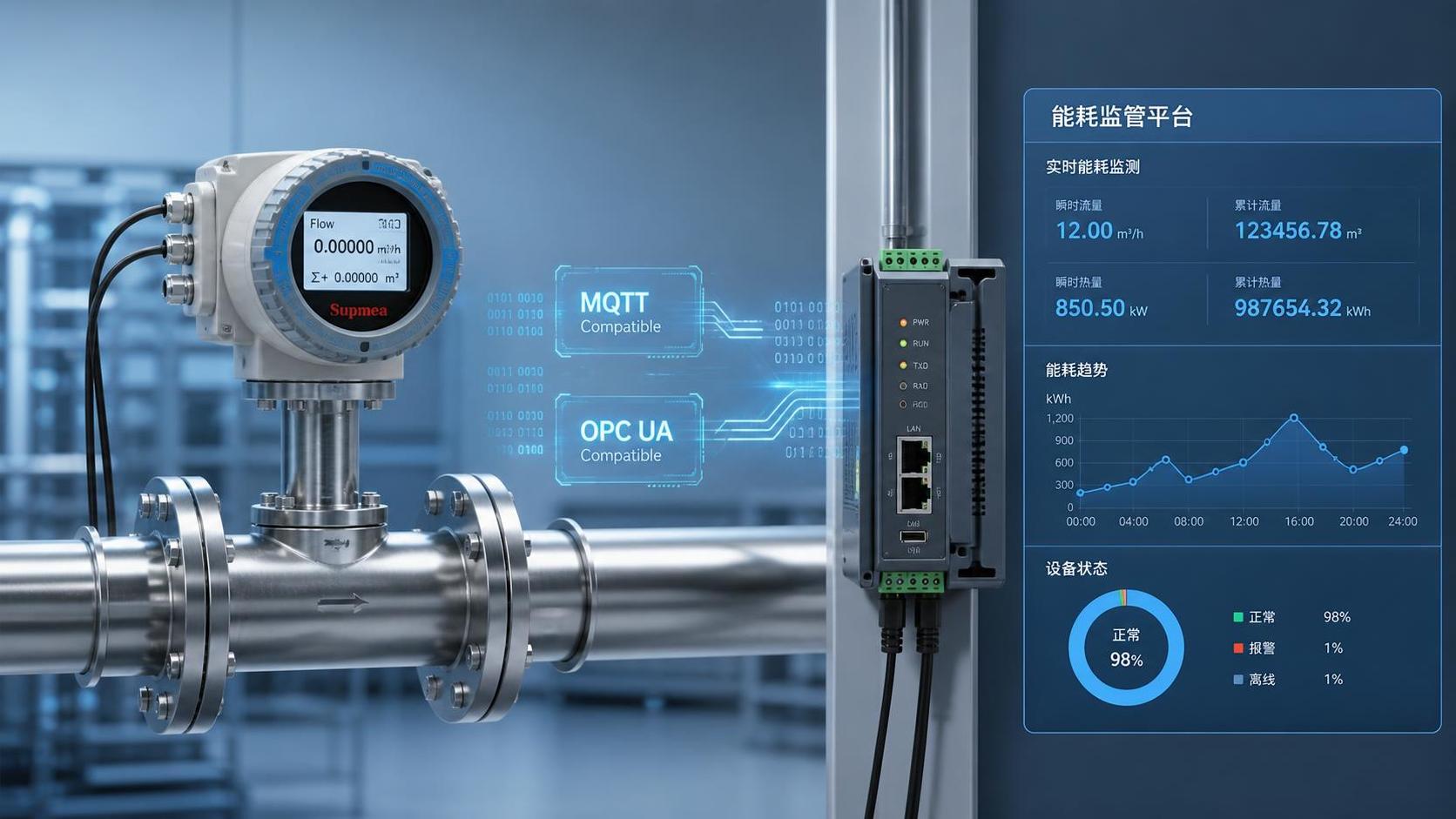
 EU Efficiency Rule Adds Data Interface Mandate for FlowmetersFlowmeters face a major EU compliance shift: from Sept. 1, 2026, new models must support MQTT or OPC UA and direct energy-data reporting. See how this rule impacts design, CE documents, and EU exports.
 Vietnam MOIT Makes QCVN 112:2026 MandatoryVietnam MOIT Makes QCVN 112:2026 Mandatory for imported power monitoring instruments from Sept 1, 2026. Learn certification, CR mark, and supply-chain impacts now.
 IEC 62053-22:2026 Mandates Secure OTA for Class 1 MetersIEC 62053-22:2026 mandates secure OTA for Class 1 meters, reshaping smart meter compliance, procurement, and market access. Learn what manufacturers and buyers must prepare now.
Chat Online