


On June 9, 2026, Morocco’s standardization body IMANOR and Witness Certification & Testing signed a mutual recognition memorandum that gives priority acceptance to test reports issued by Chinese laboratories holding both CMA and CNAS qualifications for selected products meeting international standards such as IEC 62053 and ISO 7027. For companies involved in smart meters, online water quality analyzers, pressure transmitters, import clearance, certification preparation, and cross-border delivery, the development is worth attention because it points to a practical change in how conformity evidence may be handled in pilot customs scenarios from the third quarter of 2026.
What the memorandum confirms
The confirmed facts are limited but clear. The memorandum was signed on June 9, 2026 between IMANOR and Witness Certification & Testing. It states that for products including smart meters, online water quality analyzers, and pressure transmitters, test reports from Chinese laboratories with both CMA and CNAS qualifications will be given priority acceptance, provided the products comply with international standards including IEC 62053 and ISO 7027. Under the arrangement described in the summary, duplicate testing is waived. The mechanism is scheduled to begin pilot operation in the third quarter of 2026, and the first phase covers import customs clearance scenarios in the Casablanca and Rabat free trade zones.
Where the practical impact may emerge first
Export shipments tied to customs clearance timing
From an industry perspective, exporters and direct trading companies are among the first groups likely to feel the effect because the pilot is linked to import clearance scenarios in two free trade zones. The main business impact may appear in document preparation, pre-shipment compliance planning, and coordination of test reports with shipment schedules. What deserves closer attention is whether the submitted reports clearly correspond to the applicable international standards and whether the laboratory credentials are complete and current.
Manufacturers aligning product files with recognized standards
For manufacturers of smart meters, online water quality analyzers, and pressure transmitters, the change matters less as a general policy signal and more as a technical documentation issue. Analysis shows that product files, test items, and standard references may need to be organized more carefully if firms want to benefit from priority acceptance of Chinese test reports. The relevant pressure point is not only testing itself, but also whether technical dossiers, model descriptions, and supporting compliance materials are consistent with the standards cited in the memorandum.
Certification and testing service providers in the documentation chain
Certification-related companies and testing institutions may also be affected because the memorandum directly references report recognition conditions. Observably, the business focus may shift toward report validity, laboratory qualification status, and the match between test scope and the product being declared for import. These parties will need to watch how customs-facing documentation is reviewed during the pilot stage, especially where duplicate testing had previously been built into the process.
Procurement and delivery teams managing lead-time assumptions
For procurement teams, project suppliers, and supply chain service providers, the potential impact lies in delivery planning rather than in a guaranteed reduction of all compliance steps. It is more appropriate to understand this as a possible change in the conformity evidence path for covered products within defined pilot scenarios. That means teams should pay attention to purchase specifications, bid documents, delivery commitments, and whether contract assumptions still reflect repeat-testing requirements that the pilot may partially remove.
What companies should watch before the pilot starts
Check whether reports truly fit the covered standards
Companies should first review whether existing or planned test reports are actually based on the relevant international standards cited in the memorandum, including IEC 62053 and ISO 7027 where applicable. If a report is technically valid but framed against a different standard set, its practical usefulness under the pilot may be more limited.
Verify the laboratory qualification trail
The memorandum refers specifically to Chinese laboratories with both CMA and CNAS qualifications. Analysis shows that firms should prepare a clear qualification trail in their document packages, rather than assuming that any domestic test report will be treated the same way. This is especially relevant for exporters and certification coordinators working across multiple suppliers or subcontracted laboratories.
Track pilot-stage execution language closely
Because the mechanism is scheduled for pilot operation from the third quarter of 2026, companies should avoid treating the memorandum as a fully uniform, market-wide execution rule at this stage. What deserves closer attention is the exact operational wording used in later notices, customs practices, and transaction documents connected to the Casablanca and Rabat free trade zones.
Revisit delivery and tender documentation
For ongoing bids, framework contracts, or shipment plans involving the covered products, firms may want to review whether technical appendices, compliance schedules, and delivery timelines still assume duplicate testing. Observably, even a limited waiver mechanism can affect how companies allocate time for pre-export testing, customs preparation, and downstream handover.
Why this looks more like an execution signal than a finished rulebook
Analysis shows that the most important feature of this development is not simply the signing of a memorandum, but the fact that it links report recognition to specific standards, specific laboratory qualifications, and a defined pilot customs setting. At the same time, it is more appropriate to understand this as an execution signal with clear commercial relevance rather than as a fully settled end-state for all covered products and all import situations. The presence of a pilot timeline and limited first-phase coverage means the market still needs to observe how consistently the mechanism is applied in practice.
How to read this development at the current stage
A balanced reading is that the memorandum points to a narrower but meaningful shift in conformity assessment handling for certain industrial and utility-related products. It does not by itself prove a universal simplification across all transactions, but it does indicate that duplicated testing may become less central in the specified pilot scenarios when the required standards and laboratory qualifications are met. At the current stage, this is best understood as a rule-implementation development that merits close operational follow-up rather than as a final and comprehensive change across the entire market.
Basis of this article and points that still require verification
This article is generated from the user-provided news title, event date, and event summary. For developments of this type, relevant source categories usually include official notices, statements from regulatory or standardization bodies, customs or trade authority releases, industry association updates, standard organization documents, and reporting by authoritative media. No specific official source link was provided in the input, so the official publication path and later implementing details still need to be verified on an ongoing basis. Continued attention should be given to any follow-up policy detail, certification interpretation, tender document changes, market feedback, and actual company-level execution during the pilot period.


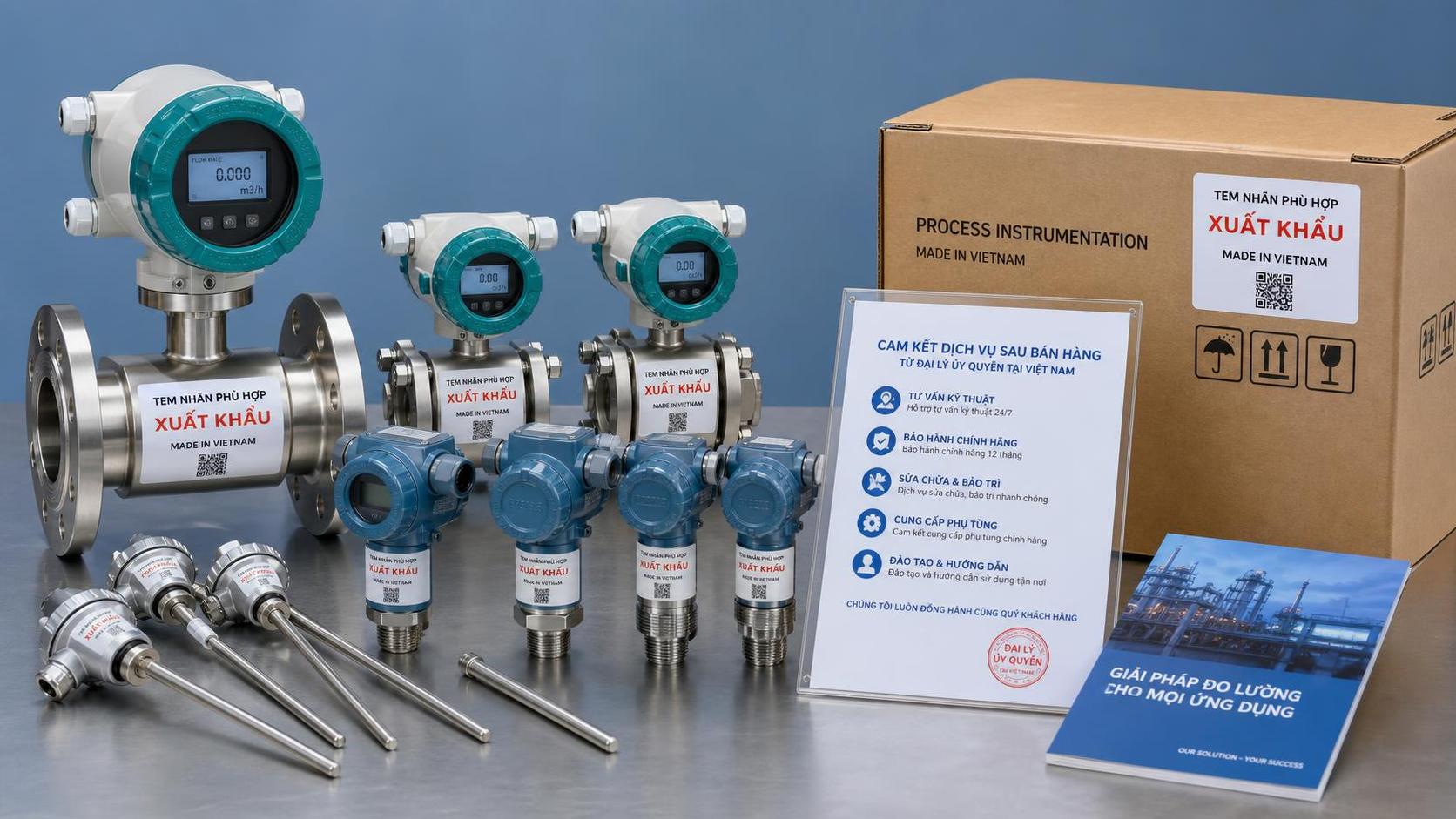
 Vietnam Rule Takes Effect Sept. 1: Imported Industrial Instruments Need Vietnamese Labels and Local After-Sales CommitmentVietnam’s Sept. 1 rule requires Vietnamese labels and local after-sales support for imported industrial instruments. See what HS 9026/9028 exporters and buyers must do now.
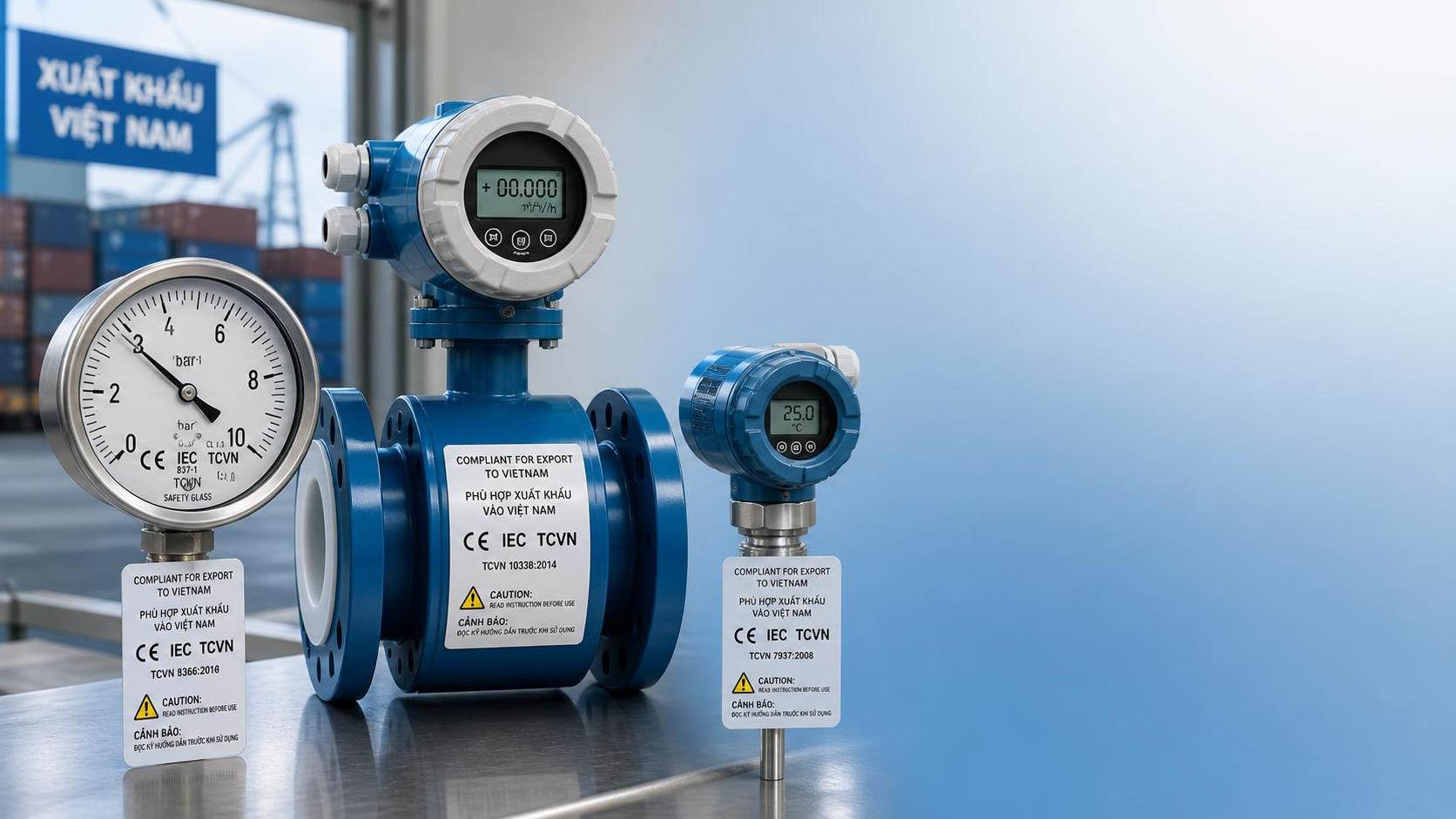
 Vietnam MOIT Rule Tightens Labeling for Imported Industrial InstrumentsVietnam MOIT Rule Tightens Labeling for Imported Industrial Instruments: learn how new Vietnamese label, CE/IEC/TCVN, and local service contact rules affect customs clearance and market access.
 EU Energy Rule Takes Effect: Flow Meters Need Data InterfacesEU energy rule now requires industrial flow meters with data interfaces. Learn how EN 16857:2026, MQTT/HTTPS, and updated compliance affect exports, customs, and buying decisions.
 EU Efficiency Rule Adds Data Interface Mandate for FlowmetersFlowmeters face a major EU compliance shift: from Sept. 1, 2026, new models must support MQTT or OPC UA and direct energy-data reporting. See how this rule impacts design, CE documents, and EU exports.
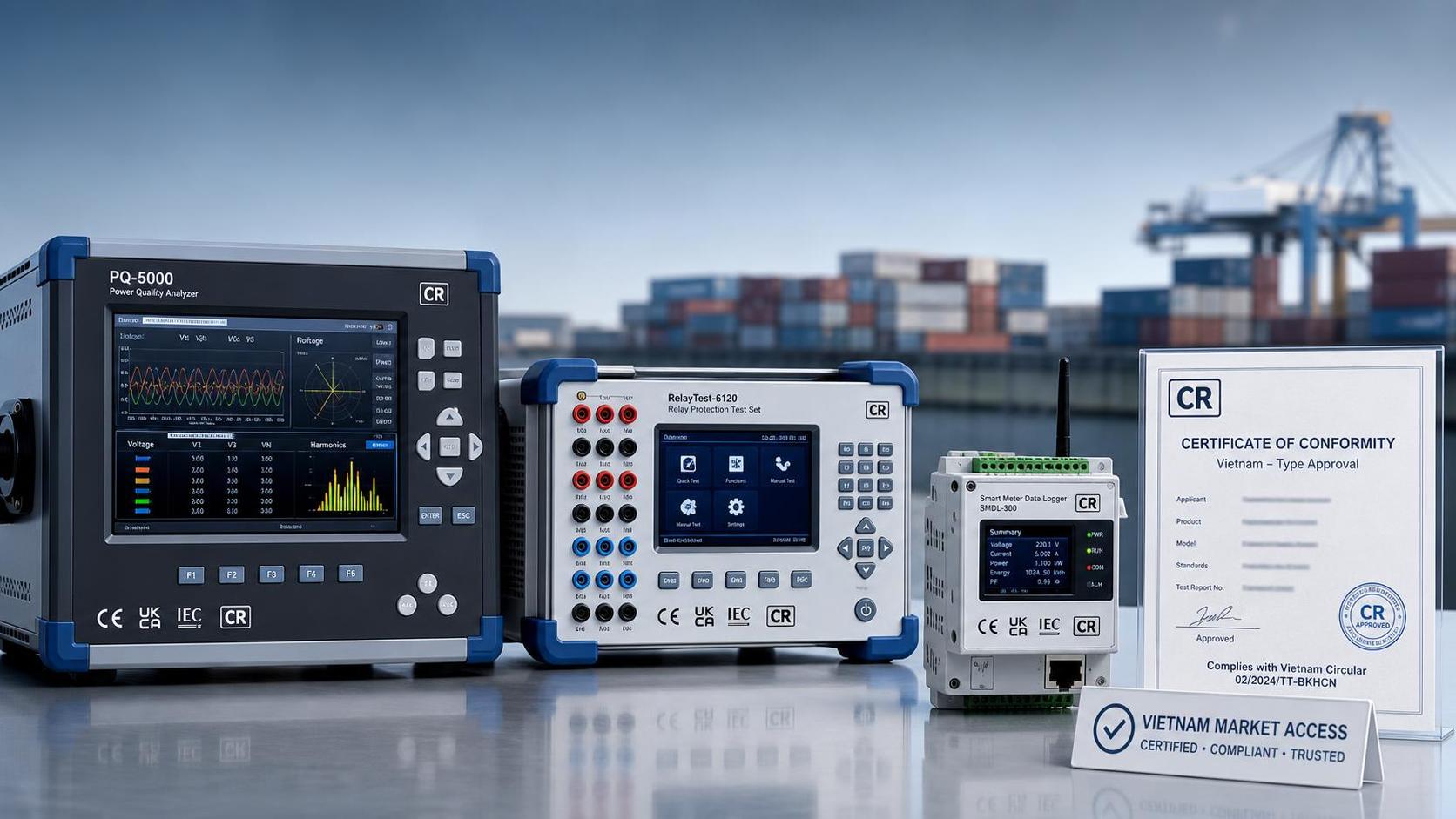
 Vietnam MOIT Makes QCVN 112:2026 MandatoryVietnam MOIT Makes QCVN 112:2026 Mandatory for imported power monitoring instruments from Sept 1, 2026. Learn certification, CR mark, and supply-chain impacts now.
 IEC 62053-22:2026 Mandates Secure OTA for Class 1 MetersIEC 62053-22:2026 mandates secure OTA for Class 1 meters, reshaping smart meter compliance, procurement, and market access. Learn what manufacturers and buyers must prepare now.


Chat Online