


Saudi Arabia’s import compliance process for electric power instruments entered a stricter phase on October 1, 2026. The immediate change is that imported electricity meters, multifunction power monitoring terminals, and other Electric Power instruments now need two specific items uploaded in SABER: a type test report to IEC 62053-21:2025 issued by a SASO-recognized laboratory, and a Local Authorized Representative certificate registered with the Saudi Ministry of Commerce. For manufacturers, exporters, importers, and compliance service providers, this is worth close attention because the requirement is directly tied to whether a CoC can be issued for customs clearance.
What the new SABER requirement formally changes
According to the provided information, SASO launched the SABER 3.0 import permit system on August 3, 2026. From October 1, 2026, all imported Electric Power category instruments, including electricity meters and multifunction power monitoring terminals, must submit a type test report to IEC 62053-21:2025 through the SABER platform. The report must be issued by a laboratory recognized by SASO.
The same products must also be linked in the system to a Local Authorized Representative certificate registered with the Saudi Ministry of Commerce. If these conditions are not met, the CoC required for customs clearance cannot be generated.
Where the operational impact is likely to appear first
Export and trading companies face a document-gating issue
From an industry perspective, exporters and trading companies are likely to feel the change first because the new rule sits at the point where shipment documentation meets import approval. The practical impact is not only product qualification, but whether the required report and LAR certificate are correctly prepared and bound inside SABER before clearance steps move forward.
Manufacturers need to check test-report readiness against the named standard version
Analysis shows that manufacturers supplying the Saudi market should focus on whether their current compliance files align with IEC 62053-21:2025 as explicitly required in the new process. The issue here is not a general quality claim, but whether the exact report version accepted by the platform is already available from a SASO-recognized laboratory.
Import-side representatives and service providers become a key execution point
Observably, the requirement to bind a locally registered LAR certificate makes local representation a direct compliance step rather than a peripheral administrative detail. Importers, local representatives, and compliance service providers may therefore need closer coordination on certificate validity, registration status, and platform matching before cargo reaches the clearance stage.
Buyers and downstream project operators may need to watch delivery timing
For procurement teams and end users purchasing these instruments, the immediate concern is less about the text of the rule itself and more about the continuity of supply. If upstream parties are missing either the type test report or the LAR certificate linkage, the clearance process may stop at the CoC stage, which can affect delivery scheduling and transaction planning.
What companies should review now
Confirm product scope and filing category
Companies dealing in electricity meters, multifunction power monitoring terminals, and other Electric Power instruments should first review whether their products fall within the affected import scope described in the new requirement. That review matters because the filing route in SABER is now directly connected to clearance eligibility.
Check the report source and standard edition
What deserves closer attention is whether the type test report on hand was issued by a SASO-recognized laboratory and whether it corresponds to IEC 62053-21:2025, which is the edition named in the provided information. In practice, this is a document-verification issue, not a broad compliance assumption.
Review local representative arrangements before shipment milestones
Companies relying on distributors, importers, or third-party representatives in Saudi Arabia should review whether the LAR certificate has been registered with the Saudi Ministry of Commerce and whether that registration can be correctly linked in SABER. The timing of this step matters because a missing or unmatched local authorization record may surface only when the CoC is needed.
Prepare customer and supply-chain communication around clearance risk
Analysis shows that firms with ongoing shipments or near-term sales plans may need to align internal teams and customers on documentation readiness. The most practical focus is on reducing surprises at the CoC stage by checking test files, representative records, and platform submission status before goods move too far into the delivery cycle.
Why this looks like more than a simple platform update
Observably, this development can be read as more than a routine system migration because the platform requirement is tied to two concrete compliance anchors: a specified standard report and a locally registered representative certificate. That does not by itself prove a broader regulatory shift beyond the facts provided, but it does indicate that market access for the affected product group is being managed through more explicit documentation controls inside the import workflow.
It is more appropriate to understand this as an implemented operational change with wider compliance implications, rather than as a distant policy signal. At the same time, the fuller impact still depends on how consistently the requirement is applied across filings and how market participants adapt their documentation processes in practice.
How this update should be read at this stage
At this stage, the most grounded reading is that Saudi import compliance for Electric Power instruments has become more document-specific as of October 1, 2026. The immediate industry meaning lies in execution: without the required IEC 62053-21:2025 type test report from a SASO-recognized laboratory and the registered LAR certificate linkage, the CoC cannot be generated. For the market, this is best understood as a near-term operational requirement that may also signal a firmer compliance direction, but it still warrants continued observation in day-to-day implementation.
Basis of this article and what still needs verification
This article is based on the user-provided news title, event date, and event summary. For developments of this kind, relevant source types typically include official announcements, corporate notices, industry association updates, authoritative media coverage, and standard-related documentation. A specific official source link was not provided in the input, so the underlying wording and any subsequent clarifications still need ongoing verification against primary-source materials. Continued attention should focus on any official explanatory notes, filing guidance in SABER 3.0, and follow-up clarifications affecting product scope, document acceptance, and implementation practice.


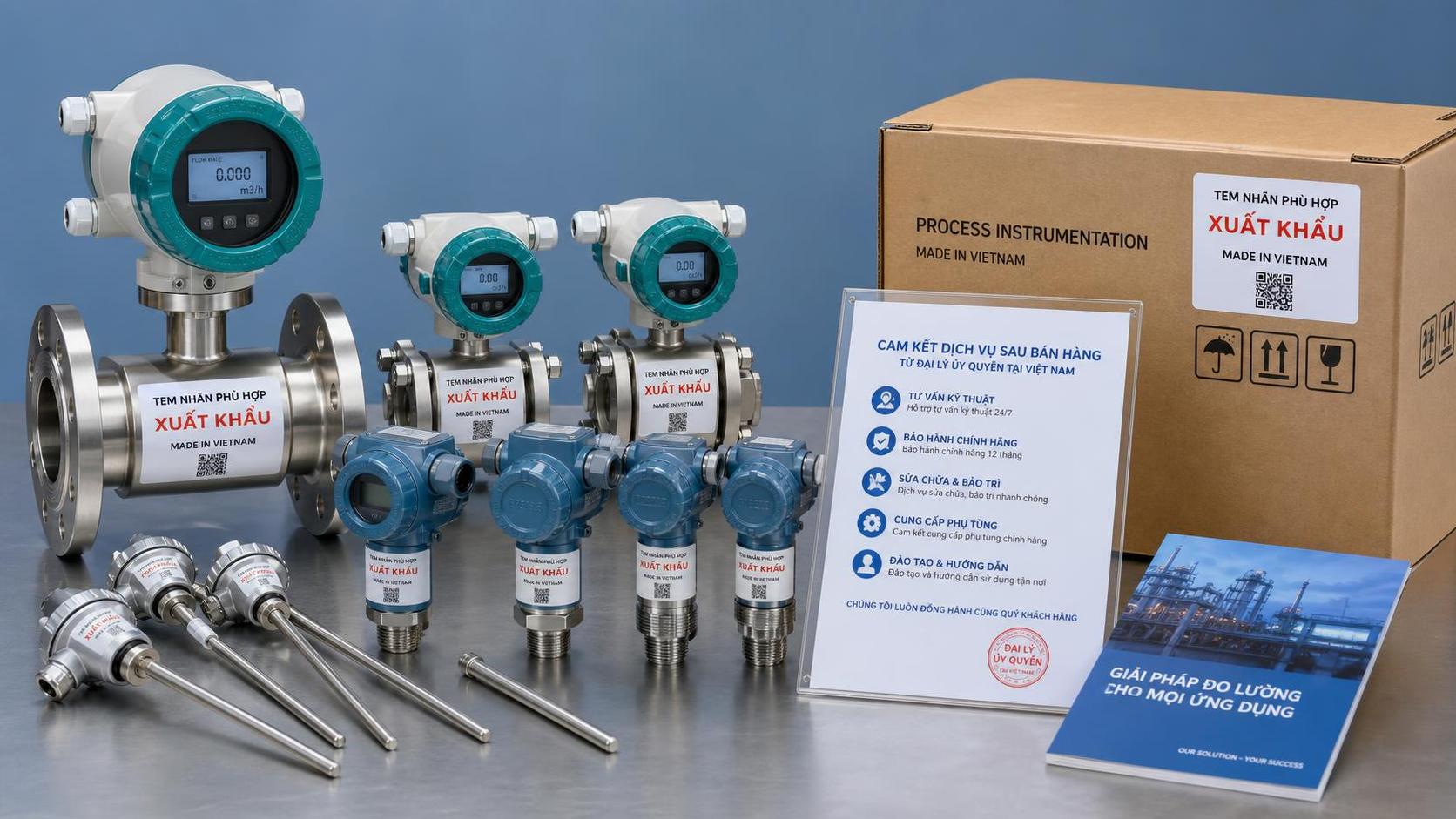
 Vietnam Rule Takes Effect Sept. 1: Imported Industrial Instruments Need Vietnamese Labels and Local After-Sales CommitmentVietnam’s Sept. 1 rule requires Vietnamese labels and local after-sales support for imported industrial instruments. See what HS 9026/9028 exporters and buyers must do now.
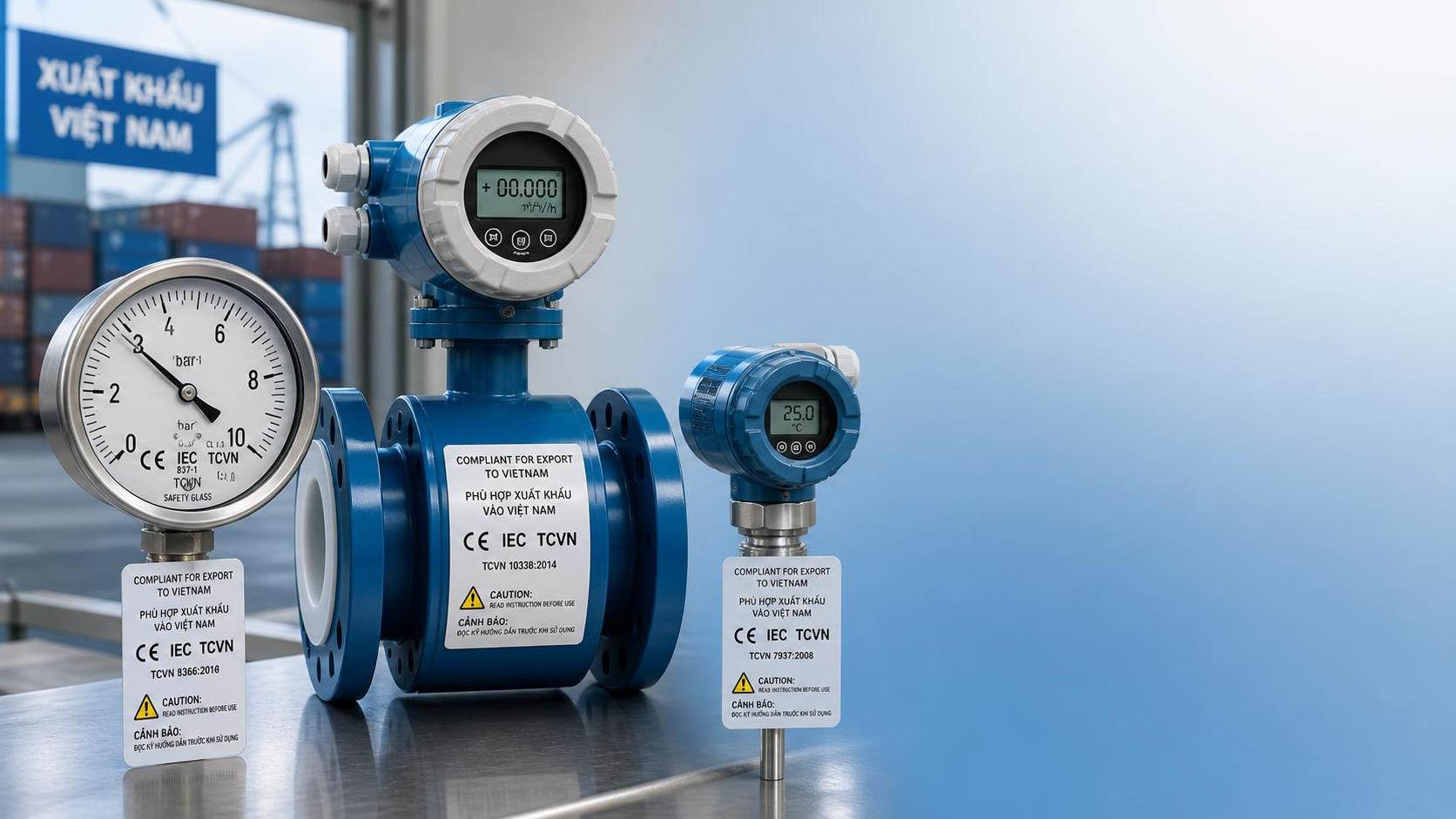
 Vietnam MOIT Rule Tightens Labeling for Imported Industrial InstrumentsVietnam MOIT Rule Tightens Labeling for Imported Industrial Instruments: learn how new Vietnamese label, CE/IEC/TCVN, and local service contact rules affect customs clearance and market access.
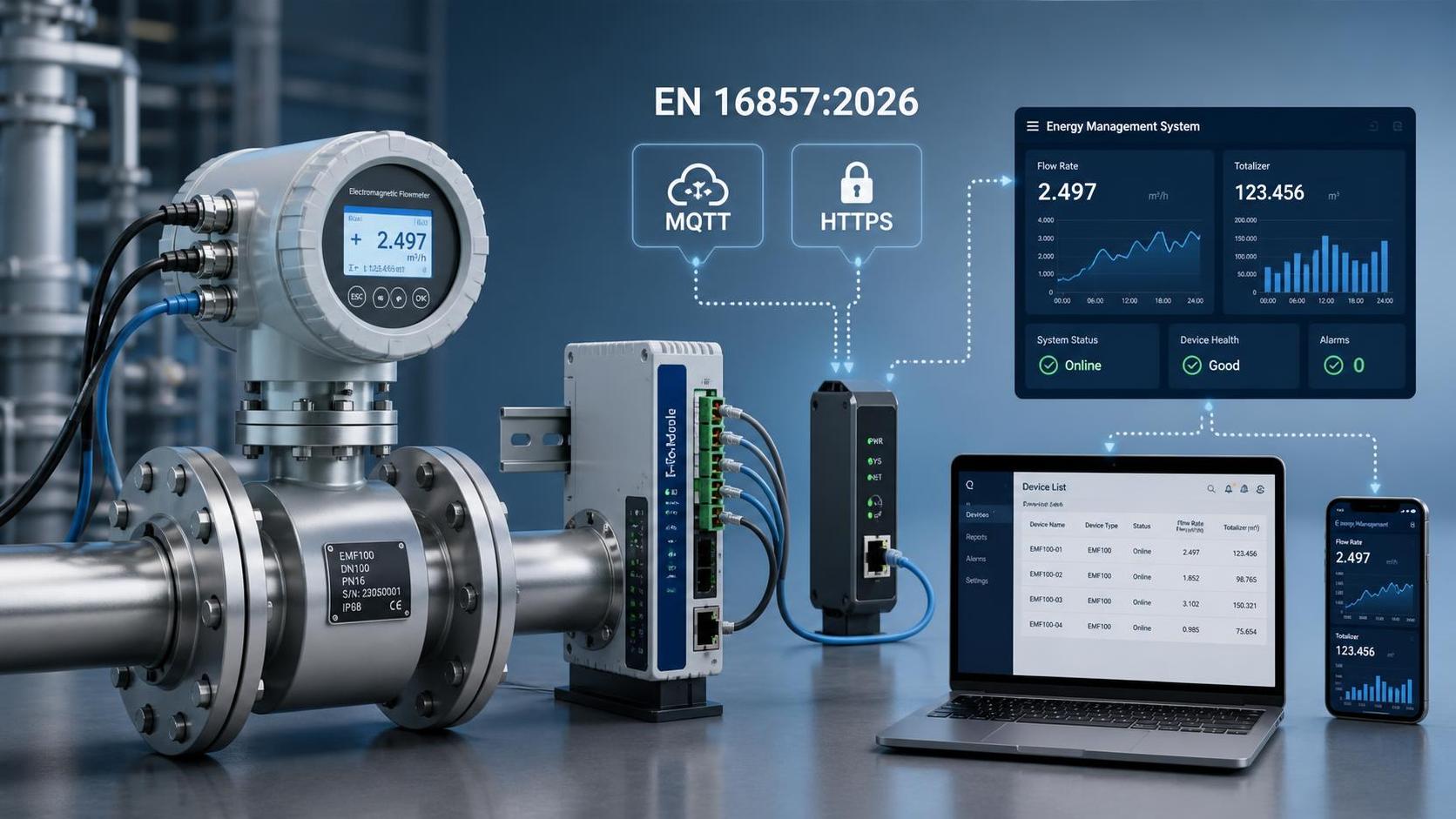
 EU Energy Rule Takes Effect: Flow Meters Need Data InterfacesEU energy rule now requires industrial flow meters with data interfaces. Learn how EN 16857:2026, MQTT/HTTPS, and updated compliance affect exports, customs, and buying decisions.
 EU Efficiency Rule Adds Data Interface Mandate for FlowmetersFlowmeters face a major EU compliance shift: from Sept. 1, 2026, new models must support MQTT or OPC UA and direct energy-data reporting. See how this rule impacts design, CE documents, and EU exports.
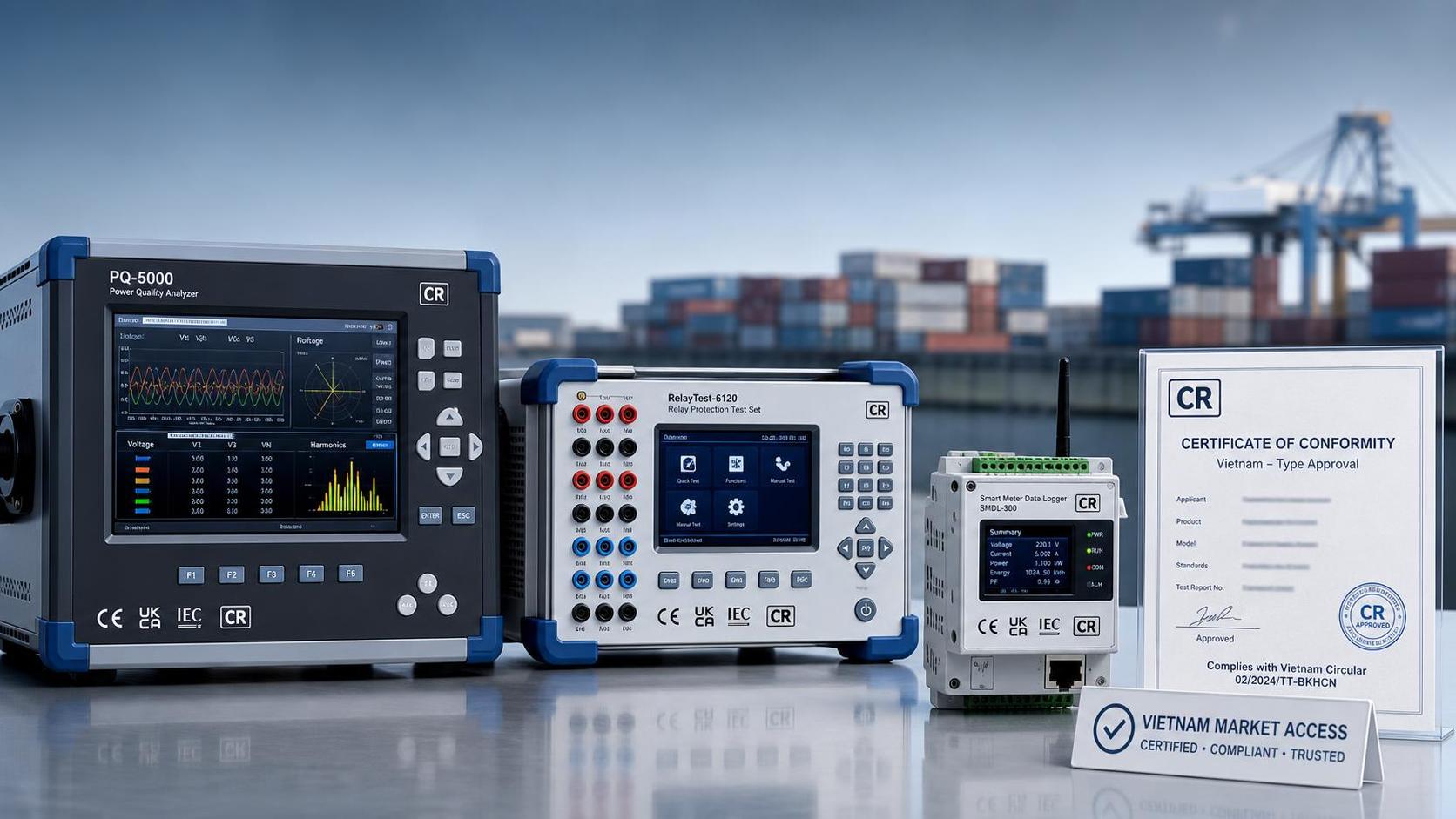
 Vietnam MOIT Makes QCVN 112:2026 MandatoryVietnam MOIT Makes QCVN 112:2026 Mandatory for imported power monitoring instruments from Sept 1, 2026. Learn certification, CR mark, and supply-chain impacts now.
 IEC 62053-22:2026 Mandates Secure OTA for Class 1 MetersIEC 62053-22:2026 mandates secure OTA for Class 1 meters, reshaping smart meter compliance, procurement, and market access. Learn what manufacturers and buyers must prepare now.

Chat Online