


On August 2, 2026, Vietnam's Ministry of Industry and Trade (MOIT) issued Circular No. 18/2026/TT-BCT, introducing new conditions for imported single-phase and three-phase smart electricity meters from October 2026. The rule requires local type testing at STAMEQ and a pre-deposited performance bond of VND 250 million before import license registration. For meter exporters, distributors, and supply chain operators, the immediate issue is not only compliance, but also the likely effect on delivery schedules, capital use, and the pace of cross-border shipments into Vietnam.
What the new rule requires
According to the information provided, all imported single-phase and three-phase smart electricity meters must complete local type testing at Vietnam's national metrology institute, STAMEQ. In addition, importers must prepay a VND 250 million performance bond, equivalent to about USD 10,200, before they can register for an import license. The circular was issued by MOIT on August 2, 2026, and the new requirement is set to apply from October 2026.
Where the pressure is likely to appear in the chain
Export-facing meter manufacturers may face a slower shipment rhythm
From an industry perspective, manufacturers supplying Vietnam may be affected because local type testing becomes a gate before import licensing can proceed. That can put pressure on shipment scheduling, order confirmation, and coordination with local partners. What deserves closer attention is whether existing export planning assumed a shorter compliance path than the one implied by the new rule.
Distributors and import license applicants will carry the most direct funding burden
Analysis shows that the required VND 250 million bond is likely to fall most directly on the party registering the import license. For distributors and importers, the effect is less about product pricing in isolation and more about working capital tied up before goods can move. This may affect inventory timing, batch planning, and discussions with overseas suppliers on delivery commitments.
Logistics and supply chain service providers may need to reset timelines
Observably, service providers involved in customs preparation, shipment scheduling, and delivery coordination may need to work with longer lead times. If local type testing becomes a mandatory precondition, the practical issue is how to sequence documentation, testing, and shipment windows without creating gaps between manufacturing readiness and import approval.
Vietnam-bound procurement plans may need closer coordination
For buyers and project-side procurement teams, the main concern is continuity of supply. The new rule does not only add a procedural step; it can also affect when imported smart meters are actually available for delivery. In business terms, procurement teams may need to pay more attention to supplier readiness, compliance timing, and whether delivery commitments remain realistic under the updated process.
What companies should watch now
Track how the circular is implemented in practice
Analysis shows that the wording of a rule and its operational execution are not always identical in impact. Companies involved in Vietnam-bound meter trade should closely watch how the testing requirement and bond requirement are applied in actual import registration workflows, especially where timing and document sequencing are concerned.
Review products and orders most exposed to the October timeline
What deserves closer attention is which single-phase and three-phase smart meter shipments are scheduled around the implementation window from October 2026. Orders close to that period may face the highest risk of delay if compliance preparation has not been built into delivery planning.
Recheck documentation and partner responsibilities
For exporters and local import partners, the practical priority is role clarity. Companies should review who is responsible for type testing coordination, who places the performance bond, and whether supporting documents for import licensing are complete and aligned with the new requirement. This is especially relevant where cross-border sales depend on local distributors or agents.
Prepare customer communication around lead time changes
Observably, the rule points to a higher chance of longer delivery cycles. Businesses with active Vietnam orders may need to update customers and channel partners early on expected timing changes, rather than waiting until licensing or testing becomes a bottleneck in an individual shipment.
Why this looks bigger than a routine filing change
Analysis shows that this development is more than a simple administrative adjustment because it combines two forms of pressure at once: a local technical compliance step and an upfront capital requirement. It is more appropriate to understand this as a near-term operational change with broader policy significance, rather than as a fully settled long-term market outcome. The immediate effects described in the provided information are longer lead times, higher capital occupation for distributors, and potential disruption to the export rhythm of Chinese meter suppliers to Vietnam. At the same time, the full commercial impact still needs continued observation as implementation unfolds.
How the market should read this update
At this stage, the rule is best understood as a concrete compliance change with direct implications for import timing and funding arrangements, not yet as proof of a final market restructuring. For the industry, the significance lies in execution risk: whether testing capacity, registration handling, and importer preparedness allow trade flows to adjust smoothly. A cautious reading is warranted, with attention focused on the transition into October 2026 and on how businesses adapt their delivery and licensing processes.
Basis of this article and what still needs verification
This article is based on the user-provided news title, event date, and event summary concerning Vietnam's new import requirement for smart electricity meters. For this type of industry update, commonly relevant source categories include official government notices, company announcements, industry association releases, authoritative media reports, and standards-related documents. No specific official source link was provided in the input, so the exact official publication path still requires ongoing verification. Further attention should be given to any later official clarifications, implementation details, and practical registration procedures connected to Circular No. 18/2026/TT-BCT.


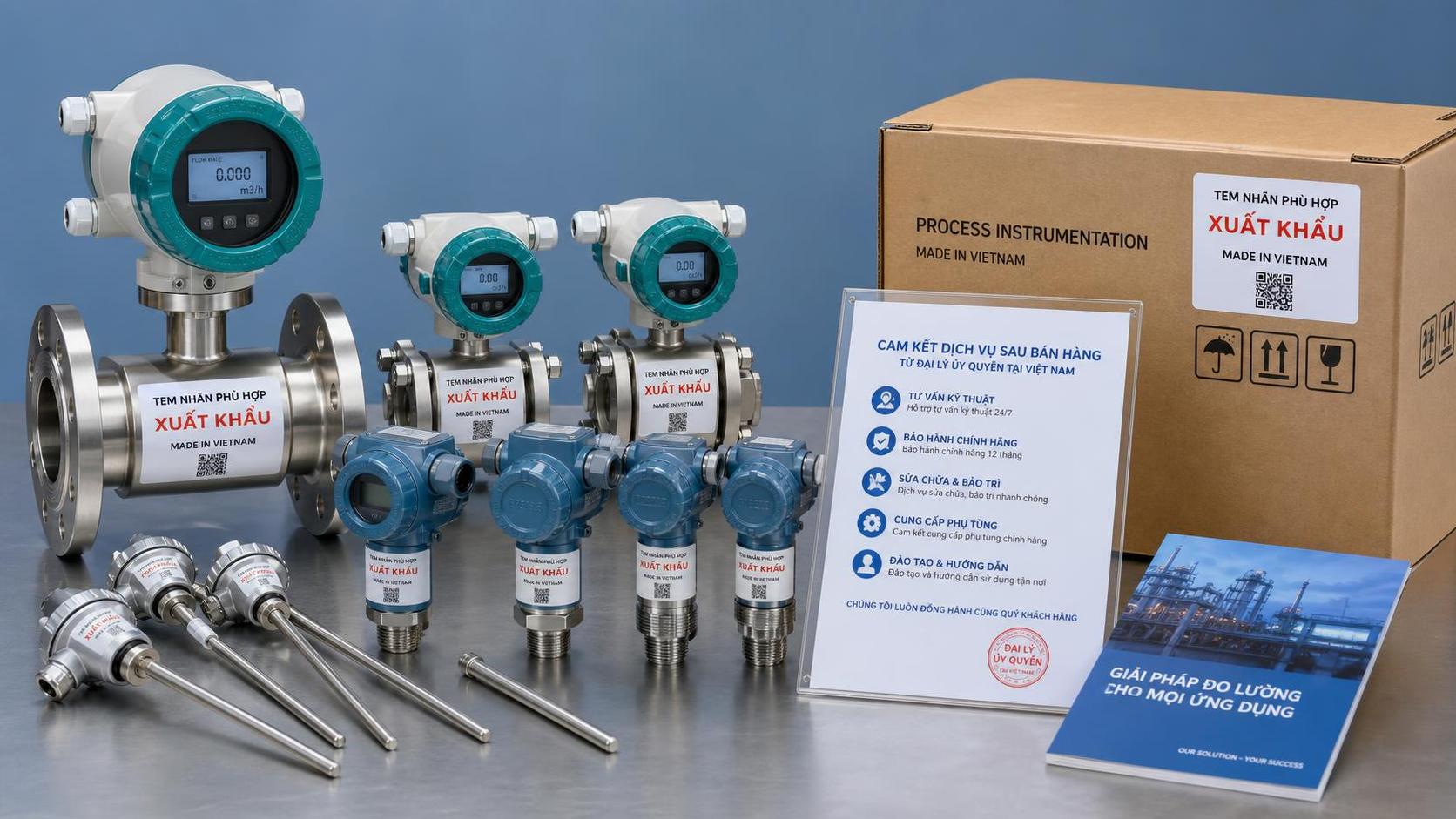
 Vietnam Rule Takes Effect Sept. 1: Imported Industrial Instruments Need Vietnamese Labels and Local After-Sales CommitmentVietnam’s Sept. 1 rule requires Vietnamese labels and local after-sales support for imported industrial instruments. See what HS 9026/9028 exporters and buyers must do now.
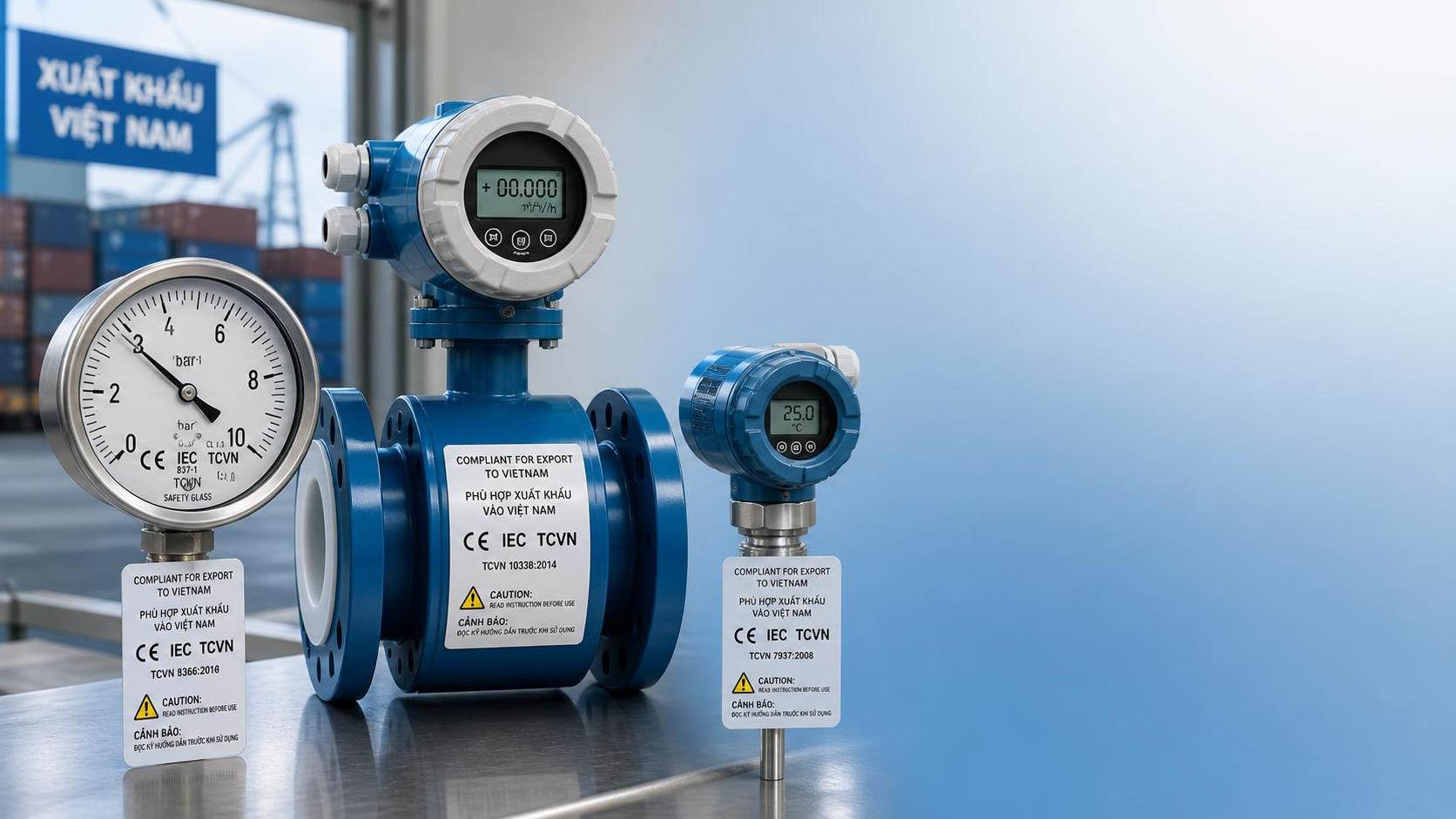
 Vietnam MOIT Rule Tightens Labeling for Imported Industrial InstrumentsVietnam MOIT Rule Tightens Labeling for Imported Industrial Instruments: learn how new Vietnamese label, CE/IEC/TCVN, and local service contact rules affect customs clearance and market access.
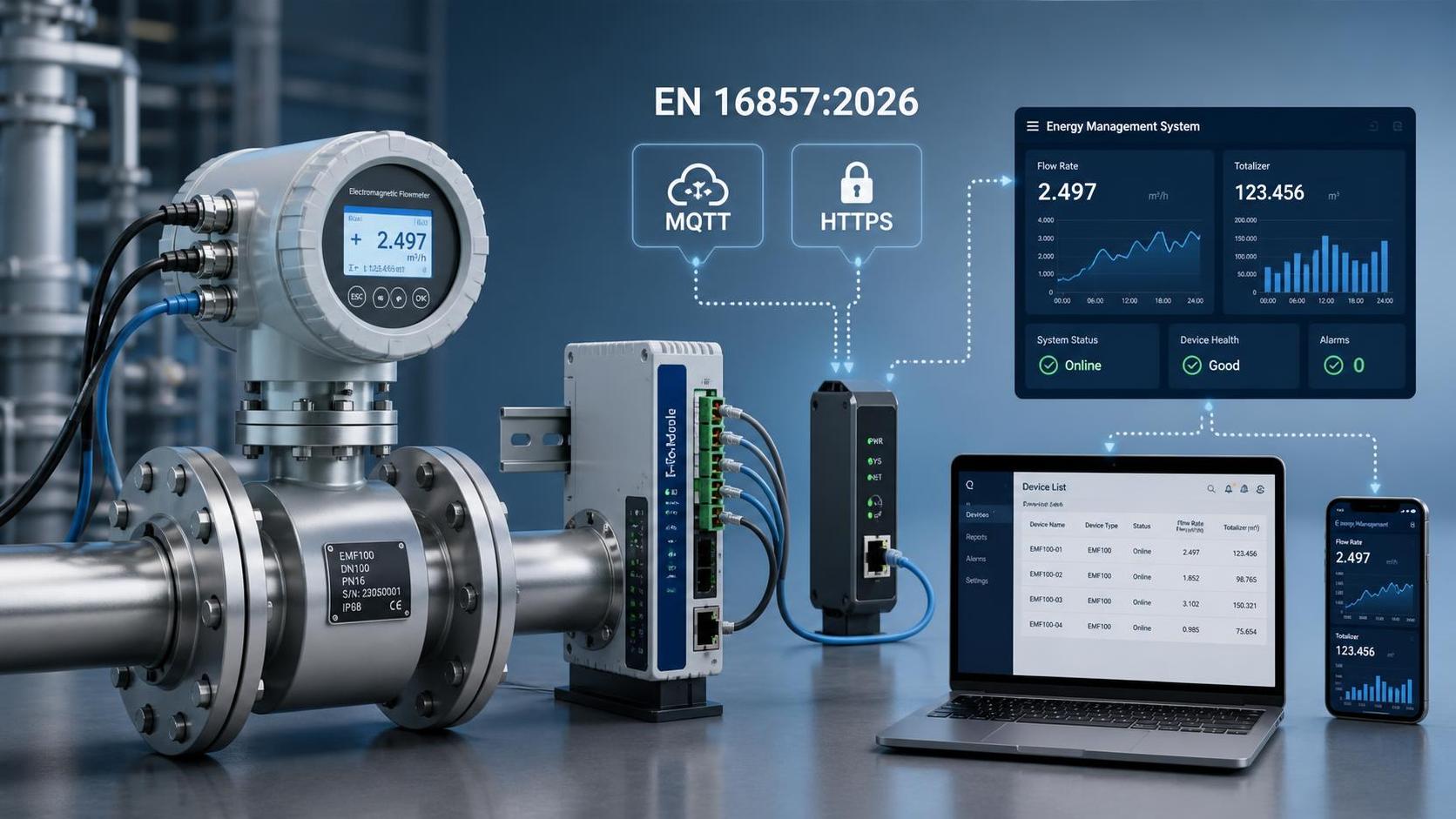
 EU Energy Rule Takes Effect: Flow Meters Need Data InterfacesEU energy rule now requires industrial flow meters with data interfaces. Learn how EN 16857:2026, MQTT/HTTPS, and updated compliance affect exports, customs, and buying decisions.
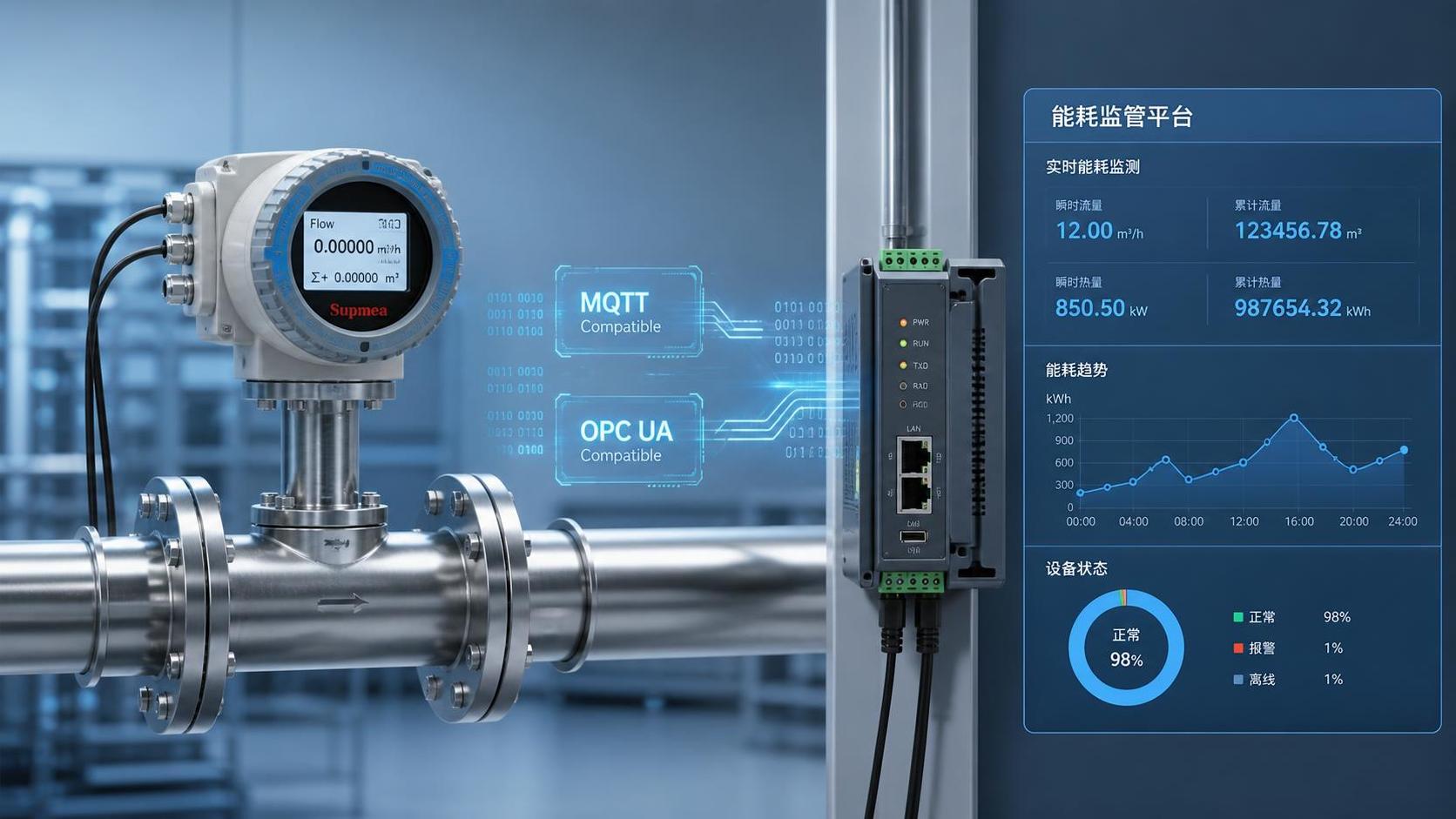
 EU Efficiency Rule Adds Data Interface Mandate for FlowmetersFlowmeters face a major EU compliance shift: from Sept. 1, 2026, new models must support MQTT or OPC UA and direct energy-data reporting. See how this rule impacts design, CE documents, and EU exports.
 Vietnam MOIT Makes QCVN 112:2026 MandatoryVietnam MOIT Makes QCVN 112:2026 Mandatory for imported power monitoring instruments from Sept 1, 2026. Learn certification, CR mark, and supply-chain impacts now.
 IEC 62053-22:2026 Mandates Secure OTA for Class 1 MetersIEC 62053-22:2026 mandates secure OTA for Class 1 meters, reshaping smart meter compliance, procurement, and market access. Learn what manufacturers and buyers must prepare now.

Chat Online