


According to the supplied event summary, analytica China 2026 opened at the Shanghai New International Expo Centre on November 16, 2026, bringing together exhibitors in analytical instruments, laboratory technology and biotechnology. The information provided does not identify a new policy, standard, certification requirement or trade rule. For manufacturers, suppliers and buyers, the event is therefore a point of reference for examining how product requirements and procurement documentation might be discussed across the industry, rather than evidence that any rule has changed.
Exhibitors from 23 Countries and Regions Gather in Shanghai
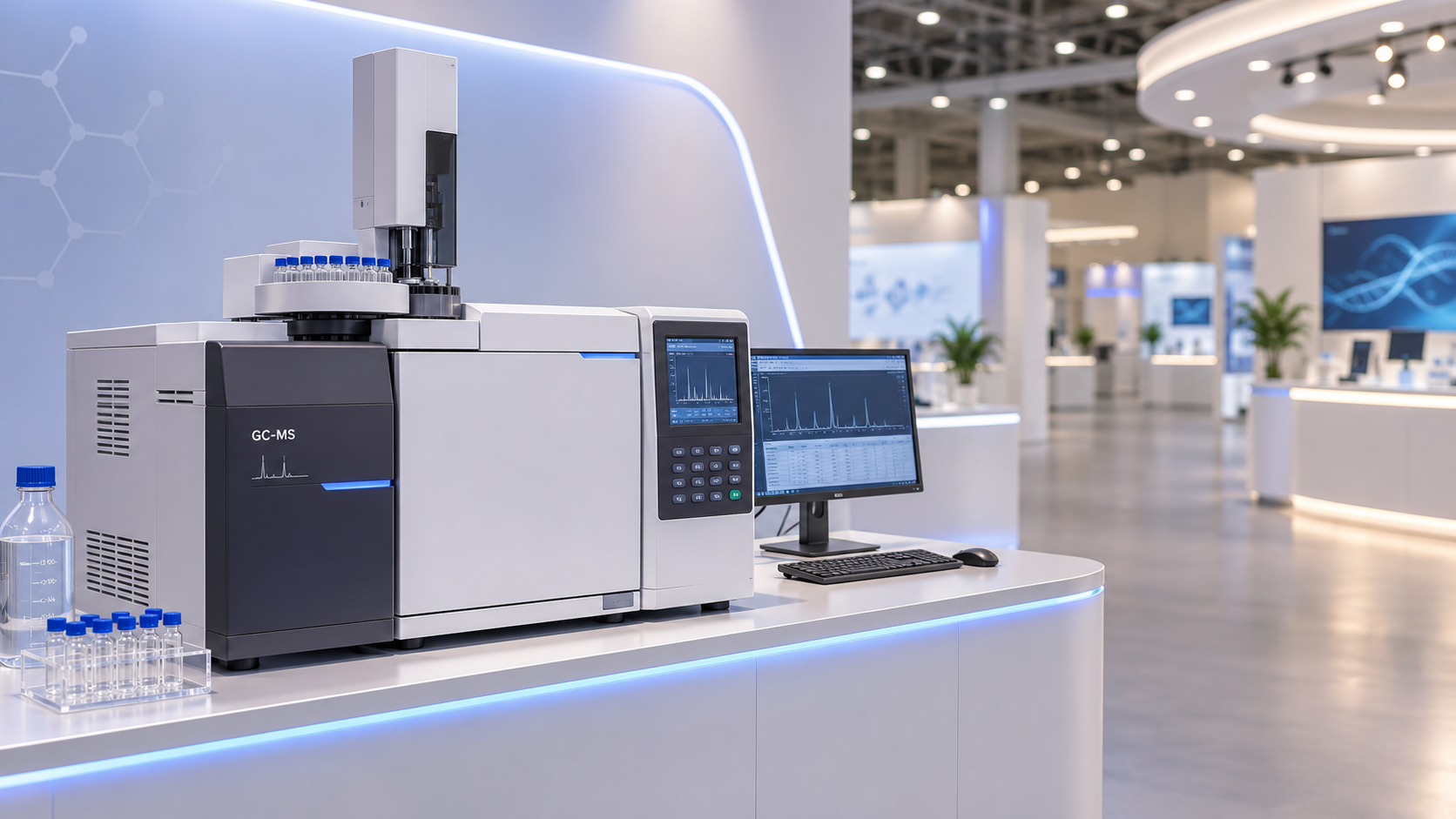
The supplied summary describes an exhibition covering nearly 85,000 square meters, with more than 1,300 participating companies from 23 countries and regions. Its stated areas of coverage include analytical instruments, laboratory technology and biotechnology.
The event named in the input is analytica China 2026. The supplied opening date is November 16, 2026, and the stated venue is the Shanghai New International Expo Centre.
Where Product Requirements Could Shape Commercial Discussions
Instrument Manufacturers and Their Customers
From an industry perspective, an exhibition covering analytical instruments may provide a setting in which manufacturers and prospective customers compare how products are specified and assessed. The input does not identify particular instruments or announce changes to the rules governing them. Any effect on product compliance would depend on the requirements applicable to the product, its intended use and its destination market.
Manufacturers could use customer discussions to identify which technical documents buyers expect when evaluating equipment. These might include product specifications, descriptions of intended use, test information or certification evidence where applicable. A buyer’s request for such material should be distinguished from a legal requirement: the exhibition summary establishes neither a new regulatory obligation nor a common documentation standard for participants.
For buyers, the practical question is whether the information supplied is detailed enough to compare products against their own intended applications. If a supplier refers to a standard or certification, the buyer may need to establish what it covers, which product configuration it applies to and whether it is relevant to the proposed destination or use. These are suggested checks, not changes confirmed by the event.
Laboratory Technology Suppliers and Procurement Teams
Analysis suggests that companies considering laboratory equipment could use an event of this scope to compare not only product features but also the information needed before a purchase. In a procurement process, a specification, an acceptance condition or a documentation request can affect whether an offer is suitable. The supplied information does not show that procurement rules have changed or that any particular buyer has issued new terms.
Procurement teams may find it useful to ask suppliers how they would document a proposed configuration, support delivery and address questions after installation. For products involving several components, buyers could also examine whether the proposed documentation covers the complete configuration or only individual items. Such questions may help identify issues for later negotiation; they do not establish that any supplier has a documentation gap.
Distributors, Integrators and Service Providers
From a supply-chain perspective, distributors and equipment integrators may need to understand how information passes between the original supplier and the end customer. Where products are combined or supplied through intermediaries, differences in descriptions, versions or intended uses could complicate a buyer’s review. The event summary does not state that these problems have occurred, but it offers a reason for participants to consider how they would handle them.
Service providers may also wish to clarify which documents would support installation, maintenance or troubleshooting for a proposed product. For an international transaction, parties could check which organization would provide the relevant materials and respond to technical questions. The input contains no confirmed change to service obligations, delivery terms or cross-border trade procedures.
Questions to Carry into Supplier Discussions
Match Claims to the Product and Its Intended Use
A useful starting point for discussions at an event covering analytical instruments, laboratory technology and biotechnology is to define the product and intended application precisely. Buyers could ask whether a technical statement applies to the configuration being offered and whether supporting information can be reviewed before a purchase decision.
If a supplier mentions compliance with a rule, a standard or a certification scheme, the parties could check the scope and current status of the claim through appropriate documentation. The event information does not identify a particular scheme, authority or updated requirement, so no specific certification can be treated as newly required on its basis.
Separate Procurement Terms from Regulatory Requirements
Exhibitors and buyers may encounter different expectations when discussing products for different uses or destinations. A customer may request evidence beyond what is expressly required by a regulation, while a supplier’s general product description may not answer every question in a proposed purchase. In analysis, this distinction matters because a commercial condition and a legal obligation can have different implications for pricing, documentation and delivery.
Before treating a request as mandatory, companies could ask who issued it, which transaction it applies to and whether a relevant authority or contract establishes it. Where an answer depends on a destination market or a specific product, further verification would be needed. None of those details is supplied in the event summary.
Check Documentation and Delivery Assumptions Early
For potential purchases discussed in Shanghai, buyers and suppliers could identify which technical documents are available, which would need further review and when each party expects to receive them. Depending on the transaction, relevant materials might include product specifications, test information, certificates or acceptance documents. Their applicability would have to be assessed individually.
Companies could also discuss whether document review, configuration changes or acceptance procedures might affect a proposed delivery schedule. This is a planning consideration, not a finding that the exhibition has caused delays or changed delivery practices. Where an alternative product is considered, a buyer may need to verify its suitability against the same intended use and purchasing criteria before treating it as interchangeable.
Keep International Trade Questions Specific
The participation of companies from 23 countries and regions makes cross-border discussions a plausible area of interest. It does not, by itself, establish that goods will be traded across borders as a result of the event or that any trade rule has changed. If a proposed transaction does involve an international delivery, the parties could identify the destination, product configuration and responsibilities for the relevant commercial and technical documents before assessing applicable requirements.
Because the supplied information names no destination market, customs measure or trade authority, a general event announcement cannot resolve transaction-specific compliance questions. Participants would need to verify those separately as negotiations develop.
What the Opening Does and Does Not Signal
Editorial assessment: the opening is best understood as an industry event and an opportunity to observe discussions, not as confirmation that a policy or standard has taken effect. The scale described in the input suggests a broad gathering within the stated technology areas, but the supplied figures alone do not show what exhibitors announced, what buyers requested or how the market responded.
Nor does the information establish an implementation signal from a regulator. A statement made in a commercial conversation, even if relevant to a future purchase, would need to be checked against the underlying rule or document before being treated as an authoritative change. The same care applies to claims about certification: a certificate, a customer preference and a regulatory requirement may answer different questions.
What deserves closer attention is whether subsequent, verifiable information identifies a specific change affecting products or transactions discussed in connection with the exhibition. Details that could matter include the issuing authority or standards body, the products and markets covered, the effective date, any transition arrangements and the evidence expected from suppliers. Without those details, the business implications remain open to assessment.
Later feedback could also help distinguish a widely shared procurement concern from an individual buyer’s preference. For example, a change in a tender document might affect a particular purchasing process, but its wider significance would depend on its wording, scope and whether comparable requirements appear elsewhere. No such tender change is confirmed in the supplied information.
A Reference Point for Further Verification
Based on the supplied summary, analytica China 2026 brought together a large group of exhibitors across analytical instruments, laboratory technology and biotechnology in Shanghai. For companies assessing products and suppliers, the relevant opportunity is to ask precise questions about specifications, supporting evidence and delivery responsibilities.
The current information supports neither a conclusion that industry rules have changed nor a prediction of a particular commercial outcome. A measured response is to use the event as a starting point for product-specific and transaction-specific checks, while waiting for verifiable details before changing a compliance assessment or procurement decision.
Basis for This Report and Further Checks
This article is based on the user-provided news title, event date and event summary. No specific official source link was included in the input, and the event details require continued verification. The discussion of business implications is analysis and suggested practice; it is not a report of additional confirmed announcements or outcomes.
For subsequent verification, relevant source types could include official event announcements, regulatory publications, standards organization documents, trade authority information, industry association materials and authoritative media reports. Depending on what is later published, companies may also need to monitor policy details, certification interpretations, tender documents, trade execution and feedback from industry participants.



 analytica China 2026 Opens in ShanghaiExplore analytica China 2026 in Shanghai, where analytical instruments, laboratory technology and biotechnology take center stage. Discover practical supplier and procurement insights.
 NBS: Instrumentation Industry Growth Accelerates to 14.2% in OctoberChina’s instrumentation industry grew 14.2% in October 2026, according to NBS data. Explore what the acceleration means for suppliers and buyers.
 Zhang Guoqing Visits Instrumentation Firms, Calls for Stronger InnovationInstrumentation innovation takes center stage as Zhang Guoqing visits Shanghai firms. Explore what his call for stronger industrial innovation means for the sector.
 MIIT Plan Includes Nine High-End Instrument StandardsMIIT's high-end instrument standards plan includes nine projects, including two for mass spectrometers. Explore what they could mean for the industry.
 Two Bodies Seek Plan Promoters Across Six Fields, Including InstrumentationInstrumentation is among six fields covered by a proposed application plan. Explore what it could mean for manufacturers, buyers and suppliers.
 Chinese Instrument Society Announces 2026 Science and Technology Award WinnersChinese Instrument Society 2026 award winners highlight instrumentation innovation, including online process mass spectrometry. Explore the implications.



Chat Online