


The General Office of the Ministry of Industry and Information Technology (MIIT) has issued its fifth batch of industry standards projects for 2026. The plan includes nine standards in the high-end instrumentation field and calls for the development of two mass spectrometer standards.
The projects are intended to strengthen the industry standards framework and support technical specifications for high-end instruments and core components, alongside efforts to advance domestic production. Their inclusion in a project plan marks work to develop or revise standards; it does not mean that the resulting standards have already been published or put into effect.
What the projects could mean for the industry
Standards can provide a common reference for describing and assessing products and components. For instrument manufacturers and component suppliers, the practical significance of these projects will depend on the requirements ultimately set out in the standards. Those requirements could influence how products are specified and evaluated, but their effects cannot be inferred from the project count alone.
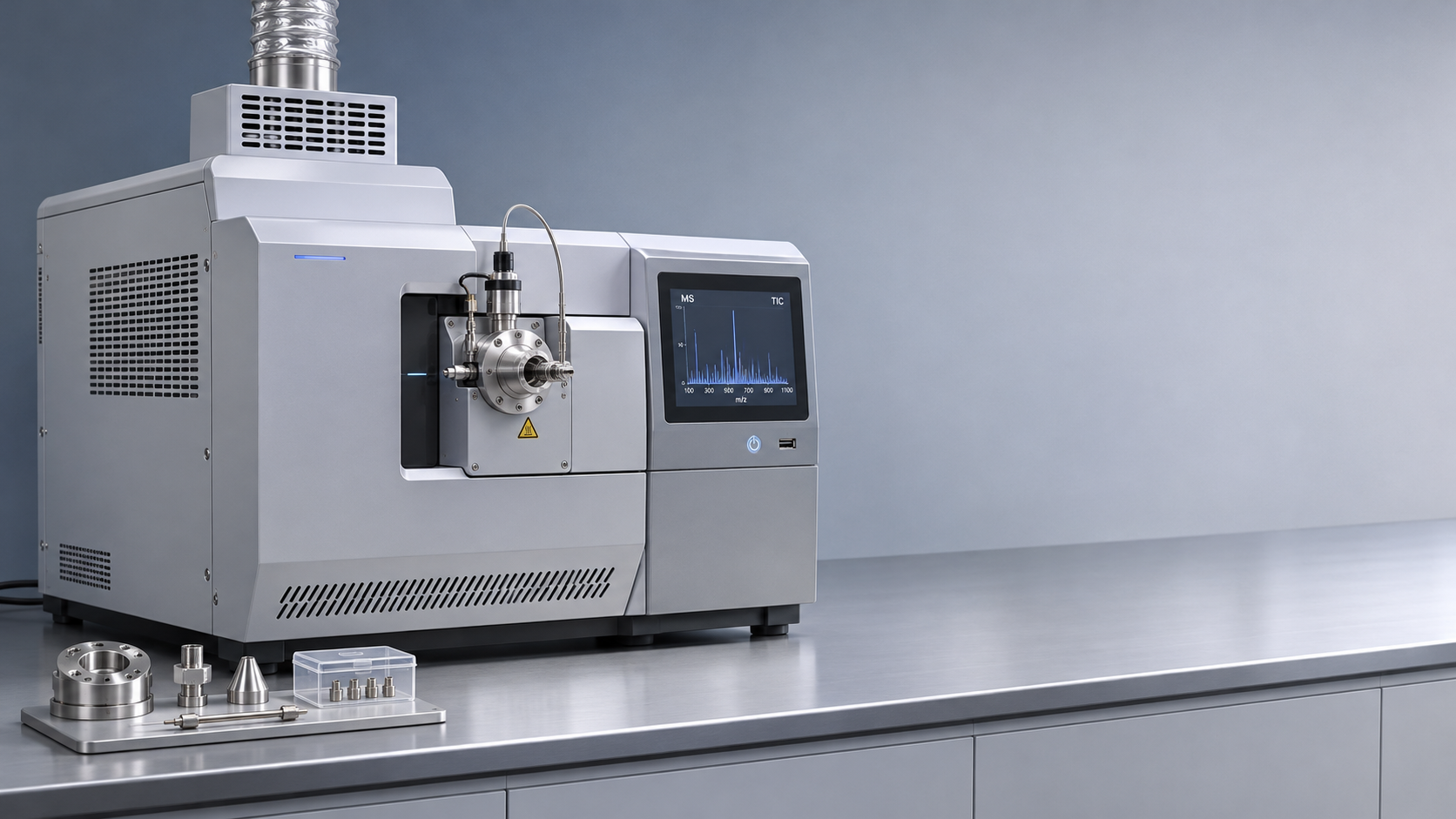
The two mass spectrometer projects also draw attention to how standards development may address a specific category of high-end instrument. Their eventual scope will matter to manufacturers, suppliers and users seeking to understand which products or technical characteristics the standards cover.
The plan links standards work with domestic production, but a standards project on its own does not establish a change in production capacity, product performance or market adoption. Any effect on those outcomes will depend on the final technical provisions and how they are applied.
Further standards documents will be important for understanding the scope, technical requirements and implementation arrangements of the projects. Until those details emerge, the clearest signal is that high-end instrumentation and mass spectrometers have been included in the current standards work programme.



 Zhang Guoqing Visits Instrumentation Firms, Calls for Stronger InnovationInstrumentation innovation takes center stage as Zhang Guoqing visits Shanghai firms. Explore what his call for stronger industrial innovation means for the sector.
 MIIT Plan Includes Nine High-End Instrument StandardsMIIT's high-end instrument standards plan includes nine projects, including two for mass spectrometers. Explore what they could mean for the industry.
 Two Bodies Seek Plan Promoters Across Six Fields, Including InstrumentationInstrumentation is among six fields covered by a proposed application plan. Explore what it could mean for manufacturers, buyers and suppliers.
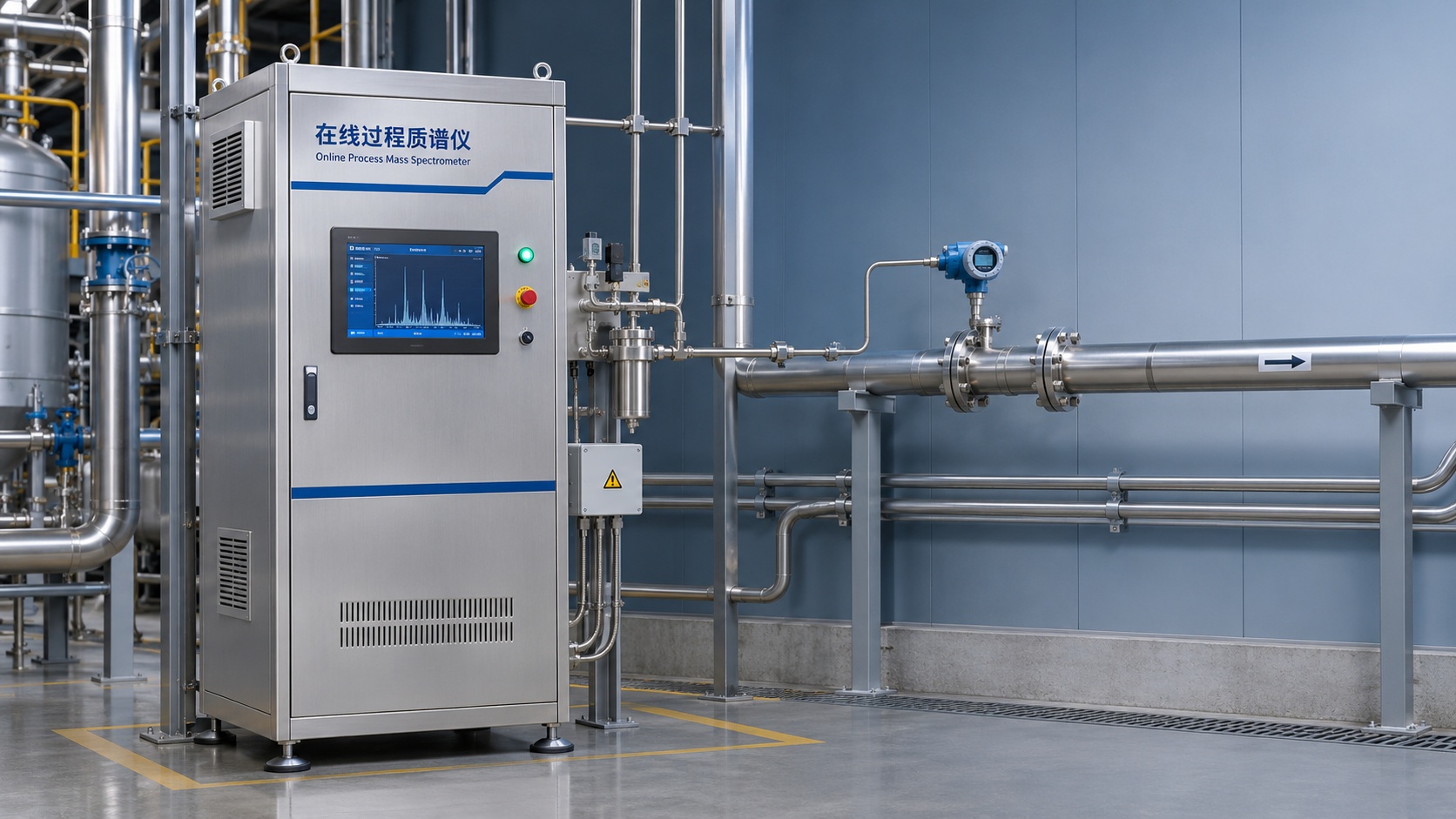
 Chinese Instrument Society Announces 2026 Science and Technology Award WinnersChinese Instrument Society 2026 award winners highlight instrumentation innovation, including online process mass spectrometry. Explore the implications.
 China Blocks SoftBank's $5.4 Billion Acquisition of ABB Robotics BusinessChina blocks SoftBank's $5.4 billion ABB Robotics acquisition after a security review. Discover what the decision means for cross-border automation deals.
 Marvell Plans $115 Billion Lumentum Acquisition in All-Stock DealMarvell’s proposed $115 billion Lumentum acquisition could reshape optical components and testing. Explore what the all-stock deal means for suppliers.

Chat Online