


The Chinese Instrument Society published its 2026 Science and Technology Award winners list on November 10, 2026, recognizing organizations and individuals for achievements in instrumentation technology and industrial application. The awarded projects span several advanced fields, including online process mass spectrometry technology and instruments.
The inclusion of online process mass spectrometry offers a specific point of interest within the broader awards announcement. It draws attention to instrumentation intended for use in monitoring processes, while the award’s focus on both innovation and industrial application makes the connection between technical development and practical use central to understanding the recognition.
What the recognition signals
The awards identify work that the society considers noteworthy in instrumentation science and technology. For readers following the field, the list provides a way to see which areas have received recognition within this award cycle. Online process mass spectrometry is one such area, although the announcement also covers projects in other advanced fields.
Recognition of a technology and its instruments can be relevant to several parts of the development chain. Researchers may be interested in the technical contribution of an awarded project, while instrument developers may look more closely at how that contribution relates to an instrument’s design and intended use. Potential users, meanwhile, may focus on the conditions in which an instrument can be applied and the extent of its demonstrated industrial use.
Those questions follow naturally from the award’s emphasis on innovation and application, but the announcement alone does not establish the answers for any individual project. An award signals recognition; it does not by itself describe an instrument’s performance, the scale of its use or its suitability for a particular process.
From technical recognition to application
For online process mass spectrometry, the distinction between a recognized achievement and a deployable solution is especially relevant. A project may be notable for its technology, its instrumentation, its application, or a combination of these elements. Understanding the contribution requires attention to what the awarded work actually demonstrated and where its application was established.
For organizations assessing related technologies, the most useful follow-up is likely to be project-level detail: the scope of the achievement, the intended operating context and the evidence supporting its application. Such information would help readers distinguish an advance in development from evidence of use under particular industrial conditions.
The award list also points to a broader set of recognized projects, but it should not be treated as a complete measure of activity across every area of instrumentation. The presence of one field among the winners does not establish its relative size, commercial position or rate of adoption. Nor does recognition alone indicate that the same technology will meet the needs of every potential user.
Further information about the awarded projects and their applications will be useful for assessing their practical implications. For now, the announcement’s clearest significance is that it places online process mass spectrometry among the fields recognized in the society’s 2026 awards for instrumentation innovation and industrial application.



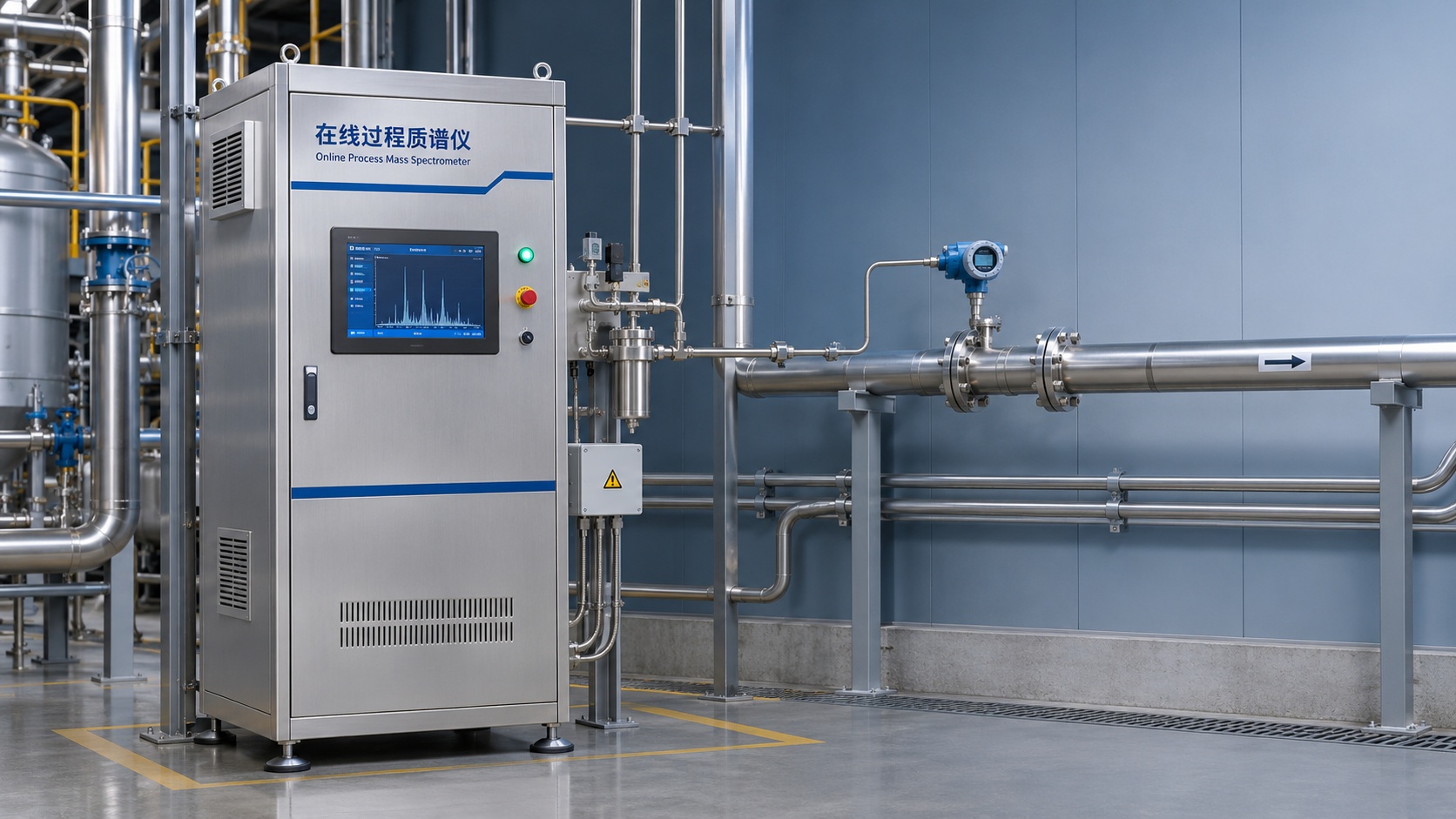
 Chinese Instrument Society Announces 2026 Science and Technology Award WinnersChinese Instrument Society 2026 award winners highlight instrumentation innovation, including online process mass spectrometry. Explore the implications.
 China Blocks SoftBank's $5.4 Billion Acquisition of ABB Robotics BusinessChina blocks SoftBank's $5.4 billion ABB Robotics acquisition after a security review. Discover what the decision means for cross-border automation deals.
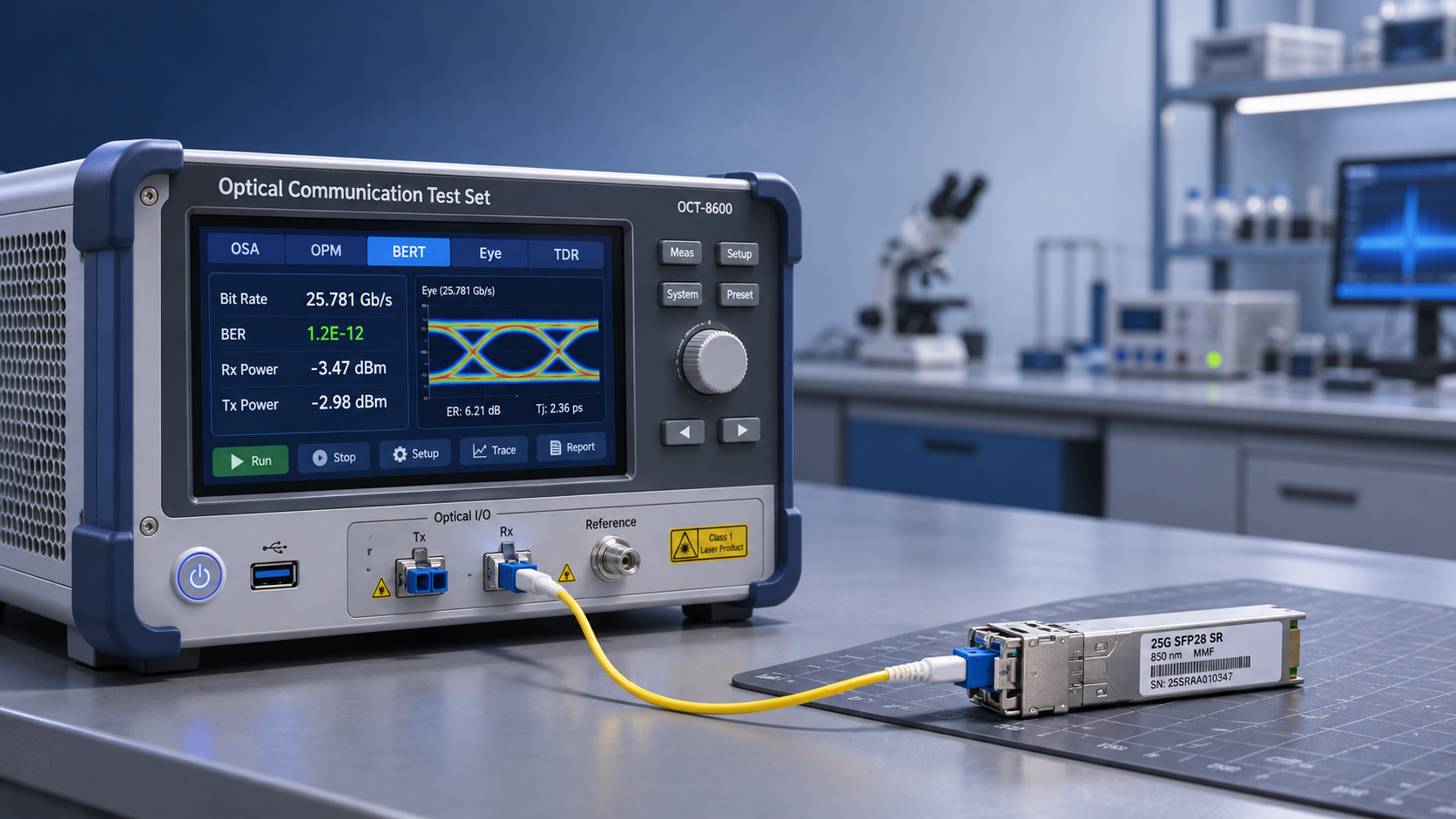
 Marvell Plans $115 Billion Lumentum Acquisition in All-Stock DealMarvell’s proposed $115 billion Lumentum acquisition could reshape optical components and testing. Explore what the all-stock deal means for suppliers.
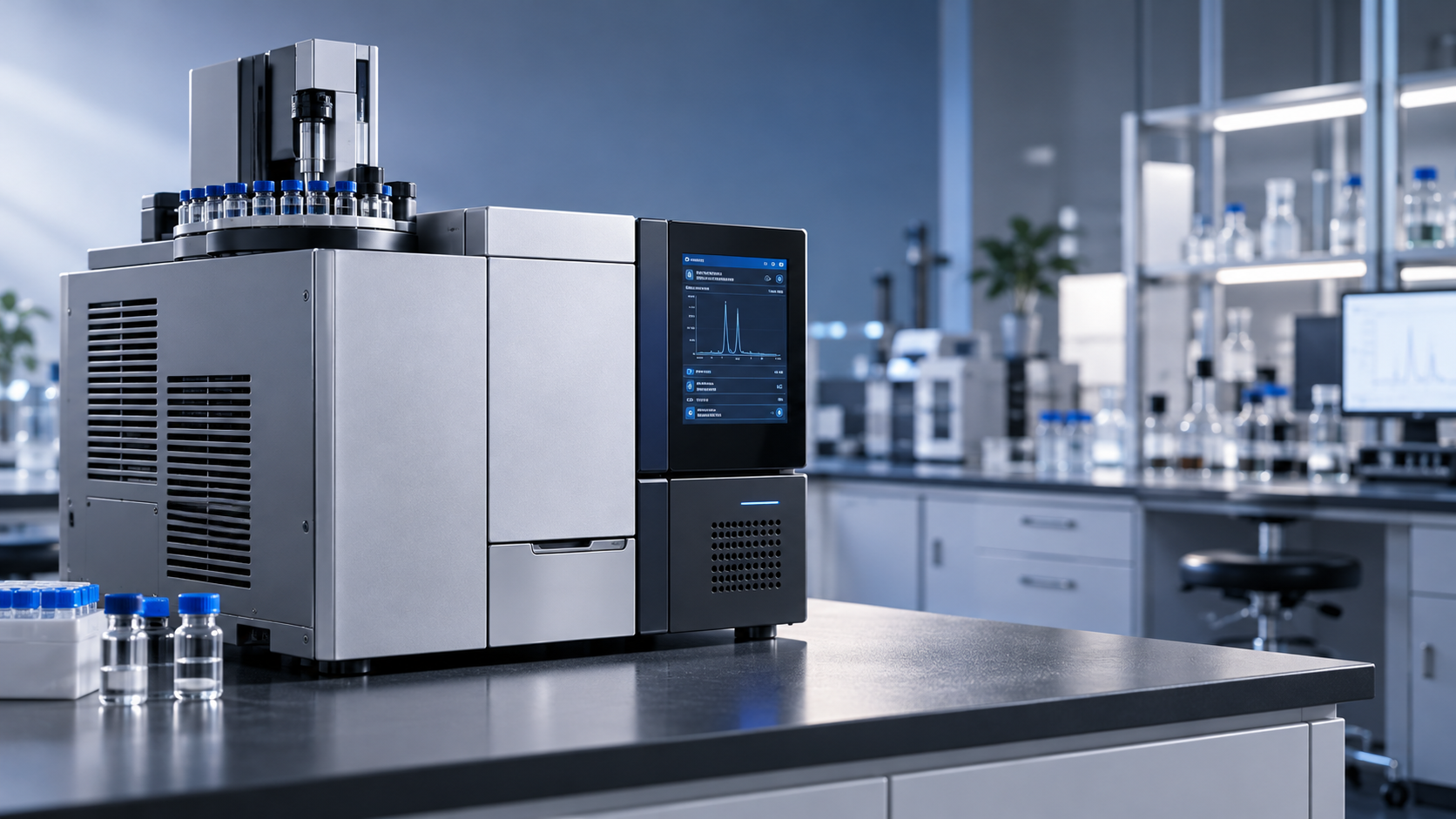
 Second Analytical Science and Instruments Conference Held in WuhanThe Second Analytical Science and Instruments Conference in Wuhan brought together over 4,000 participants to explore AI and instrument innovation. Discover the key themes.
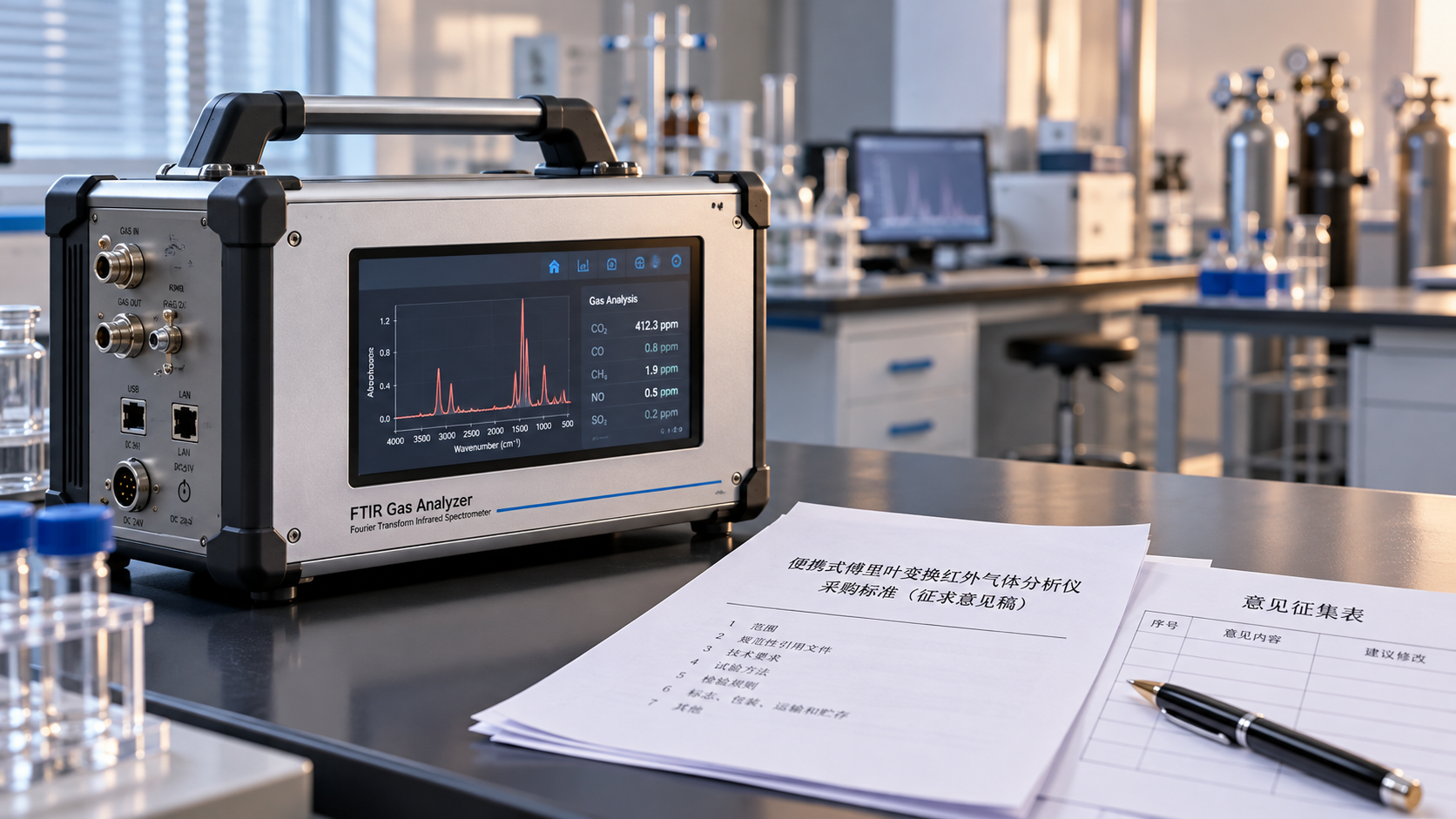
 First Domestic Product Standards for Government Procurement Open for CommentDomestic product standards for government procurement are open for comment. Explore potential implications for instrument suppliers and buyers.
 China Instrumentation Society Publishes Proposed 2026 Science and Technology AwardsChina Instrumentation Society’s proposed 2026 Science and Technology Awards are open for comment. Discover what the review could mean for instrumentation innovation.


Chat Online