


On April 2, 2026, the U.S. and China jointly announced a reciprocal reduction of applied tariffs to 10% on a broad range of instruments and meters under HS Chapter 90—including measuring instruments, industrial sensors, and laboratory analyzers. This adjustment offers temporary relief for Chinese exporters of mid-to-high-end test, environmental monitoring, and process control instrumentation, potentially easing cost pressure for 2–3 months amid ongoing trade uncertainty.
Event Overview
On April 2, 2026, the U.S. and China issued a joint statement following their Geneva economic and trade talks, confirming that mutually imposed additional tariffs would be uniformly adjusted to 10%. The change applies to multiple instrument and meter categories classified under HS Chapter 90, including but not limited to measurement instruments, industrial sensors, and laboratory analysis equipment. No further details on implementation timelines, product exclusions, or administrative procedures were disclosed in the initial announcement.
Industries Affected by This Adjustment
Direct Exporters (OEM/ODM Instrument Manufacturers)
These firms face direct tariff exposure on shipments to the U.S. market. With the applied rate lowered from previous levels (unspecified in the source) to 10%, landed costs for U.S.-bound orders decline—improving price competitiveness against non-Chinese suppliers. However, since the 10% rate remains above MFN levels, margin compression persists relative to pre-trade-tension conditions.
Supply Chain Service Providers (Customs Brokers, Trade Compliance Firms)
These entities support cross-border documentation and classification for instrument exports. The uniform 10% rate simplifies tariff code application and reduces variance in duty calculations across HS 90 subheadings—lowering compliance overhead and audit risk for clients handling mixed instrument portfolios.
Distribution & Channel Partners (U.S.-based Importers, Distributors)
For U.S. intermediaries sourcing instruments from China, the lower rate eases import cost volatility and improves predictability in landed-cost modeling. It may also reduce urgency among buyers seeking alternative sourcing routes (e.g., via EU or ASEAN), at least in the short term.
What Relevant Enterprises or Practitioners Should Monitor and Do Now
Track official implementation guidance and scope definitions
The joint statement confirms the 10% rate but does not specify whether it applies to all HS 90 subheadings or only selected ones. Exporters and importers should verify coverage against updated Harmonized System notes and U.S. Harmonized Tariff Schedule (HTS) amendments expected in early April 2026.
Assess impact on priority product lines—not just headline rates
HS Chapter 90 includes over 200 six-digit subheadings. The actual effect varies by item: for example, portable gas analyzers (HTS 9027.80) may now qualify, while certain high-precision calibration standards (HTS 9031.80) may remain subject to separate exclusions. Companies should map their top 10 export SKUs against revised HTS classifications before adjusting pricing or contracts.
Distinguish between policy signal and operational readiness
This adjustment is a bilateral tariff recalibration—not a suspension or removal. It does not alter licensing requirements, EAR controls, or Section 301 exclusion processes. Firms must continue validating export eligibility under current U.S. regulatory frameworks, especially for dual-use sensors or networked instrumentation.
Update commercial terms and logistics planning for near-term orders
Given the estimated 2–3 month window of relative stability, exporters may prioritize fulfillment of pending U.S. orders with revised duty-inclusive quotations. Importers should coordinate with customs brokers to update duty calculation logic in ERP systems ahead of April 15, 2026—the anticipated effective date cited in preliminary U.S. Customs advisories.
Editorial Perspective / Industry Observation
Observably, this 10% tariff alignment functions primarily as a de-escalation signal rather than a structural resolution. It reflects coordinated diplomatic timing ahead of broader multilateral engagements, but does not indicate near-term convergence on core disputes such as technology transfer or state subsidies. From an industry standpoint, the adjustment is best understood as a tactical pause: it creates short-term operating space without altering long-term supply chain diversification trends already underway among multinational instrumentation buyers.
Analysis shows the window is narrow and conditional. The 2–3 month timeframe cited in the source refers to buyer behavior shifts—not a fixed policy expiry. If macroeconomic indicators or bilateral tensions shift, the rate could be revised again without advance notice. Therefore, sustained attention to U.S. Federal Register notices and China’s Ministry of Commerce announcements remains essential.
Current more appropriate interpretation is that this is a calibrated recalibration—not a reversal. It lowers immediate friction, but does not reset underlying trade architecture for instrumentation exports.
Conclusion
This tariff adjustment delivers measurable, time-bound relief for Chinese instrument exporters serving the U.S. market—but it neither eliminates nor fundamentally restructures existing trade barriers. For industry participants, its primary value lies in enabling short-term operational adjustments and informed scenario planning—not strategic pivots. The most rational stance is cautious utilization of the window, paired with continued investment in tariff-resilient channels and compliance infrastructure.
Information Source
Source: Joint Statement issued by the U.S. Office of the United States Trade Representative (USTR) and China’s Ministry of Commerce (MOFCOM), Geneva, April 2, 2026.
Note: Implementation details—including exact HTS subheading coverage, effective date verification, and potential carve-outs—are still pending official publication and require ongoing monitoring.


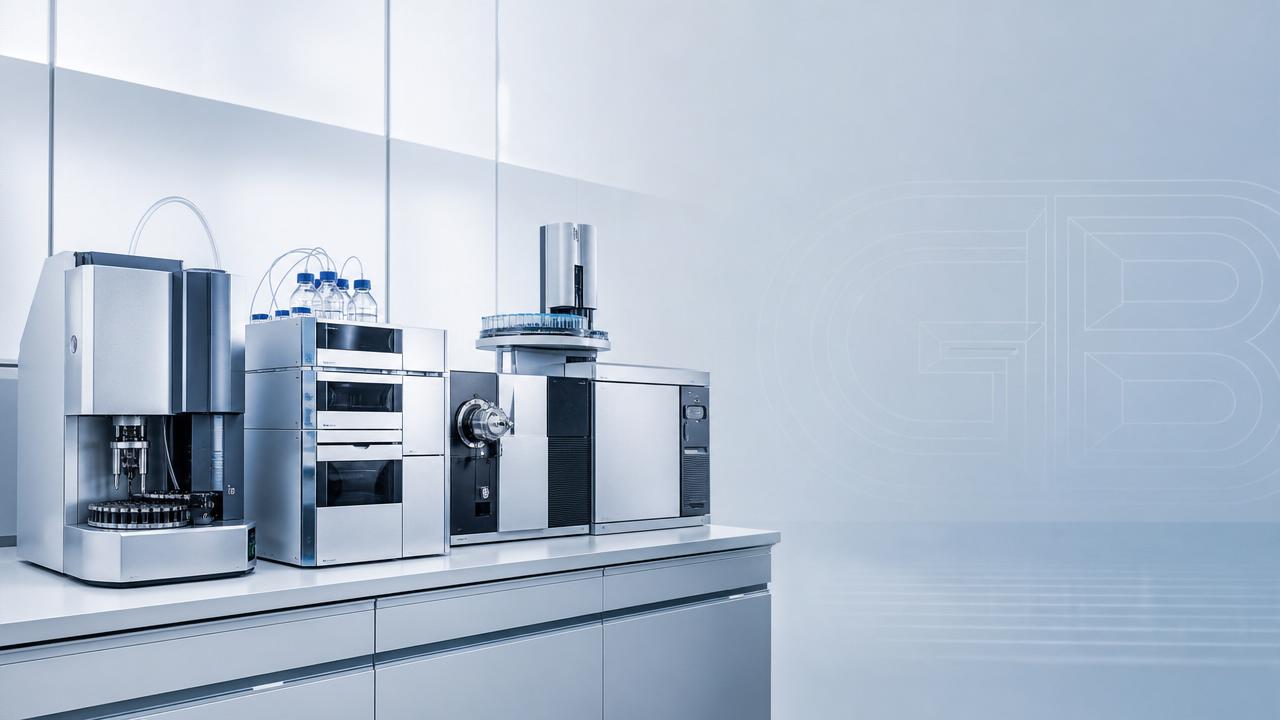
 1259 New National Standards Take Effect in May 20261259 new national standards effective May 2026 mandate GFAAS, LC-MS/MS & GC-MS for compliance—key for exporters, labs & instrument suppliers.
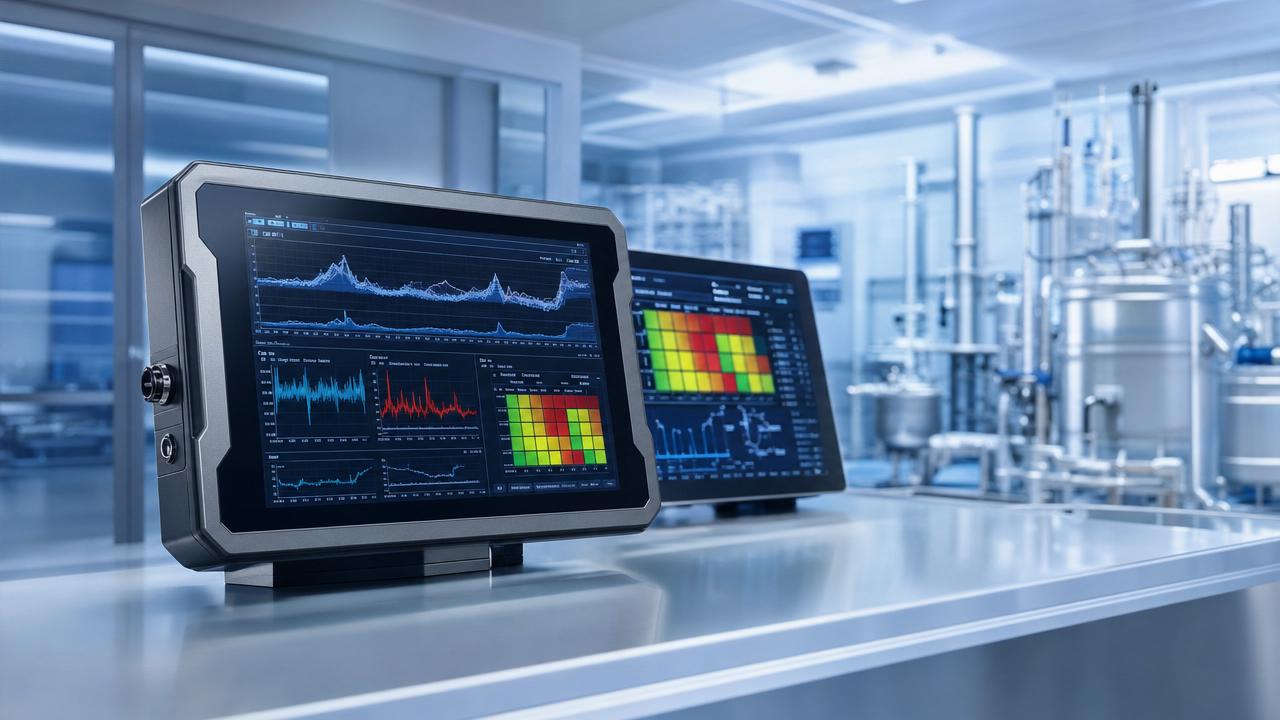
 GWM Patents AI-Driven Multi-Screen Quality Switching for Vehicle HMIsGWM's AI-driven multi-screen quality switching patent unlocks adaptive display tech for industrial HMIs, DCS stations & explosion-proof touchscreens — watch for certified deployments.
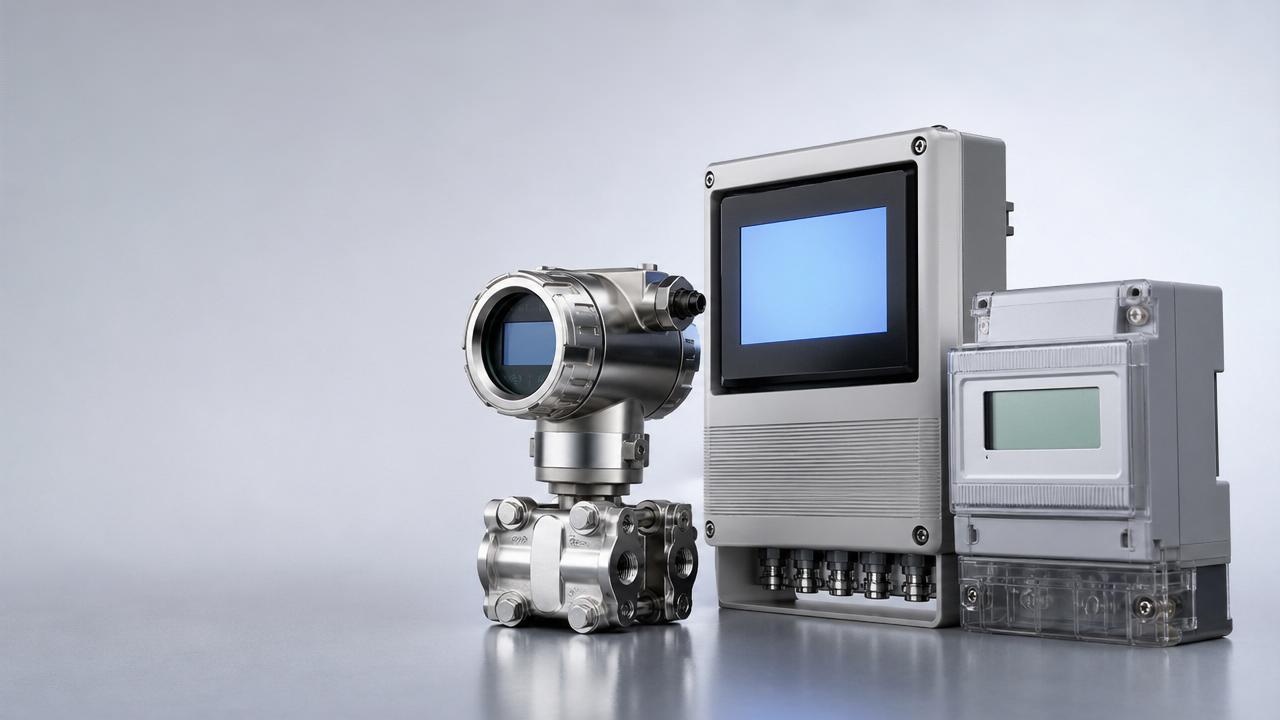
 US-China Tariffs Unified at 10% for InstrumentsUS-China tariffs on instruments unified at 10%—boosting cost efficiency for industrial process instruments, environmental monitoring equipment & energy meters. Act now.
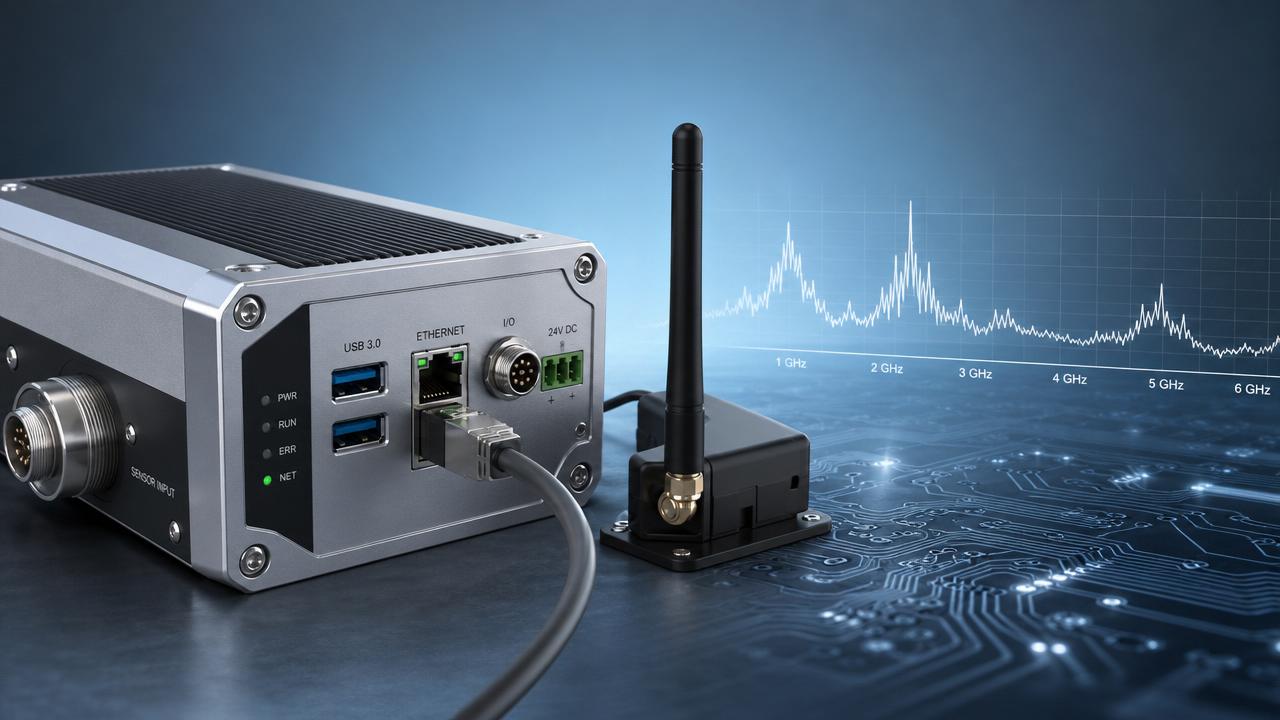
 EN 61000-6-4:2026 Enters Force for Industrial EMC ComplianceEN 61000-6-4:2026 is now mandatory for industrial EMC compliance — stricter 1–6 GHz emissions & dynamic AI-device testing. Act now to avoid EU market delays.
 New China Export Rules for Instruments Effective May 2026New China export rules for instruments require CNAS-issued CE/UKCA reports by May 2026 — ensure compliance now to avoid EU/UK shipment delays.
 EU CE-EPD Digital Compliance Label Mandatory from May 2026EU CE-EPD digital compliance label becomes mandatory for instrumentation exports from May 2026 — discover how Chinese OEMs, suppliers & EMS providers can prepare now.
Chat Online