


Instrumentation manufacturers reported revenue growth but lower profits in the first ten months of 2026, according to figures released by the National Bureau of Statistics on November 27. The sector generated 935.71 billion yuan in operating revenue, up 7.5% from the same period a year earlier, while total profit fell 1.3% to 83.20 billion yuan.
Operating costs rose 7.4% to 691.40 billion yuan. Across all industrial enterprises above the designated size, total profit reached 6,737.36 billion yuan, an increase of 16.0%. The contrasting figures show that the instrumentation sector did not share in the overall profit growth reported for this group of industrial enterprises.
Revenue growth did not translate into higher profit
The sector’s revenue and operating costs grew at almost the same rate, yet its total profit declined. That combination points to pressure on profitability, although the published figures do not establish the cause. Operating costs are only one part of the calculation: expenses and other items also affect total profit. The figures do not show which of these factors drove the decline.
Dividing total profit by revenue gives an indicative aggregate ratio of approximately 8.9% for January through October. Using the reported year-on-year growth rates to estimate the corresponding prior-period figures gives a ratio of approximately 9.7%. These calculations suggest a narrowing of roughly 0.8 percentage points, subject to rounding in the published figures.
The ratio is useful for comparing the two periods, but it should not be read as the margin earned on each product or contract. It combines results across the sector and uses total profit, which reflects more than the difference between revenue and operating costs.
Where the figures matter
For manufacturers, the immediate question raised by the data is how revenue growth relates to the costs and other items that determine profit. A company can record higher sales while earning less overall if the financial contribution from those sales weakens or other charges increase. The sector totals, however, do not show whether that pattern applied to individual businesses or product categories.
The distinction also matters when assessing suppliers to instrumentation manufacturers. If profit pressure continues, manufacturers may pay closer attention to purchasing costs and production efficiency. Whether that leads to changes in orders, prices or supplier terms will depend on individual business conditions; the figures themselves report no such changes.
For readers comparing instrumentation with the broader industrial sector, the difference in profit growth is a useful signal, but not a complete explanation of relative performance. The overall figure covers industrial enterprises above the designated size, while the instrumentation figure describes one manufacturing sector. The reported totals do not identify the mix of activities behind either result or explain the gap between them.
Subsequent official figures on revenue, costs and profit will help show whether the divergence persists. Particular attention can be paid to the relationship between revenue growth and profit growth: stronger revenue alone would not establish an improvement in profitability, while a recovery in profit relative to revenue would indicate a different direction at the aggregate level.



 Instrumentation Manufacturing Revenue Rises 7.5% as Profit Falls 1.3%Instrumentation manufacturing revenue rose 7.5% as profit fell 1.3% in January–October 2026. Explore what the figures reveal about sector profitability.
 Southwest Securities Sees Domestic Instrumentation Opportunity as AI Data Centers ExpandAI data center expansion could create opportunities for domestic high-end instrumentation suppliers. Explore Southwest Securities’ outlook and key adoption factors.
 11th China Analytical Instrumentation Academic Conference Opens in HefeiDiscover how ACAIC 2026 in Hefei brings analytical instrumentation experts together to explore emerging technologies and collaboration across the industry.
 Shenzhen Measurement, Control and Sensor Exhibition Set for November 2026Explore the Shenzhen Measurement, Control and Sensor Exhibition, November 26–28, 2026. Discover new technologies and connect with global suppliers.
 Underground Coal Mine Methane Monitoring Guideline Approved for DevelopmentUnderground coal mine methane monitoring guideline approved for development. Discover what the proposed standard could mean for buyers, suppliers and testing providers.
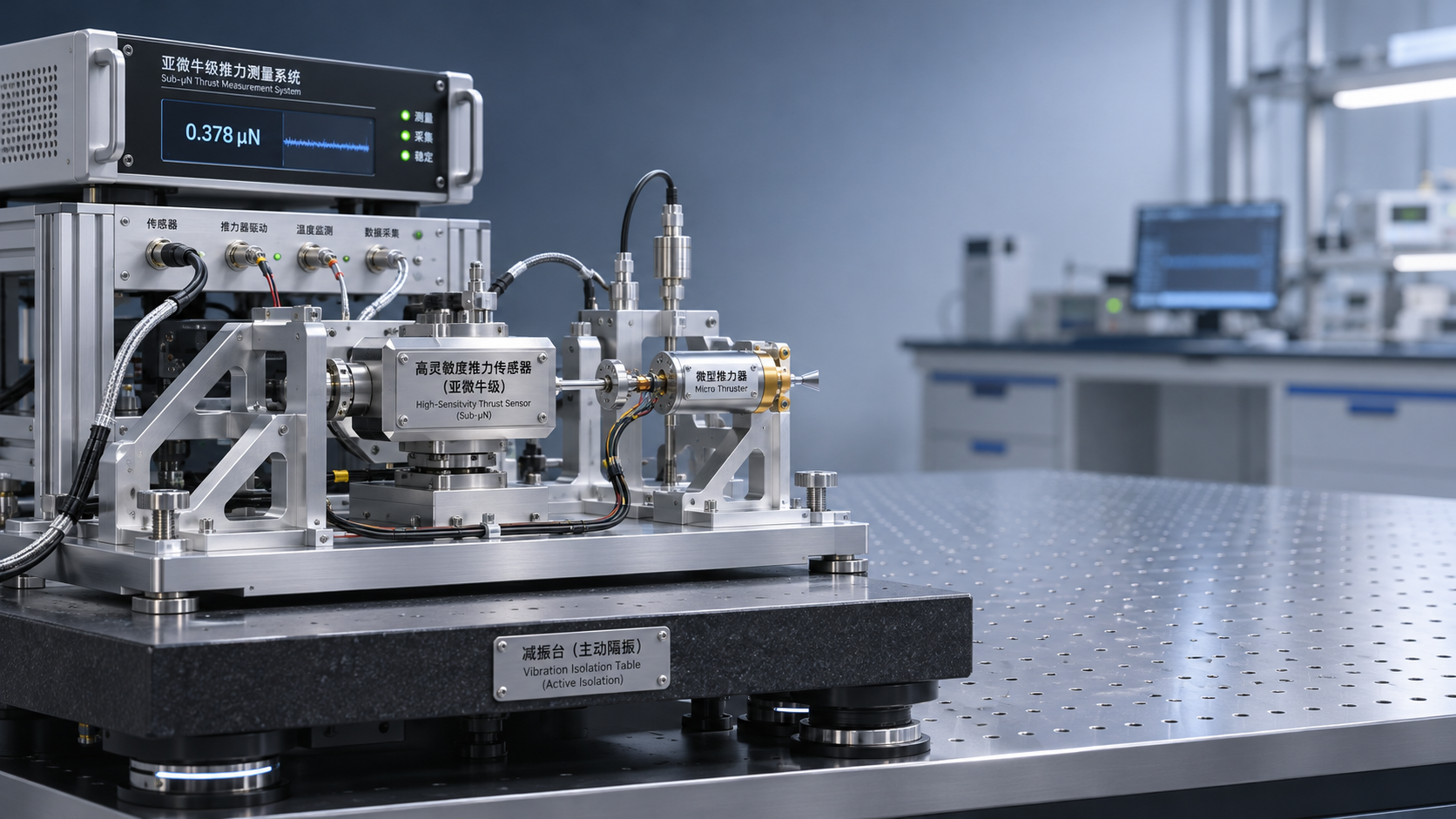
 Chinese Instrument Society Proposes CIS Standard for Sub-Micronewton Thrust MeasurementSub-micronewton thrust measurement could gain a common framework under a proposed CIS standard. Explore its potential impact on instruments, testing and procurement.



Chat Online