


A proposed group standard for intelligent methane monitoring in underground coal mines has been approved for development, according to the supplied event summary; the date of the decision was not specified. Led by the Ordos Inspection and Testing Center, the project may eventually influence how mine operators, equipment suppliers and service providers describe, procure and assess monitoring systems. Its immediate significance lies in the start of a standard-setting process, while the technical requirements and their use in the market remain to be seen.
A guideline project takes shape
The China Instrument and Control Society issued an approval for the group standard titled Guidelines for Intelligent Methane Monitoring Technology in Underground Coal Mines. The Ordos Inspection and Testing Center is leading its drafting.
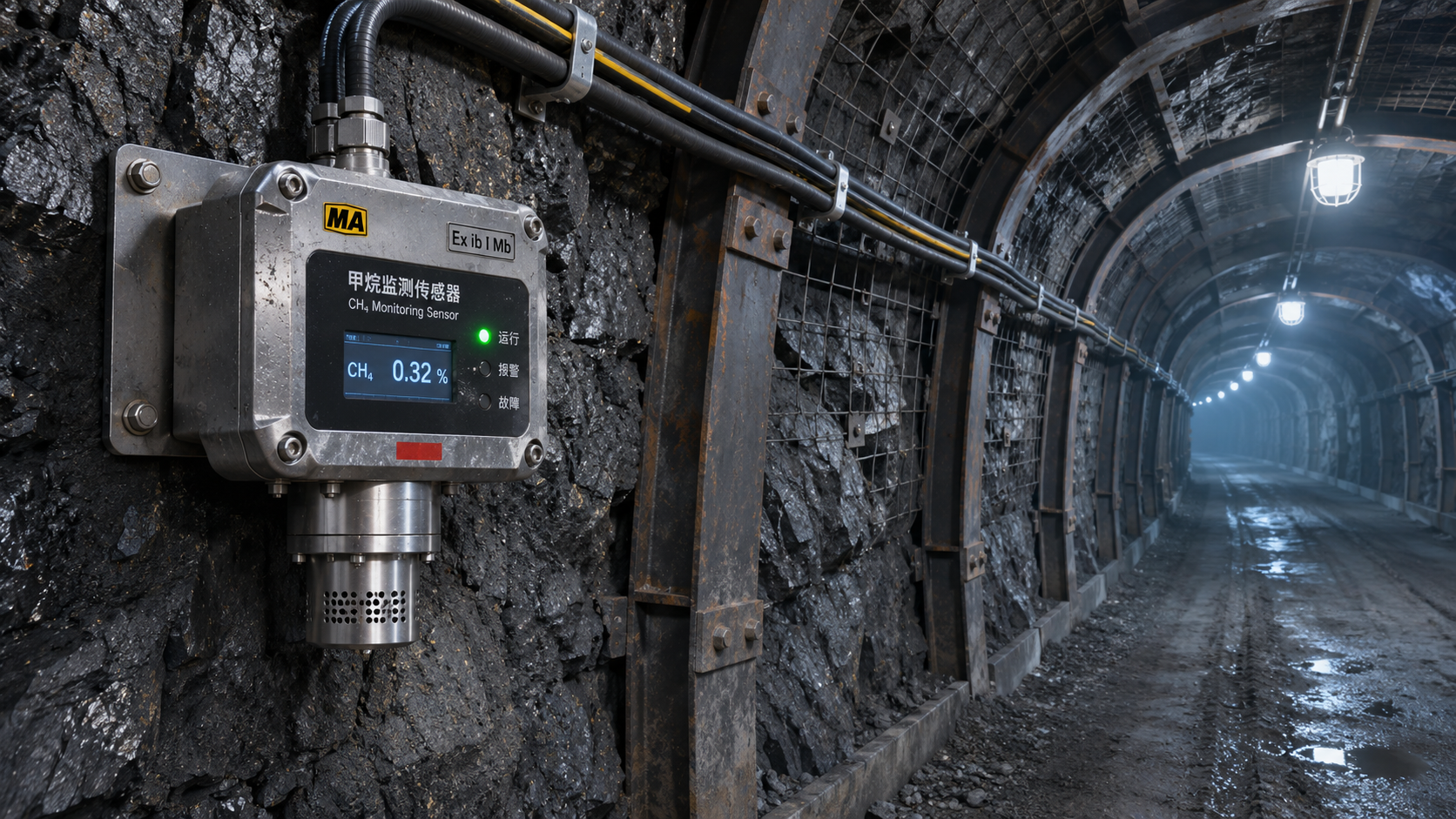
The project draws on demand for intelligent coal mine safety monitoring in Ordos. Its stated aim is to bring greater consistency to intelligent methane monitoring technology in underground coal mines and support the development of intelligent mines and inherently safer operations.
Where monitoring decisions could change
Mine operators and purchasing teams
From an industry perspective, operators and purchasers could be among the first to examine any eventual guidance because they decide how monitoring needs are expressed in procurement documents. If the completed standard addresses system capabilities or performance evidence, buyers may consider referring to it when comparing proposals. The supplied information does not establish that any such provisions have been drafted or that purchasing teams must apply them.
For now, a useful distinction is between an existing purchase specification and a possible future reference document. Buyers planning monitoring projects can watch for the proposed scope and consider whether future tender language might need review. They should avoid treating project approval as proof that equipment must already meet a new technical threshold.
Equipment manufacturers and system integrators
Manufacturers and integrators may eventually need to explain how individual monitoring products and complete systems relate to the published guidance, if buyers choose to use it. Depending on the final text, questions could arise at product selection, system design, installation or acceptance. These are possible points of application, not confirmed contents of the proposed standard.
Analysis suggests that suppliers would benefit from retaining clear technical descriptions and evidence supporting their existing claims. When draft or final provisions become available, they can compare those materials with the actual wording and identify any gaps. Until then, claiming conformity to an unpublished guideline would be premature.
Testing and inspection services
Testing and inspection providers could also face requests to help interpret or assess equipment against a future document. Whether such work is needed will depend on the text, the parties using it and any applicable arrangements established later. The approval alone does not announce a new test method, certification scheme or mandatory assessment.
Providers can therefore monitor the development of the guideline and review the relevance of their existing capabilities once its scope is clear. Operators and suppliers considering external assessment should establish what a requested report actually covers, rather than assuming that a general product report demonstrates conformity with an as-yet-unpublished standard.
Preparing for the next procurement conversation
Follow the document through development
The principal practical step is to track the proposed guideline from project approval to any draft and final publication. Businesses can check the issuing association's subsequent information for the document's scope, wording and status. They should also verify any stated conditions of use when the relevant material becomes available.
In particular, participants should distinguish a draft under discussion from a published standard and a voluntary reference in a contract from an independently applicable obligation. The supplied summary does not specify a publication schedule, implementation date or enforcement arrangement, so none can be assumed when planning a project.
Review specifications and supporting records
Mine operators can assess how their current purchasing documents describe methane monitoring needs and what evidence they ask bidders to provide. Suppliers can review product descriptions, system documentation and available test records so they can respond consistently if buyers later ask about the guideline. The appropriate evidence will depend on the eventual text and the terms of each procurement.
Where tenders or contracts mention the proposed document, both sides can check its title, edition and status before agreeing on an acceptance condition. If a requirement is unclear, clarification during the purchasing process may reduce disagreement over what must be delivered and how it will be evaluated.
Keep delivery and service assumptions visible
For integrators and service providers, a later change in buyer specifications could affect the information needed for system design, handover or ongoing support. That possibility does not establish that delivery procedures have already changed. Project teams can identify which documents and responsibilities are relevant to an existing order and revisit them if a purchaser introduces a verified new requirement.
Buyers and suppliers may also wish to discuss how a future standard reference would be handled during a project already under way. Any effect on scope, timing or cost would depend on the contract and the actual requirement; the project approval itself does not settle those questions.
Separate technical guidance from certification claims
The event concerns approval to develop a group standard. It does not, on the information supplied, create a certification mark or identify a certification body. Businesses should verify the basis of any later claim that a certificate or specific report is needed, including whether the claim comes from the published guideline, a purchaser's contract or another applicable source.
This distinction matters when reviewing quotations and supplier qualifications. A purchaser may choose to request evidence beyond what a guideline itself states, while a supplier may need to explain precisely what an existing test or certificate demonstrates. Neither possibility establishes a new universal requirement.
Approval is a signal to watch, not a finished rule
Editorial analysis suggests that the project is best understood as an early standard-setting signal. It identifies intelligent methane monitoring in underground coal mines as the subject of a coordinated drafting effort tied to a stated safety and intelligent-mining need. It does not yet establish what the final technical guidance will say or how widely purchasers will use it.
The most consequential details for the market will be the eventual scope and wording, the status of the published document, and whether operators incorporate it into procurement or acceptance documents. Feedback from equipment suppliers, mine operators and testing providers may also help businesses understand how any final guidance is interpreted in practice. Those outcomes remain open.
Trade and supply-chain effects should be judged on the same basis. A future buyer specification could influence documentation or supplier selection, but the supplied information does not identify a trade restriction, border requirement or change to existing certification arrangements. Companies should verify any such claim against the relevant later documents.
What the project means for current decisions
The approval gives the industry a defined development to follow in a safety-critical area of underground coal mining. For current decisions, the measured response is to maintain existing specification and compliance checks while monitoring the proposed guideline and preparing to assess its actual text. Its eventual commercial significance will depend on what is published and how market participants use it.
Basis for this report and points to verify
This article is based on the user-provided news title, event-time information and event summary. No specific official source link was provided in the input, and the underlying approval and subsequent developments still need to be verified. Relevant materials to monitor include association announcements, standard-setting documents, future procurement language and industry feedback on the guideline's development and use.



 Southwest Securities Sees Domestic Instrumentation Opportunity as AI Data Centers ExpandAI data center expansion could create opportunities for domestic high-end instrumentation suppliers. Explore Southwest Securities’ outlook and key adoption factors.
 11th China Analytical Instrumentation Academic Conference Opens in HefeiDiscover how ACAIC 2026 in Hefei brings analytical instrumentation experts together to explore emerging technologies and collaboration across the industry.
 Shenzhen Measurement, Control and Sensor Exhibition Set for November 2026Explore the Shenzhen Measurement, Control and Sensor Exhibition, November 26–28, 2026. Discover new technologies and connect with global suppliers.
 Underground Coal Mine Methane Monitoring Guideline Approved for DevelopmentUnderground coal mine methane monitoring guideline approved for development. Discover what the proposed standard could mean for buyers, suppliers and testing providers.
 Chinese Instrument Society Proposes CIS Standard for Sub-Micronewton Thrust MeasurementSub-micronewton thrust measurement could gain a common framework under a proposed CIS standard. Explore its potential impact on instruments, testing and procurement.
 China Expert Committee for IEC Smart Manufacturing Meets for 2026IEC smart manufacturing experts in China discuss data and international standards. Explore what the meeting could mean for instrumentation suppliers and buyers.





Chat Online