


The 11th China Analytical Instrumentation Academic Conference (ACAIC 2026) is being held in Hefei, Anhui, from November 27 to 29, 2026. Organized by the Analytical Instrument Branch of the Chinese Society of Instrumentation, the conference brings together participants from government, industry, academia, research, application and finance to discuss emerging technology and the industry ecosystem.
Its theme, “Collaborative Innovation and a Thriving Ecosystem,” places the relationship between technical development and cooperation across those groups at the center of the event. For analytical instrument developers, researchers and users, that framing raises a practical question: how can work across research, product development and application be connected more effectively?
From technical discussion to industry application
The range of groups involved suggests an interest in more than individual research findings. Discussions that connect technical capabilities with application needs could help participants identify where further collaboration would be useful. For researchers, that may mean understanding questions raised by instrument users; for developers, it may mean considering how research can be translated into instruments suited to those needs.
The presence of finance alongside research, industry and application also broadens the scope of the conversation. A connection between participants, however, does not by itself establish a funded project, a commercial partnership or a new product. The practical effect of the conference will depend on what participants choose to develop after their discussions.
Further attention can be directed to any public information on conference outcomes, including technical findings or collaborative initiatives. Such developments would offer a clearer indication of how the event’s emphasis on cooperation translates into activity across the analytical instrumentation sector.



 Southwest Securities Sees Domestic Instrumentation Opportunity as AI Data Centers ExpandAI data center expansion could create opportunities for domestic high-end instrumentation suppliers. Explore Southwest Securities’ outlook and key adoption factors.
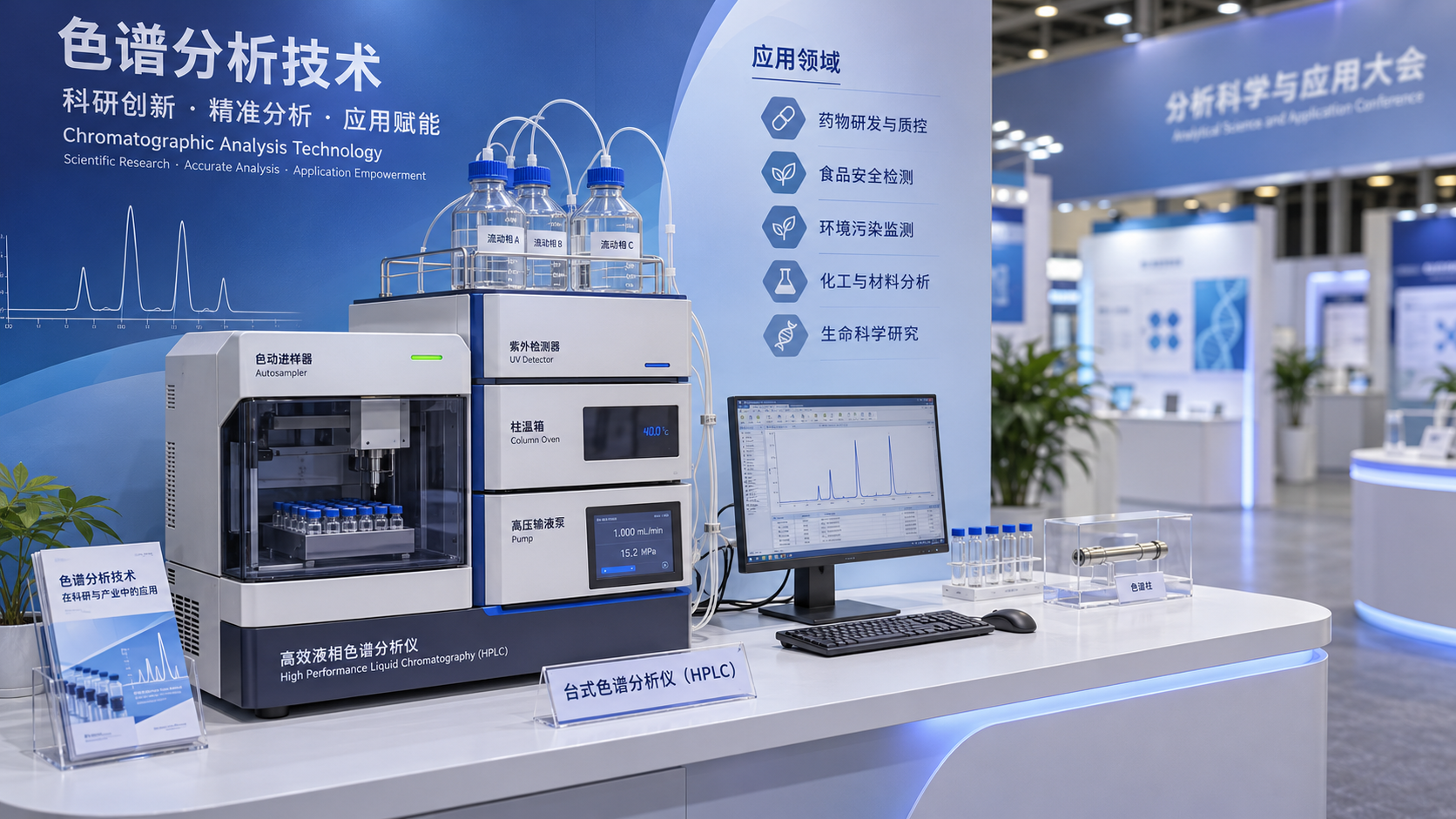
 11th China Analytical Instrumentation Academic Conference Opens in HefeiDiscover how ACAIC 2026 in Hefei brings analytical instrumentation experts together to explore emerging technologies and collaboration across the industry.
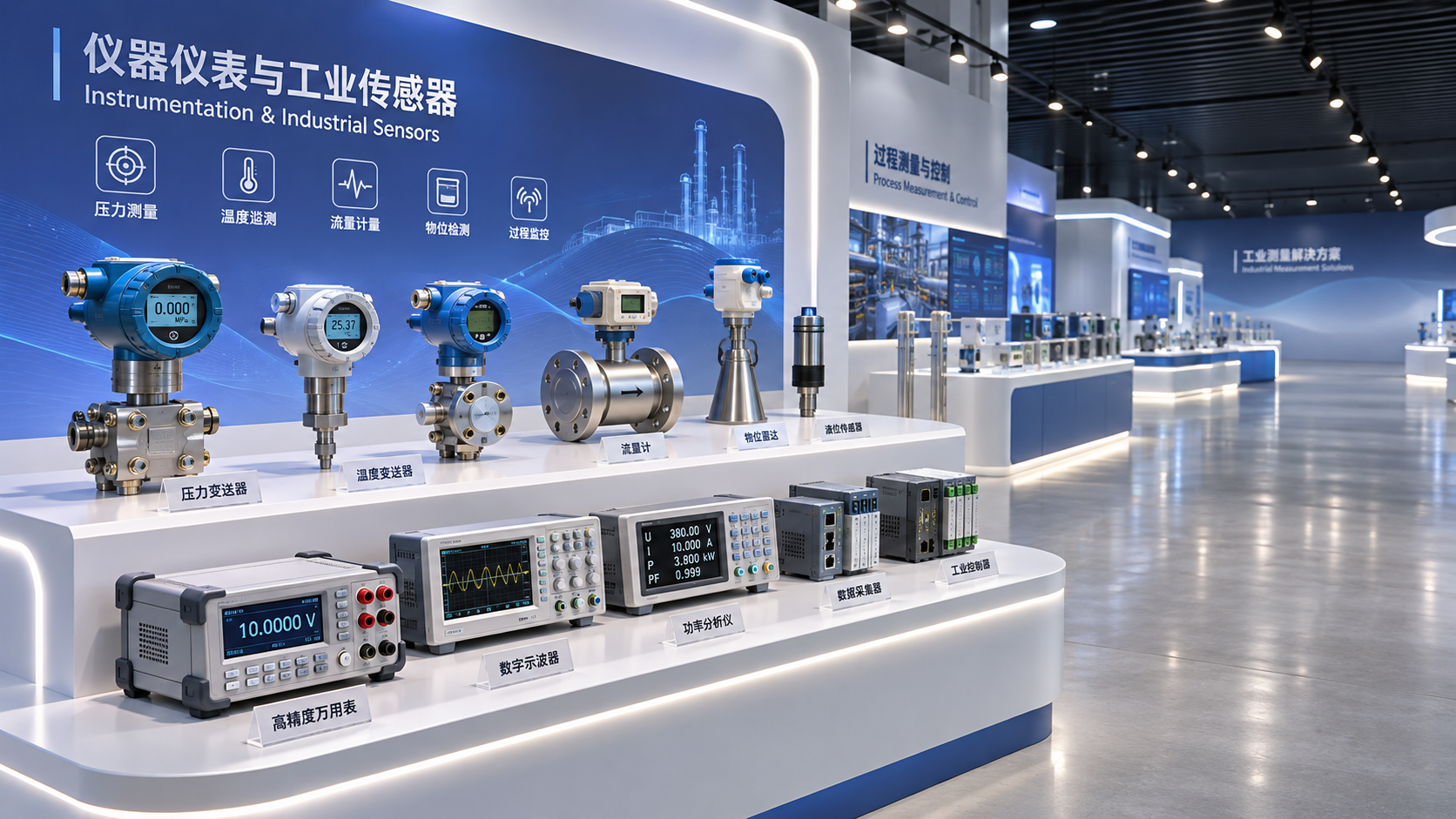
 Shenzhen Measurement, Control and Sensor Exhibition Set for November 2026Explore the Shenzhen Measurement, Control and Sensor Exhibition, November 26–28, 2026. Discover new technologies and connect with global suppliers.
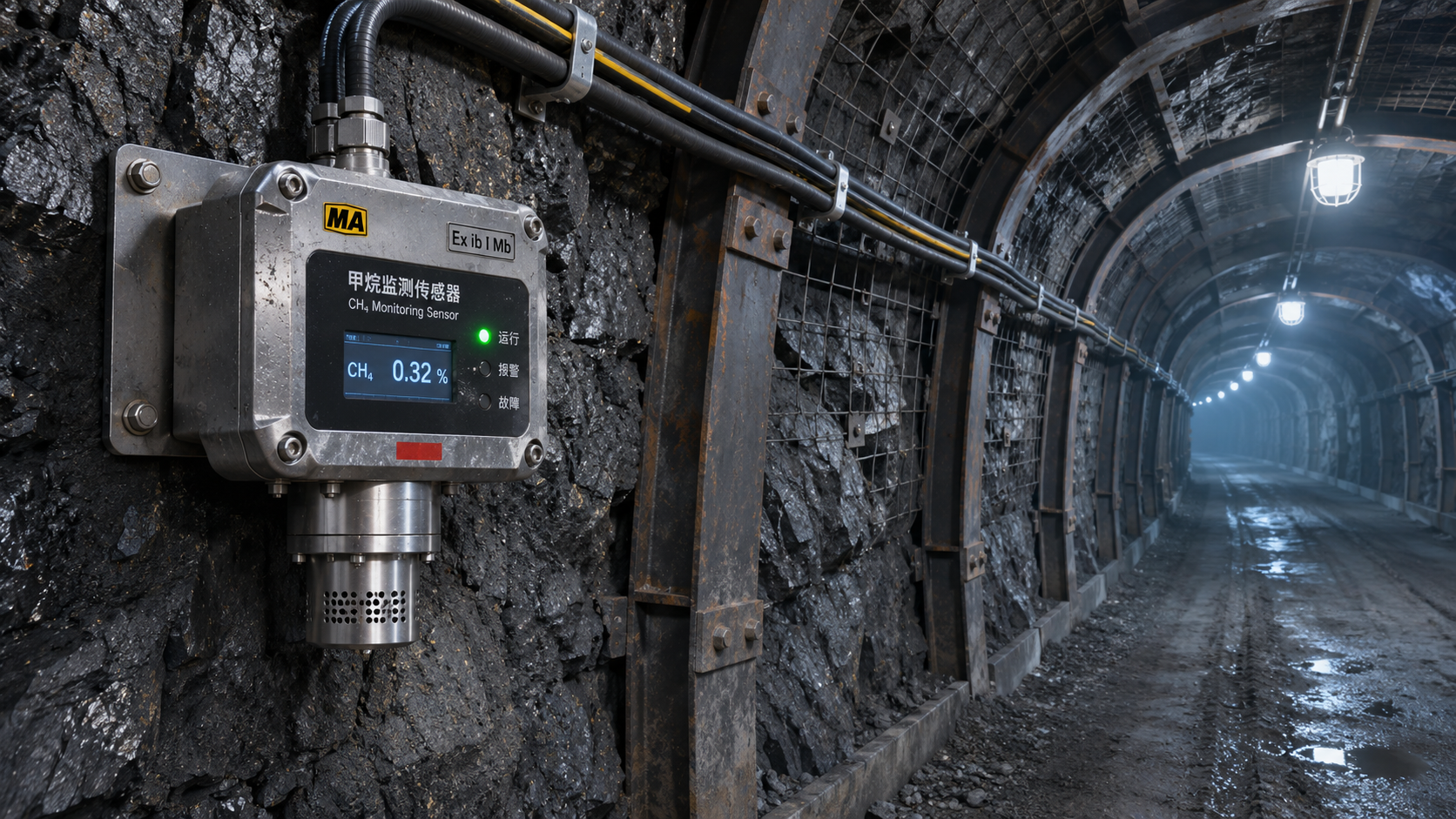
 Underground Coal Mine Methane Monitoring Guideline Approved for DevelopmentUnderground coal mine methane monitoring guideline approved for development. Discover what the proposed standard could mean for buyers, suppliers and testing providers.
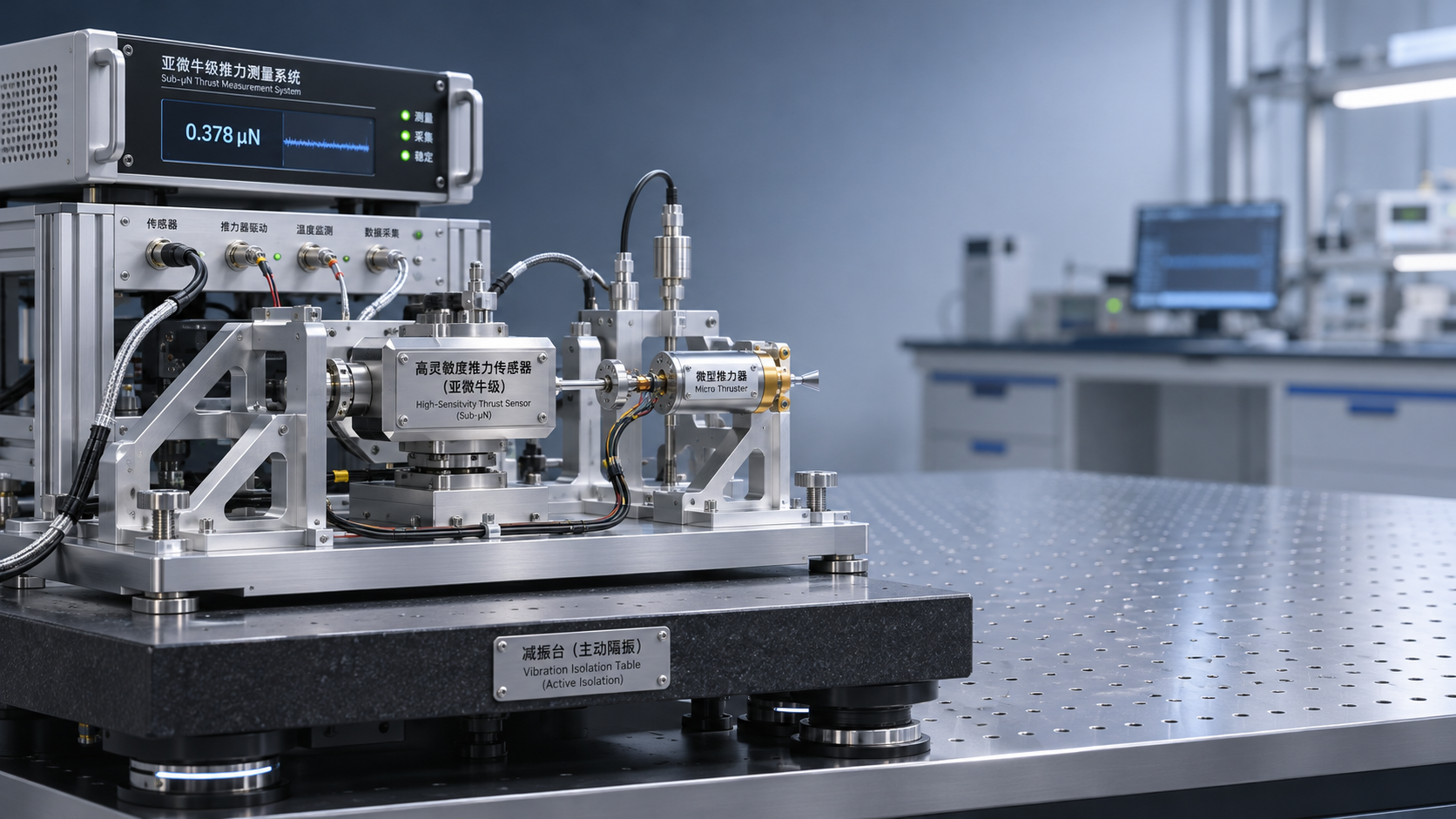
 Chinese Instrument Society Proposes CIS Standard for Sub-Micronewton Thrust MeasurementSub-micronewton thrust measurement could gain a common framework under a proposed CIS standard. Explore its potential impact on instruments, testing and procurement.
 China Expert Committee for IEC Smart Manufacturing Meets for 2026IEC smart manufacturing experts in China discuss data and international standards. Explore what the meeting could mean for instrumentation suppliers and buyers.

Chat Online