


On April 27, 2026, the Shanghai Institute of Optics and Fine Mechanics (SIOM) of the Chinese Academy of Sciences released a major instrument procurement notice with a total budget exceeding RMB 82 million. The tender explicitly prioritizes domestically manufactured laser interferometers accredited by China National Accreditation Service for Conformity Assessment (CNAS), particularly for nanoscale laser interferometric measurement systems compliant with GB/T 17167–2023 and ISO 10012 calibration requirements. This development is especially relevant to precision manufacturing, semiconductor equipment supply, metrology service providers, and exporters of high-end optical instrumentation.
Event Overview
On April 27, 2026, SIOM published an official procurement intention notice for large-scale scientific instruments, with a total planned budget of over RMB 82 million. Among the listed items, the ‘nanoscale laser interferometric measurement system’ specifies mandatory compliance with GB/T 17167–2023 (General Principles for Energy Metering Instrument Allocation and Management in Energy-Using Units) and ISO 10012 (Measurement management systems — Requirements for measurement processes and measuring equipment). The notice states that laser interferometers manufactured in China and accredited by CNAS are designated as priority-recommended models.
Industries Affected by This Development
Export-Oriented Precision Instrument Manufacturers
These enterprises may experience increased visibility in public-sector tenders requiring domestic certification alignment. The explicit preference for CNAS-accredited domestic interferometers signals a tightening of technical compliance expectations—not only for domestic use but also for export markets where traceability to national metrological standards is increasingly scrutinized.
Semiconductor & Advanced Manufacturing Equipment Integrators
Integrators relying on imported interferometers for motion control, stage calibration, or overlay metrology may face revised qualification criteria in future R&D or facility upgrade tenders. The specification’s emphasis on ISO 10012 and GB/T 17167–2023 implies greater weight on documented calibration chain integrity and energy-related measurement accountability—factors directly tied to process repeatability and regulatory audit readiness.
Metrology Service Providers & Calibration Laboratories
Laboratories offering third-party verification or uncertainty evaluation for interferometric systems may see rising demand for CNAS-recognized validation services. The tender’s dual-reference to both national (GB/T) and international (ISO) standards suggests a convergence of domestic regulatory rigor and global metrological practice—potentially expanding scope for cross-validated reporting.
What Relevant Enterprises or Practitioners Should Monitor and Do Now
Track Official Tender Documents and Technical Specifications
The current notice is an intent announcement—not a final tender. Enterprises should monitor SIOM’s official procurement platform for the full technical specification document, particularly clauses related to traceability documentation, uncertainty budgets, and required CNAS scope codes (e.g., CNAS-CL01:2018 accreditation for calibration laboratories).
Verify Alignment Between Product Documentation and Stated Standards
Manufacturers should cross-check whether their existing laser interferometer models carry active CNAS accreditation covering the exact measurement parameters cited (e.g., linear displacement, angular deviation, thermal drift compensation). Compliance with GB/T 17167–2023 relates not just to device accuracy, but to installation, recordkeeping, and periodic verification protocols.
Distinguish Policy Signal from Immediate Procurement Impact
This notice reflects a directional preference—not a blanket exclusion of non-CNAS or non-domestic systems. However, it indicates growing institutional emphasis on verifiable metrological sovereignty. Firms should treat it as an early indicator of evolving evaluation criteria in national lab and key industry R&D infrastructure procurements.
Prepare Technical Documentation for Potential Bid Participation
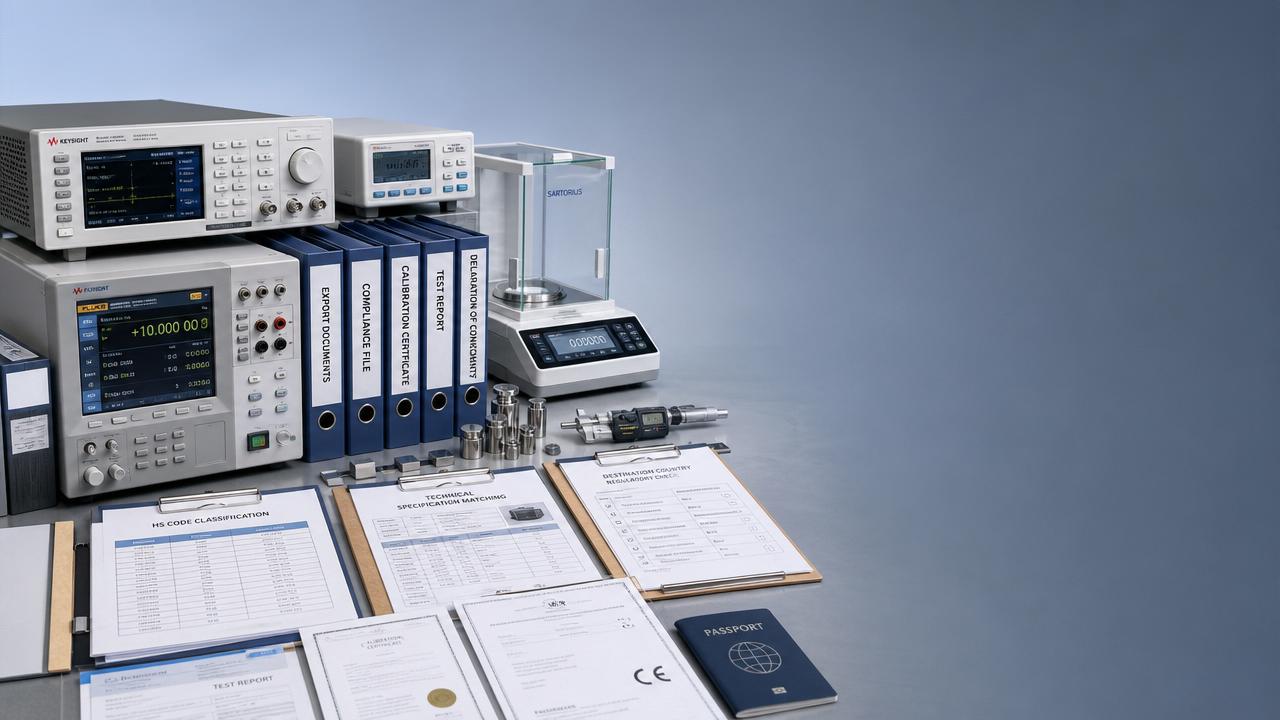
Suppliers intending to respond should compile calibration certificates, uncertainty budgets, CNAS scope statements, and evidence of conformity to both ISO 10012 (process-level measurement management) and GB/T 17167–2023 (energy metering governance). Pre-submission alignment checks with SIOM’s procurement office are advisable where permitted.
Editorial Observation / Industry Perspective
Observably, this procurement intent functions primarily as a policy signal—not yet an operational outcome. It underscores a deliberate institutional effort to anchor high-precision optical metrology procurement to nationally recognized accreditation frameworks while maintaining compatibility with internationally accepted calibration principles. Analysis shows the dual-standard reference (GB/T + ISO) is less about substituting global norms than about reinforcing domestic traceability pathways within them. From an industry perspective, this reflects a maturing phase in China’s metrological infrastructure: one where domestic capability is no longer framed solely as cost-advantaged alternative, but as a technically validated component of standardized, auditable measurement ecosystems. Continued attention is warranted—not because this single notice changes market access rules, but because it exemplifies a replicable template now being adopted across national research institutes and state-funded industrial projects.
Conclusion: This notice does not represent a regulatory mandate nor an immediate shift in procurement eligibility. Rather, it serves as a calibrated indicator of evolving technical evaluation priorities in China’s advanced optics and precision engineering sectors. It is more appropriately understood as a forward-looking benchmark—one that highlights the growing importance of CNAS-recognized metrological compliance alongside internationally harmonized calibration practices. Stakeholders should interpret it not as a deadline, but as a reference point for aligning long-term product validation, documentation, and market positioning strategies.
Information Source: Procurement Intention Notice published by Shanghai Institute of Optics and Fine Mechanics (SIOM), Chinese Academy of Sciences, dated April 27, 2026. Note: Final tender documents, bid timelines, and model-specific technical requirements remain pending official release and require ongoing monitoring.


 Asia-Europe Freight Surcharges Lift Costs for Instrument ExportsAsia-Europe Freight Surcharges are raising instrument export costs fast. See how HS 9026/9027 cargo, booking quotas, rail alternatives, and trade risk shifts could impact your supply chain.
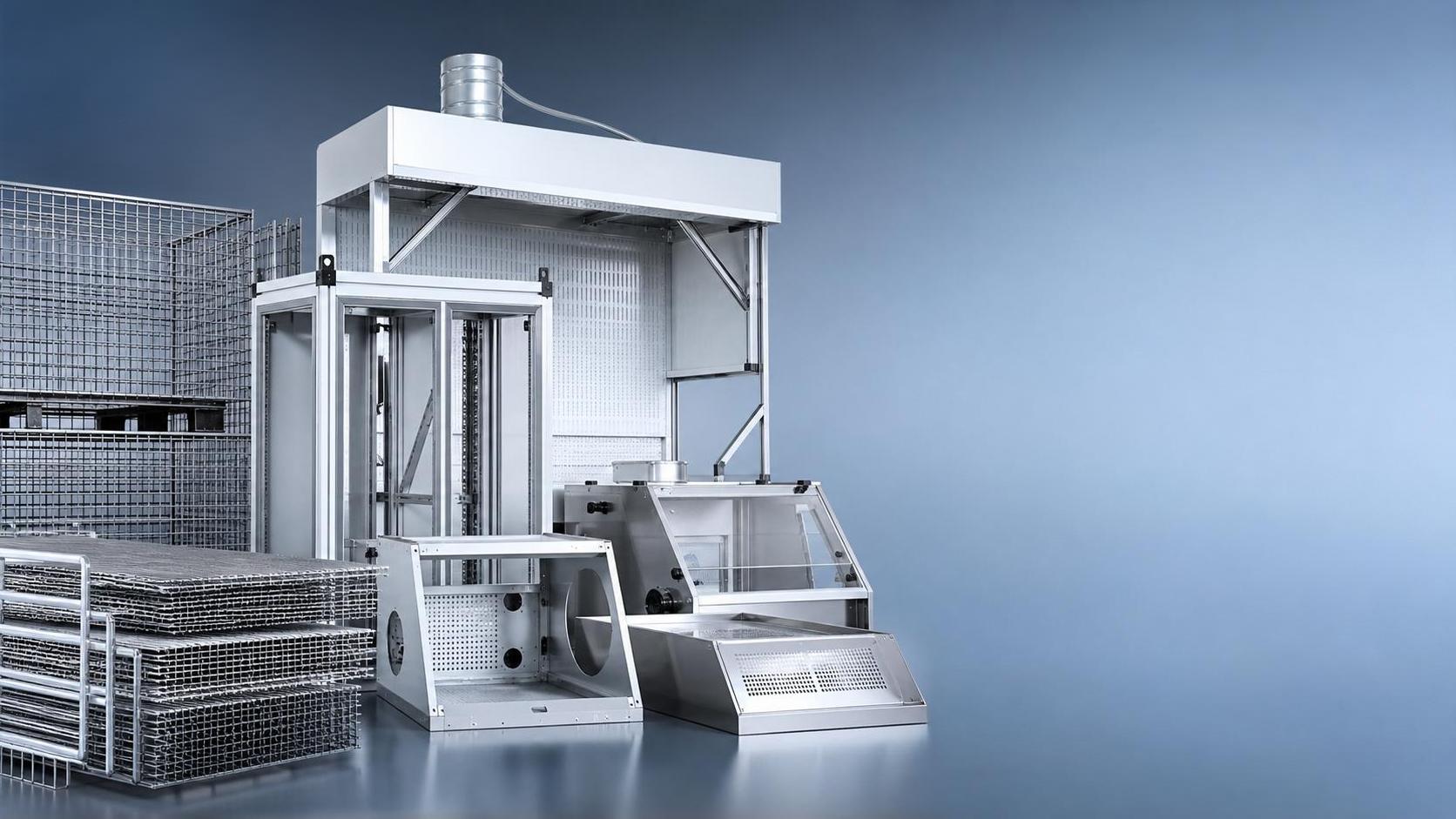
 EU Opens Anti-Dumping Probe Into Chinese Welded Steel MeshEU anti-dumping probe into Chinese welded steel mesh could reshape instrumentation export costs, sourcing risk, and EU supply chain planning. Read the key impacts now.
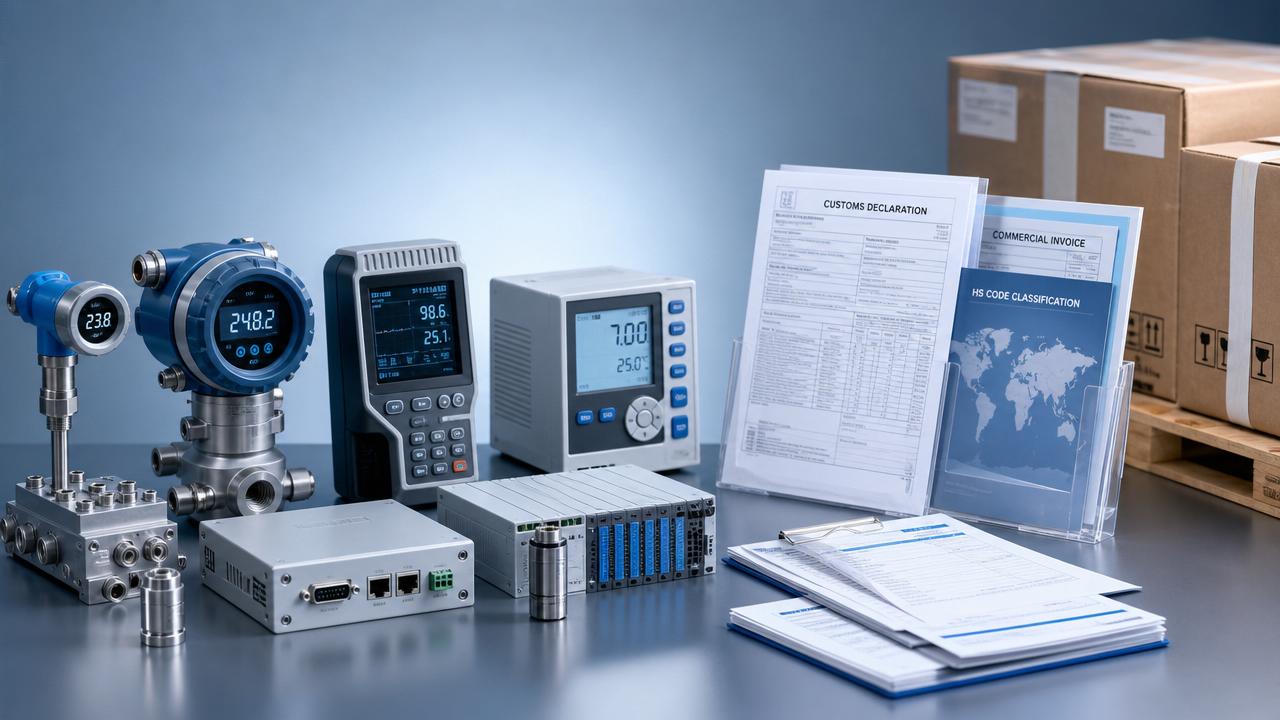
 China Customs Rolls Out AI HS Tool for Instrument ExportsChina Customs rolls out an AI HS tool for instrument exports under HS Chapter 90. Learn how it improves classification accuracy, speeds clearance, and impacts export compliance.
 China Customs Launches Smart HS Tool for Instrument ExportsChina Customs Launches Smart HS Tool for Instrument Exports, boosting HS code accuracy to 98.2%. Learn how it improves compliance, reduces clearance risk, and supports smoother global instrument shipments.
 China Customs Launches Smart HS Tool for Instrument ExportsChina Customs launches a smart HS tool for instrument exports, helping manufacturers and exporters improve HS code accuracy, reduce compliance risks, and speed up customs clearance.
") China's Instruments Rise: 7 Firms in Global Top 25 (2026)China's Instruments Rise: 7 firms enter 2026 Global Top 25 — Hikvision #4, United Imaging & SUPCON debut. Key insights for procurement, compliance & AI-integrated instrumentation.
China's Instruments Rise: 7 Firms in Global Top 25 (2026)China's Instruments Rise: 7 firms enter 2026 Global Top 25 — Hikvision #4, United Imaging & SUPCON debut. Key insights for procurement, compliance & AI-integrated instrumentation.


Chat Online