


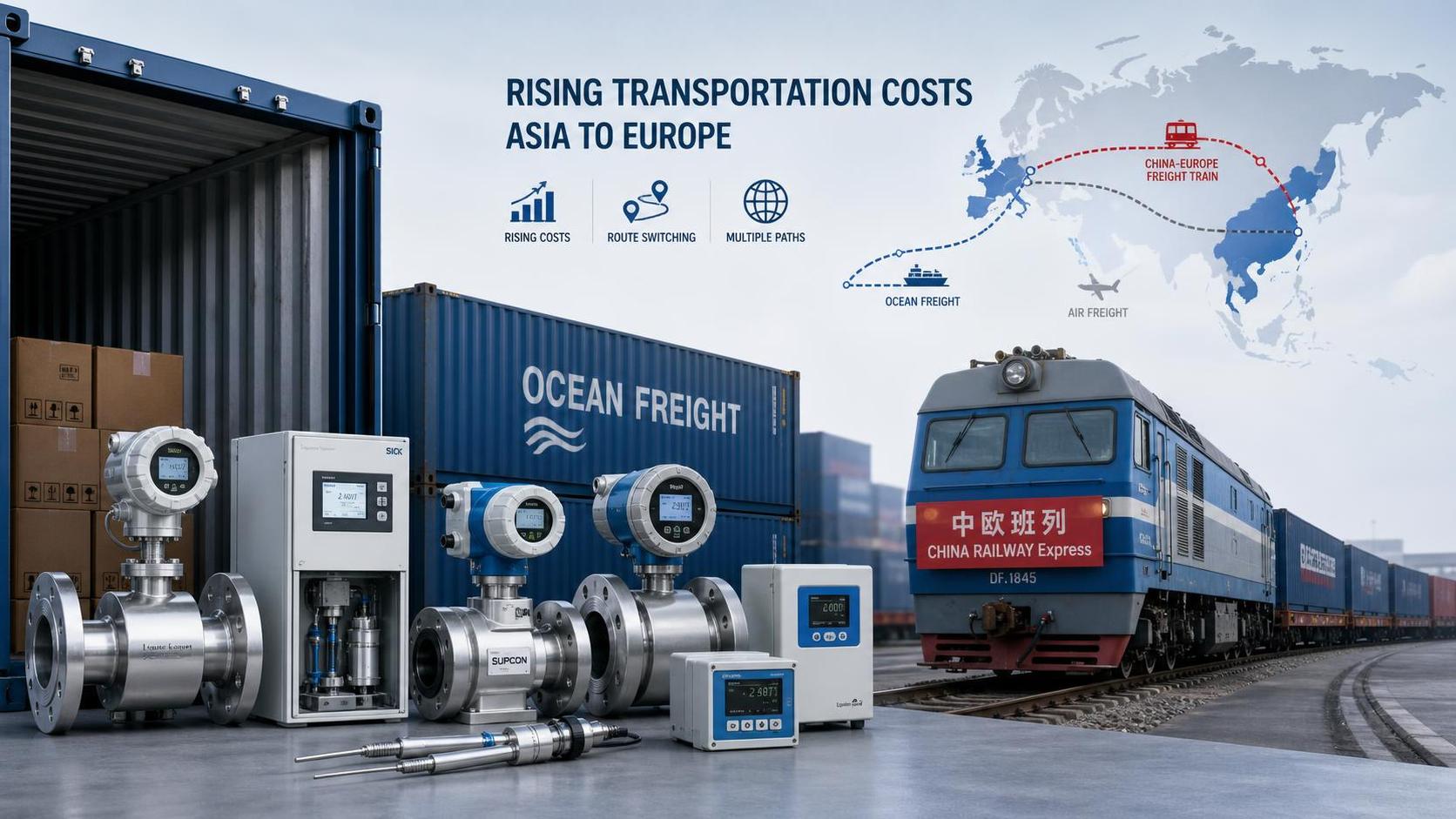
On May 3, 2026, major container carriers Maersk, CMA CGM, and Hapag-Lloyd jointly adjusted spot rates on key Asia–Europe trunk routes (AE1/AE6), citing sustained inefficiencies in Suez Canal transits. The surge—particularly impacting high-sensitivity cargo such as precision instruments—has triggered operational reassessments across electronics, medical device, and industrial equipment supply chains.
Event Overview
On May 3, 2026, Maersk, CMA CGM, and Hapag-Lloyd announced an increase in spot freight rates for the Asia–Europe mainline services AE1 and AE6. The new rate stands at $5,800 per 40HQ container, representing a 35% rise over the April 2026 average. Separately, an additional surcharge of $1,200 per TEU has been applied to shipments requiring temperature control, shock mitigation, and zero-stack storage—categories commonly associated with precision instruments including laser interferometers and atomic force microscope support systems.
Which Sub-Sectors Are Affected
Direct Trading Enterprises
Exporters shipping finished precision instruments from Shanghai to Rotterdam face immediate cost pressure. The $1,200 instrument-specific surcharge applies regardless of base rate, increasing landed cost unpredictability. Margins on high-value, low-volume shipments—typical for metrology and nanotech equipment—are especially vulnerable.
Manufacturing Enterprises (OEM/ODM)
Firms integrating imported precision components into final assemblies are affected indirectly: rising inbound logistics costs may delay component arrival or trigger quality-related handling adjustments (e.g., added onsite calibration post-unloading). Lead time variability also increases due to tighter carrier-controlled equipment-handling protocols.
Distribution & Channel Operators (EU-based)
European distributors serving research labs, semiconductor fabs, and academic institutions report heightened cost sensitivity. As noted in the announcement, several are evaluating alternative logistics models—including rail transport from China to Eastern Europe followed by local assembly or kitting—to bypass direct maritime exposure to the AE1/AE6 corridor.
Supply Chain Service Providers
Third-party logistics providers and freight forwarders handling instrument shipments must now verify carrier-specific handling waivers, pre-approve temperature-log requirements, and confirm stacking restrictions prior to booking. Documentation lead times have tightened, and some carriers require 72-hour advance notice for special cargo acceptance.
What Stakeholders Should Monitor and Do Now
Track official carrier advisories—not just rate sheets
The $1,200 surcharge is explicitly tied to technical handling criteria (not general ‘high-value’ classification). Stakeholders should review each carrier’s published definitions of ‘precision instrument cargo’ and confirm whether their specific SKUs meet those thresholds—before assuming applicability.
Assess exposure by lane and product category
Not all Shanghai–Rotterdam shipments are equally impacted. Companies should isolate SKUs requiring active temperature control or certified anti-vibration packaging—and quantify volume-weighted exposure across AE1/AE6 versus alternative routes (e.g., via Northern Europe ports or transshipment hubs).
Evaluate near-term operational contingencies—not just long-term strategy
While ‘China–Eastern Europe rail + local assembly’ is under evaluation, current implementation remains limited to feasibility studies. In the interim, stakeholders should prioritize short-cycle actions: validating alternate port discharge options (e.g., Hamburg or Bremerhaven), confirming inland drayage capacity for early unstacking, and updating Incoterms to clarify responsibility for handling surcharges.
Editorial Perspective / Industry Observation
Observably, this adjustment reflects not a one-off tariff revision but a structural recalibration of risk pricing for time- and condition-sensitive cargo on stressed east–west corridors. Analysis shows the 35% base-rate hike aligns with documented Suez Canal transit delays averaging >18 hours beyond scheduled windows since March 2026—suggesting carriers are embedding congestion risk directly into spot pricing. From an industry perspective, the introduction of a dedicated instrument surcharge signals growing carrier differentiation by cargo class—not just by weight or volume. This move is better understood as an early indicator of route-specific service tiering, rather than a temporary cost spike. Continuous monitoring of AE1/AE6 booking windows, carrier-mandated documentation timelines, and Suez Canal Authority throughput data remains essential.
Conclusion
This rate adjustment underscores how infrastructure-level constraints—here, persistent Suez Canal inefficiencies—are translating directly into differentiated cost structures for specialized cargo segments. It does not yet signal a broad-based rerouting of Asia–Europe trade, but it does mark a shift toward more granular, condition-aware pricing. For stakeholders, the current situation is best interpreted as a trigger for tactical supply chain validation—not strategic overhaul—pending further data on duration and scope of the adjustment.
Information Sources
Main source: Joint carrier announcement issued by Maersk, CMA CGM, and Hapag-Lloyd on May 3, 2026. Ongoing observation required for: (1) potential extension of the instrument surcharge to other lanes (e.g., AE2, AE7); (2) confirmation of whether the $1,200 fee applies to all 40HQ containers carrying listed equipment, or only those booked under specific service contracts.


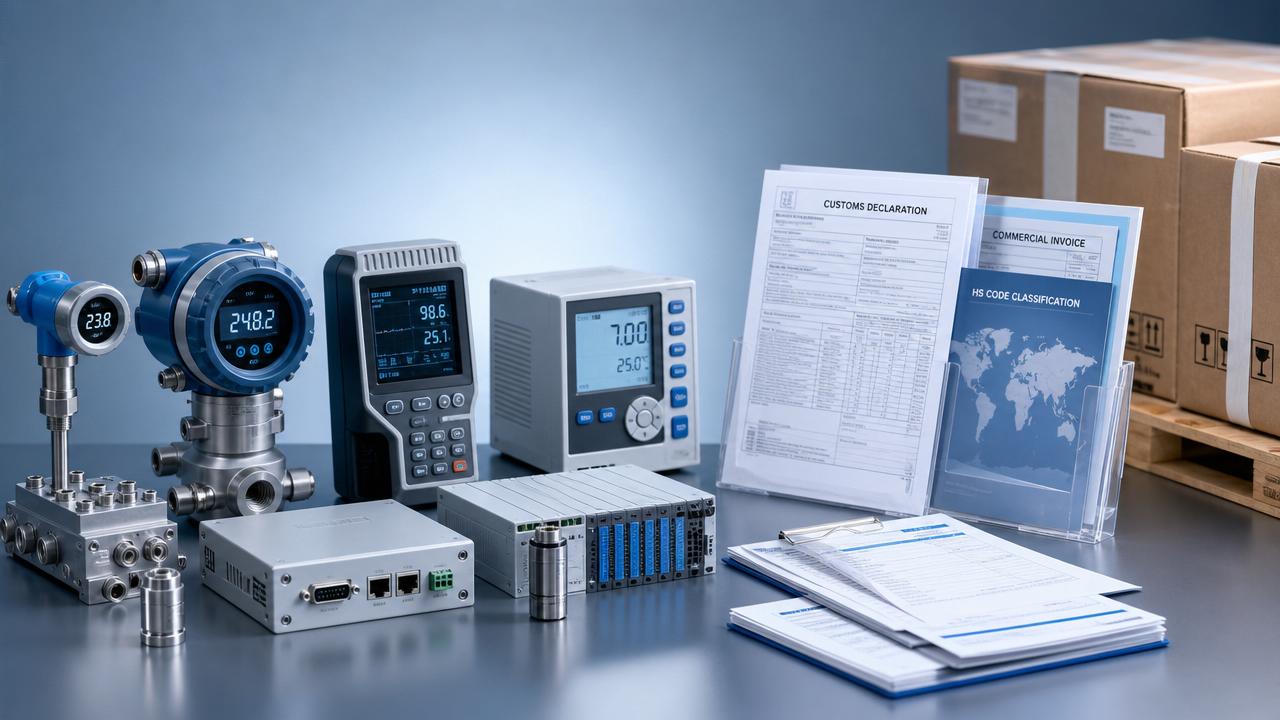
 Asia-Europe Freight Surcharges Lift Costs for Instrument ExportsAsia-Europe Freight Surcharges are raising instrument export costs fast. See how HS 9026/9027 cargo, booking quotas, rail alternatives, and trade risk shifts could impact your supply chain.
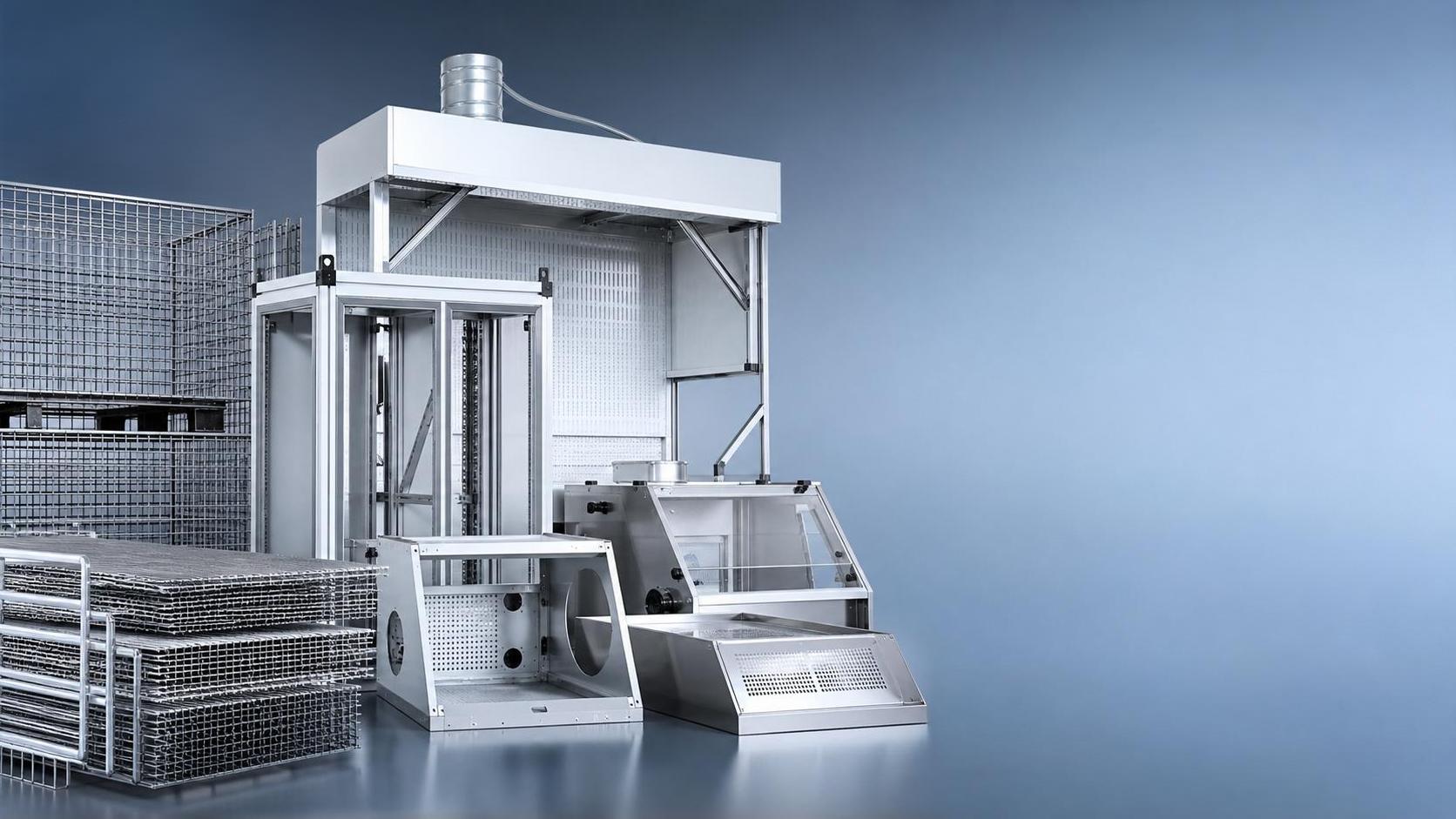
 EU Opens Anti-Dumping Probe Into Chinese Welded Steel MeshEU anti-dumping probe into Chinese welded steel mesh could reshape instrumentation export costs, sourcing risk, and EU supply chain planning. Read the key impacts now.
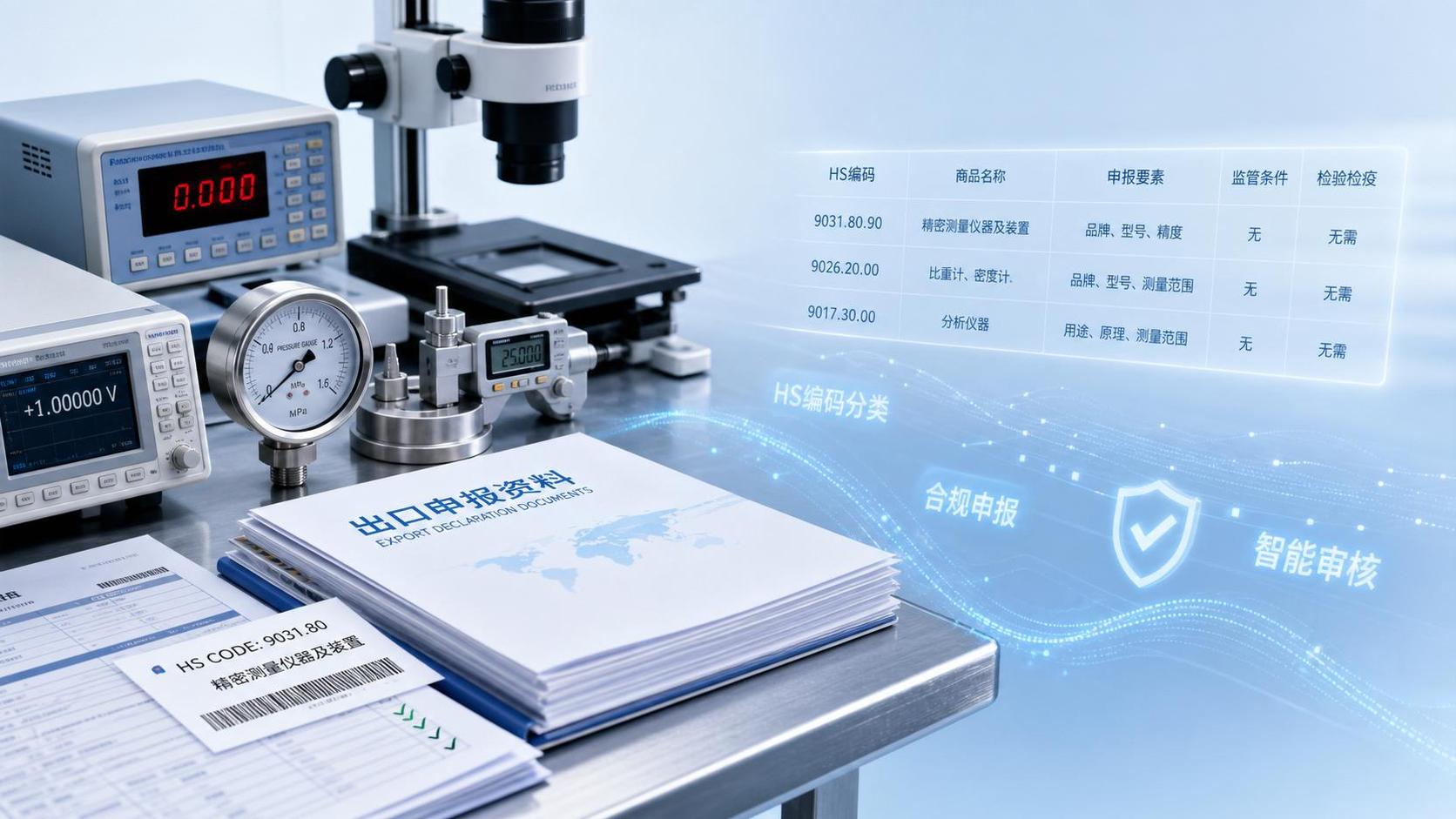
 China Customs Rolls Out AI HS Tool for Instrument ExportsChina Customs rolls out an AI HS tool for instrument exports under HS Chapter 90. Learn how it improves classification accuracy, speeds clearance, and impacts export compliance.
 China Customs Launches Smart HS Tool for Instrument ExportsChina Customs Launches Smart HS Tool for Instrument Exports, boosting HS code accuracy to 98.2%. Learn how it improves compliance, reduces clearance risk, and supports smoother global instrument shipments.
 China Customs Launches Smart HS Tool for Instrument ExportsChina Customs launches a smart HS tool for instrument exports, helping manufacturers and exporters improve HS code accuracy, reduce compliance risks, and speed up customs clearance.
") China's Instruments Rise: 7 Firms in Global Top 25 (2026)China's Instruments Rise: 7 firms enter 2026 Global Top 25 — Hikvision #4, United Imaging & SUPCON debut. Key insights for procurement, compliance & AI-integrated instrumentation.
China's Instruments Rise: 7 Firms in Global Top 25 (2026)China's Instruments Rise: 7 firms enter 2026 Global Top 25 — Hikvision #4, United Imaging & SUPCON debut. Key insights for procurement, compliance & AI-integrated instrumentation.
Chat Online