


The U.S. Food and Drug Administration updated its In Vitro Diagnostic (IVD) Instrument Importer Guidance on June 6, 2026, with the revised requirements taking effect on September 15, 2026. For companies in China exporting IVD laboratory analyzers to the U.S., the update is worth close attention because it goes beyond labeling language and reaches into device documentation and built-in calibration record settings, affecting compliance preparation, delivery readiness, and importer-manufacturer coordination.
What the FDA update explicitly requires
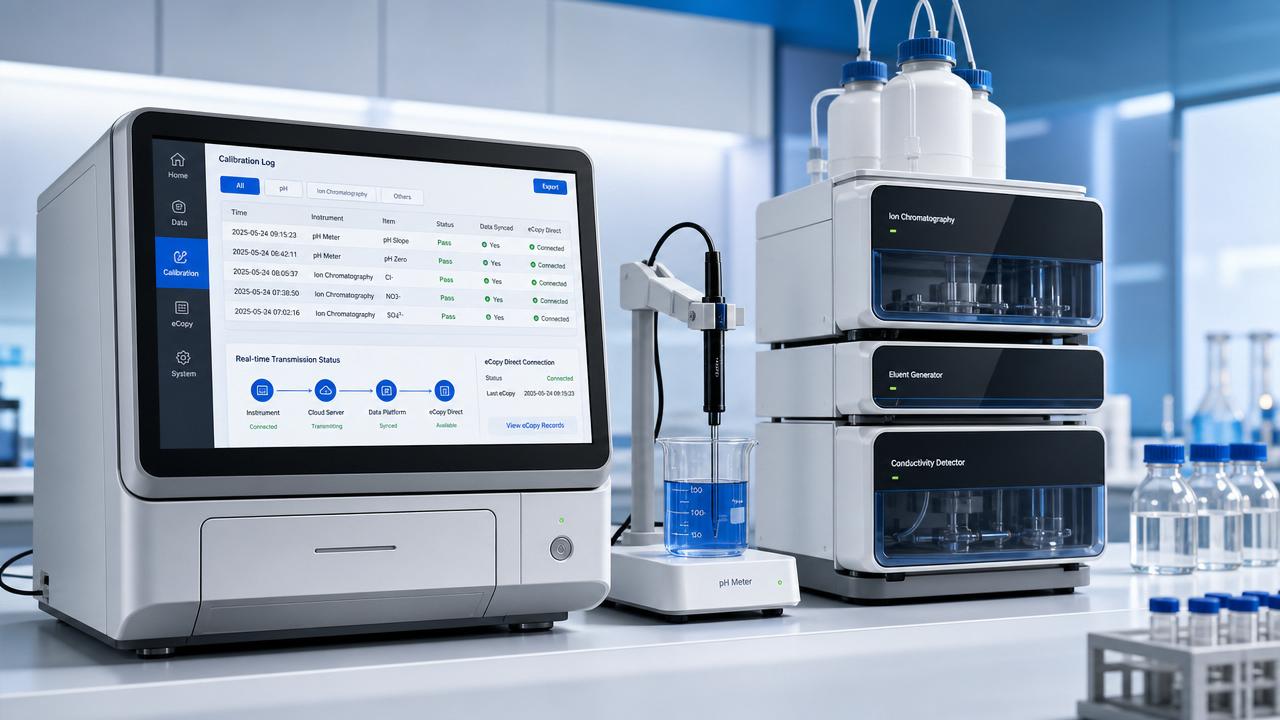
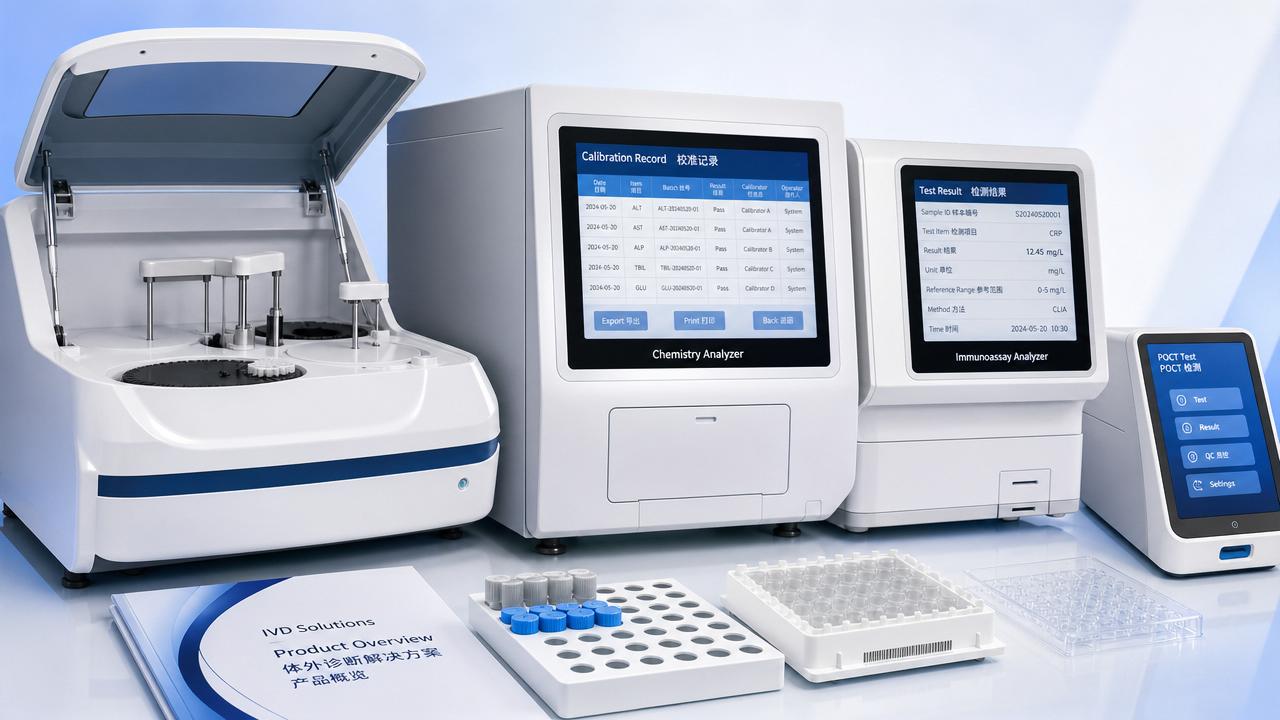
According to the information provided, from September 15, 2026, all IVD analyzers imported into the United States must be accompanied by Chinese-English bilingual instructions certified by an FDA-recognized translation body. The same update also requires the device’s built-in calibration log system to have bilingual timestamps and operating records enabled by default.
The scope described in the input covers imported in vitro diagnostic instruments including biochemical analyzers, immunoassay analyzers, and POCT testing platforms. The rule is stated to apply to Pharmaceutical and Medical Device instrument manufacturers in China that export relevant equipment to the U.S. market.
Where the operational impact is likely to appear
Manufacturers shipping finished IVD instruments
From an industry perspective, this group is the most directly affected because the new requirement is tied to both the product package and the device system itself. The impact is likely to appear in document preparation, software or interface configuration for calibration logs, and shipment readiness before export to the U.S.
Importers and trade-facing compliance teams
Importers and teams handling U.S. market entry may also feel the effect because the guidance concerns import conditions rather than only post-sale use. What deserves closer attention is whether product files, accompanying instructions, and device log settings are aligned before customs-facing or delivery-facing steps begin.
Translation and documentation service partners
Observably, the update brings documentation control into a more formal compliance context by specifying certification through an FDA-recognized translation institution. For service partners involved in technical translation and document handling, the key issue is no longer language conversion alone, but whether the resulting materials match the regulatory expectation described in the guidance.
Distributors, buyers, and downstream users
Channel partners and procurement-side stakeholders may not be the primary target of the rule, but they are still likely to be affected through delivery timing, acceptance documents, and device setup expectations. In practice, bilingual instructions and default bilingual calibration logs may become part of pre-delivery checks or customer communication.
What companies should watch now
Track whether official wording changes further
Analysis shows the current signal is already concrete because an effective date has been given, but companies should still watch for any further clarification in FDA wording, especially around the interpretation of certified bilingual instructions and the practical standard for default-enabled bilingual logs.
Separate document compliance from system configuration
One practical point is that the update appears to cover two different workstreams: external accompanying documentation and internal device log behavior. Companies should avoid treating this as a documentation-only adjustment, because the calibration log requirement suggests product configuration and verification may also need attention.
Check affected product lines and delivery schedules
Manufacturers and exporters should review which shipped categories fall within the stated scope, including biochemical analyzers, immunoassay analyzers, and POCT platforms. For products scheduled for U.S. delivery around or after September 15, 2026, timing, version control, and shipment documentation may become immediate points of review.
Prepare cross-border communication early
What deserves closer attention is coordination across manufacturer, importer, translator, and customer-facing teams. Even where the rule text seems straightforward, execution may depend on whether all parties are aligned on certified instructions, embedded log settings, and supporting records used during delivery or acceptance.
How this update may be understood at this stage
As an editorial observation, this is better understood as a concrete compliance change with a broader operational signal behind it. The confirmed facts already indicate that the requirement touches both paper-based or digital instructions and system-level operating records, which suggests closer scrutiny of traceability and language consistency in imported IVD equipment.
At the same time, it is still appropriate to keep part of the discussion in the category of ongoing observation. The input confirms the effective date and core obligations, but it does not provide further implementation detail, enforcement examples, or interpretive notes. Because of that, the industry should treat the rule as real and time-bound, while continuing to verify how it will be applied in practice.
Why the market should read this carefully
This update is not just a short-term paperwork adjustment. Analysis shows it may affect how China-based IVD instrument exporters prepare manuals, configure device records, and coordinate with U.S.-facing import processes. A cautious reading is that the rule already creates a clear compliance task for affected exporters, while its wider operational implications still deserve close monitoring as the effective date approaches and implementation practice becomes clearer.
Basis of this article
This article is based on the user-provided news title, effective date, and event summary related to the FDA update of the In Vitro Diagnostic (IVD) Instrument Importer Guidance. For this type of development, commonly relevant source categories may include official regulatory notices, company statements, industry association updates, authoritative media coverage, and standards-related documents.
No specific official source link was provided in the input, so the exact link still requires continued verification. Follow-up attention should remain on any later FDA clarification, implementation wording, and practical compliance interpretation related to bilingual instructions and bilingual calibration log settings.


 NIST SP 800-171 Rev.3 Extends CUI Rules to Lab InstrumentsNIST SP 800-171 Rev.3 brings CUI rules to lab instruments linked to LIMS. Learn how GC-MS, HPLC, and ICP-MS suppliers can prepare for DFARS compliance before December 2026.
 FDA Sets Bilingual Calibration Log Rule for Imported IVD AnalyzersFDA bilingual calibration log rule for imported IVD analyzers takes effect Sept. 1, 2026. Learn compliance risks, eCopy requirements, and how manufacturers can protect U.S. market access.
![]() FDA import rule adds bilingual IVD calibration logsFDA import rule updates IVD analyzer compliance: from Sept. 1, 2026, bilingual calibration logs and pre-shipment validation may decide U.S. entry. Learn key risks and actions now.
FDA import rule adds bilingual IVD calibration logsFDA import rule updates IVD analyzer compliance: from Sept. 1, 2026, bilingual calibration logs and pre-shipment validation may decide U.S. entry. Learn key risks and actions now. FDA Updates IVD Import Rules for Chinese ExportersFDA updates IVD import rules for Chinese exporters: learn how new bilingual instructions and calibration log requirements may affect compliance, shipping, and U.S. market access before Sept. 15, 2026.
 Shanghai Instrument Expo Opens June 18 with AI FocusShanghai Instrument Expo opens June 18 with an AI focus, highlighting smarter process control, testing solutions, and what buyers should know about validation, compliance, and localized delivery.
 Tariff Update Cuts Import VAT on Lab Analyzers to 6%Tariff Update Cuts Import VAT on Lab Analyzers to 6%—see how lower VAT on liquid chromatographs and atomic absorption spectrometers can reshape pharma and food testing procurement.




Chat Online