


On June 11, 2026, Vietnam’s Ministry of Industry and Trade (MOIT) introduced a new compliance requirement for imported water quality analyzers, with enforcement set to begin on September 1, 2026. The change affects portable and online devices such as pH, DO, COD, and turbidity analyzers, and it matters not only to importers but also to distributors, procurement teams, service providers, and delivery planning. What deserves closer attention is that the rule links product labeling and calibration documentation directly to customs clearance risk in Hanoi and Ho Chi Minh City.
What the new circular requires
According to the provided information, MOIT issued Circular No. 18/2026/TT-BCT on June 11, 2026. From September 1, 2026, all imported water quality analyzers must carry Vietnamese-language operating and safety warning labels on the product body. In addition, shipments must be accompanied by an initial calibration certificate issued by a Vietnam-recognized laboratory. The rule applies to all importers and distribution channels in Vietnam. Products that do not meet these requirements may be detained by customs in Hanoi or Ho Chi Minh City.
Where the pressure will likely appear first
Import and customs handling will face a more document-sensitive process
From an industry perspective, importers are likely to be the first group affected because the new rule turns two compliance items—Vietnamese labeling and a local-recognition-based calibration certificate—into practical preconditions for entry. The business impact is likely to appear in pre-shipment preparation, customs document readiness, and delivery scheduling. Companies involved in cross-border shipments should pay closer attention to whether product labels and accompanying calibration materials are aligned before goods arrive.
Distributors in Vietnam may need tighter control over product presentation and handover files
For in-country distributors, the change is not limited to sales compliance. Because the rule also applies to distribution channels in Vietnam, businesses handling stock, resale, and customer delivery may need to verify whether the products they circulate already carry compliant Vietnamese operating and safety labels and whether the required calibration certificate is included with the shipment. Observably, this makes documentation control and product handover consistency more important in the local channel.
Procurement and project delivery teams may need to revisit lead-time assumptions
Buyers, project contractors, and procurement teams that source imported water quality analyzers for monitoring or operational use may also feel the effect. Analysis shows the change could influence supplier selection, shipment readiness checks, and acceptance documentation at the delivery stage. Where contracts or technical purchase files depend on timely import and commissioning, teams should watch for possible adjustments tied to label preparation and calibration certificate availability.
Calibration and after-sales support become more relevant to market access
The requirement for an initial calibration certificate from a Vietnam-recognized laboratory gives local calibration readiness a more direct role in import compliance. For service providers and after-sales teams, this does not automatically mean broader service obligations, but it does suggest that calibration support is no longer only a technical issue; it is also connected to whether products can move through the import process without interruption.
Practical points companies should review now
Check whether label preparation is built into shipment release workflows
Companies shipping affected analyzers should review whether Vietnamese operating and safety warning labels are prepared as part of the product release process rather than left to downstream handling. This is especially relevant where products are supplied across multiple models or configurations within the same shipment.
Review calibration documentation before dispatch, not after arrival
Because the rule requires an initial calibration certificate issued by a Vietnam-recognized laboratory to accompany the goods, companies should closely examine how that document is secured and matched to each shipment. The provided information does not describe the detailed execution method, so this point is better treated as a compliance checkpoint that still requires careful follow-up.
Recheck contracts, bid files, and delivery commitments
For suppliers and buyers already planning deliveries around the September 1, 2026 implementation date, it is worth reviewing whether contracts, technical files, or bid-related documents need to reflect the new labeling and calibration conditions. Analysis shows this is particularly relevant where customs delay could affect installation, acceptance, or onward distribution.
Monitor how enforcement language is reflected in actual transactions
The rule already states that non-compliant products may be detained by customs in Hanoi or Ho Chi Minh City. At the same time, the provided information does not include more detailed enforcement language beyond that point. Companies should therefore continue watching for practical interpretations in trade handling, supporting paperwork, and market-side execution.
How this change is best understood at this stage
Analysis shows this is more than a labeling update in isolation. It combines product-body language requirements with a shipment-level calibration document condition, which means compliance now reaches across packaging preparation, technical support, local laboratory coordination, and customs-facing delivery control. It is more appropriate to understand this as an implemented compliance signal with a defined effective date, while still recognizing that market participants may need to observe how execution standards are applied in practice.
A rule change with immediate operational relevance
From an industry perspective, the significance of this development lies in its operational specificity. The rule does not merely announce a policy direction; it sets identifiable conditions tied to import clearance and distribution. A cautious reading is that companies involved with imported water quality analyzers for the Vietnam market should treat this as a near-term compliance and delivery issue, while keeping watch on how documentation expectations and enforcement practice develop after the effective date.
Basis of this article and what still needs verification
This article is generated based on the user-provided news title, event date, and event summary. For events of this type, relevant source categories often include official notices, releases from regulatory authorities, customs or trade administration information, industry association updates, standardization documents, and reporting by authoritative media. A specific official source link was not provided in the input, so the exact official publication path still needs to be verified. It remains important to continue tracking any later clarification on implementation details, certification or calibration execution practice, bidding document changes, industry feedback, and how companies carry out the new requirements in actual trade and delivery processes.


 EU REACH Annex XVII Update Bars Imports of Instruments Using Nickel-Containing Seals from 2027EU REACH Annex XVII update will bar imports of instruments using nickel-containing seals from 2027. Learn how this affects pressure transmitters, control valves, analyzers, testing, and compliance planning.
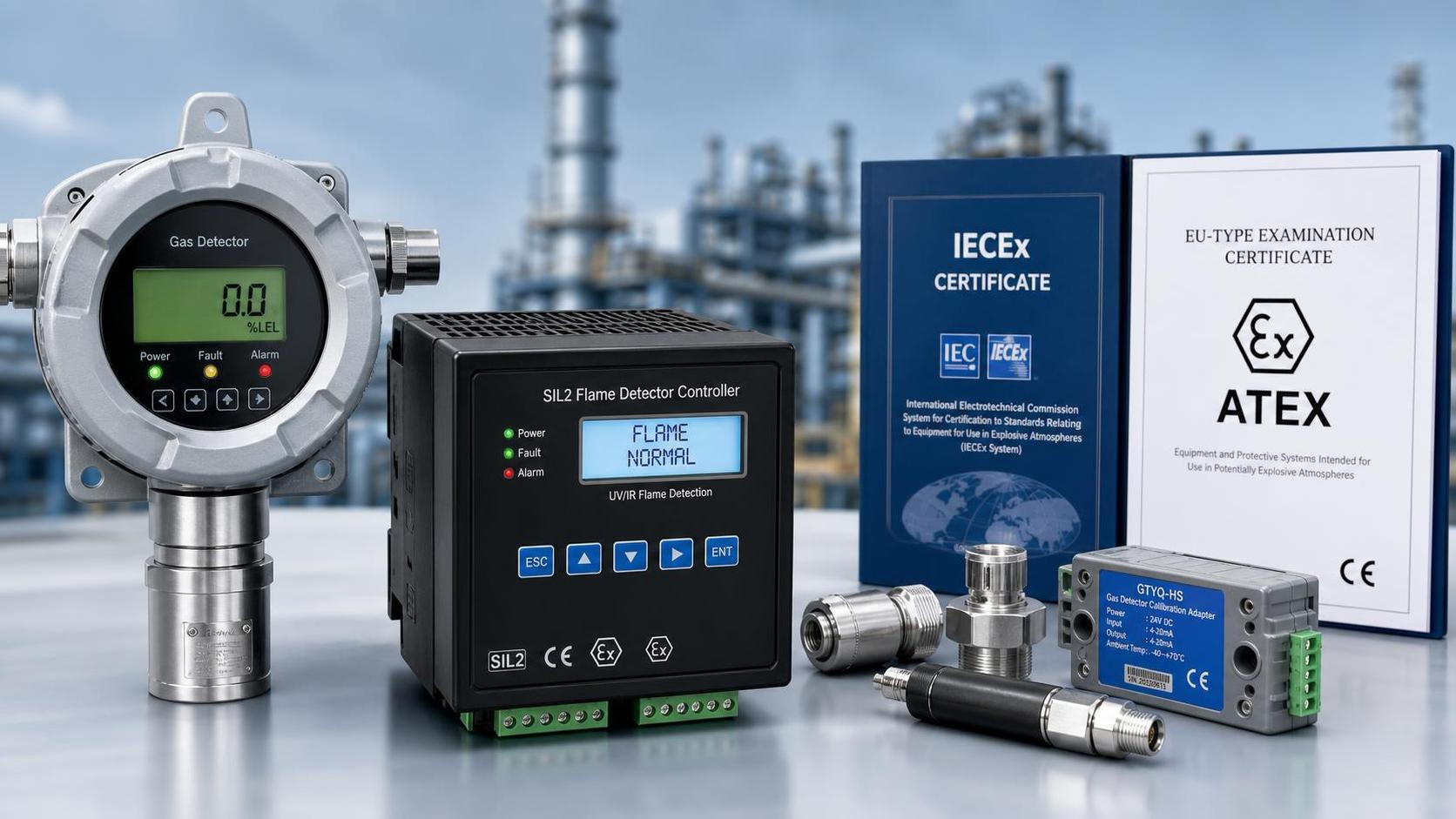
 MICONEX 2026 Signals Higher ATEX, IECEx ScrutinyMICONEX 2026 spotlights ATEX and IECEx scrutiny for gas detectors and SIL2 fire controllers, highlighting certification, calibration, and export-ready service needs.
 MICONEX 2026 Opens in Hefei as Chinese Safety Devices Draw Overseas BuyersMICONEX 2026 highlights Chinese industrial safety monitoring equipment as overseas buyers focus on IEC 61508 SIL2 intelligent gas detection systems for higher-end global projects.
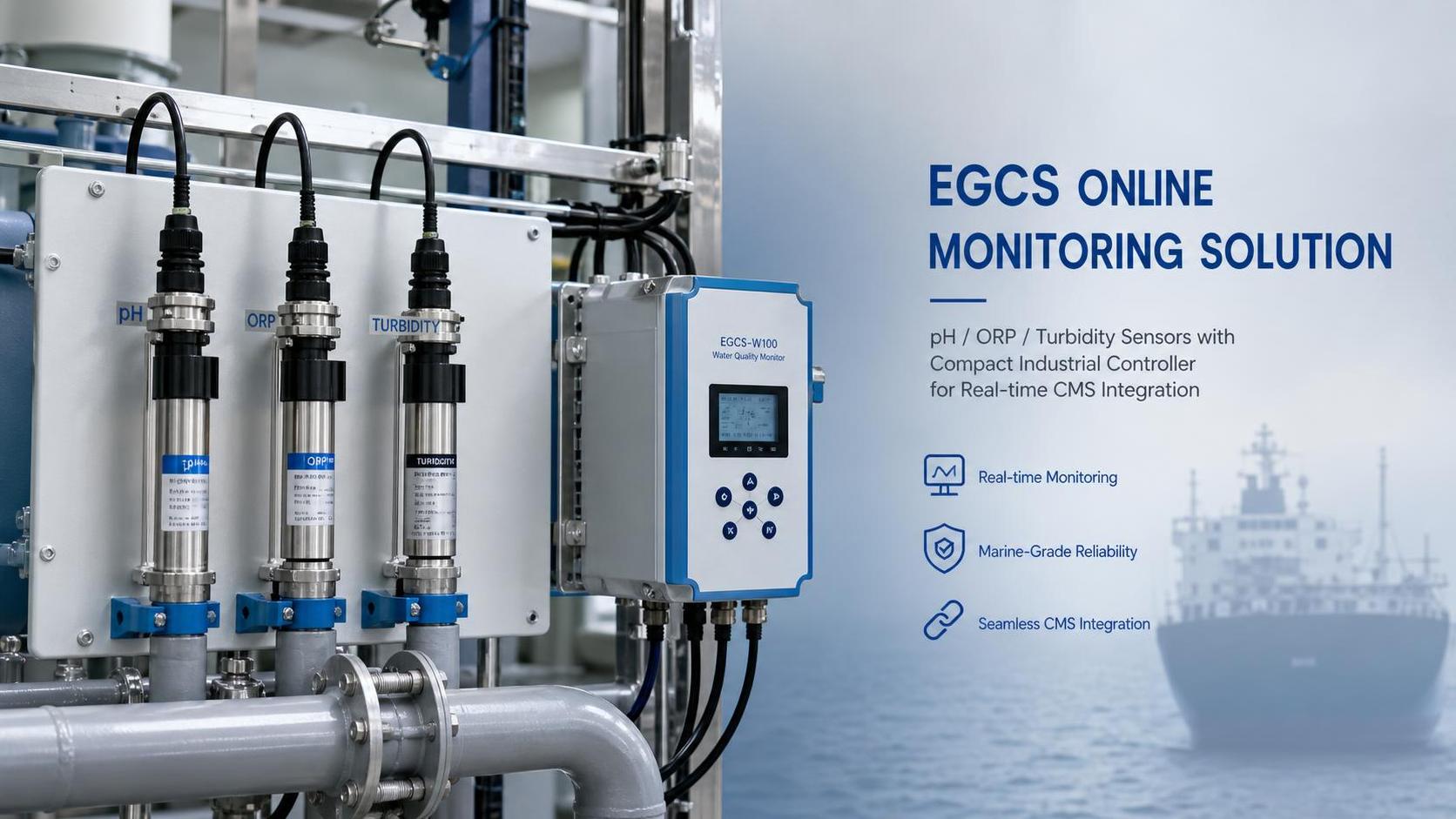
 IMO Updates EGCS Monitoring Guidance for 2026IMO updates EGCS monitoring guidance for 2026, highlighting pH, ORP and turbidity compliance, CMS connectivity, and ISO 17025 traceability for maritime buyers.
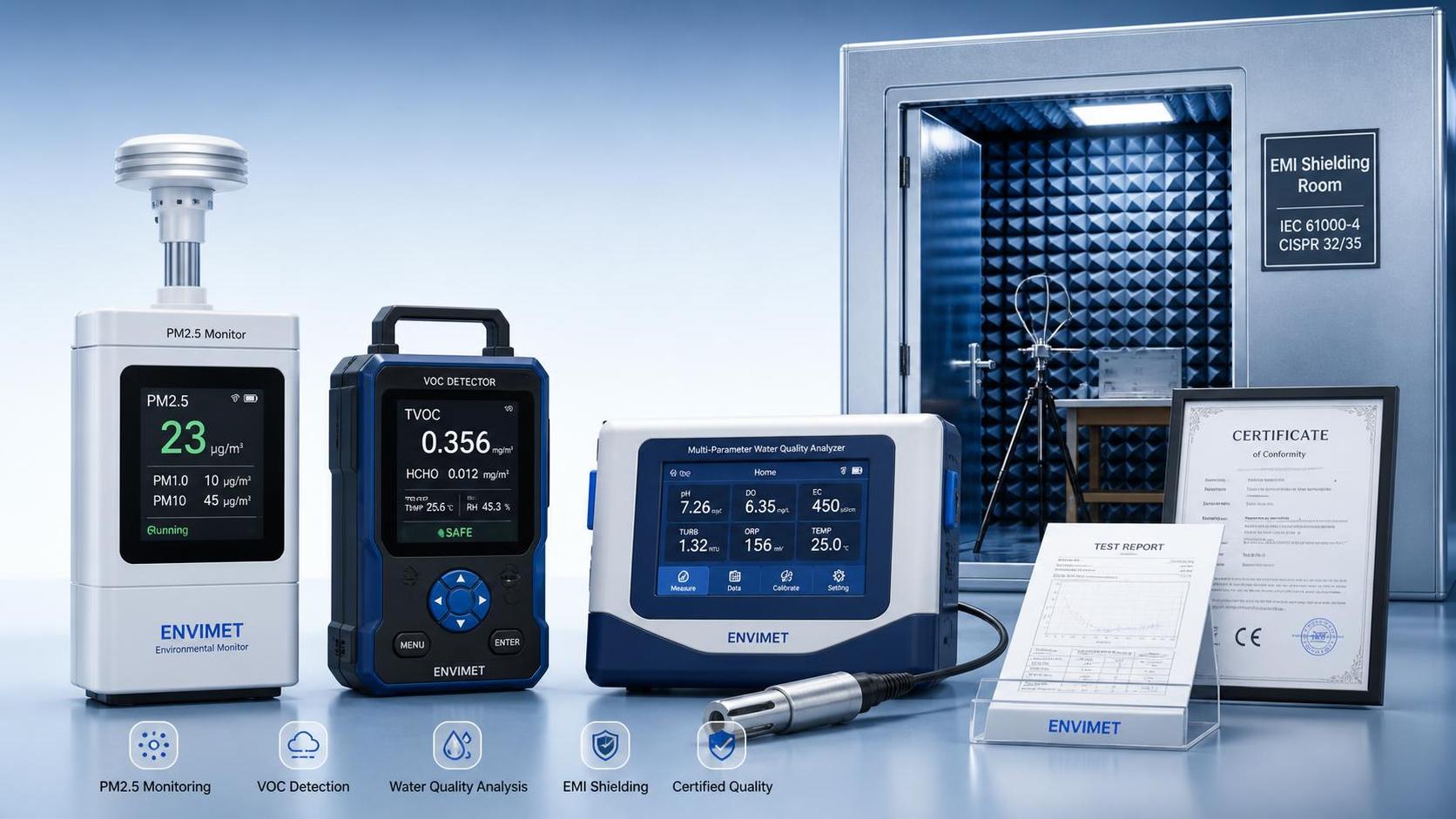
 Saudi SASO Rule Adds Arabic UI and EMI Test DutySaudi SASO rule update: Arabic UI and IEC 61326-2-3 EMI testing will become mandatory for environmental monitoring instruments from Nov 1, 2026. See key export and compliance impacts.
 SASO Tightens Cyber Rules for Monitoring ImportsSASO tightens cyber rules for monitoring imports in Saudi Arabia. Learn how IEC 62443-3-3 certification and SASO-recognized penetration testing will reshape environmental monitoring equipment access.


Chat Online