


On October 20, 2026, the China National Environmental Monitoring Centre issued a notice on the fourth round of the 2026 laboratory proficiency assessment for fecal coliforms in water. The assessment covers ecological and environmental monitoring centres in provinces, autonomous regions and municipalities, as well as relevant monitoring stations of the Xinjiang Production and Construction Corps. The initiative may affect environmental testing laboratories, monitoring equipment suppliers, procurement teams and related technical service providers by placing greater attention on analytical capability and instrument application. From an industry perspective, the notice is worth following as an execution signal for laboratory quality management and monitoring capability evaluation.
What the October 20 notice confirms
According to the provided information, the China National Environmental Monitoring Centre released the notice on October 20, 2026, to organize the fourth round of the 2026 laboratory proficiency assessment. The assessment focuses on fecal coliforms in water.
The participating scope covers ecological and environmental monitoring centres in provinces, autonomous regions and municipalities, together with relevant monitoring stations of the Xinjiang Production and Construction Corps. The stated purpose is to evaluate and improve laboratories’ analytical testing capabilities and their ability to apply instruments.
Where capability assessment may affect the operating chain
Testing laboratories and monitoring organizations
Because the assessment directly concerns analytical testing capability, participating laboratories may need to pay closer attention to their testing processes, technical readiness and instrument application. This is an industry analysis based on the stated purpose of the assessment; the provided information does not specify detailed assessment items, scoring rules or qualification consequences. Laboratories should therefore distinguish confirmed requirements from matters that still require verification through subsequent official communications.
Instrument suppliers and technical service providers
Observation suggests that suppliers of environmental monitoring instruments and related technical services may face closer scrutiny of application support, operational consistency and technical documentation when serving laboratories involved in the assessment. The notice itself does not identify specific equipment categories, suppliers or procurement requirements. Any impact on product selection, commissioning, training or after-sales support should therefore be assessed against the official assessment arrangements once those details are available.
Procurement, project delivery and quality documentation
For procurement teams and project delivery organizations, the assessment may increase the practical importance of matching equipment capability with laboratory testing needs. This may affect technical specification alignment, delivery preparation, instrument application support and the organization of relevant quality records. These are potential business implications rather than confirmed new mandatory requirements, since no specific procurement documents, certification conditions or delivery timelines were provided.
Practical checks before the assessment details become clearer
Verify the official assessment scope and execution language
Laboratories and service providers should continue to check official follow-up information for the detailed assessment scope, implementation arrangements, technical criteria and submission requirements. The current information confirms the assessment and its subject, but it does not provide the full execution rules.
Review testing records and instrument application materials
As a preparatory measure, organizations may review testing records, operating procedures, instrument application documents and related technical files for consistency and completeness. This is a recommended internal check rather than a new obligation established by the notice.
Align purchasing and delivery plans with verified requirements
Where instrument procurement, laboratory upgrades or technical support projects are under way, responsible teams may wish to compare existing specifications and delivery plans with the assessment information that is formally confirmed later. Particular attention may be needed for technical documentation, commissioning arrangements, user training and traceability records, while avoiding assumptions about requirements that have not yet been published.
Why this notice is an execution signal for laboratory quality
At this stage, it is more appropriate to understand the notice as a concrete assessment arrangement and an execution signal concerning environmental monitoring laboratory capability. It confirms that the fourth round of the 2026 assessment will focus on fecal coliforms in water and will involve the specified monitoring organizations. It does not, based on the supplied information, establish a new certification system, trade restriction, procurement rule or market access condition.
What deserves closer attention is the subsequent official explanation of assessment procedures and the way participating laboratories, equipment suppliers and technical service providers respond. Those developments may clarify whether the assessment has practical implications for testing documentation, instrument application support, procurement specifications or service delivery. Until such information is available, industry participants should treat broader commercial effects as matters for evaluation rather than settled outcomes.
How the sector can read the current development
The notice indicates a structured effort to evaluate and improve the analytical testing capability and instrument application level of relevant environmental monitoring laboratories. For laboratories, the immediate focus is understanding the confirmed assessment subject and participating scope. For suppliers and service providers, the relevant issue is whether their products and support materials can be aligned with verified laboratory needs.
A balanced approach is to prepare internal technical and quality materials while continuing to monitor official implementation information. This allows organizations to respond to confirmed requirements without treating unverified assumptions as formal rules.
Information basis and items requiring follow-up
This article was prepared solely from the provided information: the title of the notice, the event date of October 20, 2026, and the event summary concerning the fourth round of the 2026 laboratory proficiency assessment for fecal coliforms in water.
No specific official source link was included in the input. Readers and affected organizations should continue to verify the original official notice and any subsequent communications. Follow-up attention should focus on detailed assessment rules, implementation language, technical documentation requirements, changes in procurement or tender documents, laboratory execution, and industry feedback.



 China NECC Launches Fourth 2026 Laboratory Proficiency AssessmentChina’s fourth 2026 laboratory proficiency assessment targets fecal coliforms in water. Explore potential implications for testing labs, monitoring instruments and technical support.
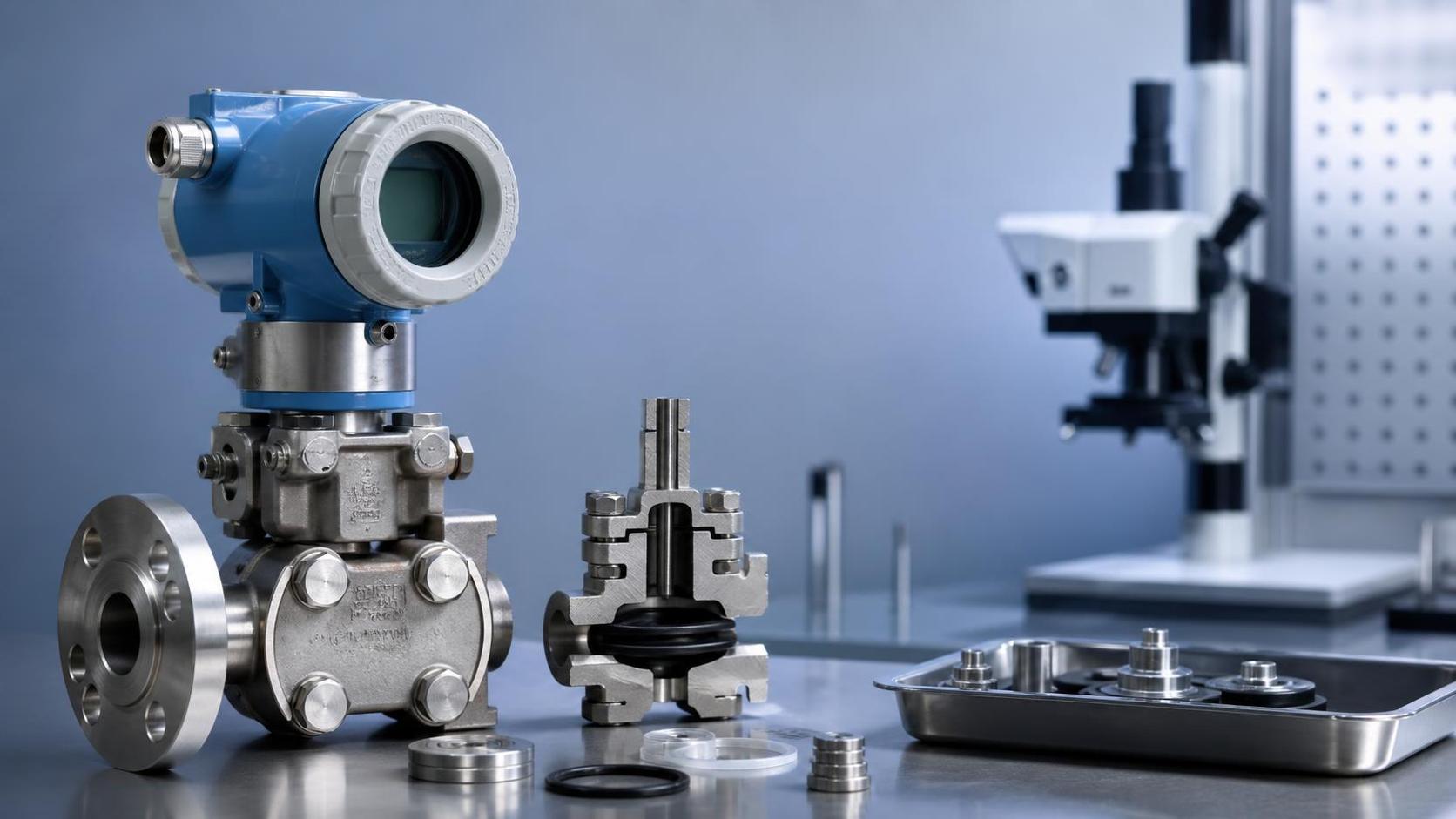
 EU REACH Annex XVII Update Bars Imports of Instruments Using Nickel-Containing Seals from 2027EU REACH Annex XVII update will bar imports of instruments using nickel-containing seals from 2027. Learn how this affects pressure transmitters, control valves, analyzers, testing, and compliance planning.
 MICONEX 2026 Signals Higher ATEX, IECEx ScrutinyMICONEX 2026 spotlights ATEX and IECEx scrutiny for gas detectors and SIL2 fire controllers, highlighting certification, calibration, and export-ready service needs.
 MICONEX 2026 Opens in Hefei as Chinese Safety Devices Draw Overseas BuyersMICONEX 2026 highlights Chinese industrial safety monitoring equipment as overseas buyers focus on IEC 61508 SIL2 intelligent gas detection systems for higher-end global projects.
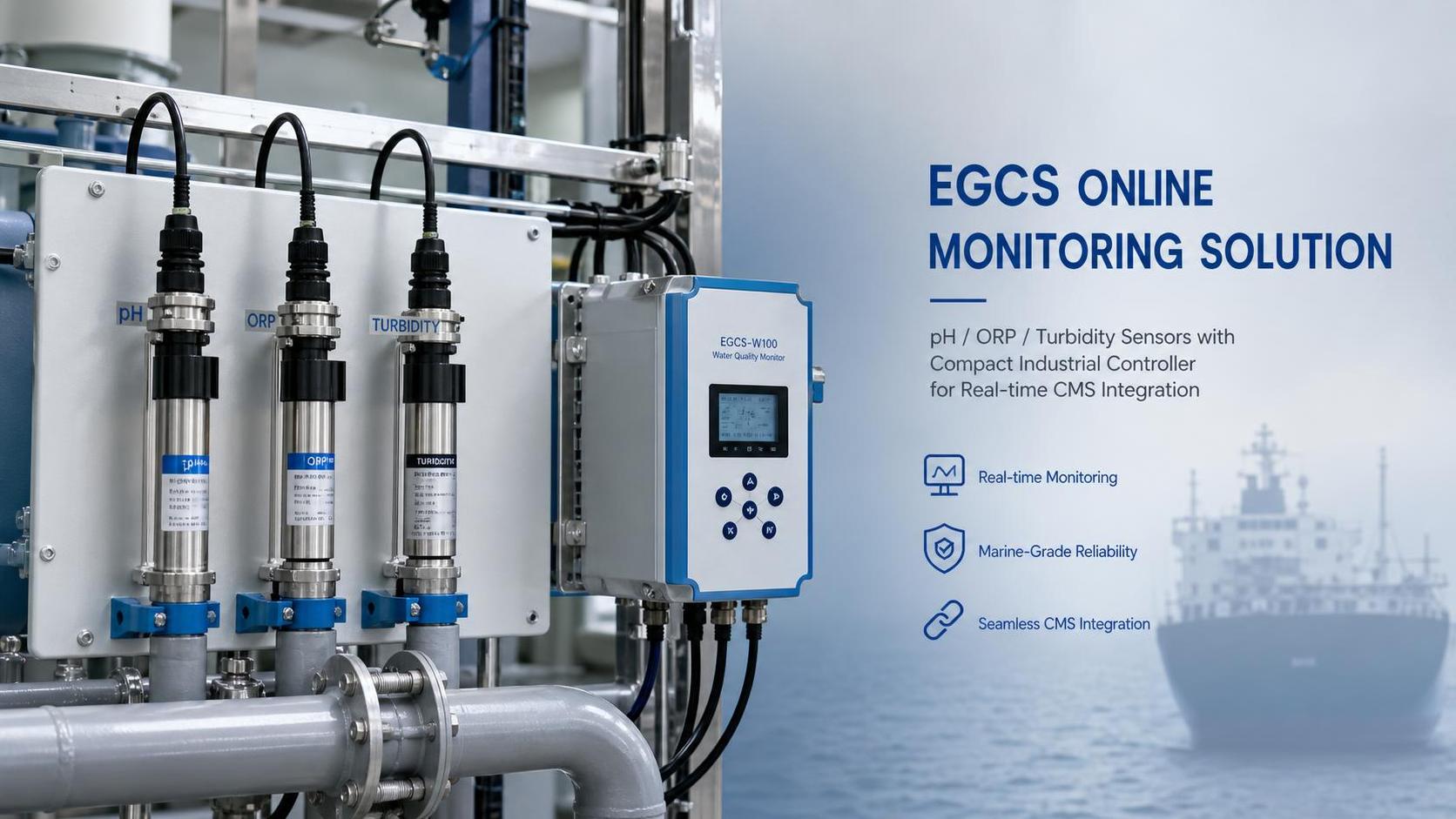
 IMO Updates EGCS Monitoring Guidance for 2026IMO updates EGCS monitoring guidance for 2026, highlighting pH, ORP and turbidity compliance, CMS connectivity, and ISO 17025 traceability for maritime buyers.
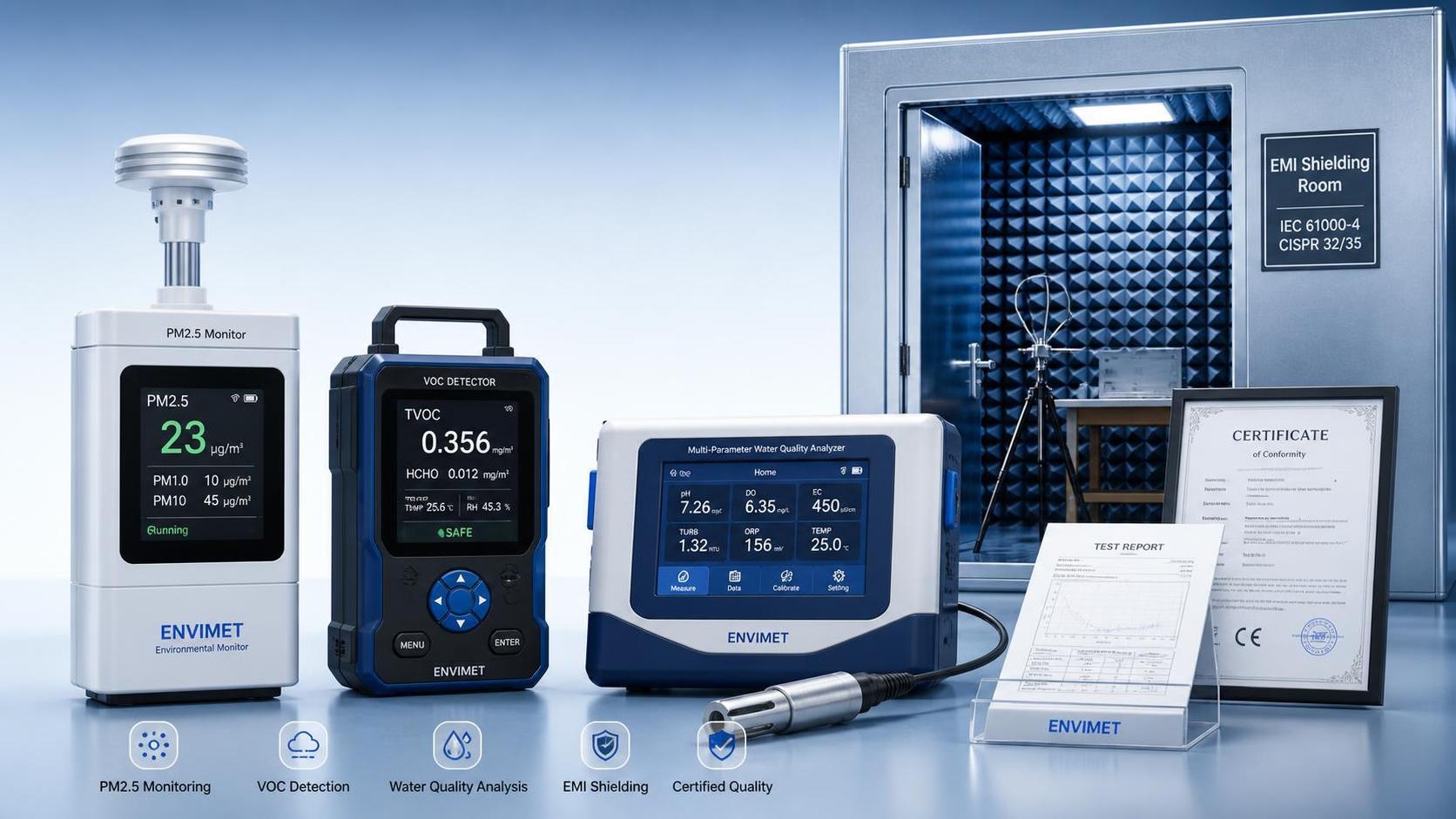
 Saudi SASO Rule Adds Arabic UI and EMI Test DutySaudi SASO rule update: Arabic UI and IEC 61326-2-3 EMI testing will become mandatory for environmental monitoring instruments from Nov 1, 2026. See key export and compliance impacts.


Chat Online