


2026年9月1日起,美国市场对VOCs连续排放监测系统(CEMS)的进入门槛将按新版PS-15v2性能规范执行。对于准备出口、采购或参与认证测试的企业来说,这不仅是一次报告版本更新,也意味着验证项目、实验室安排和交付节奏都需要重新对齐,尤其是涉及苯系物检测能力和湿度干扰验证的产品线,更值得持续关注。
新版PS-15v2把验证要求推到了进口前端
美国环保署(EPA)已于2026年6月21日发布通告,明确自2026年9月1日起,所有进入美国市场的VOCs连续排放监测系统(CEMS)都必须通过新版PS-15v2性能规范测试,并提交由EPA认可实验室出具的完整验证报告。通告同时增加了苯系物特异性检测灵敏度要求,指标为≤0.5 ppb,并加入湿度干扰抑制验证项。中国供应商被要求提前对接TRC、SwRI等EPA名单内实验室安排复测。
从生产到贸易,受影响的不只是检测环节
出口制造商面临的是认证与交付同步重排
对直接面向美国市场的VOCs CEMS制造商而言,影响首先体现在认证资料更新和测试排期上。原有测试报告如果不符合PS-15v2要求,可能需要重新安排验证;而新增的苯系物灵敏度和湿度干扰项目,也会直接影响产品是否能按期完成对外交付。对出口业务来说,这类变化往往会传导到合同交期、样机准备、文件提交和批次放行等环节。
采购方和集成商需要重新核对技术文件
对于采购VOCs监测系统的项目方、集成商和渠道商,当前更需要关注的是招标技术条款、验收条件和随货单证是否同步更新。若采购文件仍沿用旧版测试口径,后续在清关、验收或项目交付时可能出现文件不匹配的问题。对于需要向美国市场供货的项目,测试报告版本、实验室资质和验证范围都将成为关键核查项。
检测与认证服务机构的排期压力会被放大
从服务链条看,EPA认可实验室的排期安排可能直接影响企业复测节奏。由于通告点名要求提交完整验证报告,检测服务机构不仅要满足测试能力要求,还要确保报告可被进口和认证流程接受。对供应商而言,最现实的变化是测试不再只是技术环节,而是直接影响贸易推进速度的前置条件。
企业现在更该盯住哪些实务动作
先确认现有报告是否还能对应PS-15v2
企业首先应核对现有测试报告是否已经覆盖新版PS-15v2要求,特别是苯系物检测灵敏度和湿度干扰抑制两项是否已被验证。若报告版本、测试范围或实验室资质不匹配,后续补充材料的时间成本可能高于预期。
提前锁定EPA认可实验室的复测窗口
通告已明确需要由EPA认可实验室出具完整验证报告,因此实验室选择与排期应尽早推进。对中国供应商来说,提前对接TRC、SwRI等名单内实验室,有助于降低临近生效时间时的排队风险,也便于同步准备样机、技术参数和报告底稿。
把单证管理前移到贸易与采购环节
当前更适合把测试报告、认证文件、技术说明和版本控制一起纳入采购与出口审核流程,而不是等到发运前再补材料。对于面向美国市场的订单,这类文件管理已经不仅是合规动作,也直接关系到通关和客户验收。
持续跟踪后续执行口径
目前已知的是强制实施时间、测试要求和实验室范围,但后续在具体报告格式、审查方式、接受标准上的执行口径仍有继续关注的必要。对于企业来说,最稳妥的做法不是等待市场反馈,而是提前按更严格的文件和测试准备。
这更像是执行信号,而不是单纯的政策消息
分析来看,这条资讯更适合理解为一项已经明确的执行信号:规则生效时间、测试项目和实验室要求都已经被点出,行业接下来要面对的不是“是否变化”,而是“如何按新口径完成准备”。观察来看,真正决定影响范围的,可能不是标准文本本身,而是后续认证受理、复测排期和招标文件引用方式是否快速同步。
对市场参与方而言,值得持续关注的不是抽象层面的合规讨论,而是实操层面的三件事:报告是否需要重做、实验室是否可及时排上、采购和交付是否能按新标准重新编排。只要这些环节没有完全对齐,出口项目的时间表就可能被拉长。
更适合被理解为哪些变化已经开始落地
综合来看,US EPA PS-15v2的强制实施,已经把VOCs在线监测系统的合规要求从“产品能力”推向“可验证、可提交、可接受”的文件化门槛。当前更适合把这条资讯理解为规则落地的前置信号,而不是终点结论。对相关企业来说,接下来需要重点观察的,是官方执行口径、实验室排队情况以及市场端对新版验证报告的实际接受度。
本文依据的公开信息范围
本文基于用户提供的资讯标题、事件发生时间和事件摘要生成,未引入额外未核实事实。与此类事件通常相关的信息来源类型包括EPA官方公告、监管机构发布、标准文件、认证实验室信息、行业协会信息以及权威媒体报道。当前输入中未提供具体官方来源链接,后续仍需持续核验官方公告原文、认证执行口径、招标文件变化及企业执行情况。


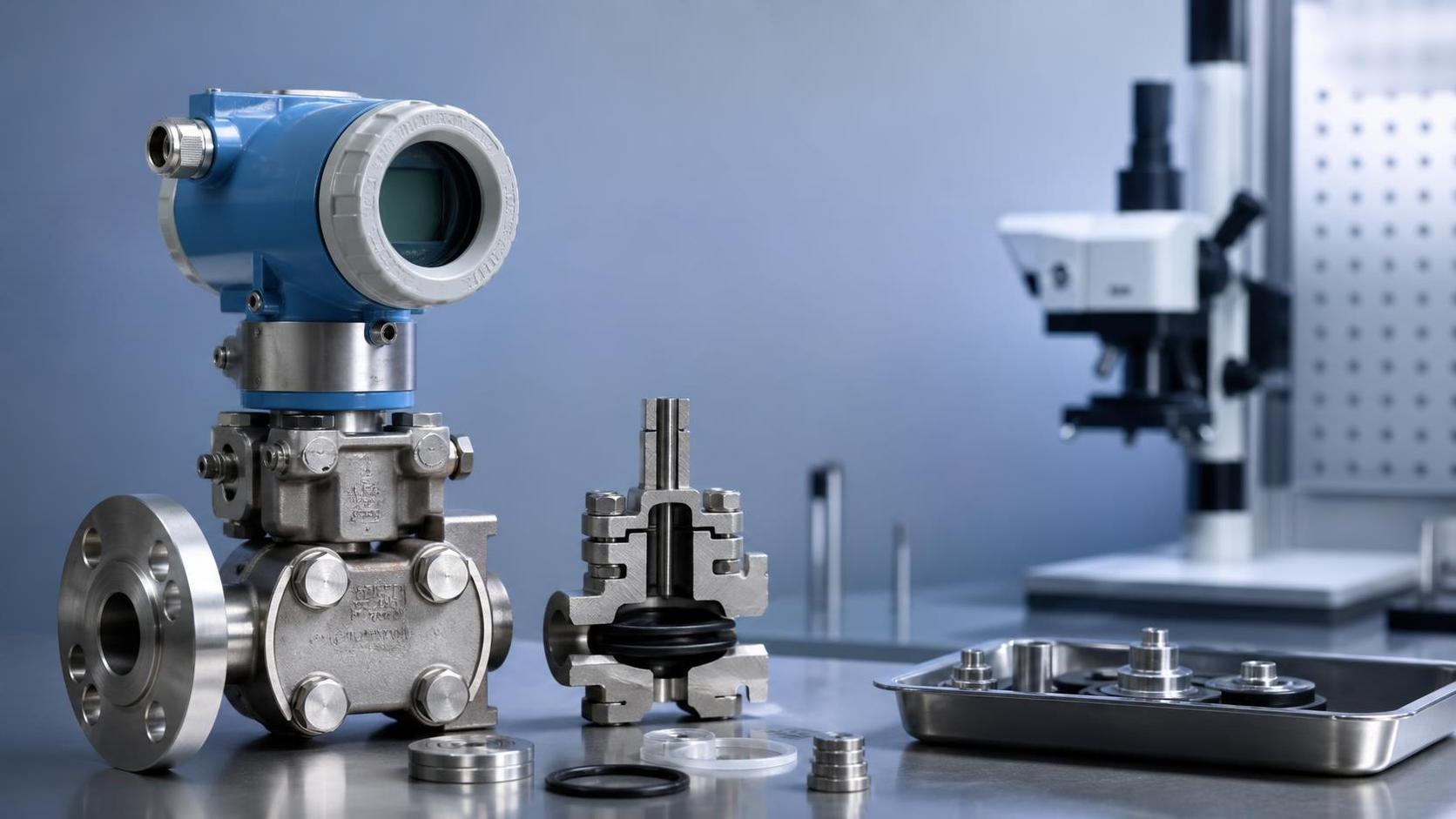
 EU REACH Annex XVII Update Bars Imports of Instruments Using Nickel-Containing Seals from 2027EU REACH Annex XVII update will bar imports of instruments using nickel-containing seals from 2027. Learn how this affects pressure transmitters, control valves, analyzers, testing, and compliance planning.
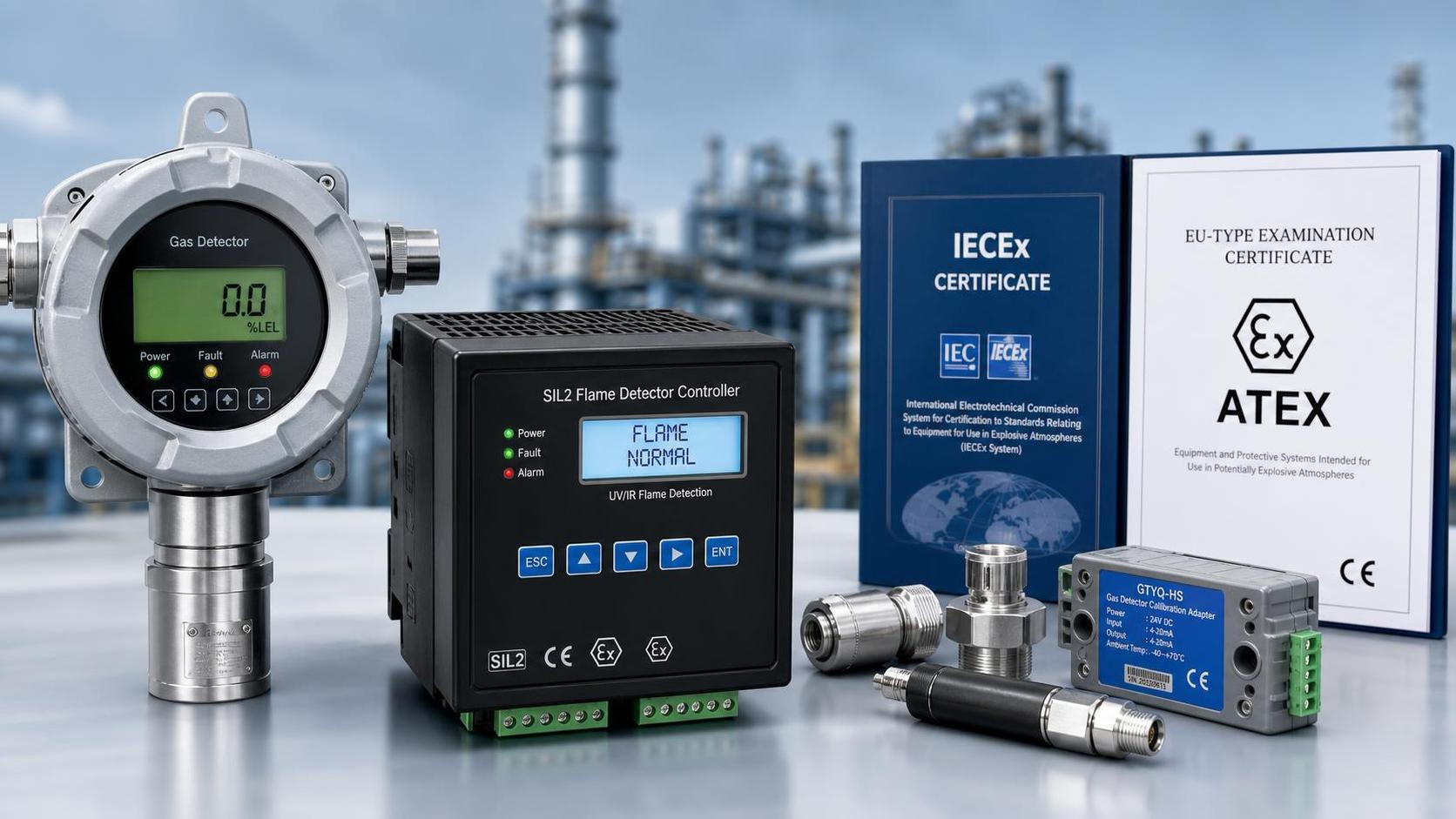
 MICONEX 2026 Signals Higher ATEX, IECEx ScrutinyMICONEX 2026 spotlights ATEX and IECEx scrutiny for gas detectors and SIL2 fire controllers, highlighting certification, calibration, and export-ready service needs.
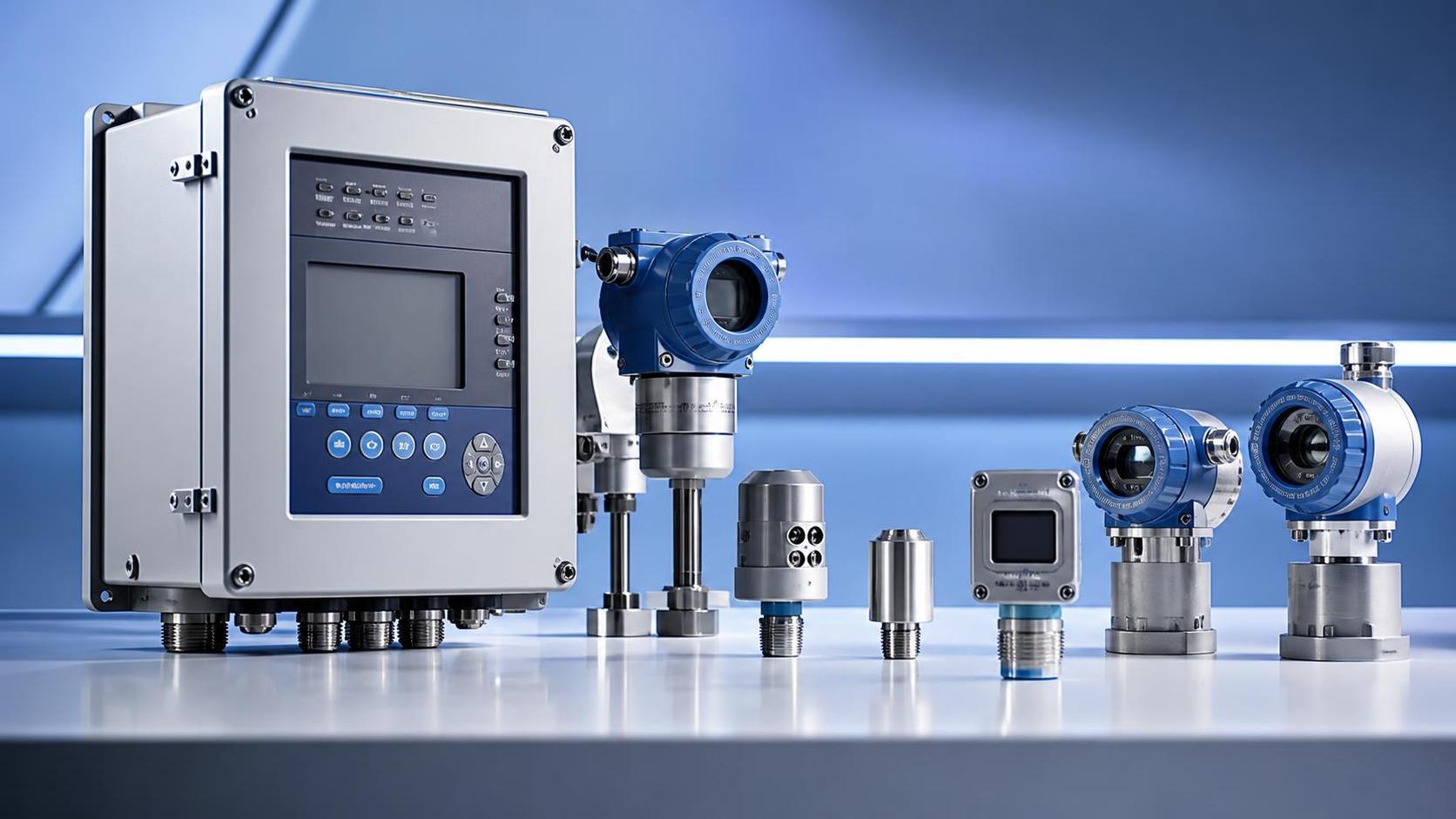
 MICONEX 2026 Opens in Hefei as Chinese Safety Devices Draw Overseas BuyersMICONEX 2026 highlights Chinese industrial safety monitoring equipment as overseas buyers focus on IEC 61508 SIL2 intelligent gas detection systems for higher-end global projects.
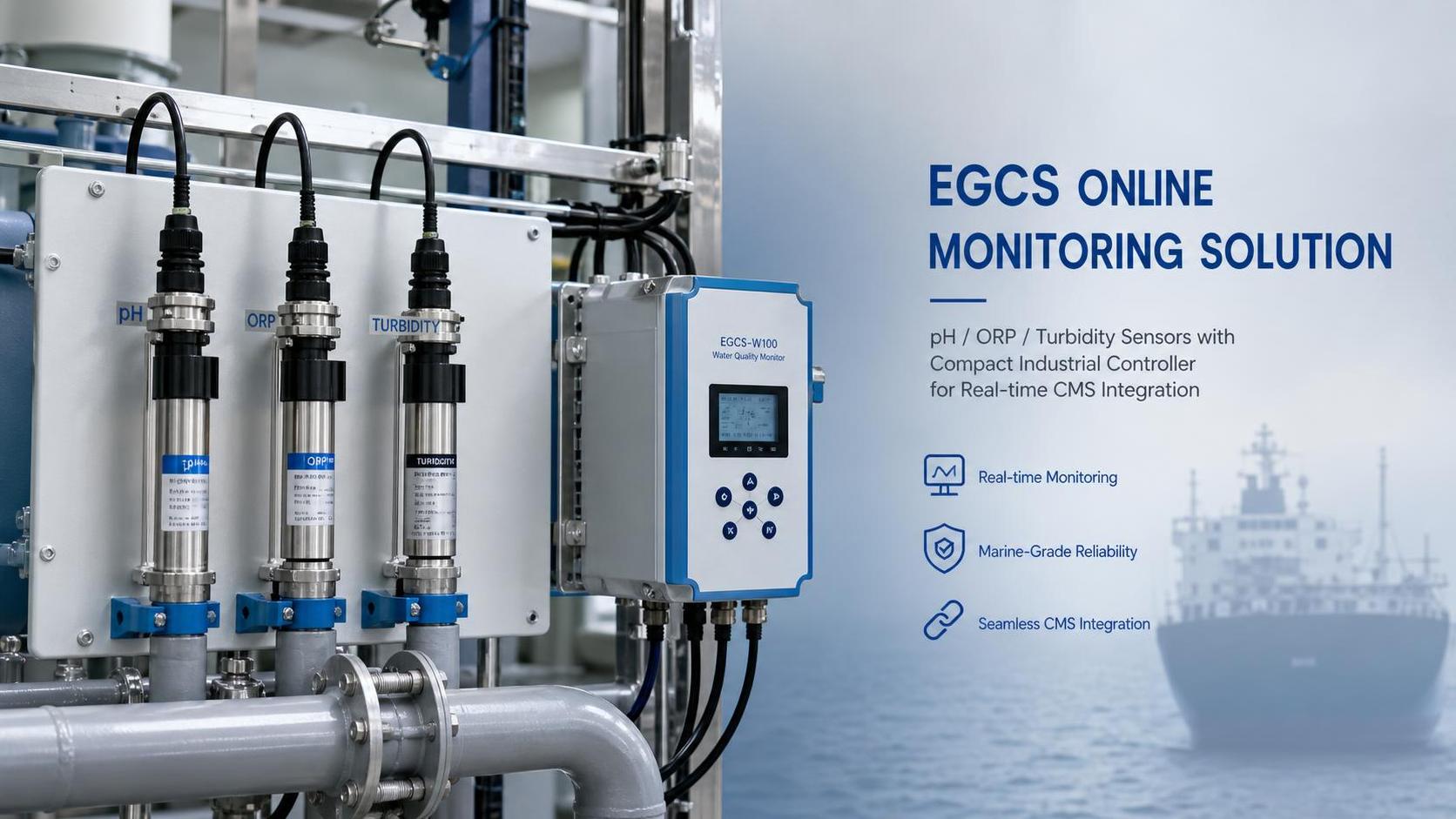
 IMO Updates EGCS Monitoring Guidance for 2026IMO updates EGCS monitoring guidance for 2026, highlighting pH, ORP and turbidity compliance, CMS connectivity, and ISO 17025 traceability for maritime buyers.
 Saudi SASO Rule Adds Arabic UI and EMI Test DutySaudi SASO rule update: Arabic UI and IEC 61326-2-3 EMI testing will become mandatory for environmental monitoring instruments from Nov 1, 2026. See key export and compliance impacts.
 SASO Tightens Cyber Rules for Monitoring ImportsSASO tightens cyber rules for monitoring imports in Saudi Arabia. Learn how IEC 62443-3-3 certification and SASO-recognized penetration testing will reshape environmental monitoring equipment access.
Chat Online