


Chinese-developed white-light interferometers have achieved a vertical resolution of 0.003 nm (RMS), verified against NIST standards and certified to SEMI S2/S8 safety requirements, with bulk procurement confirmed by TSMC Nanjing and SMIC Shaoxing as of May 5, 2026. This milestone signals a critical inflection point for semiconductor metrology equipment localization — particularly relevant for semiconductor fabrication, advanced packaging, MEMS manufacturing, and precision optics supply chains — because it represents the first validated, full-scenario replacement of incumbent Western platforms (Keysight, ZYGO) in nanoscale topography measurement.
Event Overview
On May 5, 2026, the Fudan University Archaeometry Technology Team disclosed that a domestically developed white-light interferometer — co-developed under their participation — passed SEMI S2/S8 safety certification and NIST traceable validation. Its vertical resolution is stably maintained at 0.003 nm (RMS). The instrument has entered volume procurement by TSMC’s Nanjing fab and SMIC’s Shaoxing facility. Export pricing is reported to be 38%–45% lower than international counterparts, with lead time reduced to six weeks.
Industries Affected by Segment
Wafer Fabrication Facilities (Fabs)
Fabs relying on imported interferometers for process control — especially for CMP monitoring, thin-film thickness validation, and post-etch surface characterization — may now evaluate domestic units without compromising resolution or compliance. Impact manifests in procurement cycle compression, cost benchmarking shifts, and potential recalibration of metrology tool qualification protocols.
Semiconductor Metrology Equipment Distributors & Integrators
Distributors previously focused on Keysight or ZYGO systems face competitive pressure on price and delivery timelines. Their service portfolios — including installation support, calibration maintenance, and application engineering — must now accommodate a new platform with different software interfaces, data formats, and service requirements.
Advanced Packaging & MEMS Manufacturers
These segments require sub-nanometer surface roughness and step-height measurement for bump height uniformity, redistribution layer (RDL) profiling, and wafer-level encapsulation inspection. Domestic availability at lower cost and shorter lead time enables faster metrology tool deployment across multiple production lines — but only if compatibility with existing SPC workflows and data management systems is confirmed.
Precision Optics & Micro-Machining Suppliers
Suppliers serving semiconductor equipment OEMs or high-end instrumentation clients often use white-light interferometry for final QC of optical flats, mirrors, or micro-structured surfaces. A domestic alternative with NIST-traceable performance lowers entry barriers for smaller suppliers seeking metrology-grade verification without multi-quarter wait times.
What Enterprises and Practitioners Should Monitor and Act On
Track official adoption scope beyond initial fabs
Current procurement is confirmed only at TSMC Nanjing and SMIC Shaoxing. Observably, broader rollout across other foundries (e.g., Hua Hong, YMTC) or IDMs remains unconfirmed. Stakeholders should monitor public tender notices, equipment qualification announcements, and SEMI China working group updates for expansion signals.
Verify interoperability with existing factory automation systems
The interferometer’s integration into SECS/GEM, MES, or SPARK-compatible environments is not stated in the disclosed information. Enterprises evaluating migration should prioritize interface documentation review and pilot testing — especially for automated report generation, data export formats (e.g., ISO 25178, STP), and remote diagnostics capability.
Assess long-term service and calibration infrastructure readiness
While SEMI S2/S8 certification confirms safety and basic reliability, sustained metrology accuracy depends on accessible, NIST-traceable calibration services and trained field application engineers. Current disclosures do not specify domestic calibration lab coverage or spare parts logistics — making this a key due diligence item before large-scale deployment.
Monitor export pricing stability amid scaling
The reported 38%–45% discount applies to current export quotations. Analysis shows such margins may narrow as production volumes increase or as export destinations shift toward higher-compliance markets (e.g., EU, Japan), where additional regulatory alignment (e.g., CE, PSE) could affect landed cost and timeline.
Editorial Perspective / Industry Observation
This development is better understood as a technical validation milestone — not yet a systemic market shift. It confirms feasibility of domestic sub-angstrom resolution in white-light interferometry under real-world fab conditions, but does not imply immediate displacement of established platforms across all use cases (e.g., dynamic vibration isolation, ultra-large FOV scanning, or hybrid coherence scanning). From industry perspective, the significance lies less in outright substitution and more in resetting the negotiation baseline: pricing power, lead time expectations, and local support responsiveness are now subject to competitive recalibration. Continued observation is warranted on whether this unit becomes a reference design for next-gen variants (e.g., AI-assisted defect classification, integrated AFM coupling), or remains a standalone high-precision module.
Conclusion
China’s achievement of 0.003 nm vertical resolution in a commercially deployed white-light interferometer marks a material step toward self-reliance in critical semiconductor metrology infrastructure. However, its current impact is best interpreted as a localized capability demonstration — validated in specific fabs, under defined operating conditions, and supported by early-stage service frameworks. For industry stakeholders, the priority is not wholesale replacement, but structured evaluation: assessing fit-for-purpose alignment, verifying integration pathways, and preparing contingency plans for supply chain diversification where metrology continuity is mission-critical.
Information Sources
Main source: Public disclosure by Fudan University Archaeometry Technology Team, dated May 5, 2026. Additional details drawn from confirmed procurement announcements by TSMC Nanjing and SMIC Shaoxing (as cited in the original disclosure). Note: Broader adoption status, calibration network coverage, and export regulatory approvals beyond initial markets remain pending further official updates.


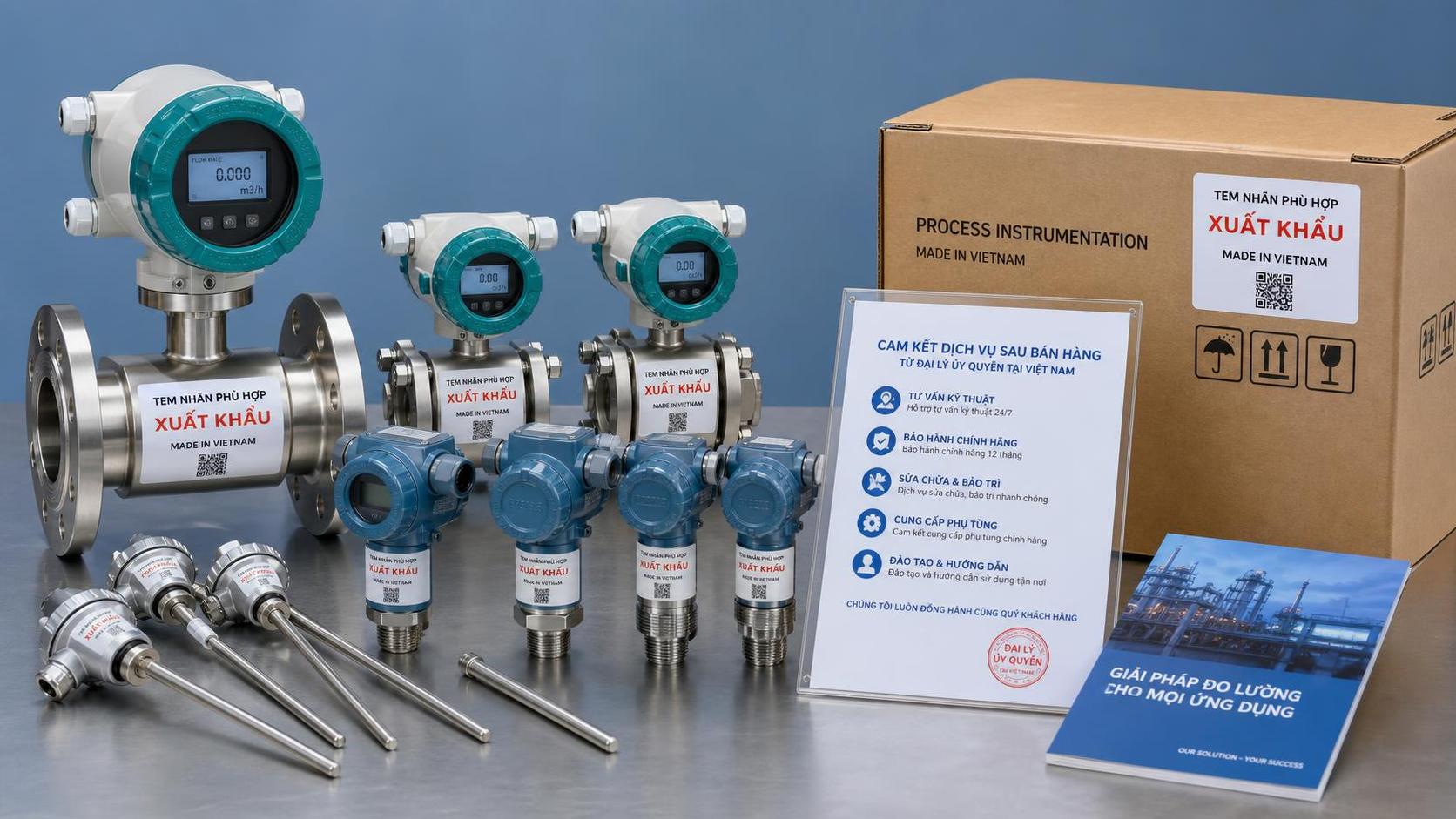
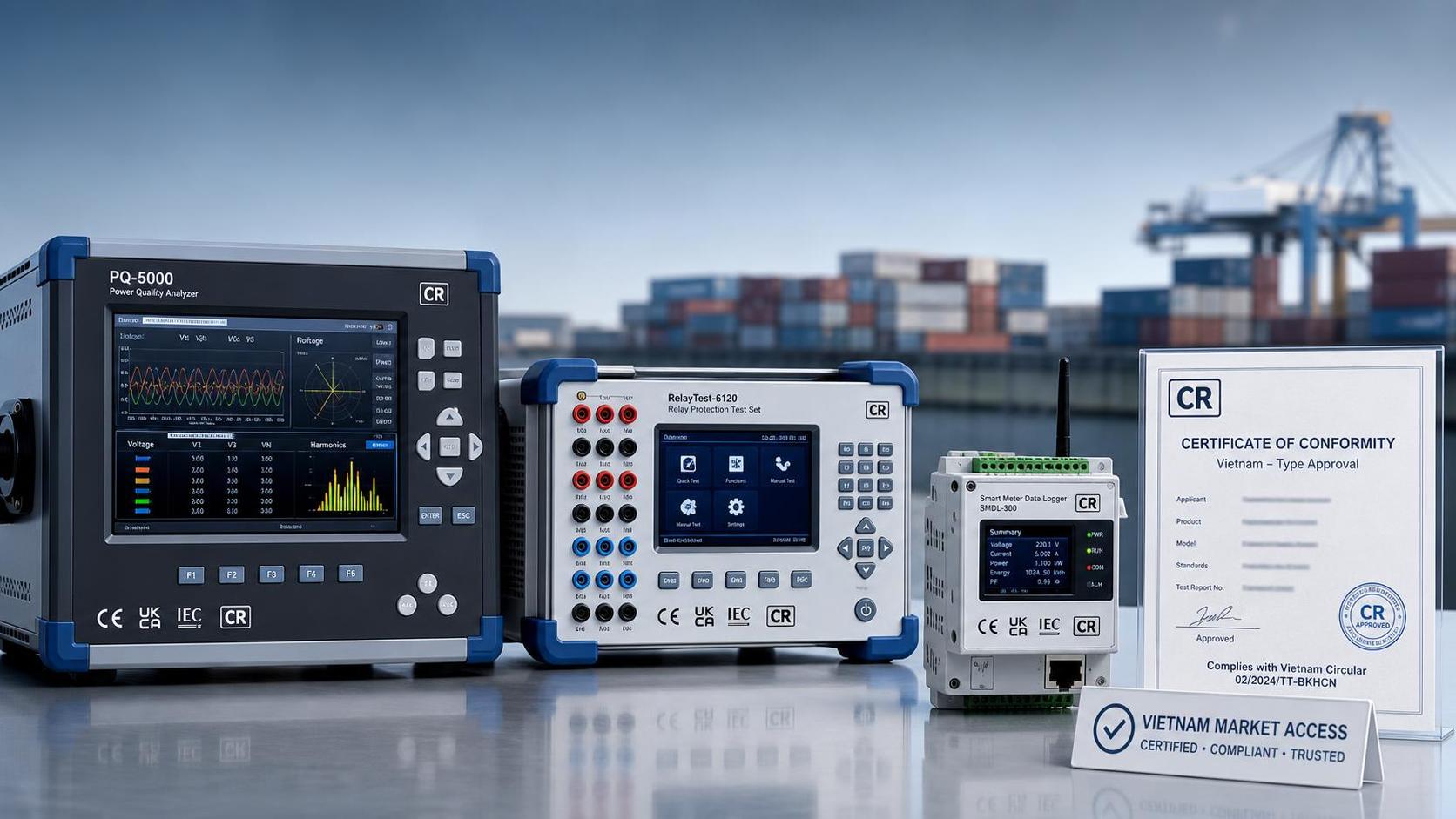
 Vietnam Rule Takes Effect Sept. 1: Imported Industrial Instruments Need Vietnamese Labels and Local After-Sales CommitmentVietnam’s Sept. 1 rule requires Vietnamese labels and local after-sales support for imported industrial instruments. See what HS 9026/9028 exporters and buyers must do now.
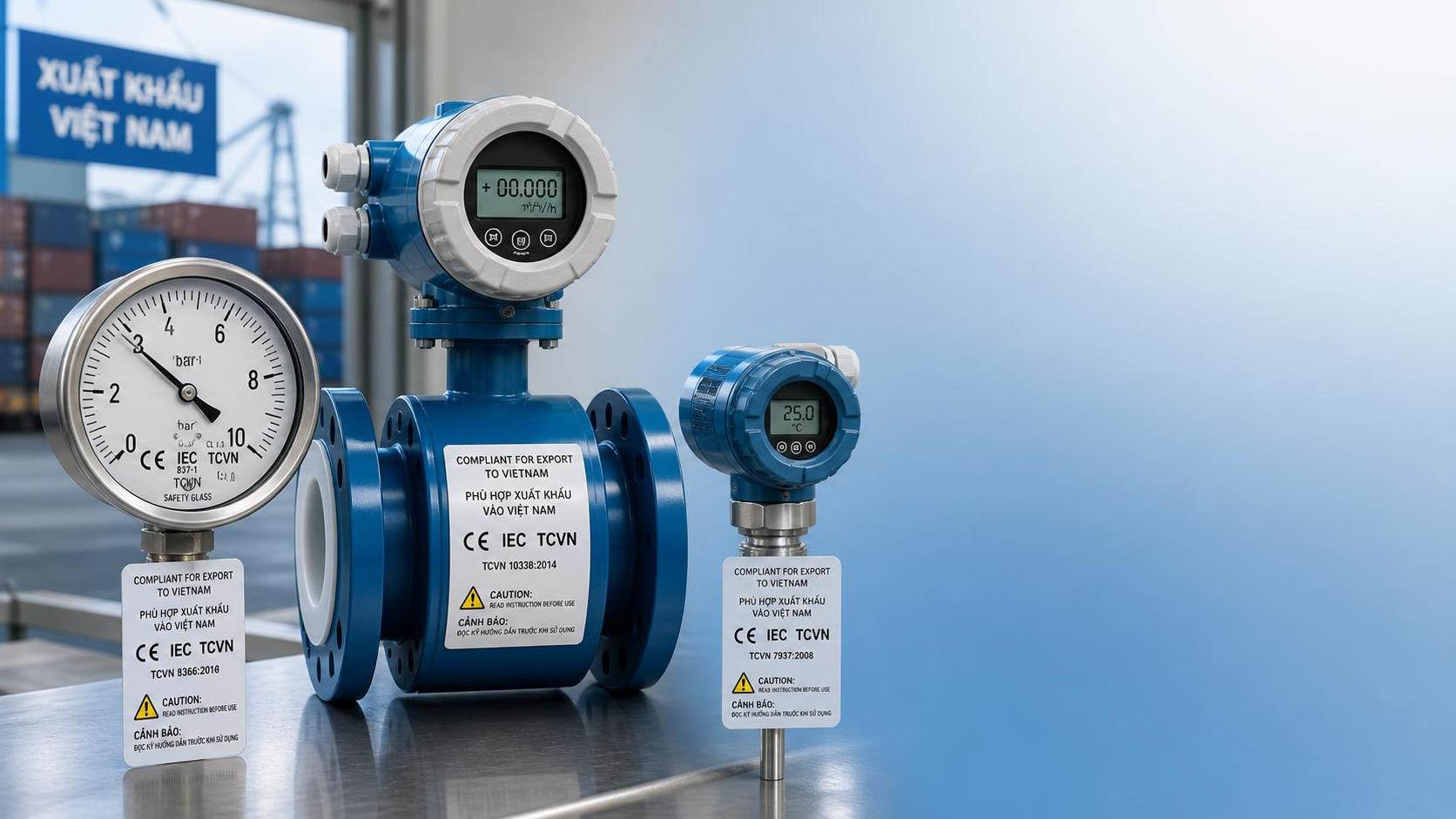
 Vietnam MOIT Rule Tightens Labeling for Imported Industrial InstrumentsVietnam MOIT Rule Tightens Labeling for Imported Industrial Instruments: learn how new Vietnamese label, CE/IEC/TCVN, and local service contact rules affect customs clearance and market access.
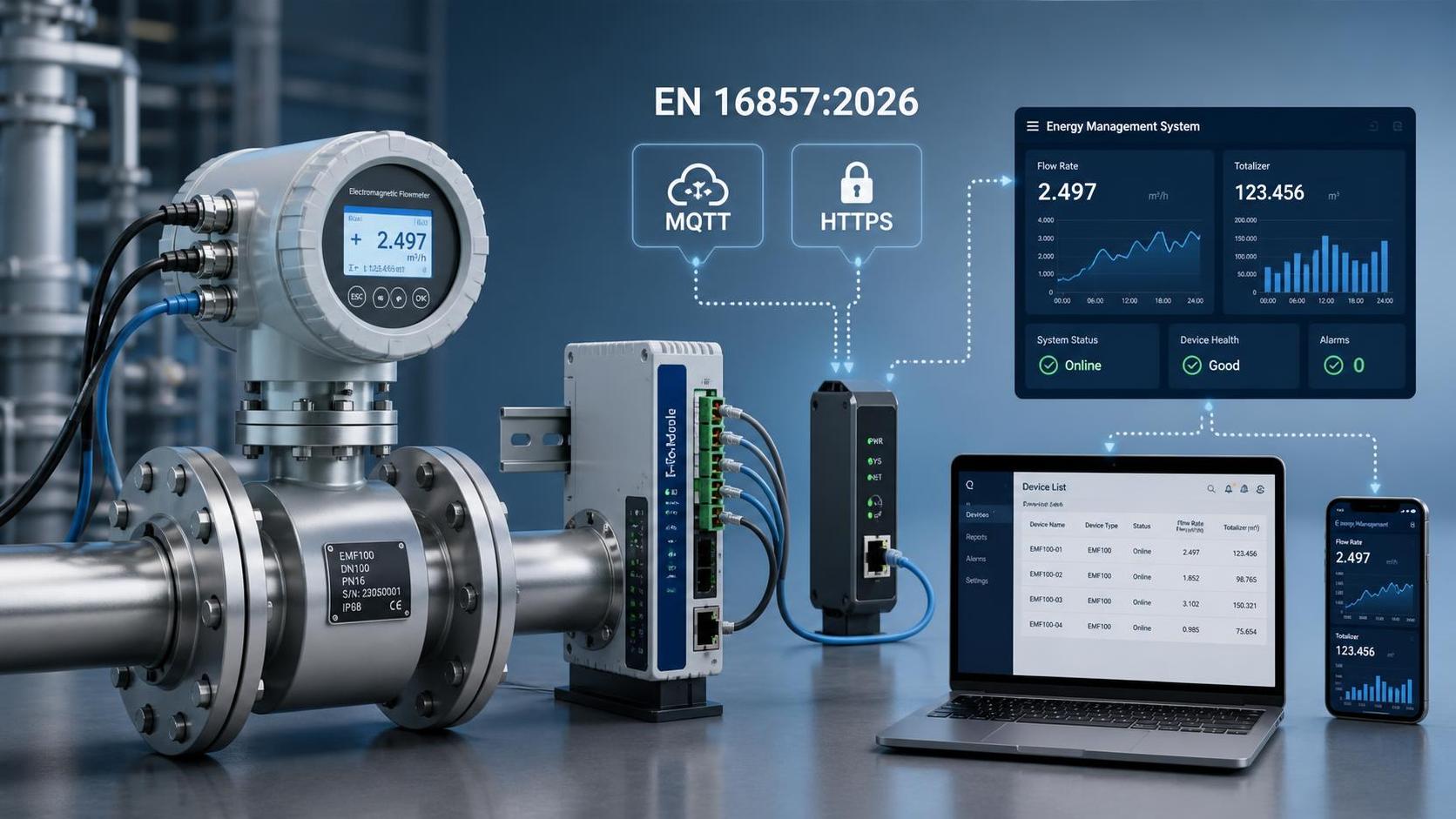
 EU Energy Rule Takes Effect: Flow Meters Need Data InterfacesEU energy rule now requires industrial flow meters with data interfaces. Learn how EN 16857:2026, MQTT/HTTPS, and updated compliance affect exports, customs, and buying decisions.
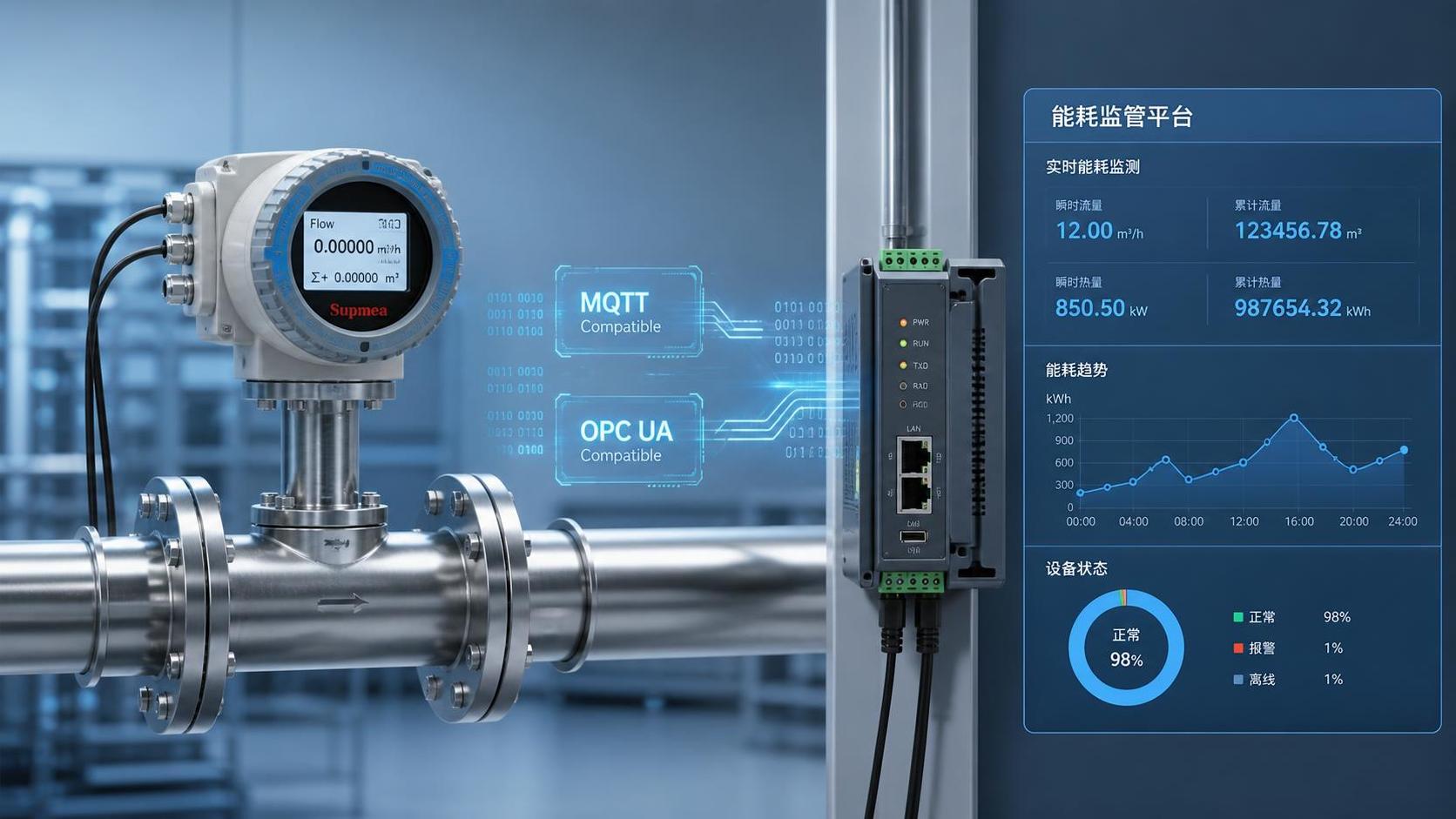
 EU Efficiency Rule Adds Data Interface Mandate for FlowmetersFlowmeters face a major EU compliance shift: from Sept. 1, 2026, new models must support MQTT or OPC UA and direct energy-data reporting. See how this rule impacts design, CE documents, and EU exports.
 Vietnam MOIT Makes QCVN 112:2026 MandatoryVietnam MOIT Makes QCVN 112:2026 Mandatory for imported power monitoring instruments from Sept 1, 2026. Learn certification, CR mark, and supply-chain impacts now.
 IEC 62053-22:2026 Mandates Secure OTA for Class 1 MetersIEC 62053-22:2026 mandates secure OTA for Class 1 meters, reshaping smart meter compliance, procurement, and market access. Learn what manufacturers and buyers must prepare now.
Chat Online