


Finland-based Vaisala has confirmed an acceleration of local service deployment for its Origo intelligent temperature and humidity monitoring system across the Asia-Pacific region — while simultaneously postponing the completion of its regional calibration center expansion from Q2 to Q3 2026. This adjustment creates a narrow but operationally meaningful 6–8 week window for qualified Chinese manufacturers of high-precision humidity and temperature transmitters, particularly those with NIST-traceable calibration certification, to gain entry into high-integrity environments including semiconductor cleanrooms and pharmaceutical GMP-compliant facilities. Semiconductor IDM facilities in Southeast Asia and contract research/development laboratories (CXO) are among the most immediate downstream opportunities affected.
Event Overview
Vaisala has publicly confirmed that its Origo smart environmental monitoring system is undergoing accelerated localization of service infrastructure in the Asia-Pacific region. The company has revised the timeline for completion of its regional calibration center expansion from Q2 2026 to Q3 2026. No official reason for the delay was disclosed. The statement does not include changes to product specifications, pricing, or global supply chain arrangements — only the timing of local calibration capacity rollout.
Industries Affected by Segment
Direct Trade Enterprises (Import/Export Firms)
These firms face a temporary reduction in lead time pressure for customs clearance and regulatory documentation related to high-accuracy transmitter imports. With Vaisala’s local calibration capacity delayed, end users may accept alternative calibration documentation — provided it meets NIST traceability requirements — during the Q2–Q3 2026 transition window.
Manufacturers of High-Precision Environmental Sensors (Chinese OEMs/ODMs)
Domestic sensor makers holding NIST-traceable calibration accreditation now have a short-term opportunity to demonstrate rapid validation turnaround in mission-critical applications. Impact is concentrated in sales cycles targeting semiconductor front-end fabs and regulated pharmaceutical labs where audit readiness and documented metrological traceability are mandatory.
Contract Research & Development Laboratories (CXO Labs)
As outsourcing partners for multinational pharma and biotech clients, CXO labs must maintain continuous compliance with ISO/IEC 17025 and GxP standards. The delay opens a brief operational window to evaluate and onboard alternative transmitters — if those devices can be validated and documented within existing internal QA timelines without compromising audit trails.
Integrated Device Manufacturers (IDMs) in Southeast Asia
IDMs operating wafer fabrication facilities in Malaysia, Vietnam, and Singapore rely on real-time, high-fidelity environmental data for process control. Any deviation in humidity or temperature stability risks yield loss. The delay allows time to assess domestic alternatives under live production conditions — provided those alternatives meet Class A uncertainty thresholds (< ±0.1 °C / ±1 %RH) and support seamless integration with existing SCADA or MES platforms.
What Relevant Enterprises or Practitioners Should Monitor and Do
Track Official Updates from Vaisala’s APAC Service Division
Monitor Vaisala’s regional website and technical bulletins for formal announcements regarding interim calibration support options (e.g., mobile lab visits, third-party accredited partner networks), as these will define the practical boundaries of the window.
Verify NIST Traceability Documentation Against Local Regulatory Expectations
Confirm whether current NIST-traceable certificates issued by Chinese calibration labs meet the specific acceptance criteria of target ASEAN national regulators (e.g., Malaysia’s MDA, Singapore’s HSA) — not just international standards — before initiating pilot deployments.
Prepare for Rapid Validation Turnaround in Live Environments
Ensure internal QA protocols allow for full functional and metrological validation of alternative transmitters within ≤4 weeks — including installation qualification (IQ), operational qualification (OQ), and integration testing with facility monitoring systems (FMS).
Align Technical Support Capabilities with Regional Language and Response Time Requirements
For suppliers engaging Southeast Asian IDMs or CXO labs, confirm availability of English- and local-language (e.g., Bahasa, Vietnamese) technical documentation, on-site support response SLAs (< 72 hours), and spare parts logistics — all of which influence procurement decisions more than specification sheets alone.
Editorial Observation / Industry Perspective
This development is best understood not as a strategic pivot by Vaisala, but as a logistical recalibration in localized infrastructure rollout. Analysis shows the Q3 delay reflects execution complexity — not reduced commitment — to APAC service autonomy. From an industry perspective, the significance lies less in the calendar shift itself and more in how it exposes latent demand for parallel, compliant alternatives in tightly regulated verticals. Observably, this is a signal of maturing local metrology capability rather than a disruption: it confirms that NIST-traceable calibration is now operationally recognized as a viable baseline in APAC high-tech manufacturing — not merely a theoretical requirement. The window remains narrow and conditional; its utility depends entirely on whether domestic suppliers can deliver auditable, production-ready validation — not just laboratory-grade specs.
Conclusion: This update does not represent a broad market opening, nor does it imply weakening of Vaisala’s position. Instead, it highlights a transient alignment between infrastructure timing and growing local calibration maturity — one that rewards speed, documentation rigor, and regulatory awareness over scale or brand recognition. Currently, it is more accurately interpreted as a tactical calibration window than a structural market shift.
Source: Public announcement by Vaisala (date unspecified); no additional external sources cited. The Q3 2026 timeline and NIST-traceability condition are confirmed facts. Ongoing observation is recommended for any further updates on interim calibration support mechanisms or expanded partner accreditation programs in the APAC region.


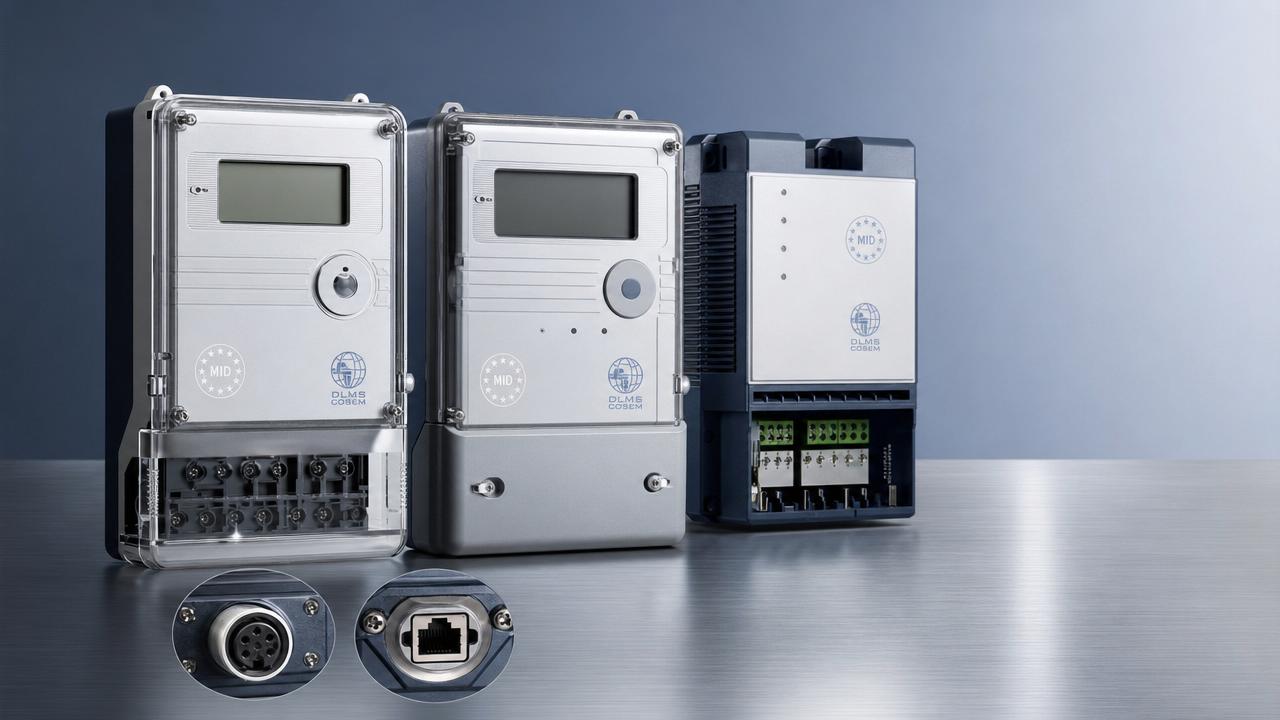
 State Grid's 2026 First-Batch Metering Equipment Tender Awarded to 7 Chinese FirmsState Grid's 2026 smart meter tender awards RMB 2.8B to 7 firms—MID, DLMS/COSEM & dual IEC/ANSI compliance confirmed. Key for exporters, OEMs & cert labs.
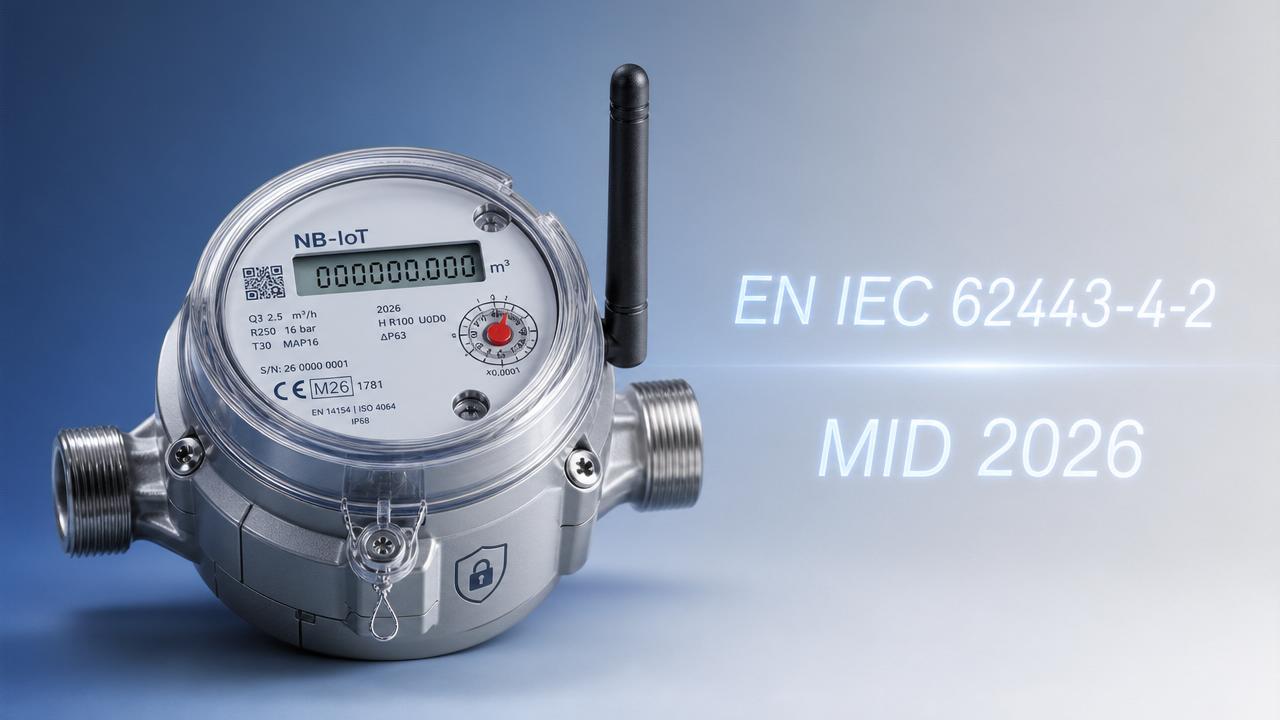
 EU MID 2026 Revision Enters Force: NB-IoT Meters Require Wireless Security CertificationNB-IoT meters now require EU MID 2026 wireless security certification—EN IEC 62443-4-2 compliance is mandatory for EU market access. Act now to avoid shipment delays!
 Winsense Q1 Net Profit RMB148M; Overseas Smart Meter Lead Time Stable at 10–12 WeeksWinsense Q1 net profit RMB148M; overseas smart meter lead time stable at 10–12 weeks — a certified benchmark for exporters, utilities & logistics partners.
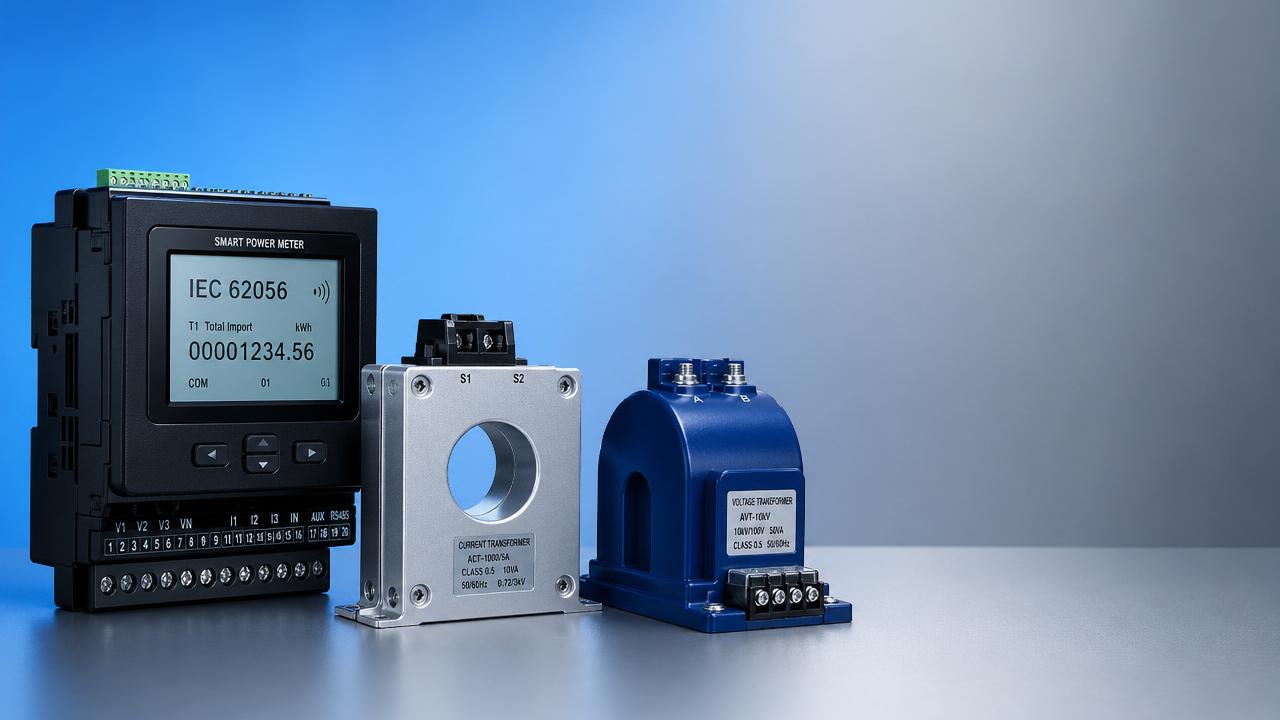
 State Grid's 2026 First Batch Metering Tender Awarded to 7 Chinese FirmsState Grid's 2026 metering tender awarded to 7 firms — IEC 62056 & MID-ready smart meters, transformers, and terminals for global utilities and EPCs.
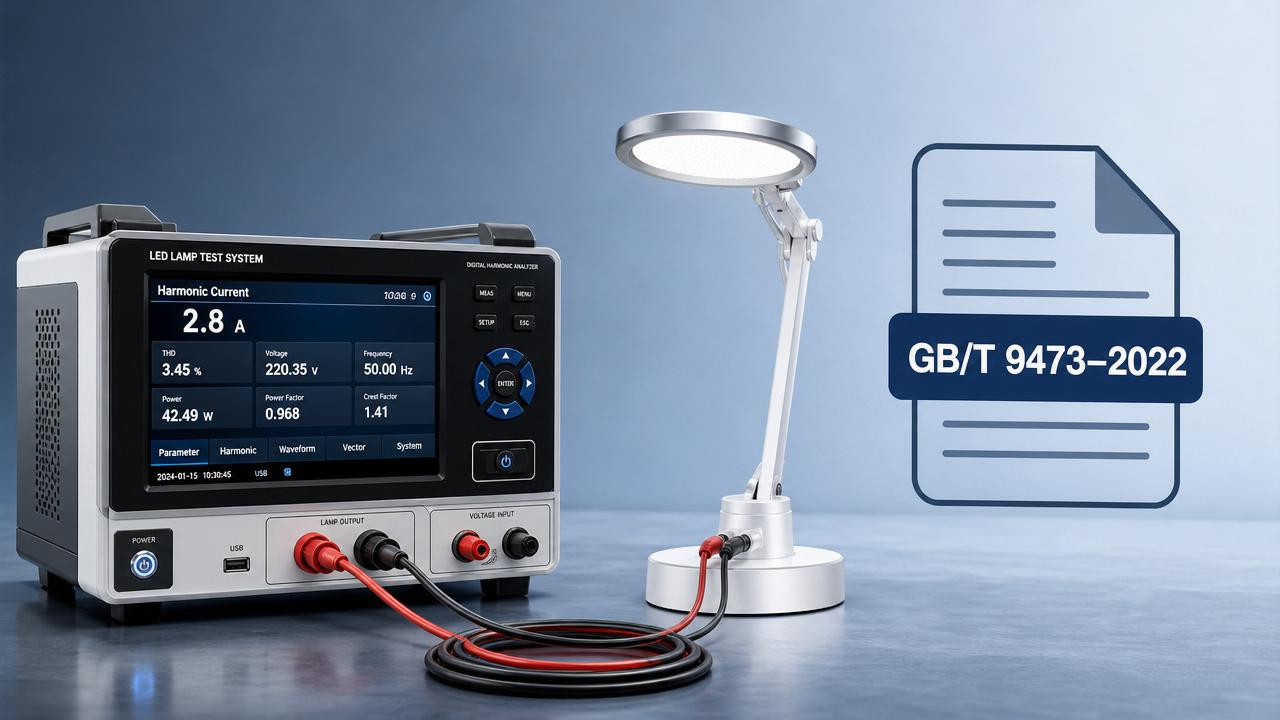
 OPPLE LED Desk Lamps Fail Shandong Inspection Under Old National StandardOPPLE LED desk lamps failed Shandong inspection under old GB/T 9473–2017 — critical insight for lighting exporters on standards lifecycle management & global compliance.
 State Grid's 2026 First Batch Metering Equipment Tender AwardedState Grid's 2026 first batch metering equipment tender awarded — discover key OEMs, MID/ANSI C12 compliance insights, and global AMI supply chain impacts.


Chat Online