


Finland-based Vaisala announced on April 27, 2026, the commercial deployment of its next-generation Origo intelligent temperature and humidity monitoring system across hyperscale data centers in Chengdu, Guangzhou, and Singapore. With sensor modules achieving ±0.1°C / ±0.5%RH accuracy, the rollout is prompting renewed evaluation of domestically produced high-stability sensors by IDC operators across Southeast Asia and the Middle East — particularly those meeting IEC 60751 Class A and ISO/IEC 17025 calibration chain requirements. This development is especially relevant for manufacturers and suppliers of precision environmental sensing components, calibration service providers, and data center infrastructure integrators.
Event Overview
On April 27, 2026, Vaisala publicly confirmed the operational deployment of its Origo smart monitoring system in three hyperscale data centers located in Chengdu (China), Guangzhou (China), and Singapore. The system relies on high-accuracy temperature and humidity transmitter modules specified at ±0.1°C and ±0.5%RH. No further technical specifications, contract values, or vendor partnerships were disclosed in the official announcement.
Industries Affected by Segment
Domestic Sensor Manufacturers
These companies are directly affected because Vaisala’s successful deployment has triggered formal reassessment of Chinese-made alternatives by regional IDC operators. The impact manifests as increased technical scrutiny — specifically around compliance with IEC 60751 Class A (for Pt100 RTDs) and traceability to ISO/IEC 17025-accredited calibration laboratories.
Calibration & Metrology Service Providers
Providers offering accredited calibration services for environmental sensors face growing demand for documentation that explicitly links measurement uncertainty to internationally recognized reference standards. The impact lies in heightened expectations for audit-ready calibration reports, including full uncertainty budgets and demonstrable traceability chains.
Data Center Infrastructure Integrators
Integrators specifying environmental monitoring systems for Tier III+ facilities in APAC must now accommodate more rigorous client-side validation protocols. The impact appears in extended qualification timelines, increased requests for third-party verification of sensor stability under real-world thermal cycling conditions, and tighter integration testing requirements for alarm logic and data logging fidelity.
Export Compliance & Certification Consultants
Firms supporting sensor exporters into regulated markets (e.g., Singapore’s IMDA, UAE’s TDRA) are seeing rising inquiries regarding conformity pathways for IEC 60751 Class A claims and ISO/IEC 17025 alignment. The impact is reflected in expanded scope-of-work for technical file preparation and gap assessments against regional acceptance criteria.
What Relevant Enterprises or Practitioners Should Focus On and How to Respond
Monitor official updates from Vaisala and regional data center associations
Vaisala has not published detailed performance benchmarks or failure-mode analysis from the deployed Origo sites. Observing any follow-up white papers, case studies, or participation in APAC-focused standards forums (e.g., Uptime Institute APAC Summit, Singapore Data Centre Alliance meetings) will clarify whether this is a one-off implementation or part of a broader certification benchmarking initiative.
Verify alignment of current product documentation with IEC 60751 Class A and ISO/IEC 17025 requirements
Manufacturers should audit existing datasheets and calibration certificates: does ‘Class A’ refer strictly to Pt100 tolerance per IEC 60751, or is it used informally? Are calibration reports issued by an ILAC-MRA signatory lab? Any discrepancy between marketing language and documented metrological traceability may become a disqualifier during technical pre-qualification.
Distinguish between market interest signals and actual procurement shifts
The announcement reflects operator-level technical reassessment — not confirmed purchase orders for domestic alternatives. Enterprises should avoid scaling production or investment based solely on this signal; instead, treat it as a trigger to strengthen technical dossiers and initiate dialogue with key regional integrators and certification bodies.
Prepare for expanded calibration and validation workflows
Suppliers should review internal calibration SOPs and ensure test equipment uncertainty ratios meet ≥4:1 against claimed sensor tolerances. Where outsourced, confirm partner labs hold valid ISO/IEC 17025 accreditation for the specific measurement parameters (e.g., humidity at 30–80% RH, temperature at 15–35°C), with scope explicitly covering the relevant standard clauses.
Editorial Perspective / Industry Observation
Observably, this event functions less as an immediate market shift and more as a technical benchmarking inflection point. Vaisala’s deployment itself does not indicate declining demand for imported sensors — rather, it elevates the minimum technical bar for qualification in mission-critical environments. Analysis shows that the emphasis on ±0.1°C/±0.5%RH stability and explicit calibration chain transparency is recalibrating how regional operators assess equivalency, not just accuracy. From an industry perspective, this is best understood as a tightening of technical gatekeeping — one that rewards rigor in metrological documentation over broad performance claims. Sustained attention is warranted because subsequent adoption patterns by Tier 1 APAC IDC operators will determine whether this becomes a de facto specification baseline or remains confined to select hyperscale deployments.
Concluding, this development underscores a structural evolution in APAC data center procurement: environmental sensor selection is shifting from functional specification toward verifiable metrological assurance. It is not yet evidence of accelerated import substitution, but rather a signal that domestic sensor suppliers must now demonstrate equivalence through auditable, standards-aligned evidence — not just competitive pricing or feature parity. Current understanding should emphasize capability validation over market timing.
Source: Official Vaisala press release dated April 27, 2026. Note: Deployment locations (Chengdu, Guangzhou, Singapore), sensor accuracy specifications (±0.1°C / ±0.5%RH), and referenced standards (IEC 60751 Class A, ISO/IEC 17025) are confirmed in the release. Regional operator response patterns and certification pathway developments remain subject to ongoing observation.


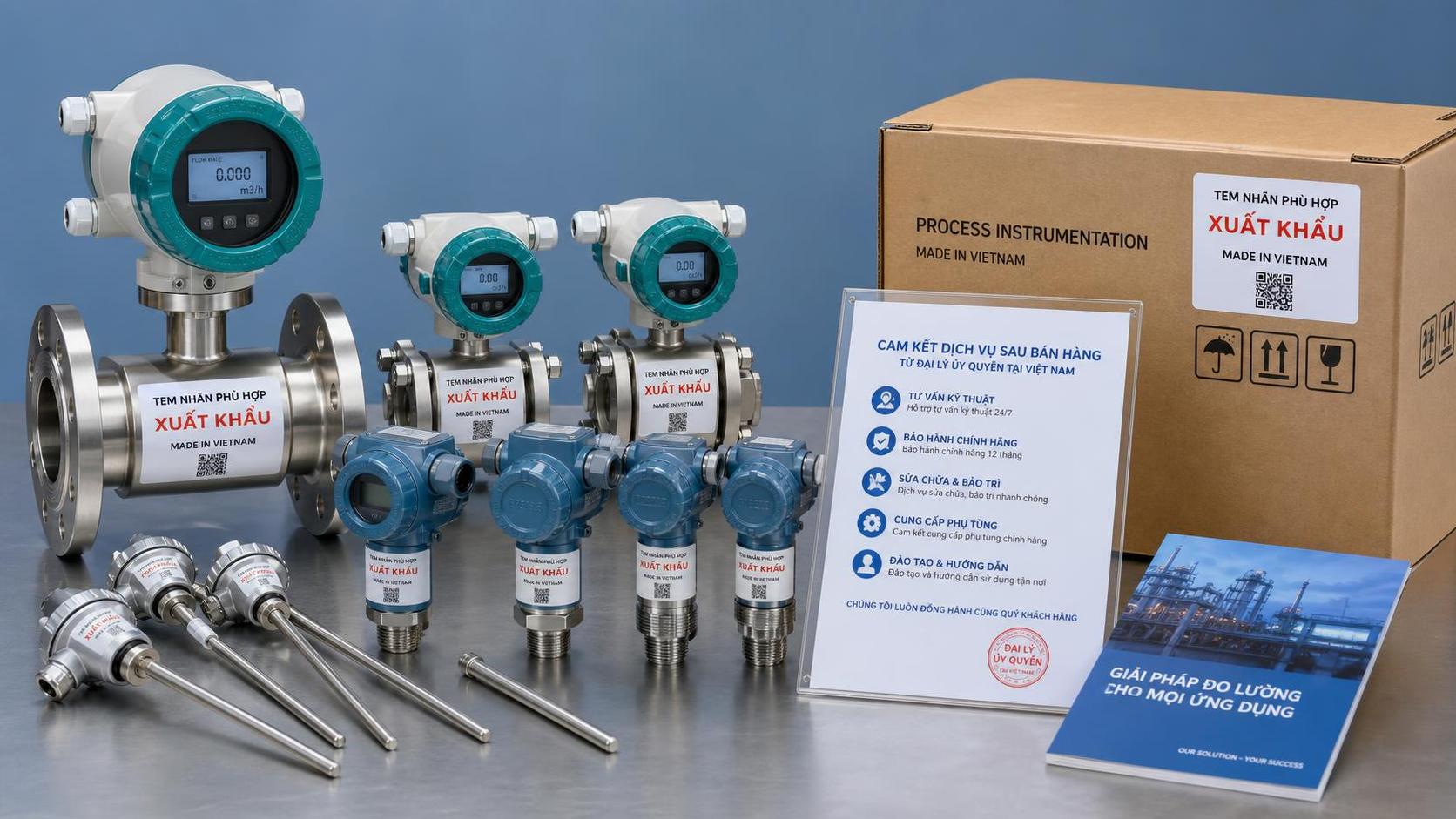
 Vietnam Rule Takes Effect Sept. 1: Imported Industrial Instruments Need Vietnamese Labels and Local After-Sales CommitmentVietnam’s Sept. 1 rule requires Vietnamese labels and local after-sales support for imported industrial instruments. See what HS 9026/9028 exporters and buyers must do now.
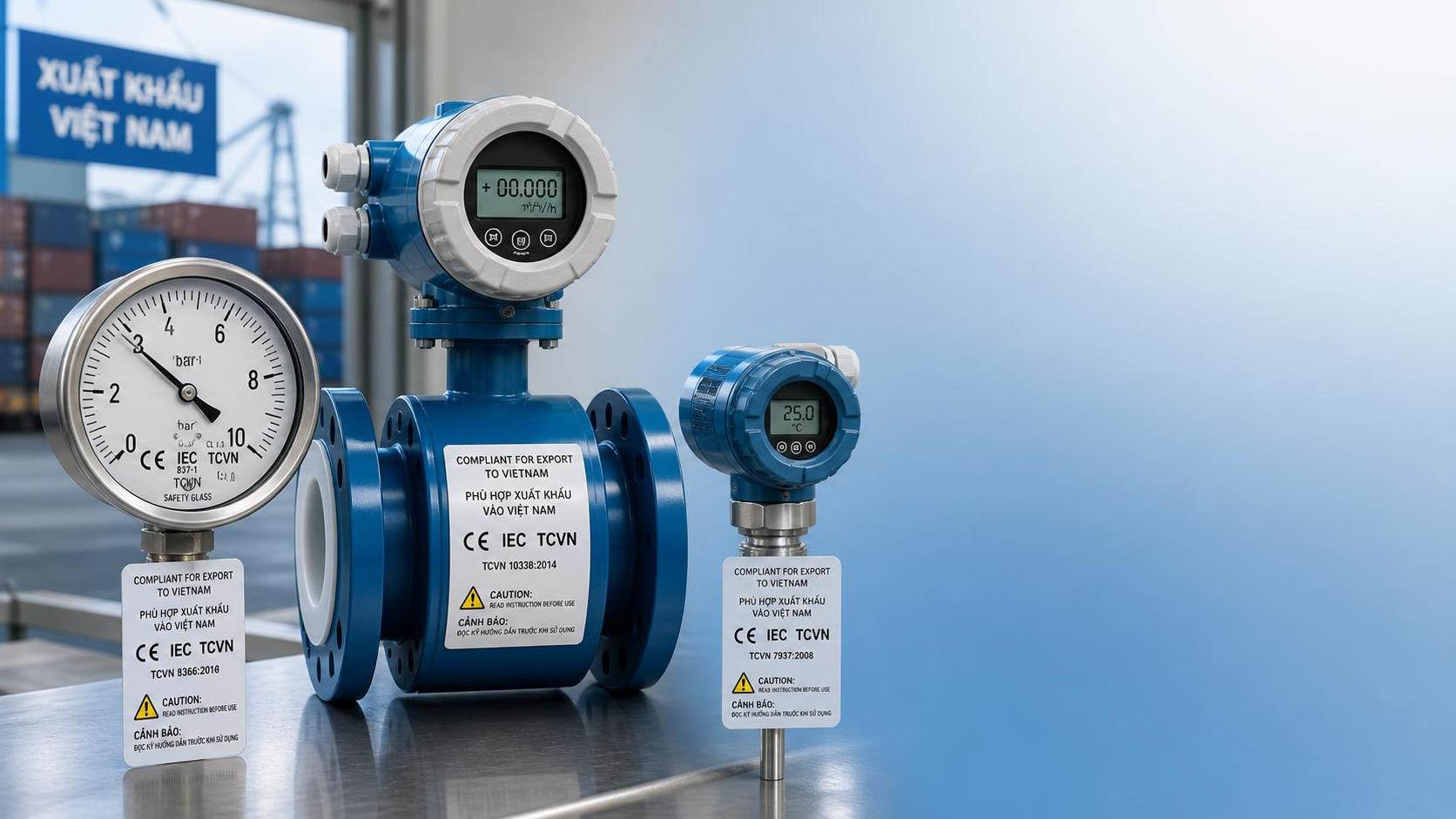
 Vietnam MOIT Rule Tightens Labeling for Imported Industrial InstrumentsVietnam MOIT Rule Tightens Labeling for Imported Industrial Instruments: learn how new Vietnamese label, CE/IEC/TCVN, and local service contact rules affect customs clearance and market access.
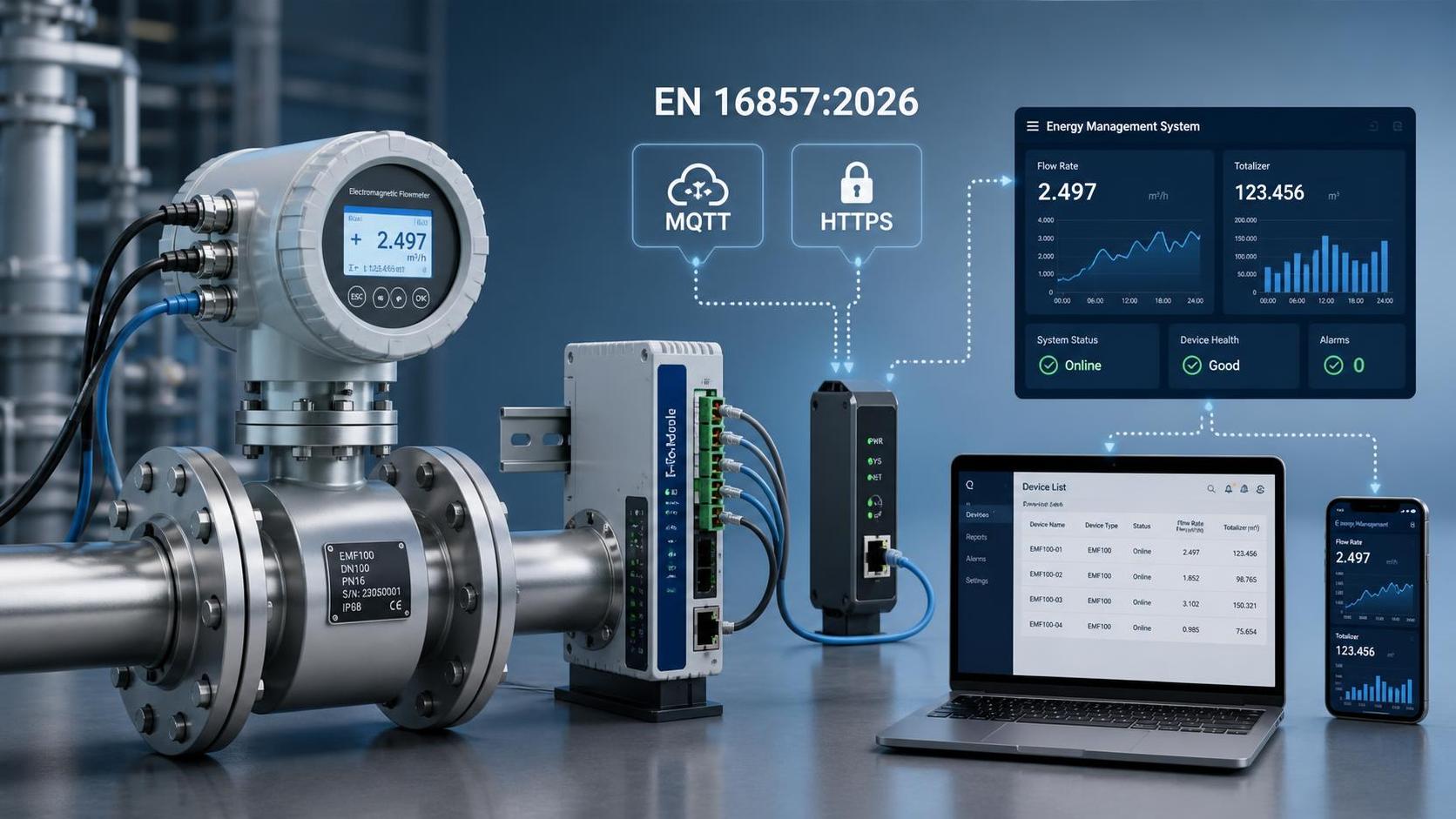
 EU Energy Rule Takes Effect: Flow Meters Need Data InterfacesEU energy rule now requires industrial flow meters with data interfaces. Learn how EN 16857:2026, MQTT/HTTPS, and updated compliance affect exports, customs, and buying decisions.
 EU Efficiency Rule Adds Data Interface Mandate for FlowmetersFlowmeters face a major EU compliance shift: from Sept. 1, 2026, new models must support MQTT or OPC UA and direct energy-data reporting. See how this rule impacts design, CE documents, and EU exports.
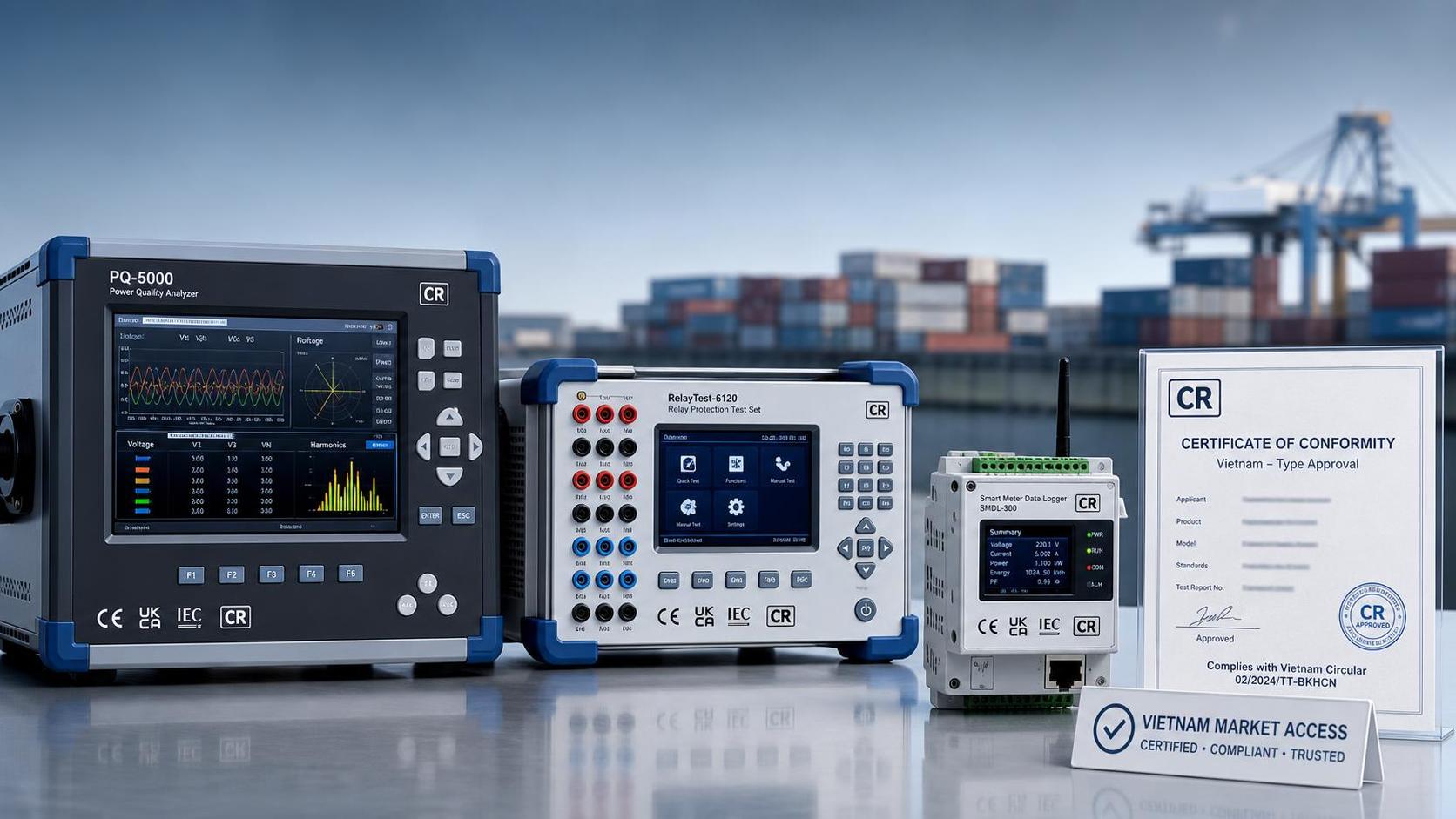
 Vietnam MOIT Makes QCVN 112:2026 MandatoryVietnam MOIT Makes QCVN 112:2026 Mandatory for imported power monitoring instruments from Sept 1, 2026. Learn certification, CR mark, and supply-chain impacts now.
 IEC 62053-22:2026 Mandates Secure OTA for Class 1 MetersIEC 62053-22:2026 mandates secure OTA for Class 1 meters, reshaping smart meter compliance, procurement, and market access. Learn what manufacturers and buyers must prepare now.

Chat Online