


On June 16, 2026, Shenghong Petrochemical put into operation what was described as the domestic chemical sector’s first full-process "AI dark laboratory," completing a no-human closed loop from sample introduction and AI scheduling to automated analysis and report generation. For the industry, the development matters not only as a technology deployment, but also as a practical signal that laboratory automation, instrument stability, traceability, hazardous-area suitability, and documentation quality may become more central in procurement, delivery, and compliance review across petrochemical and new energy materials projects.
What has been confirmed from the launch
The confirmed facts are limited but clear. The project was launched on June 16, 2026 by Shenghong Petrochemical. It was presented as the first "AI dark laboratory" in China’s chemical industry to achieve a full-process unattended workflow covering sample loading, AI-based scheduling, fully automated analysis, and report generation.
The event summary also confirms that the demonstration project has already triggered batch procurement demand for specialized instruments, including high-stability online chromatographs, explosion-proof infrared gas analyzers, and edge-computing sensors. In addition, the project is described as a reference case for intelligent laboratory construction and equipment selection for overseas petrochemical and new energy materials companies.
Why this changes practical requirements across the chain
Equipment suppliers face a higher proof threshold
From an industry perspective, suppliers of analytical instruments and sensing devices may be among the first groups affected. The reason is straightforward: once a laboratory is designed around unattended operation, buyers are likely to pay closer attention to continuous stability, system compatibility, hazardous-environment suitability, and the ability of equipment to support automated reporting and traceable records. What deserves closer attention is not a new published rule in the narrow legal sense, but a visible shift in purchasing criteria that can influence technical specifications, bid documentation, factory acceptance expectations, and after-sales commitments.
Project buyers may tighten specification alignment
For procurement teams in petrochemical and new energy materials projects, this development may affect how technical requirements are written and reviewed. Analysis shows that when a demonstration project moves from manual testing to a zero-manual closed loop, buyers are more likely to examine whether instruments can integrate into automated workflows, whether supporting documents are complete enough for internal compliance review, and whether delivery packages include the technical records needed for later validation and operation. This can affect sourcing schedules, supplier qualification review, and handover documentation.
Service and support providers may see new delivery expectations
After-sales service providers, integrators, and related testing service firms may also need to respond to a different execution environment. Observably, a laboratory that reduces manual intervention places more weight on remote diagnostics, maintenance response, replacement planning, and quality traceability in case of abnormal readings or report inconsistencies. That does not confirm a new formal regulatory obligation, but it does suggest that contract terms, service scopes, and evidence records may receive closer scrutiny in future project delivery.
Export-oriented vendors should watch trade and certification interfaces
For export-oriented manufacturers and trading companies, the relevance lies in how this case can influence overseas buyer expectations. Since the project is presented as a model for overseas petrochemical and new energy materials companies, suppliers may need to prepare more structured technical files, compliance statements, and product suitability materials when approaching similar projects abroad. The immediate issue is less about a confirmed trade restriction and more about the possibility that equipment selection will increasingly intersect with project-specific certification, hazardous-area requirements, and documentary review during tendering and customs-facing delivery preparation.
Where companies should focus next
Check whether product files match unattended-use scenarios
Companies supplying chromatographs, gas analyzers, sensors, and related systems should review whether their technical documents clearly support automated and continuous-use scenarios. This includes product specifications, operating descriptions, testing records, and any documents buyers may use to assess reliability, integration capability, and traceability. The event summary does not provide a formal checklist, so this should be treated as a preparation point rather than an established requirement.
Monitor how tender documents describe automation needs
What deserves closer attention is whether future procurement documents begin to place greater emphasis on unattended workflows, AI scheduling compatibility, explosion-proof suitability, or report-chain integrity. Companies involved in bidding should watch for changes in technical bid alignment, required attachments, and acceptance criteria rather than assuming that traditional laboratory supply documentation will remain sufficient.
Prepare for longer review around delivery and qualification
Analysis shows that batch demand for specialized instruments can create pressure not only on production capacity but also on qualification review and delivery readiness. Suppliers and trading intermediaries should therefore pay attention to lead times, spare-part planning, document completeness, and the consistency of product identification and quality records. This is especially relevant where the end-use context involves hazardous environments or integrated automated systems.
Keep after-sales and traceability arrangements ready
Where laboratory systems are expected to run with minimal human intervention, post-delivery support can become part of the compliance conversation. Companies should be prepared to explain maintenance arrangements, fault response mechanisms, and traceability paths for data-linked equipment. The available information does not confirm any new mandatory after-sales rule, but it clearly points to a use case where service credibility may weigh more heavily in buyer decisions.
How this should be read at this stage
Observably, this development is better understood as an execution signal than as proof of a newly published standalone regulation. It shows how automation in chemical laboratories can begin to reshape practical expectations in procurement, integration, documentation, and service. At the same time, the current information does not establish a formal new compliance regime, mandatory certification change, or official trade measure tied to this specific event.
From an industry perspective, the main reason to keep watching is that demonstration projects often influence how specifications are written and how compliance is interpreted in real transactions. The more immediate market effect may therefore appear first in bid files, technical annexes, supplier qualification reviews, and project delivery terms rather than in a single formal policy text.
What the market can reasonably take from it
The practical significance of the Shenghong Petrochemical project lies in showing that unattended analytical workflows are moving from concept to deployable industrial reference. For the market, it is more appropriate to understand this as a concrete operating signal that may affect equipment selection, procurement standards, documentation expectations, and service obligations around automated laboratories.
That said, the event should still be read with caution. It does not by itself confirm universal implementation rules or fixed certification pathways. A rational conclusion is that companies connected to analytical instruments, sensing devices, project procurement, and export delivery should treat this as an actionable market indicator while continuing to track how specific requirements are expressed in future tenders, buyer audits, and compliance reviews.
Basis of this article and points still requiring verification
This article is generated on the basis of the user-provided news title, event date, and event summary. No specific official source link was provided in the input, so any formal policy interpretation, regulatory position, or binding compliance conclusion still requires continued verification.
For this type of development, source categories that are usually relevant include company announcements, regulatory releases, trade or customs authority information, industry association updates, standards organization documents, tender documents, and reporting by authoritative industry media. What still requires observation includes any later official wording, certification interpretation, tender-document changes, buyer-side execution standards, and market feedback from actual project delivery.


 Vietnam Tightens Import Rules for Industrial Instruments From SeptemberVietnam tightens import rules for industrial instruments from September 2026. Learn how Vietnamese labeling and local after-sales commitments may affect customs clearance, costs, and exporter compliance.
 IECEx Rules Raise the Bar for Ultrasonic Transmitters in SIS ExportsIECEx rules now demand SIL2 diagnostic proof and third-party conformity reports for ultrasonic transmitters in SIS exports—learn how this impacts compliance, bidding, and market access.
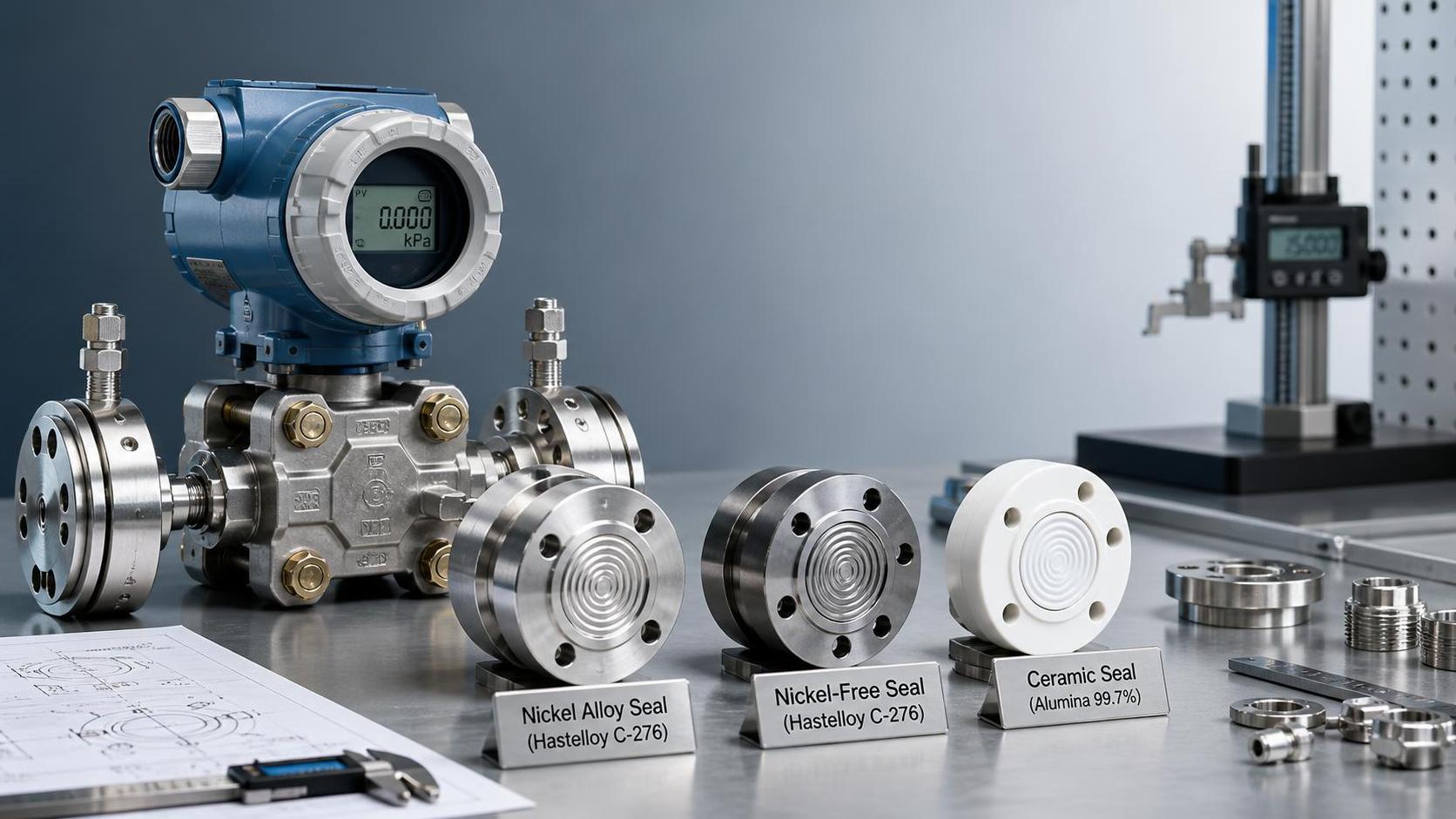
 EU REACH Annex XVII Targets Nickel SealsEU REACH Annex XVII now targets nickel seals in industrial instruments. Learn how pressure transmitters and flow meters must adapt before the 2027 enforcement deadline.
 China Flowmeter Export Prices Rise 9.3% in Q2 2026China flowmeter export prices rose 9.3% in Q2 2026 as Middle East petrochemical and Southeast Asia hydrogen demand lifted premium meter exports. See what it means for buyers and exporters.
 EU PFAS Ban Hits Chemical Instrument ImportsEU PFAS ban now impacts chemical instrument imports into the EU. Learn how REACH rules affect flow meters, transmitters, sourcing, compliance files, and delivery planning.
 EU REACH Adds Phthalate Ban for Process InstrumentsEU REACH adds a phthalate ban for process instruments from Sept 1, 2026. Learn how level gauges, pressure transmitters, and flow switches can meet EU compliance and documentation rules.


Chat Online