


The timing of the event is not specified in the source input, but the development is noteworthy because it connects laboratory automation with compliance expectations that increasingly matter in chemical operations, cross-border project delivery, and environmental oversight. Based on the provided information, Shenghong Petrochemical has put into operation China’s first full-process “AI + lights-out” analysis laboratory in the chemical sector, and the move is relevant not only as a technology deployment but also as a practical response to ISO/IEC 17025 and local regulatory requirements for real-time data traceability.
What the confirmed information shows
According to the provided summary, Shenghong Petrochemical has built a fully unmanned analysis laboratory covering the entire process from sampling and pretreatment to chromatographic and spectroscopic analysis and report generation through an AI-enabled closed loop.
The same summary states that this model has already been formed into a replicable intelligent analysis solution. It is being opened for technology export and equipment integration services to overseas chemical parks and EPC contractors.
The stated compliance relevance is also clear in the input: the solution is intended to help customers meet ISO/IEC 17025 requirements and local environmental regulators’ expectations for real-time data traceability.
Why this matters beyond one laboratory
For plant operators and production-side buyers
From an industry perspective, operators that rely on in-house or contracted laboratory data may need to pay closer attention to how analytical results are generated, stored, and traced. If buyers, owners, or regulators increasingly expect traceable digital records rather than only final test reports, the impact could reach procurement specifications, laboratory acceptance criteria, and internal quality documentation.
For EPC contractors and project delivery teams
The provided information explicitly mentions EPC contractors, which suggests a possible shift in how laboratory systems are evaluated in project packages. Analysis shows that if automated and traceable laboratory workflows become part of bid or delivery expectations, EPC teams may need to review equipment integration scope, interface requirements, validation documents, and data-handling responsibilities earlier in project execution.
For export-facing chemical service and equipment suppliers
Because the solution is being offered to overseas chemical parks, suppliers involved in instruments, automation modules, software integration, and after-sales support may face greater scrutiny around whether their deliverables can support ISO/IEC 17025-aligned processes and local environmental traceability requirements. The practical effect may appear in technical submissions, qualification files, service commitments, and acceptance documentation rather than in product pricing alone.
For testing and compliance-related service providers
Observably, the stronger signal in this case is not only automation, but the linkage between analytical operations and auditable data trails. Service providers connected with testing, certification support, or compliance documentation may therefore need to monitor whether clients begin asking for clearer chain-of-custody records, system integration evidence, or traceability-ready reporting formats.
What companies should watch next
Review how traceability is evidenced
What deserves closer attention is whether customers, regulators, or project owners start placing more weight on the full record behind a result, including sampling, pretreatment, instrument workflow, and report generation. Companies should therefore examine whether their current documents and systems can demonstrate that chain in a consistent way.
Check tender and specification language
For companies participating in plant construction, laboratory upgrades, or overseas integrated projects, tender files and technical specifications deserve close review. If language begins to emphasize unattended operation, digital auditability, or real-time traceability support, that would be an execution signal affecting supplier qualification and bid alignment.
Prepare for stricter certification interface demands
The input specifically references ISO/IEC 17025, so companies involved in laboratory design, integration, or outsourced analytical services should monitor how clients interpret the standard in practice. This does not confirm any new formal rule by itself, but it does indicate that certification-related expectations may increasingly extend to system architecture, data integrity, and workflow control.
Follow local environmental reporting expectations
Because the summary also points to local environmental regulators’ real-time data traceability requirements, export-oriented firms and overseas project participants should pay attention to local compliance interfaces, reporting formats, and evidence retention needs. Where detailed execution requirements are not yet known, it is more prudent to treat this as an area for ongoing review rather than a settled checklist.
How this should be interpreted now
Analysis shows that this development is best understood as an execution signal rather than proof of a broad new rule already applied across all markets. The more meaningful point is that an automated laboratory model is being presented not only as an efficiency tool, but as a compliance-supporting solution tied to accreditation and regulatory traceability expectations.
Observably, that makes the story relevant to more than chemical producers alone. It also deserves attention from procurement teams, EPC contractors, laboratory integrators, testing service providers, and export-facing suppliers that may be asked to support verifiable analytical workflows in future projects.
At the same time, the current input does not establish a new regulation, a formal regulatory deadline, or a universal procurement mandate. For that reason, market participants still need to watch how this type of capability appears in project specifications, qualification reviews, regulatory communication, and customer-side acceptance standards.
A practical reading of the signal
In neutral terms, this item points to a growing overlap between laboratory automation, accreditation readiness, and environmental data governance. The confirmed facts support the view that Shenghong Petrochemical has created a replicable model and is positioning it for external project use, including overseas applications.
It is more appropriate to understand this as an important market and compliance signal with potential implications for trade, procurement, certification support, and delivery requirements, rather than as conclusive evidence that one uniform industry rule has already taken effect everywhere.
Basis of this article and what still needs verification
This article is generated from the user-provided news title, event timing, and event summary. The input does not provide a specific official source link, so any formal source document, regulator statement, or implementation notice still requires further verification.
For this type of development, relevant source categories typically include company announcements, regulatory publications, trade or customs authorities’ information, industry association updates, standards organization materials, tender documents, and reporting by established industry media. None of those specific links were provided in the input.
Further observation is still needed on possible detailed compliance interpretations, certification review practice, tender wording changes, market feedback, and how companies actually implement traceability and laboratory integration requirements in project delivery.


 Vietnam Tightens Import Rules for Industrial Instruments From SeptemberVietnam tightens import rules for industrial instruments from September 2026. Learn how Vietnamese labeling and local after-sales commitments may affect customs clearance, costs, and exporter compliance.
 IECEx Rules Raise the Bar for Ultrasonic Transmitters in SIS ExportsIECEx rules now demand SIL2 diagnostic proof and third-party conformity reports for ultrasonic transmitters in SIS exports—learn how this impacts compliance, bidding, and market access.
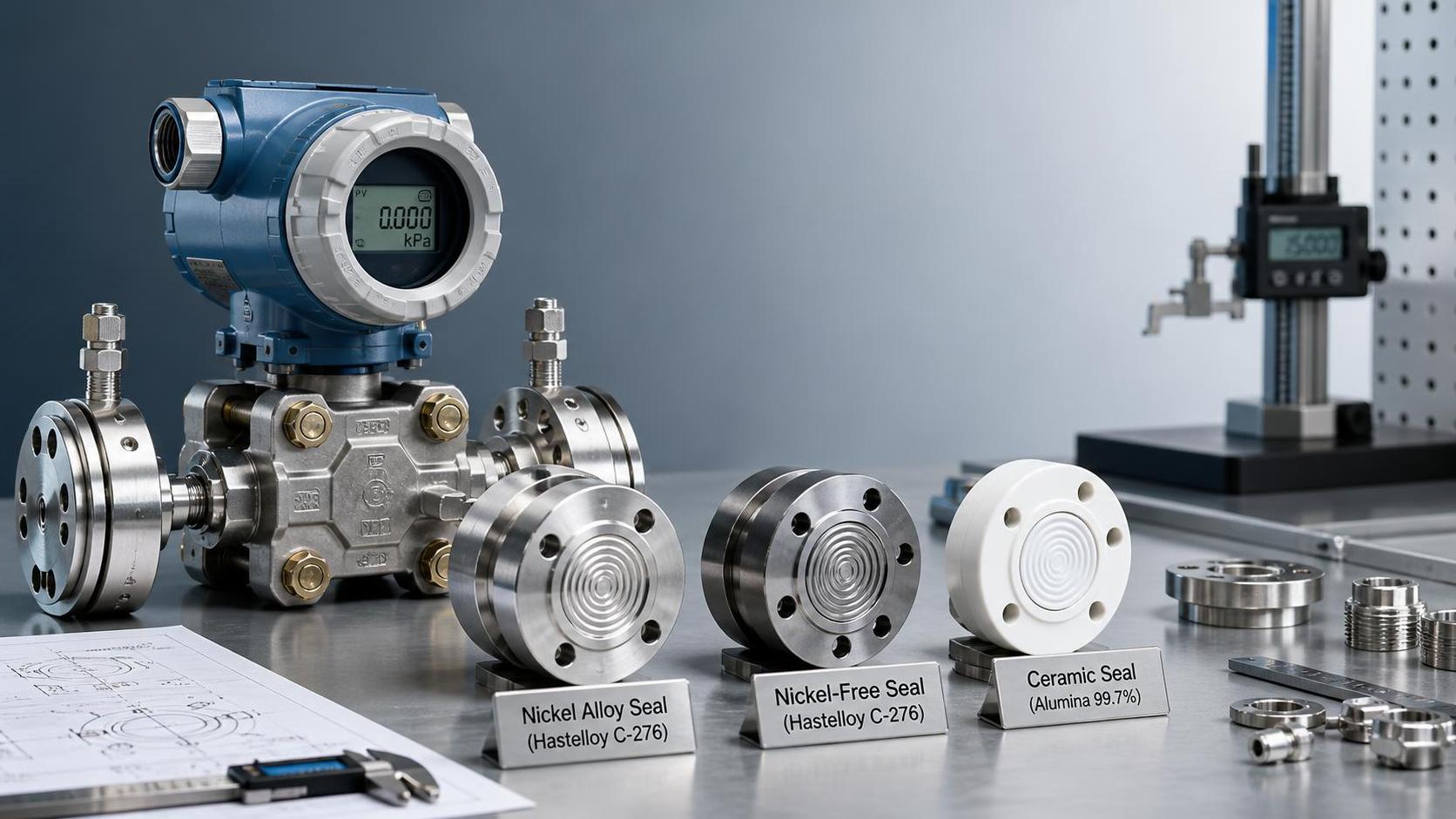
 EU REACH Annex XVII Targets Nickel SealsEU REACH Annex XVII now targets nickel seals in industrial instruments. Learn how pressure transmitters and flow meters must adapt before the 2027 enforcement deadline.
 China Flowmeter Export Prices Rise 9.3% in Q2 2026China flowmeter export prices rose 9.3% in Q2 2026 as Middle East petrochemical and Southeast Asia hydrogen demand lifted premium meter exports. See what it means for buyers and exporters.
 EU PFAS Ban Hits Chemical Instrument ImportsEU PFAS ban now impacts chemical instrument imports into the EU. Learn how REACH rules affect flow meters, transmitters, sourcing, compliance files, and delivery planning.
 EU REACH Adds Phthalate Ban for Process InstrumentsEU REACH adds a phthalate ban for process instruments from Sept 1, 2026. Learn how level gauges, pressure transmitters, and flow switches can meet EU compliance and documentation rules.


Chat Online