


On June 22, 2026, the Official Journal of the European Union published EN 61000-6-4:2026 as the updated EMC standard for industrial process control instruments sold into the EU market, replacing the 2019 edition. The change matters because it directly affects pressure, temperature, flow, and analytical instruments, while also altering the compliance path for CE-related testing, review timing, and cost exposure for exporters, testing bodies, procurement teams, and delivery planning functions.
What the standard update confirms
The confirmed change is that EN 61000-6-4:2026 has been published in the OJEU on June 22, 2026 and replaces the 2019 version. It is mandatory for industrial process control instruments sold to the EU, including pressure, temperature, flow, and analytical instruments. The update expands the frequency range covered by radiated emission limits and adds transient immunity testing provisions for AI-assisted diagnostic equipment. The information provided also confirms that the revision affects the CE certification path, test cycle length, and compliance cost for Chinese instrument exporters.
Where the pressure is likely to appear first
Export programs tied to EU market access
Companies shipping industrial process instruments to the EU are likely to feel the impact first because market access now depends on alignment with the updated EMC standard rather than the previous edition. From a business perspective, the main pressure points are certification scheduling, technical file preparation, model coverage review, and shipment planning for products already positioned for EU delivery.
Testing and certification workflows
Testing laboratories and certification-related service providers may face changes in how projects are scoped and sequenced. Analysis shows that expanded radiated emission frequency coverage and new transient immunity provisions for AI-assisted diagnostic equipment could require closer review of existing test plans, report structures, and technical evidence used to support CE-related compliance work.
Procurement and project delivery coordination
Buyers, distributors, and project delivery teams may also need to pay closer attention where EU-bound industrial instruments are involved. What deserves closer attention is whether procurement specifications, acceptance documents, and delivery schedules still match products assessed under the older standard version, especially when orders involve pressure, temperature, flow, or analytical instruments intended for regulated project environments.
After-sales and technical support alignment
For after-sales teams and technical support providers, the update may create a documentation and traceability issue rather than an immediate field issue. Observably, product configuration records, compliance statements, and customer-facing technical materials may need to stay consistent with the revised testing basis, particularly where customers request updated conformity evidence during handover or service support.
Practical points companies should track now
Review certification status by product category
Companies should first identify which EU-bound product lines fall within the confirmed scope of industrial process control instruments and whether existing compliance work is tied to the replaced 2019 edition. This is particularly relevant for pressure, temperature, flow, and analytical instrument portfolios.
Check whether technical documents still align
Technical files, test reports, declarations, tender attachments, and customer compliance packs may need to be checked for consistency with EN 61000-6-4:2026. Since the input does not provide detailed transition instructions, it is more appropriate to treat this as an area requiring document review rather than assume a uniform execution result.
Watch timing risk in testing and delivery
Analysis shows that any change affecting the certification path and testing scope can also affect internal delivery coordination. Companies with active EU orders should pay attention to whether testing queues, document revision cycles, and shipment commitments remain aligned once the updated standard becomes the operative reference.
Follow execution language around AI-assisted functions
The addition of transient immunity testing provisions for AI-assisted diagnostic equipment deserves special monitoring. From an industry perspective, companies offering products with diagnostic functions should pay close attention to how this wording is reflected in testing practice, certification communication, and customer technical requirements, because the input confirms the new provision but does not define its detailed application boundaries.
Why this should be read as a compliance signal
Observably, this is not just a routine standards refresh for exporters serving the EU industrial instrument market. The confirmed replacement of the 2019 edition, the broadened radiated emission coverage, and the new test provision for AI-assisted diagnostic equipment together point to a concrete compliance signal. At the same time, it would be premature to present downstream execution outcomes as settled facts, because the provided information does not include detailed implementation interpretations, project-level procurement responses, or testing practice feedback.
How the market should interpret the update
At this stage, the update is better understood as an already effective rule change with immediate relevance for compliance preparation, certification review, and delivery planning, rather than as a fully clarified market outcome. The practical significance lies in its effect on how EU-bound industrial instruments are assessed and documented. A rational reading is that companies should treat it as a live compliance requirement while continuing to monitor how execution language is reflected in certification handling, procurement documents, and customer acceptance expectations.
Basis of this article and what still needs verification
This article is based on the user-provided title, event date, and event summary regarding EN 61000-6-4:2026 and its impact on industrial process control instrument compliance. For events of this kind, relevant source types typically include official notices, regulator publications, standardization documents, trade or customs information, industry association releases, and reporting by authoritative media. No specific official source link was provided in the input, so the exact official link still needs to be verified on an ongoing basis. What also requires continued observation includes detailed implementation language, certification interpretation, tender document updates, market feedback, and how affected companies carry the requirement into actual export execution.


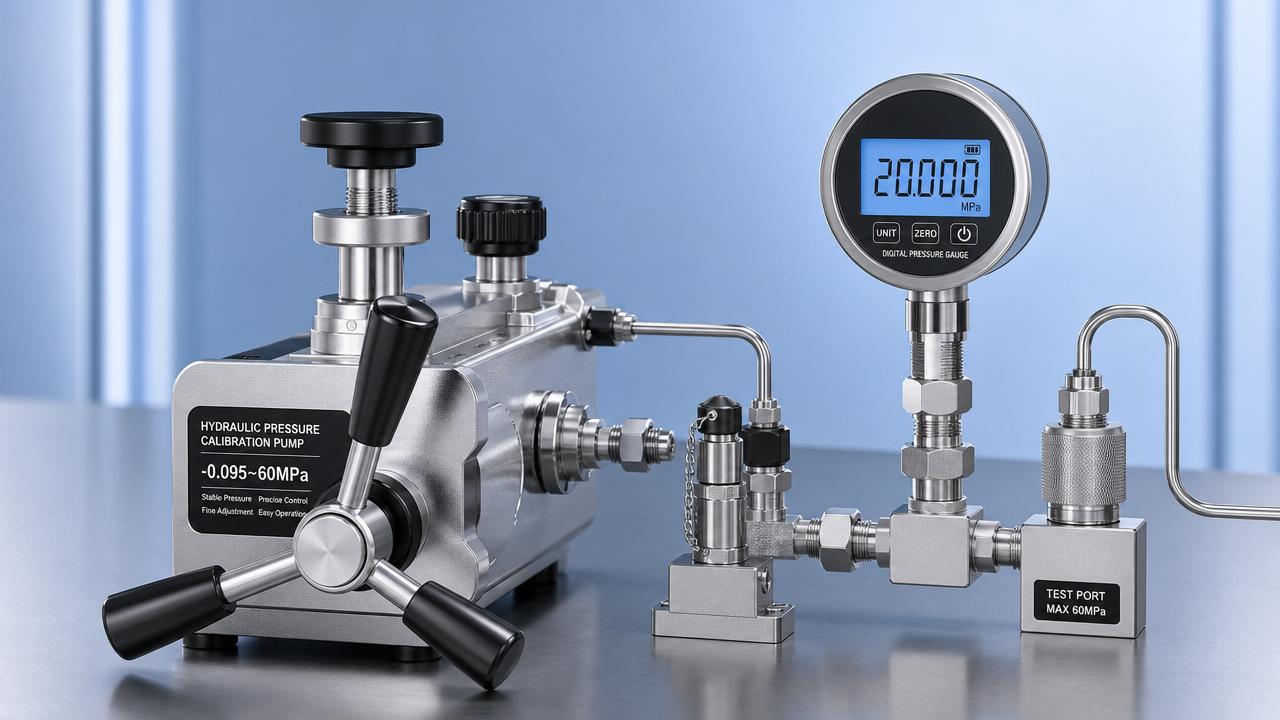
 How to Read Hydraulic Calibration Pump Specifications CorrectlyHydraulic calibration pump specifications explained clearly: learn how to assess pressure range, stability, fine control, and compatibility to choose the right pump with confidence.
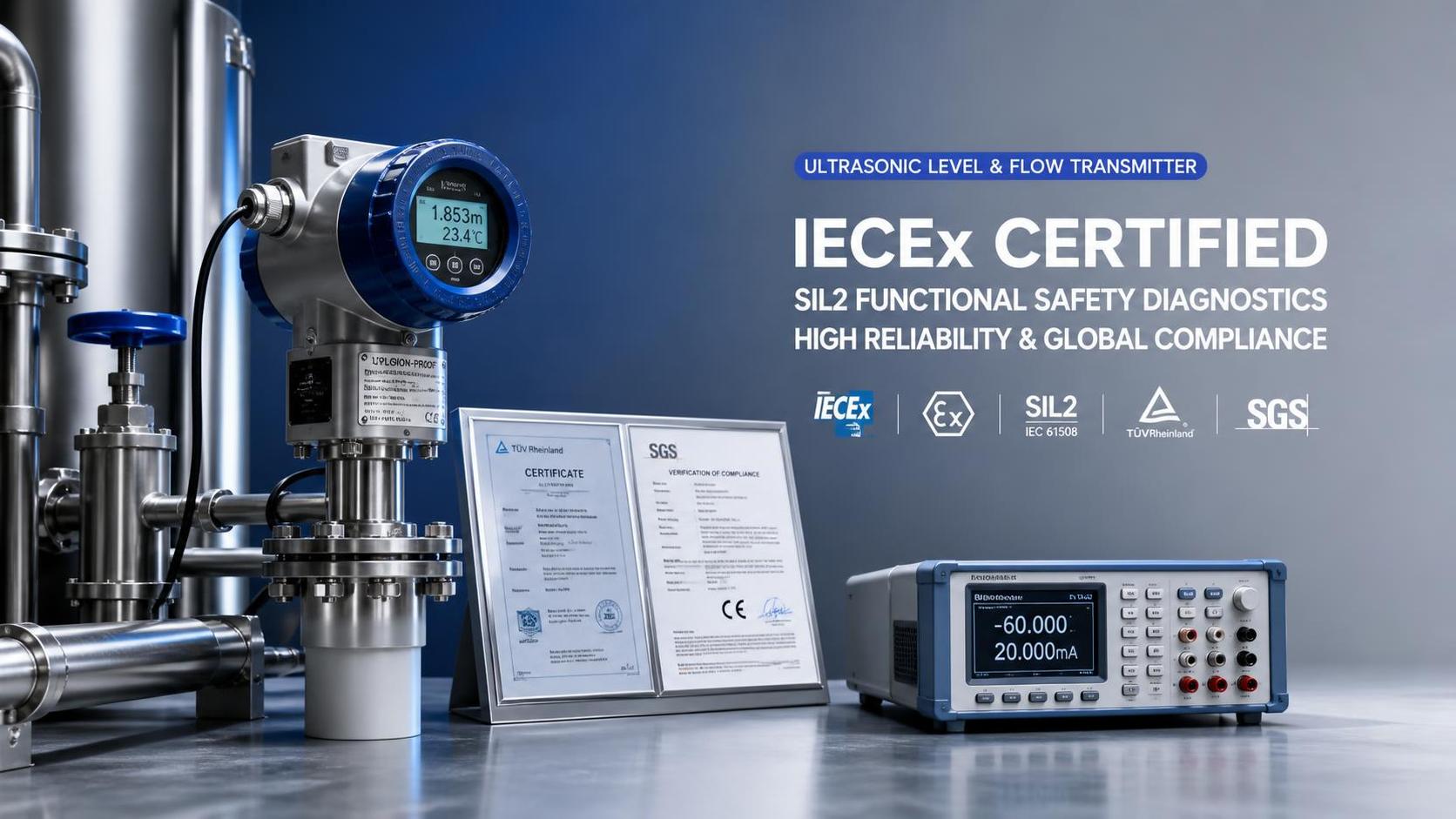
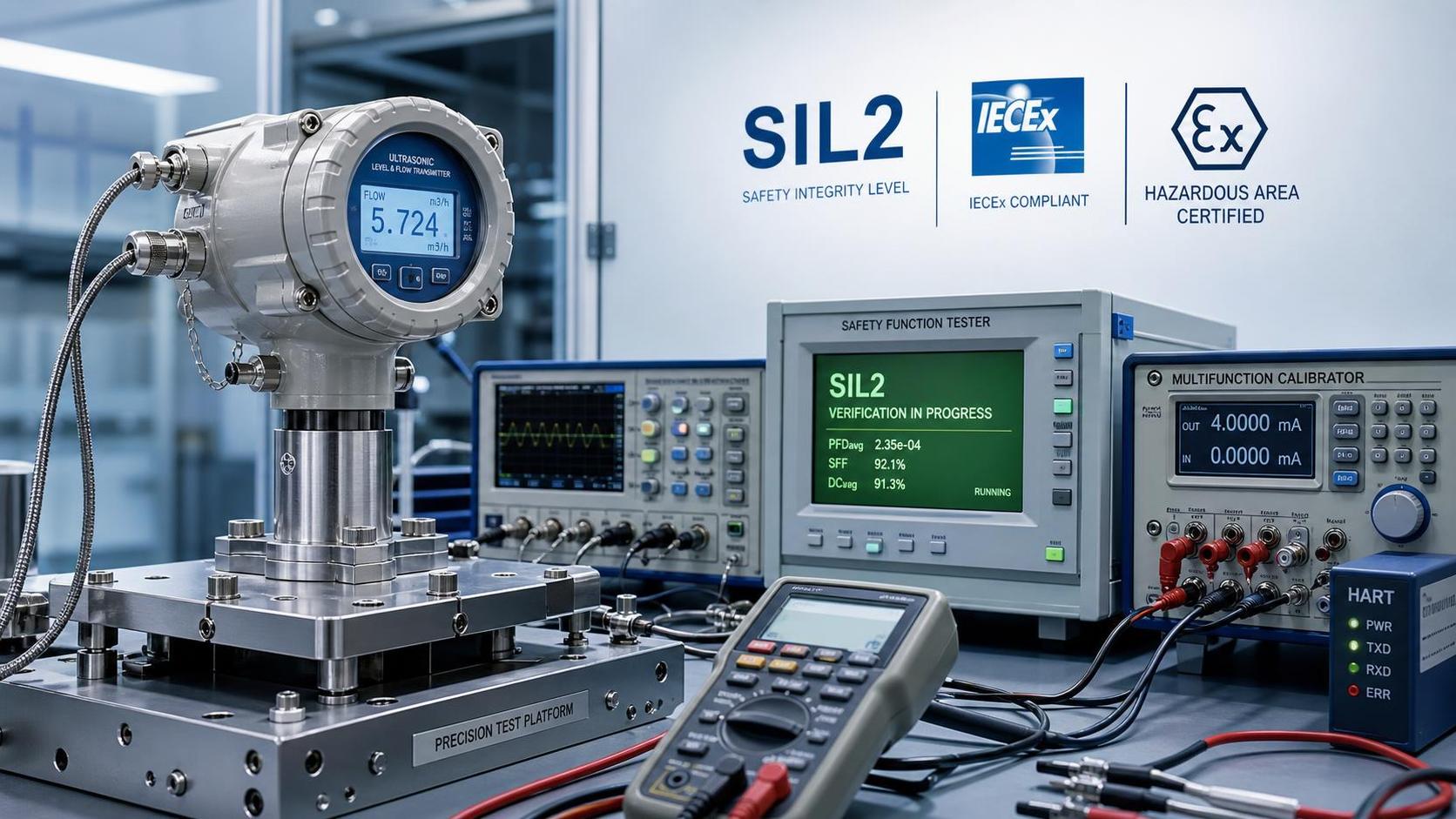
 New IECEx Rule Requires SIL2 Diagnostic Validation for Chinese Ultrasonic Transmitter ExportsIECEx rule update: SIL2 diagnostic validation is now required for Chinese ultrasonic transmitter exports. Learn how IEC 61508, 90% DC reports, and procurement risks affect bids and delivery.
 FDA Draft Guidance Raises Compliance Bar for Pharma Pressure and Flow InstrumentsFDA draft guidance tightens compliance for pharma pressure and flow instruments, raising USP<1058> qualification demands and market entry barriers for suppliers.
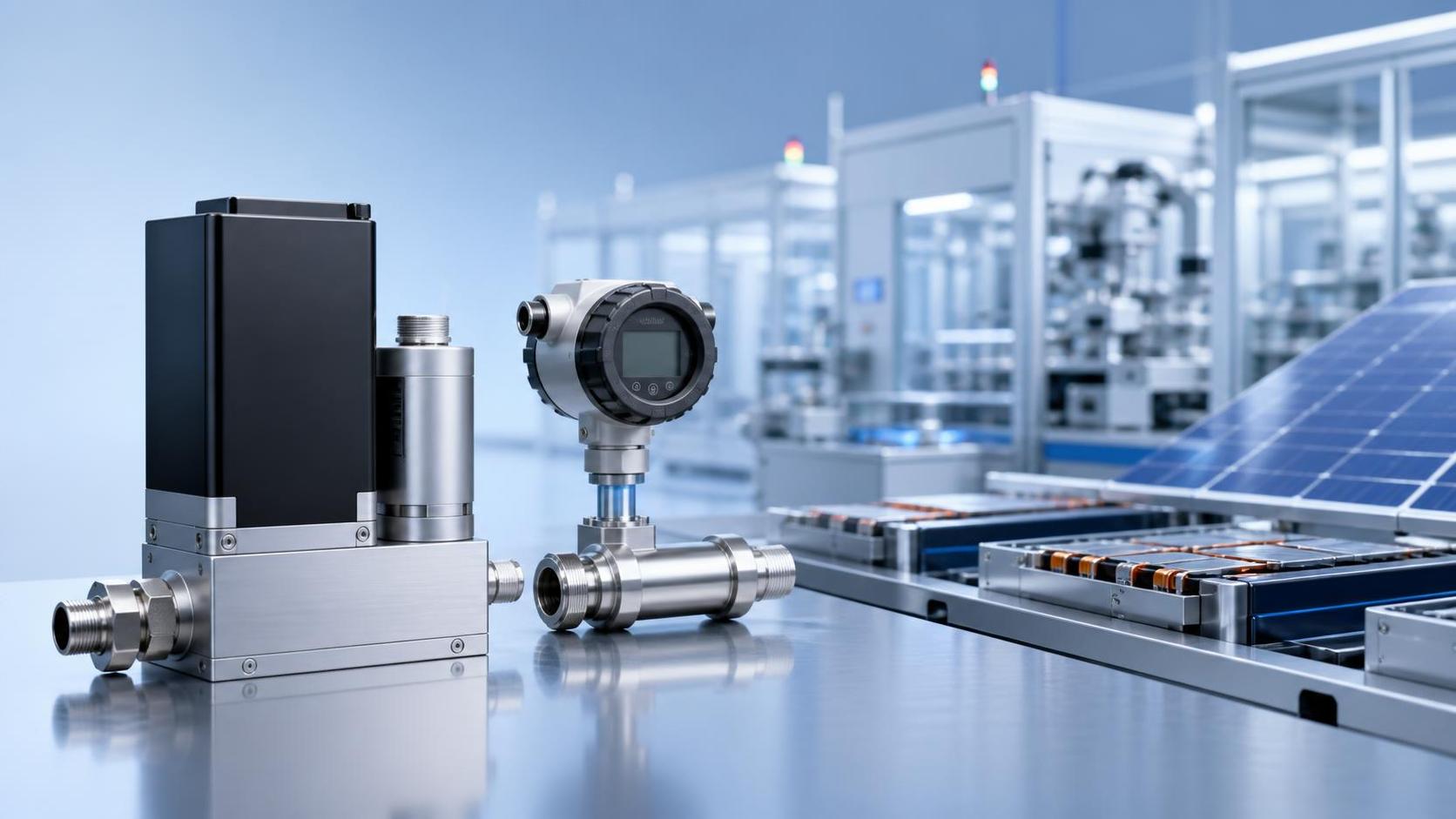
 China Tightens Export Controls on Instruments for New Energy Production LinesChina tightens export controls on instruments for new energy production lines, impacting high-purity gas flowmeters. Learn how 100% filing rules may affect compliance, delivery, and global sourcing.
 IECEx Rule Change Makes SIL2 Diagnostics Mandatory for Chinese Ultrasonic Transmitter ExportsIECEx now requires SIL2 diagnostics for Chinese ultrasonic transmitter exports, reshaping Ex d and Ex ia compliance. Learn what changes, who is affected, and how to stay ahead.
 China Tightens Export Controls on Flow Meters for New Energy Production LinesChina tightens export controls on flow meters and MFCs for new energy production lines. Learn how the 2026 filing rule may affect compliance, lead times, and global shipments.


Chat Online