


Second-hand scientific instrumentation and AI-integrated testing equipment are gaining traction among overseas procurement teams ahead of the 23rd China International Scientific Instruments & Laboratory Equipment Exhibition (CISILE 2026), scheduled for May 29–31, 2026 at the National Convention Center in Beijing. The event signals growing cross-border demand for intelligent, cloud-connected, and regulatory-ready analytical tools — particularly relevant for exporters, certification-dependent manufacturers, and lab infrastructure providers.
Event Overview
The 23rd China International Scientific Instruments & Laboratory Equipment Exhibition (CISILE 2026) will be held from May 29 to 31, 2026, at the National Convention Center in Beijing. Over 600 domestic and international enterprises have confirmed participation. More than 40% of exhibitors will showcase AI-enabled instruments — including smart analyzers with embedded algorithms, edge-computing sensors, and cloud-platform-compatible devices. Twelve international certification bodies — including Germany’s TÜV, the U.S.-based UL, and Singapore’s Health Sciences Authority (HSA) — will operate on-site consultation desks to provide pre-compliance reviews and localization support for overseas buyers.
Impact on Specific Industry Segments
Direct Exporters & Trading Companies: These firms face heightened scrutiny on technical documentation and regional compliance alignment. With international certifiers present onsite, buyers may accelerate sourcing decisions based on preliminary conformity assessments — shortening typical evaluation cycles but raising expectations for ready-to-deploy regulatory documentation.
Manufacturers of Analytical & Testing Equipment: Companies producing benchtop analyzers, environmental monitors, or clinical diagnostics hardware are seeing increased buyer interest in AI-augmented functionality — especially where real-time data interpretation, predictive maintenance, or interoperability with existing lab information systems (LIS) is demonstrated. Integration readiness (e.g., API compatibility, cybersecurity protocols) is becoming a differentiator beyond core measurement accuracy.
Contract Manufacturers & OEM Suppliers: As end-product vendors shift toward modular, software-defined instrument architectures, suppliers must align with evolving design requirements — including edge-processing capabilities, firmware upgradability, and adherence to cloud vendor interoperability standards (e.g., AWS IoT Core or Azure IoT compatibility). This affects component selection, firmware development timelines, and validation scope.
Supply Chain & Compliance Service Providers: Logistics, labeling, and certification intermediaries are encountering more frequent requests for pre-submission gap analysis — especially for markets with emerging AI-specific regulatory guidance (e.g., EU AI Act implications for medical-grade inference engines). Onsite presence by TÜV, UL, and HSA suggests growing demand for concurrent technical and regulatory triage during early procurement phases.
What Relevant Enterprises or Practitioners Should Focus On
Monitor official updates on AI-related conformity frameworks
While CISILE 2026 features AI-integrated devices, no new mandatory AI testing standards were announced. Analysis shows that current on-site consultations focus on existing safety, EMC, and performance regulations — not novel AI governance rules. Practitioners should distinguish between marketing claims and actual certification pathways.
Track which AI-enhanced product categories attract most international buyer engagement
Observably, edge-based sensors and cloud-synced calibration platforms — rather than fully autonomous AI labs — are drawing the strongest inquiry from overseas attendees. This suggests near-term commercial viability lies in augmenting, not replacing, human-reviewed outputs. Firms should prioritize demonstrable integration value over speculative AI capability.
Prepare for concurrent technical and regulatory dialogue
With multiple certification bodies co-located, buyers are likely to request parallel technical specifications and regulatory roadmaps. Companies should ensure datasheets include clear statements on data handling, algorithm transparency (where applicable), and update mechanisms — all aligned with target-market expectations (e.g., GDPR-compliant data flow for EU-bound units).
Validate cloud platform compatibility before exhibition engagement
More than half of AI-equipped exhibits emphasize cloud connectivity. From an industry perspective, interoperability with major platforms (e.g., AWS, Microsoft Azure, or regional equivalents like Alibaba Cloud) is increasingly treated as table stakes — not a premium feature. Pre-show verification of API stability and authentication protocols is advisable.
Editorial Perspective / Industry Observation
This edition of CISILE does not signal immediate regulatory shifts, but rather reflects an operational inflection point: AI is transitioning from R&D demonstration to procurement-ready specification. Observably, the emphasis remains on augmentation — not autonomy — and on integration — not isolation. The presence of 12 international certifiers indicates that global buyers are treating AI features not as standalone innovations, but as new dimensions of established compliance domains (e.g., software validation under IEC 62304 or cybersecurity under IEC 62443). It is better understood as a signal of maturing market expectations, not yet a binding standard.
Current attention should center less on whether AI will reshape testing instrumentation — that trajectory is already evident — and more on how rapidly procurement criteria are incorporating software-defined attributes alongside traditional metrological parameters.
Conclusion
CISILE 2026 underscores a structural shift: AI is no longer a differentiating ‘add-on’ for testing equipment, but an expected layer of functionality influencing purchasing decisions across regulatory, technical, and integration dimensions. For stakeholders, the event serves less as a launchpad for disruptive innovation and more as a benchmark for baseline readiness — particularly in documentation clarity, cloud compatibility, and pre-compliance communication. It is more accurately interpreted as a reflection of current procurement maturity than a predictor of imminent regulation.
Information Source
Main source: Official CISILE 2026 exhibition announcement (confirmed participant count, dates, venue, and listed certification organizations). No additional background data, policy drafts, or unverified market projections were used. Areas requiring ongoing observation include formal AI-specific guidance from participating certification bodies post-event and publicly reported purchase commitments linked to AI-enabled exhibits.


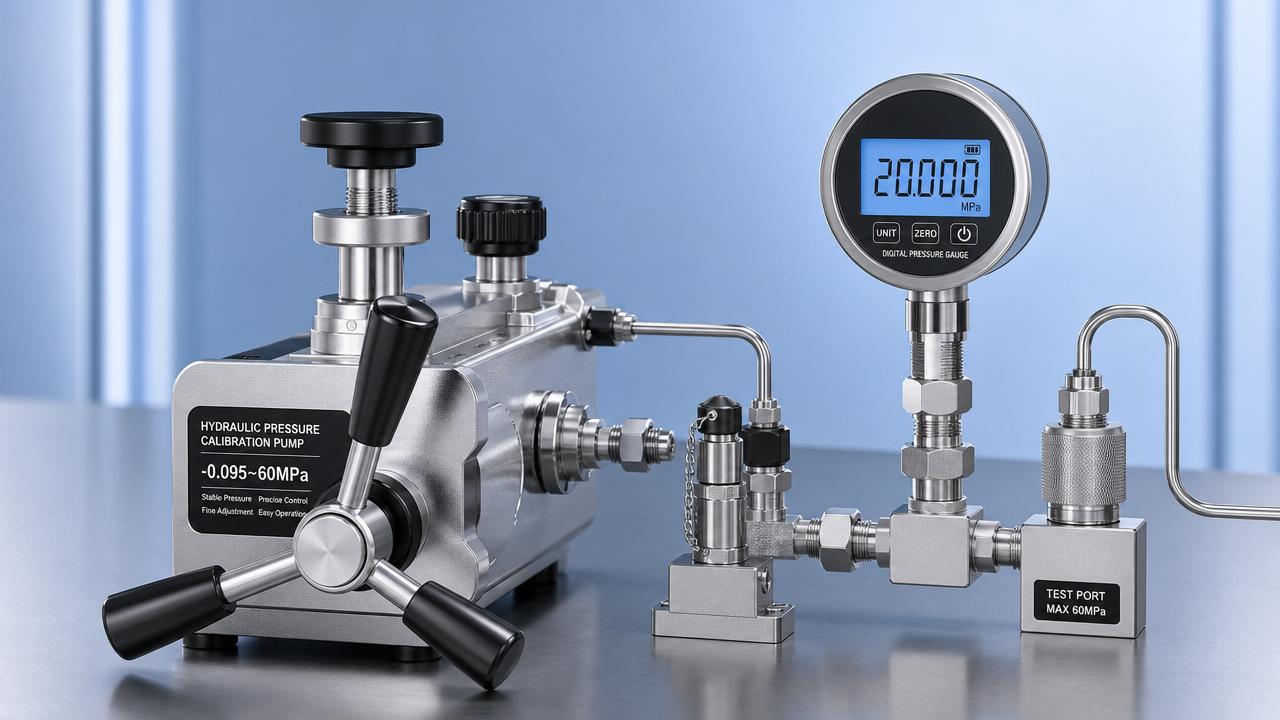
 How to Read Hydraulic Calibration Pump Specifications CorrectlyHydraulic calibration pump specifications explained clearly: learn how to assess pressure range, stability, fine control, and compatibility to choose the right pump with confidence.
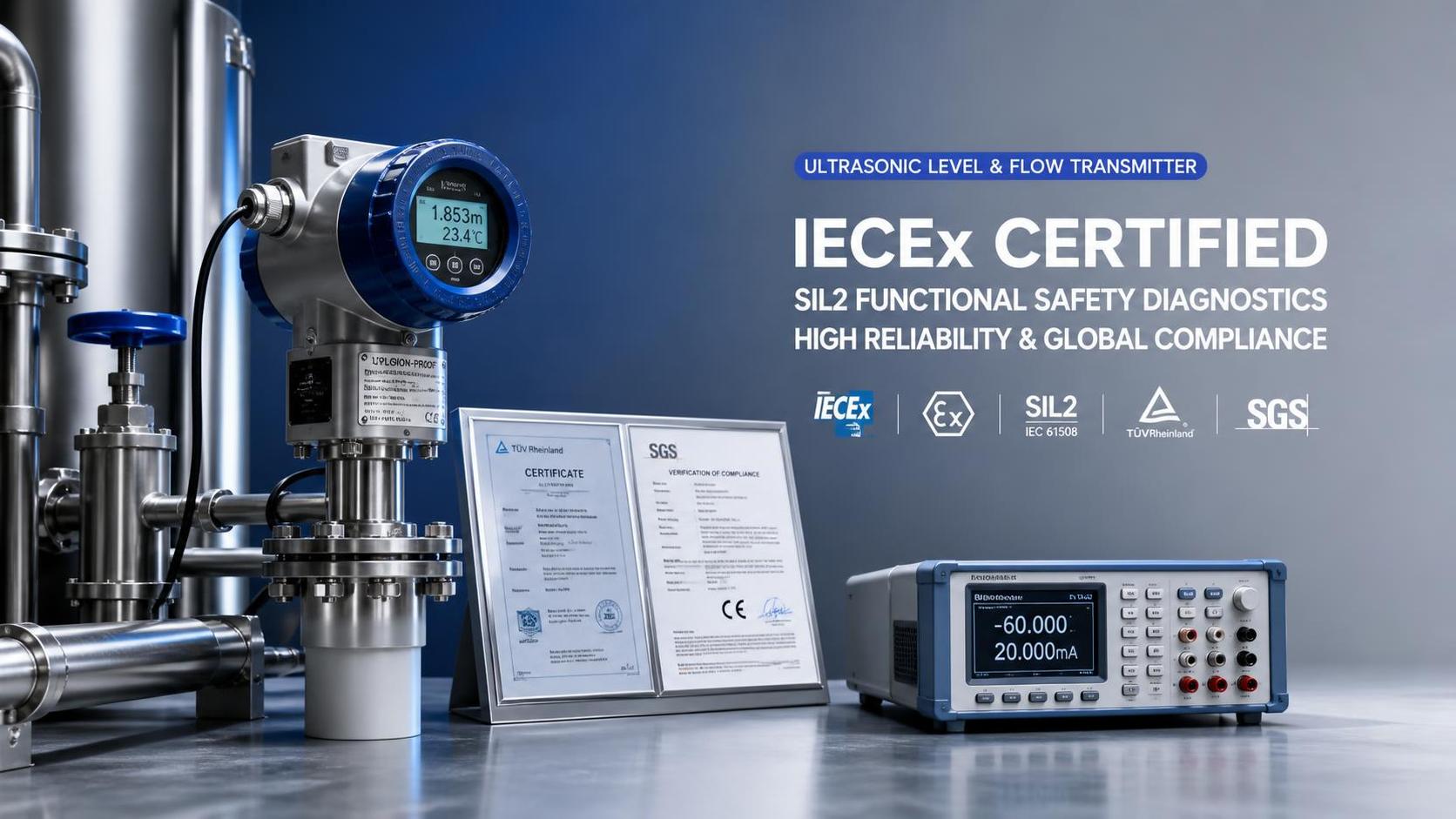
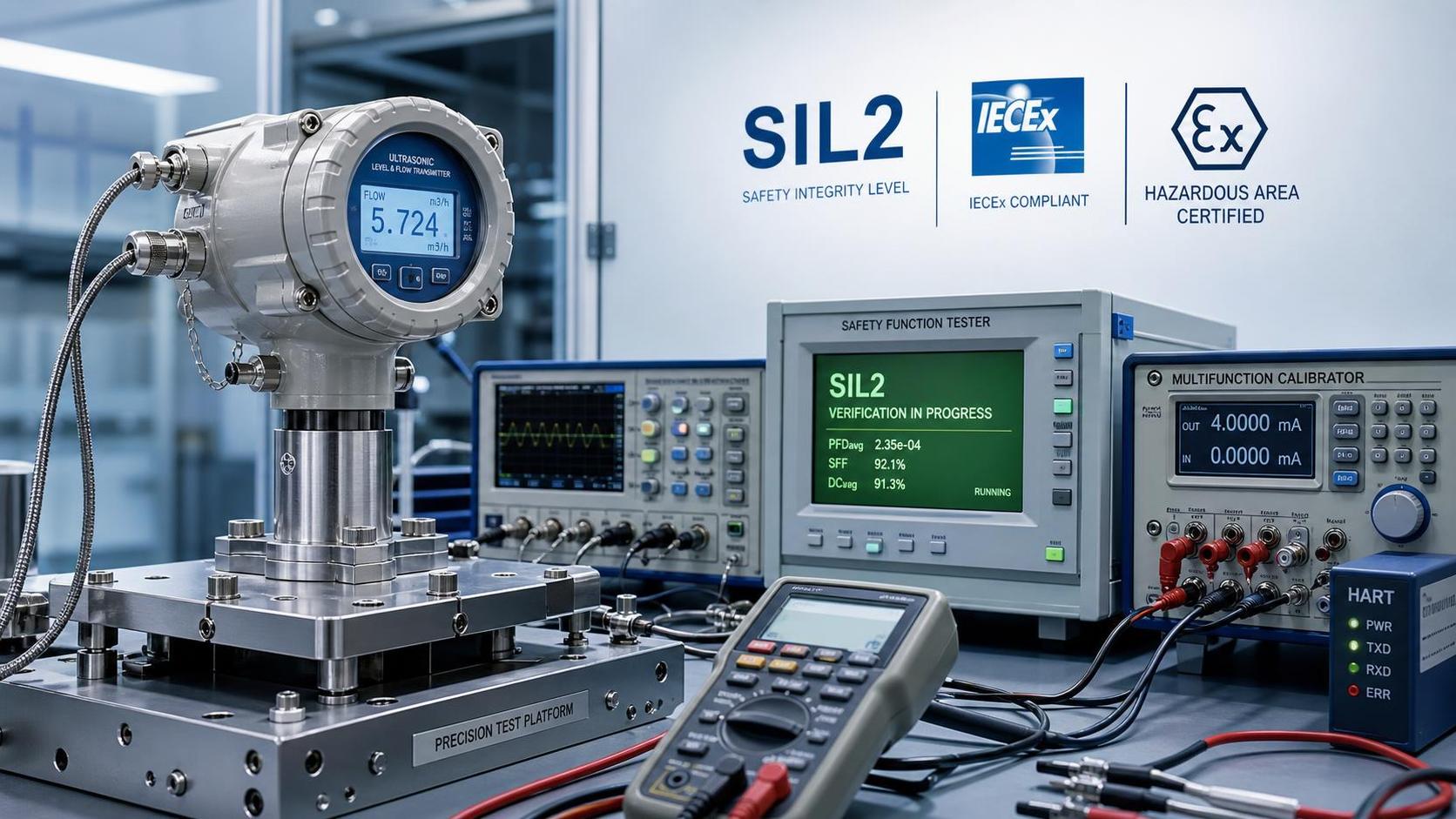
 New IECEx Rule Requires SIL2 Diagnostic Validation for Chinese Ultrasonic Transmitter ExportsIECEx rule update: SIL2 diagnostic validation is now required for Chinese ultrasonic transmitter exports. Learn how IEC 61508, 90% DC reports, and procurement risks affect bids and delivery.
 FDA Draft Guidance Raises Compliance Bar for Pharma Pressure and Flow InstrumentsFDA draft guidance tightens compliance for pharma pressure and flow instruments, raising USP<1058> qualification demands and market entry barriers for suppliers.
 China Tightens Export Controls on Instruments for New Energy Production LinesChina tightens export controls on instruments for new energy production lines, impacting high-purity gas flowmeters. Learn how 100% filing rules may affect compliance, delivery, and global sourcing.
 IECEx Rule Change Makes SIL2 Diagnostics Mandatory for Chinese Ultrasonic Transmitter ExportsIECEx now requires SIL2 diagnostics for Chinese ultrasonic transmitter exports, reshaping Ex d and Ex ia compliance. Learn what changes, who is affected, and how to stay ahead.
 China Tightens Export Controls on Flow Meters for New Energy Production LinesChina tightens export controls on flow meters and MFCs for new energy production lines. Learn how the 2026 filing rule may affect compliance, lead times, and global shipments.

Chat Online