


On October 30, 2026, the Ministry of Industry and Information Technology and the Ministry of Finance issued a notice seeking public comment on the first batch of domestic product standards for government procurement. The proposals cover several types of equipment and instruments, making the consultation relevant to manufacturers, suppliers and purchasers that may need to assess how products are identified in procurement.
Standards Cover Instruments and Water Treatment Equipment
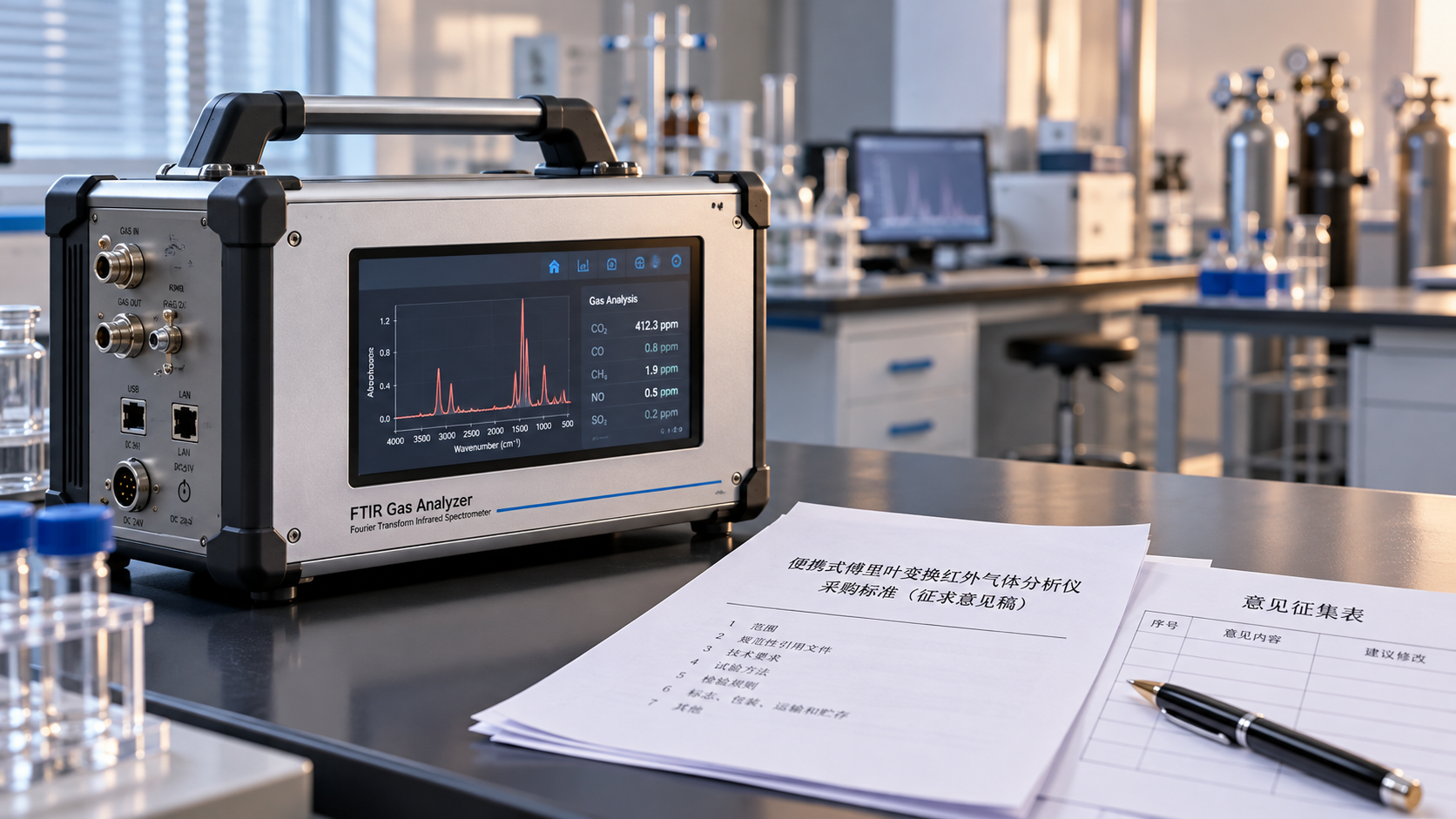
The products covered include portable Fourier-transform infrared gas analyzers, reverse osmosis water treatment equipment and field-emission scanning electron microscopes. The stated aim is to clarify the criteria for recognizing domestic instruments in government procurement and support a more detailed approach to implementation.
Where Procurement Decisions Could Be Affected
Manufacturers and Equipment Suppliers
Analysis suggests that the proposed standards could affect how manufacturers and suppliers demonstrate that covered products qualify as domestic products in procurement. Product documentation and the information available from component suppliers may become important areas to review, although the input does not specify what evidence the standards would require.
Purchasers and Equipment Integrators
Purchasers and integrators may need to consider how any final criteria relate to product selection, procurement documents and supplier submissions. The practical effect will depend on the standards ultimately adopted and how they are reflected in procurement practice; neither is established by the information provided.
Preparing for a More Detailed Assessment
Review the Covered Product Categories
Companies supplying the named instruments or water treatment equipment could check the consultation materials to determine whether their specific products fall within the proposed scope. The examples in the notice should not be treated as a complete product list on the basis of the input alone.
Assess Available Product Records
As a precaution, suppliers could review their existing technical and supply-chain records and identify information that may need clarification. This is a preparation measure, not a statement that any particular document, test or certification is required.
Follow Procurement Language
Purchasers and bidders may find it useful to monitor subsequent official statements and relevant procurement documents for clarification on recognition criteria and supporting evidence. Any effect on bid preparation or delivery planning remains subject to the final rules and their application.
Consultation Signals Direction, Not Final Requirements
At this stage, it is more appropriate to understand the notice as a proposed rule development open to feedback, rather than proof that detailed requirements are already in force. From an industry perspective, the final wording, any implementation guidance and feedback from affected participants could shape the practical consequences.
A Measured Response for Suppliers and Buyers
The consultation points to a more specific approach to identifying domestic products in government procurement. For now, the proportionate response is to review the proposed scope, assess available documentation and continue checking for confirmed implementation details rather than assume a particular procurement outcome.
Basis for This Report and Further Verification
This article is based on the user-provided news title, event date and summary. No specific official source link was provided in the input, so the notice and subsequent developments require continued verification. Relevant materials to monitor include official announcements, the proposed and final standards, implementation guidance, procurement documents and industry feedback.



 China Blocks SoftBank's $5.4 Billion Acquisition of ABB Robotics BusinessChina blocks SoftBank's $5.4 billion ABB Robotics acquisition after a security review. Discover what the decision means for cross-border automation deals.
 Marvell Plans $115 Billion Lumentum Acquisition in All-Stock DealMarvell’s proposed $115 billion Lumentum acquisition could reshape optical components and testing. Explore what the all-stock deal means for suppliers.
 Second Analytical Science and Instruments Conference Held in WuhanThe Second Analytical Science and Instruments Conference in Wuhan brought together over 4,000 participants to explore AI and instrument innovation. Discover the key themes.
 First Domestic Product Standards for Government Procurement Open for CommentDomestic product standards for government procurement are open for comment. Explore potential implications for instrument suppliers and buyers.
 China Instrumentation Society Publishes Proposed 2026 Science and Technology AwardsChina Instrumentation Society’s proposed 2026 Science and Technology Awards are open for comment. Discover what the review could mean for instrumentation innovation.
 Instrument Network: October Gas Meter Tenders Point to Large-Scale Ultrasonic ProcurementUltrasonic gas meter procurement is gaining momentum in China. Explore October tender trends and key considerations for buyers and suppliers.



Chat Online