


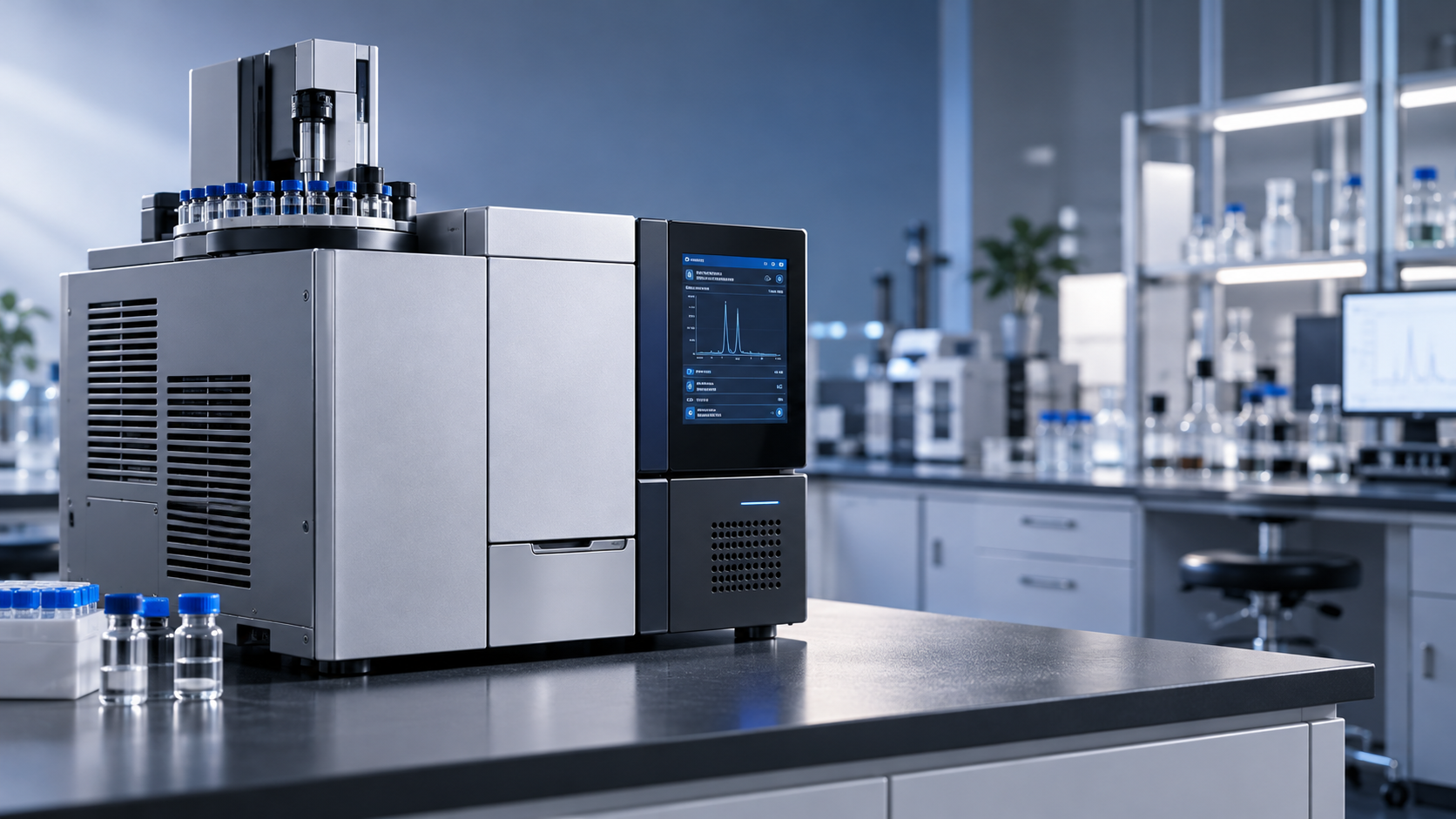
The global life sciences instruments market is projected to reach $84.15 billion in 2026 and $138.51 billion by 2032, according to a report published by Research and Markets. The report cites a compound annual growth rate of 8.49% and identifies artificial intelligence, automation and multi-omics technologies as core drivers of growth.
The forecast points to demand for instruments whose value increasingly depends on how effectively they support broader research workflows. If these drivers translate into purchasing decisions, buyers may place greater weight on data analysis capabilities, automated operation and compatibility with multi-omics workflows alongside instrument performance.
For equipment suppliers, this could make software integration and connections between instruments more influential in product selection. For laboratories evaluating purchases, the practical question would be whether those capabilities improve the usefulness of an instrument within an existing workflow. These are potential implications of the report's stated growth drivers, rather than evidence of purchasing changes already under way.
The market figures also require a clear distinction between projected expansion and realized demand: both the 2026 and 2032 values are forecasts. The overall growth estimate does not establish that every instrument category or supplier will benefit equally. Subsequent purchasing activity and adoption of AI, automation and multi-omics capabilities will help show how broadly the projected growth is distributed.



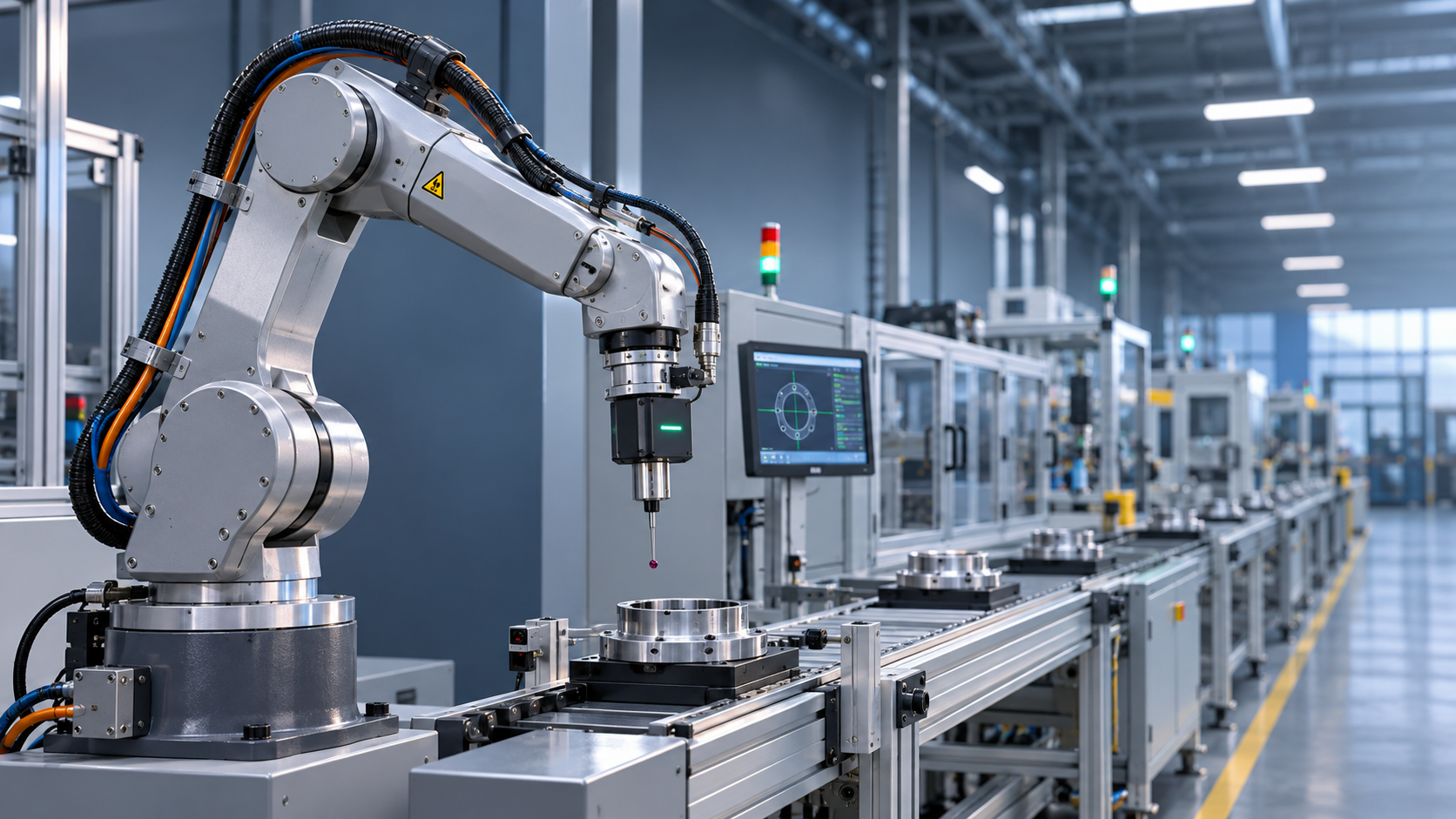
 China Blocks SoftBank's $5.4 Billion Acquisition of ABB Robotics BusinessChina blocks SoftBank's $5.4 billion ABB Robotics acquisition after a security review. Discover what the decision means for cross-border automation deals.
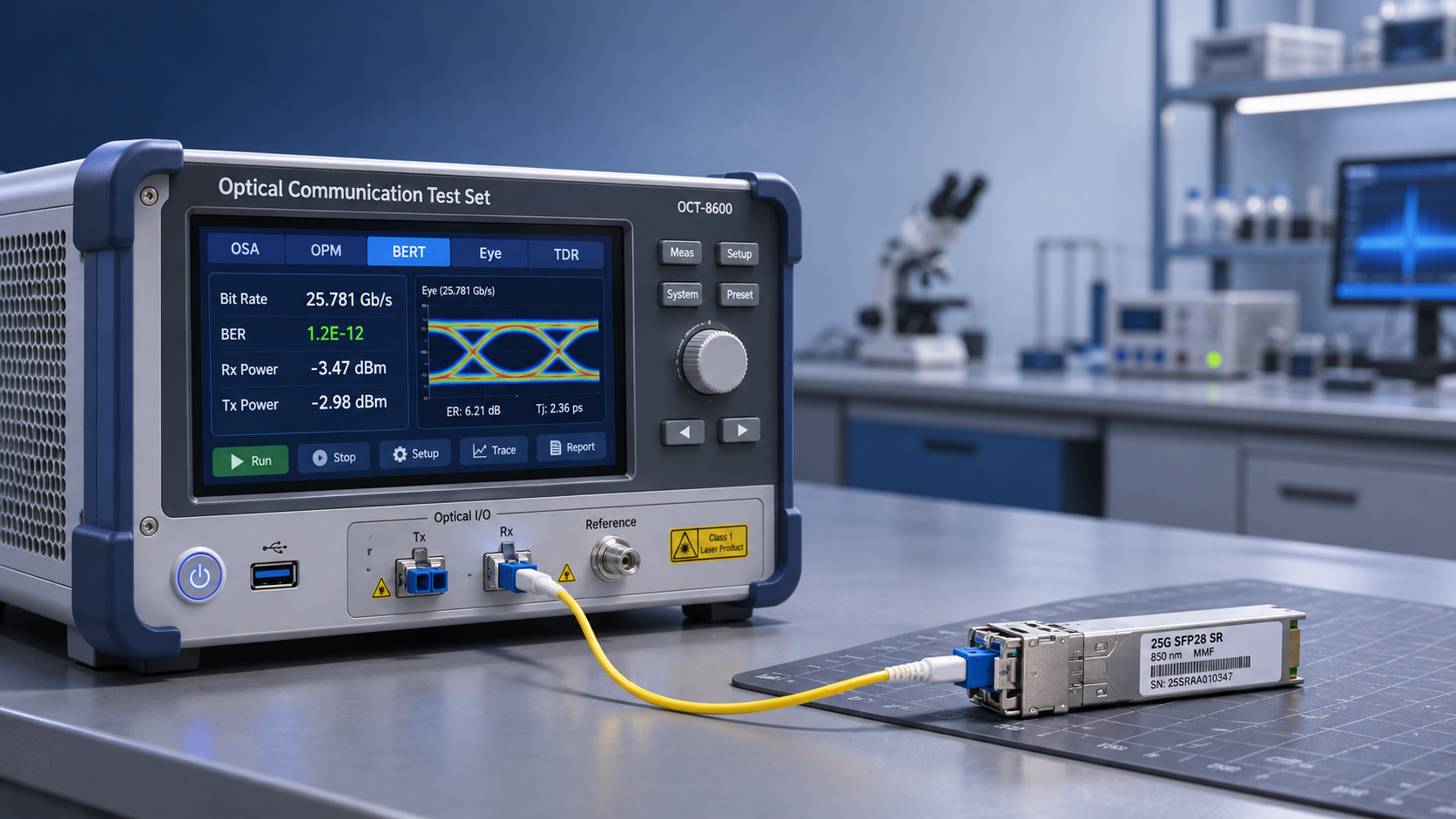
 Marvell Plans $115 Billion Lumentum Acquisition in All-Stock DealMarvell’s proposed $115 billion Lumentum acquisition could reshape optical components and testing. Explore what the all-stock deal means for suppliers.
 Second Analytical Science and Instruments Conference Held in WuhanThe Second Analytical Science and Instruments Conference in Wuhan brought together over 4,000 participants to explore AI and instrument innovation. Discover the key themes.
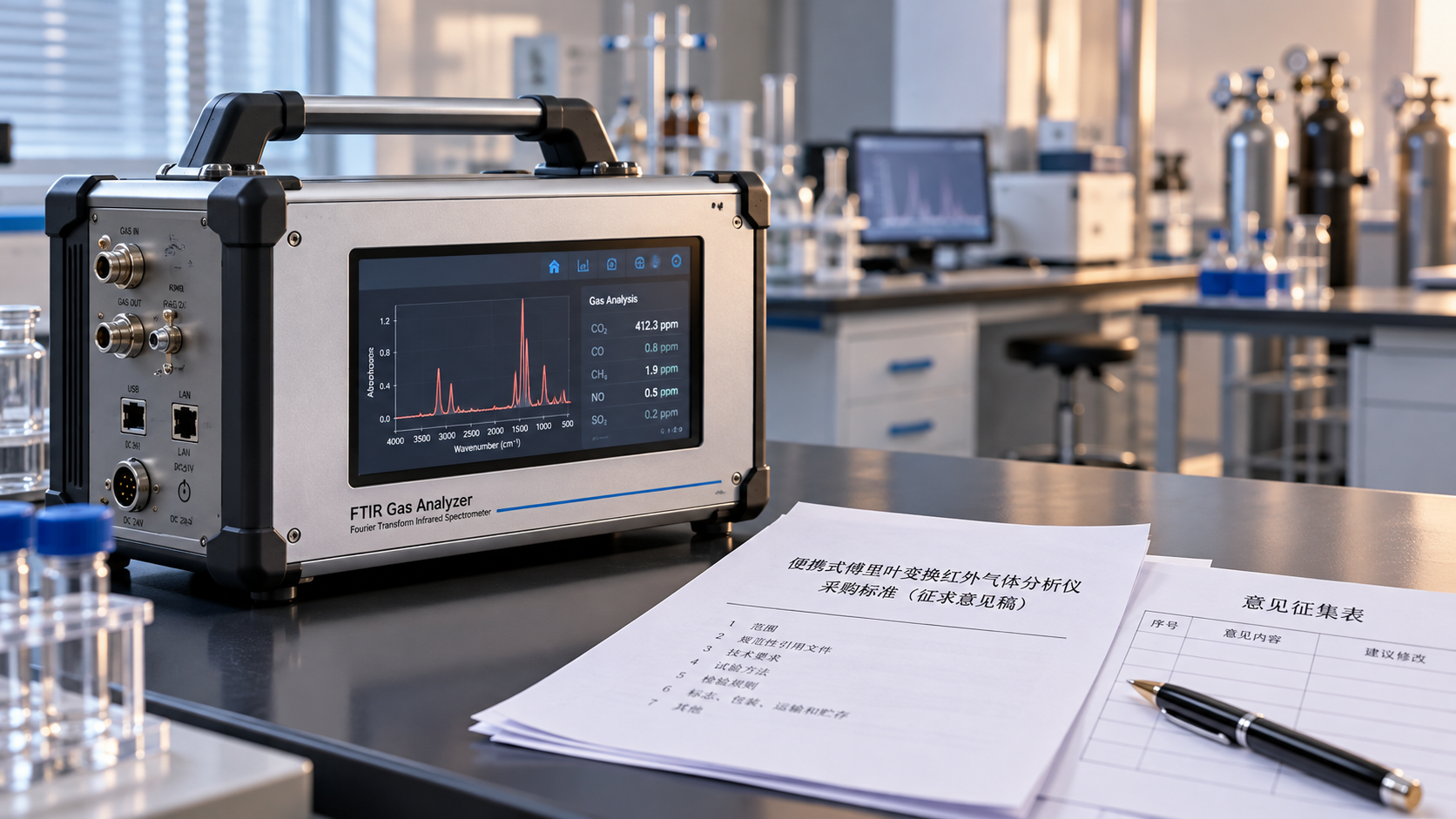
 First Domestic Product Standards for Government Procurement Open for CommentDomestic product standards for government procurement are open for comment. Explore potential implications for instrument suppliers and buyers.
 China Instrumentation Society Publishes Proposed 2026 Science and Technology AwardsChina Instrumentation Society’s proposed 2026 Science and Technology Awards are open for comment. Discover what the review could mean for instrumentation innovation.
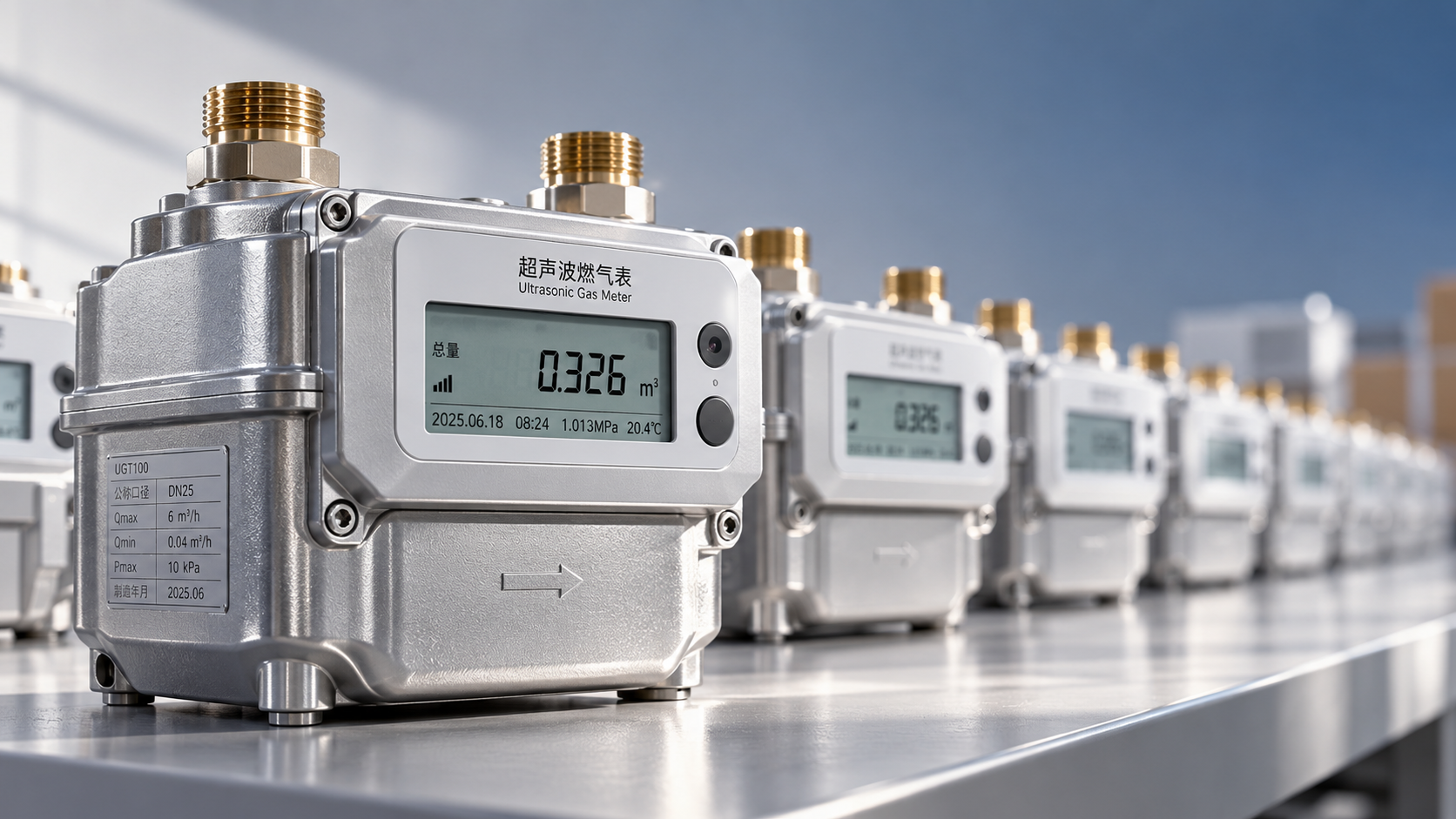
 Instrument Network: October Gas Meter Tenders Point to Large-Scale Ultrasonic ProcurementUltrasonic gas meter procurement is gaining momentum in China. Explore October tender trends and key considerations for buyers and suppliers.

Chat Online