


Samsung Electronics announced on May 6, 2026, the immediate cessation of sales for all home appliance products—including TVs, monitors, commercial large-format displays, air conditioners, and refrigerators—in Mainland China. While smartphone operations remain unaffected, this strategic withdrawal is expected to reshape demand dynamics across industrial display supply chains, particularly for environmental monitoring, power terminal, and pharmaceutical equipment manufacturers.
Event Overview
On May 6, 2026, Samsung Electronics issued an official announcement confirming the full suspension of home appliance product sales in Mainland China, effective immediately. Covered categories include televisions, desktop monitors, commercial large-screen displays, air conditioners, and refrigerators. Mobile phone business in the region is explicitly excluded from this change and continues unchanged.
Industries Affected by This Shift
Industrial Display Module Manufacturers (LCD/LCM)
With Samsung exiting the consumer and commercial appliance markets, previously allocated capacity for human-machine interface (HMI) panels, embedded display drivers, and temperature-control modules is now being freed up. Industrial-grade LCD and LCM module producers—especially those qualified for extended-temperature, high-reliability applications—may see increased inbound inquiry volume from instrumentation OEMs seeking alternative sourcing.
Touch Controller IC Suppliers
The discontinuation affects integrated touch solutions deployed in appliance control interfaces. Domestic suppliers of touch ICs with industrial certifications (e.g., IEC 61000-4 compliance, extended operating temperature range) may experience accelerated qualification timelines as instrument makers seek drop-in replacements for legacy Samsung-sourced components.
Test Fixture & Burn-in System Providers
Testing infrastructure originally developed for Samsung’s appliance display lines—including functional test jigs, aging racks, and ESD-safe burn-in systems—could be repurposed or requalified for industrial display validation. Providers with modular, reconfigurable hardware platforms are better positioned to support rapid customer onboarding.
Instrumentation OEMs (Environmental Monitoring, Power Terminals, Pharma Equipment)
These end-product manufacturers rely on customized, low-volume, high-reliability display subsystems. With Samsung’s exit, they gain access to previously constrained industrial display resources—including design-in support, small-batch prototyping capacity, and faster lead times—potentially improving responsiveness to overseas clients requiring cost-competitive, application-specific HMI solutions.
What Relevant Enterprises or Practitioners Should Focus On Now
Monitor official communications for scope clarification
While the announcement confirms cessation of sales, it does not specify whether existing service, warranty, or spare-part logistics will continue. Enterprises should track Samsung’s regional support statements over the next 30–60 days to assess residual supply chain dependencies.
Identify and prioritize affected component categories
Focus initial engagement on LCD/LCM modules with industrial-grade specs (e.g., operating temperature: −30°C to +85°C, luminance stability >5 years), resistive/capacitive touch controllers qualified for EN 61326-1, and associated test fixtures compatible with common industrial form factors (e.g., 4.3″–10.1″, VGA–WXGA resolution).
Distinguish between policy signal and operational impact
This move reflects a strategic portfolio decision—not a regulatory or trade restriction. Its primary near-term effect is capacity reallocation, not market contraction. Therefore, procurement planning should emphasize technical compatibility and qualification readiness rather than inventory hoarding or broad-based substitution.
Prepare for accelerated qualification cycles
Instrumentation OEMs have already initiated contact with domestic display suppliers. Companies with pre-validated industrial display designs, ISO 13485 or IECQ QC080000 documentation, and existing UL/CE/GB certifications should prioritize internal readiness for rapid sample submission and AEC-Q200-aligned reliability testing coordination.
Editorial Perspective / Industry Observation
Observably, this development functions less as a sudden disruption and more as a structural realignment signal within the industrial display ecosystem. Analysis shows that Samsung’s exit does not shrink overall demand—it shifts sourcing priority from high-volume, consumer-grade specifications toward lower-volume, higher-reliability, application-tailored requirements. From an industry perspective, the key implication lies not in lost sales, but in newly accessible engineering bandwidth and production flexibility for industrial HMI solutions. Current attention should focus on how quickly domestic suppliers can demonstrate equivalent performance, certification alignment, and responsive customization—rather than assuming automatic market capture.
It is more accurate to interpret this event as a catalyst for capability validation than as a guaranteed opportunity. Sustained relevance will depend on demonstrable progress in technical responsiveness, quality consistency, and domain-specific design support—not just availability of idle capacity.
Conclusion
This announcement marks a meaningful inflection point for industrial display supply chains serving regulated equipment sectors. Its significance lies not in Samsung’s withdrawal per se, but in the tangible release of engineering and manufacturing capacity previously dedicated to consumer-facing applications. For relevant stakeholders, the current phase calls for disciplined technical assessment—not speculative expansion. It is better understood as a focused recalibration of resource allocation within an established industrial electronics landscape, rather than a fundamental market transformation.
Information Source
Main source: Official Samsung Electronics announcement dated May 6, 2026. No additional sources or third-party commentary are cited. Ongoing developments—including potential updates to after-sales support, component reuse policies, or regional partner transitions—remain subject to further official disclosure and require continued monitoring.


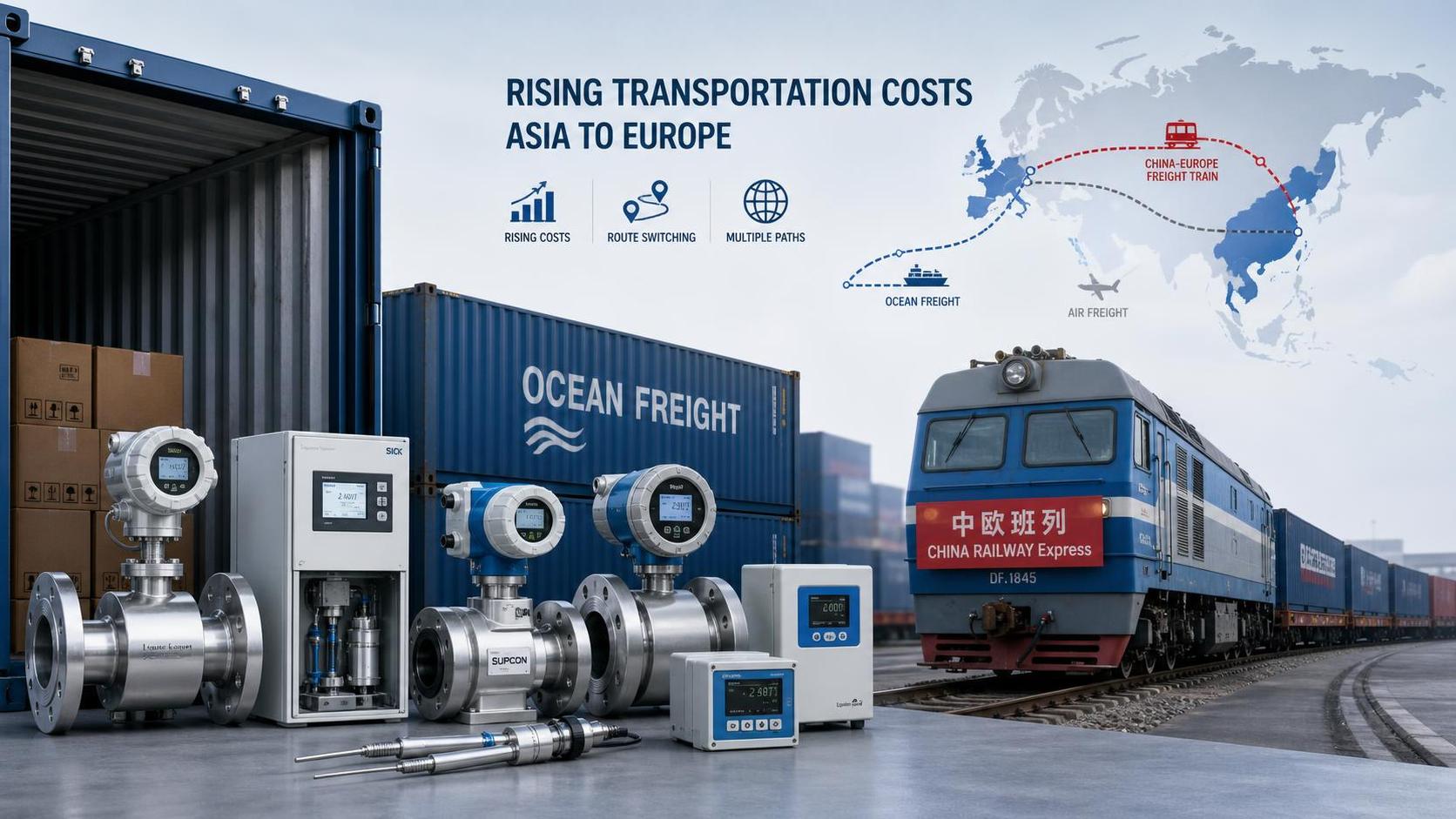
 Asia-Europe Freight Surcharges Lift Costs for Instrument ExportsAsia-Europe Freight Surcharges are raising instrument export costs fast. See how HS 9026/9027 cargo, booking quotas, rail alternatives, and trade risk shifts could impact your supply chain.
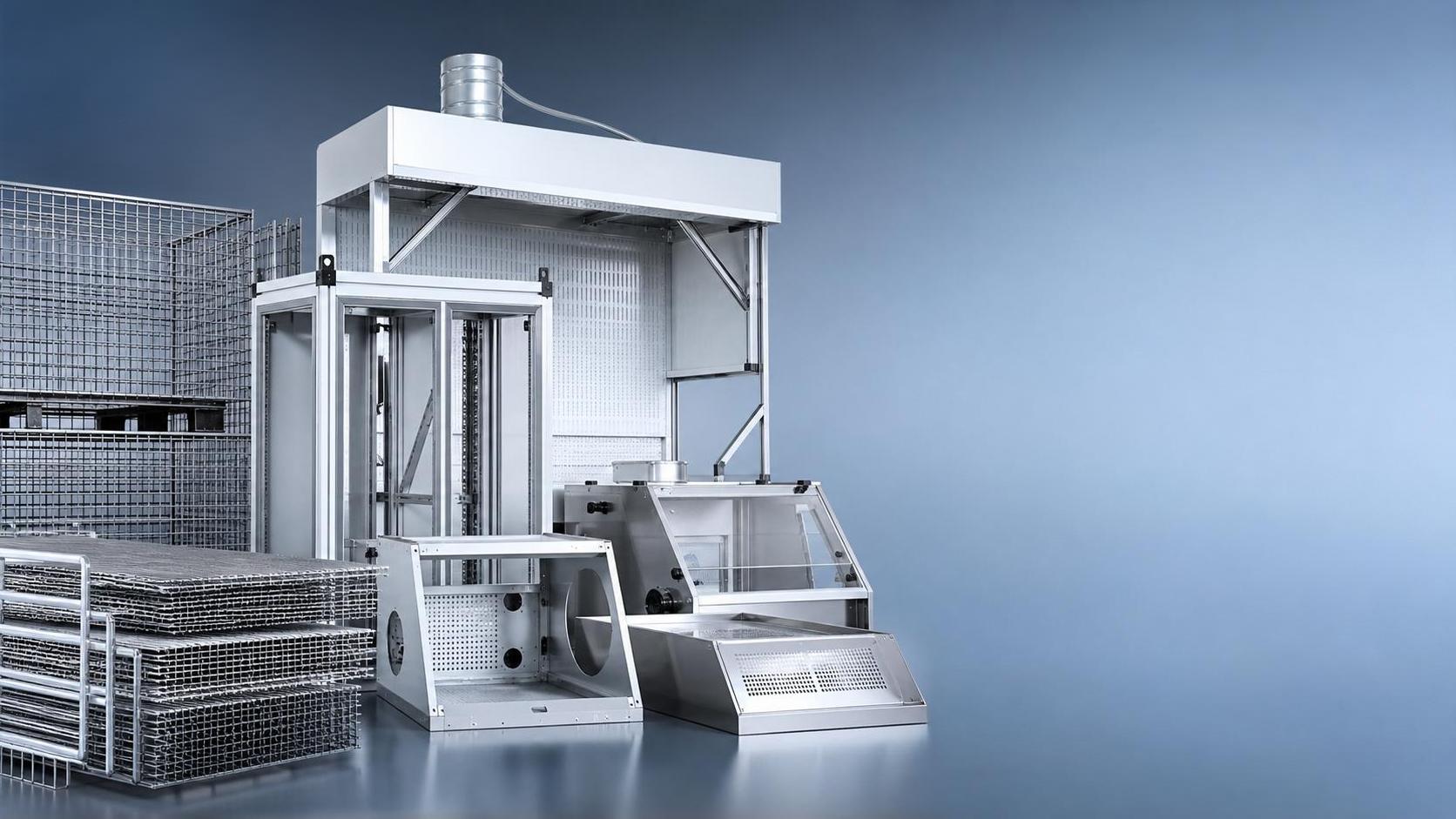
 EU Opens Anti-Dumping Probe Into Chinese Welded Steel MeshEU anti-dumping probe into Chinese welded steel mesh could reshape instrumentation export costs, sourcing risk, and EU supply chain planning. Read the key impacts now.
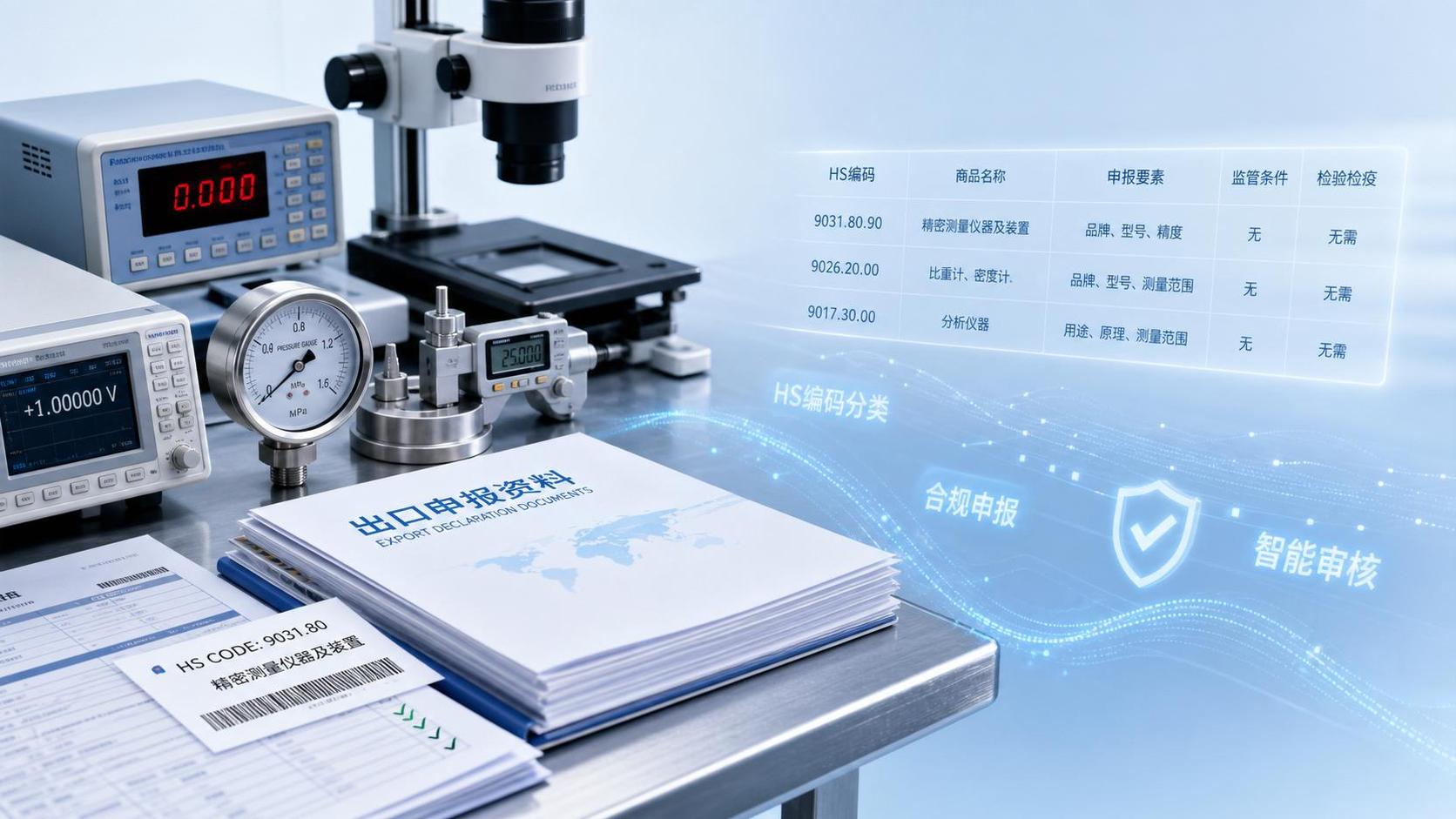
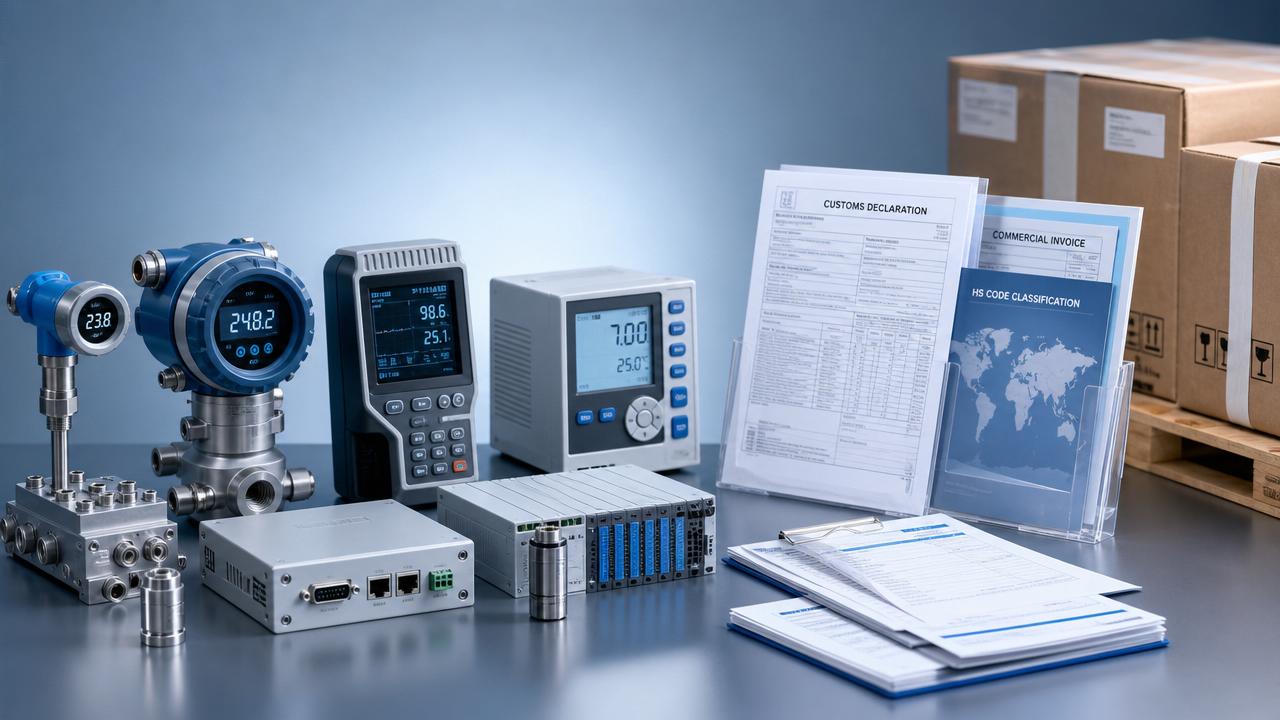
 China Customs Rolls Out AI HS Tool for Instrument ExportsChina Customs rolls out an AI HS tool for instrument exports under HS Chapter 90. Learn how it improves classification accuracy, speeds clearance, and impacts export compliance.
 China Customs Launches Smart HS Tool for Instrument ExportsChina Customs Launches Smart HS Tool for Instrument Exports, boosting HS code accuracy to 98.2%. Learn how it improves compliance, reduces clearance risk, and supports smoother global instrument shipments.
 China Customs Launches Smart HS Tool for Instrument ExportsChina Customs launches a smart HS tool for instrument exports, helping manufacturers and exporters improve HS code accuracy, reduce compliance risks, and speed up customs clearance.
") China's Instruments Rise: 7 Firms in Global Top 25 (2026)China's Instruments Rise: 7 firms enter 2026 Global Top 25 — Hikvision #4, United Imaging & SUPCON debut. Key insights for procurement, compliance & AI-integrated instrumentation.
China's Instruments Rise: 7 Firms in Global Top 25 (2026)China's Instruments Rise: 7 firms enter 2026 Global Top 25 — Hikvision #4, United Imaging & SUPCON debut. Key insights for procurement, compliance & AI-integrated instrumentation.
Chat Online