


On August 18, 2026, the EU begins mandatory carbon footprint performance grade labeling for rechargeable industrial batteries above 2kWh, a rule that directly reaches energy storage power systems supplied with analytical instruments, laboratory equipment, and environmental monitoring devices. For exporters, OEM suppliers, and buyers handling power modules or complete portable spectroscopy and chromatography equipment, this is not just a labeling issue but a trade compliance checkpoint, because products without the required label or with inaccurate data may be denied customs clearance.
What the rule now requires
The confirmed change is that, from August 18, 2026, the EU requires rechargeable industrial batteries with capacity above 2kWh to carry a carbon footprint performance grade label. The scope includes storage power systems used together with analytical instruments, laboratory equipment, and environmental monitoring instruments. Products that do not carry the label, or products whose data is inaccurate, may be refused customs clearance. The summary provided also states that this requirement adds to the compliance pressure created by the digital battery passport due to take effect from February 2027, with direct relevance for exports of Chinese power modules, complete portable spectrometers and chromatographs, and OEM solutions.
Where the pressure appears across the supply chain
Export shipments tied to instrument packages
Exporters of complete instruments may be affected when the battery system is delivered as part of the product package rather than as a standalone component. From an industry perspective, the immediate pressure is likely to appear in export documentation, pre-shipment review, and customs-facing compliance checks, because the battery-related requirement can influence whether the full instrument shipment moves smoothly.
Power module and OEM suppliers face upstream document demands
Suppliers of power modules and OEM energy solutions may feel the impact earlier in the transaction chain, since downstream brands and equipment assemblers are likely to ask for clearer carbon footprint label readiness and supporting technical information before shipment. What deserves closer attention is the possibility that procurement and supplier qualification reviews become more document-driven, especially for products intended for EU-bound analytical, laboratory, or monitoring applications.
Procurement and delivery teams may need tighter screening
For buyers, sourcing teams, and delivery coordinators, the rule can affect product selection, delivery planning, and order acceptance. Analysis shows that where battery systems exceed the stated threshold, teams may need to verify whether the relevant label and supporting data are available before finalizing procurement or arranging export delivery, particularly for projects involving integrated instrument-and-power configurations.
Compliance and testing service roles become more operational
Certification-related firms, testing service providers, and compliance support teams may be drawn more directly into export preparation. Their likely role is not limited to technical review, but extends to helping manufacturers organize label-related data, technical files, and consistency checks so that trade documents and product claims do not conflict at the point of clearance.
What companies should watch now
Review which products cross the threshold
Companies should first identify whether their rechargeable industrial battery products exceed the 2kWh threshold and whether those batteries are supplied with analytical instruments, lab equipment, or environmental monitoring devices. This is a practical screening step for product portfolios, bundled solutions, and OEM deliveries intended for the EU market.
Check label readiness against shipment files
Where the rule applies, businesses should pay close attention to whether product labels, technical descriptions, and shipment documents are aligned. Observably, the risk is not limited to missing labels; the provided summary also highlights inaccurate data as a customs risk, which means internal consistency across files becomes a key compliance point.
Prepare for overlapping compliance timelines
The interaction with the digital battery passport from February 2027 deserves close monitoring. It is more appropriate to understand this as a stacking of compliance tasks rather than a single isolated requirement, especially for exporters of power modules, portable spectroscopy or chromatography devices, and OEM solutions that may need to manage both current labeling obligations and upcoming traceability-related expectations.
Watch changes in customer and bid documentation
If implementation details continue to develop beyond the summary provided, companies should monitor how customers, distributors, and project buyers reflect the requirement in purchase specifications, technical bid documents, and acceptance materials. Since no further execution detail is provided here, this should be treated as a compliance watchpoint rather than a confirmed market outcome.
Why this should be read as an execution signal
Analysis shows that this development is more than a policy headline for the instrument supply chain. It points to a rule that connects environmental labeling directly with customs clearance, which raises the operational importance of battery-related compliance for products that might previously have been assessed mainly through instrument performance, transport, or electrical safety considerations. At the same time, it remains necessary to keep observing how detailed execution standards, document expectations, and market practice are expressed in actual transactions.
How the market may need to frame it
This update is more appropriately understood as a landed compliance change with immediate trade relevance, not merely an early policy signal. At the same time, the full commercial effect still requires observation, especially in how companies translate the labeling requirement into procurement review, shipment release, OEM coordination, and post-sale traceability planning. A measured reading is that the rule raises the compliance threshold for EU-bound instrument power systems and makes battery information management a more visible part of export readiness.
Basis of this article
This article is generated from the user-provided news title, event date, and event summary. For developments of this type, commonly relevant source categories may include official announcements, regulator releases, customs or trade authority information, industry association updates, standard organization documents, and reporting by authoritative media. No specific official source link was provided in the input, so the exact official reference still needs to be verified on an ongoing basis. What also remains worth monitoring includes detailed implementation language, certification and compliance interpretation, changes in bid or procurement documents, market feedback, and how affected companies carry out the requirement in practice.


 EU REACH Annex XVII Update Bars Imports of Instruments Using Nickel-Containing Seals from 2027EU REACH Annex XVII update will bar imports of instruments using nickel-containing seals from 2027. Learn how this affects pressure transmitters, control valves, analyzers, testing, and compliance planning.
 MICONEX 2026 Signals Higher ATEX, IECEx ScrutinyMICONEX 2026 spotlights ATEX and IECEx scrutiny for gas detectors and SIL2 fire controllers, highlighting certification, calibration, and export-ready service needs.
 MICONEX 2026 Opens in Hefei as Chinese Safety Devices Draw Overseas BuyersMICONEX 2026 highlights Chinese industrial safety monitoring equipment as overseas buyers focus on IEC 61508 SIL2 intelligent gas detection systems for higher-end global projects.
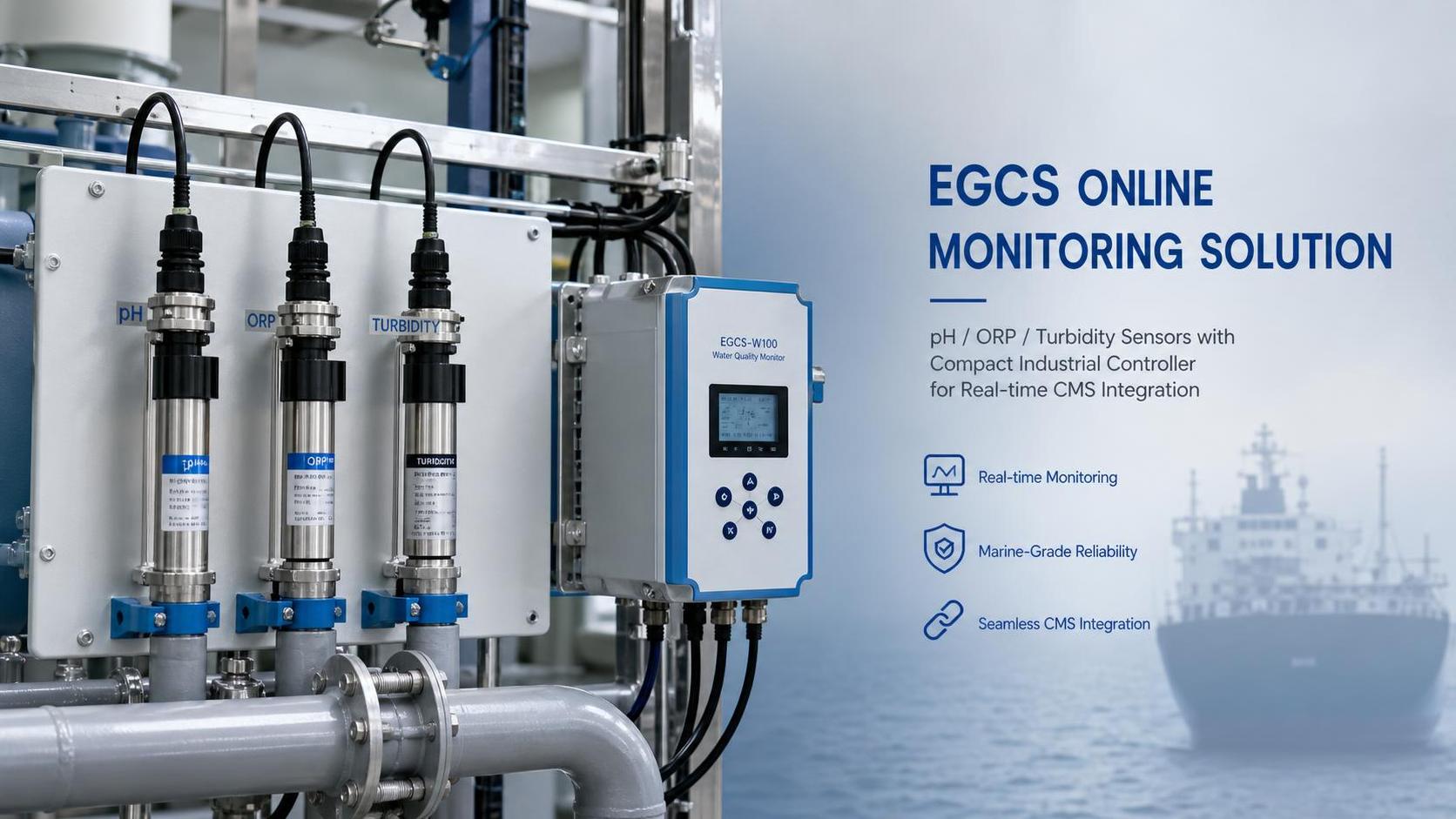
 IMO Updates EGCS Monitoring Guidance for 2026IMO updates EGCS monitoring guidance for 2026, highlighting pH, ORP and turbidity compliance, CMS connectivity, and ISO 17025 traceability for maritime buyers.
 Saudi SASO Rule Adds Arabic UI and EMI Test DutySaudi SASO rule update: Arabic UI and IEC 61326-2-3 EMI testing will become mandatory for environmental monitoring instruments from Nov 1, 2026. See key export and compliance impacts.
 SASO Tightens Cyber Rules for Monitoring ImportsSASO tightens cyber rules for monitoring imports in Saudi Arabia. Learn how IEC 62443-3-3 certification and SASO-recognized penetration testing will reshape environmental monitoring equipment access.


Chat Online