


Shanghai has issued an energy equipment industry plan targeting RMB 400 billion in output value by 2029, according to an October 26, 2026 announcement on the Shanghai municipal government website. The plan focuses on areas including new power systems and supports national carbon peaking and carbon neutrality goals.
Alongside its output target, the plan emphasizes the development of foundational equipment, including instrumentation and intelligent testing equipment. It also calls for an “AI + energy equipment” training ground, placing these capabilities within the city's energy equipment development agenda.
The attention to instrumentation and intelligent testing is relevant to how energy equipment performance is measured and assessed. For suppliers in these fields, the policy signals potential opportunities tied to the development of the wider sector. Whether that translates into orders will depend on subsequent implementation and actual purchasing decisions.
The proposed AI training ground points to an effort to connect AI development with energy equipment applications. Its practical significance will depend on the applications it supports and how effectively those applications move into operational use. The announcement alone does not establish the scale or timing of any resulting productivity gains.
The RMB 400 billion figure is an industrial output target, rather than a committed investment amount or a forecast of equipment purchases. Further implementation details will help clarify how Shanghai intends to pursue that target, particularly how support for foundational equipment and AI applications translates into specific activities.



 China Electricity Council: Instrument Manufacturing Power Use Rose 12.5%Instrument manufacturing power use in China rose 12.5% in the first three quarters of 2026. Discover what the electricity data may signal for the industry.
 Shanghai Targets RMB 400 Billion in Energy Equipment Output by 2029Shanghai targets RMB 400 billion in energy equipment output by 2029. Explore potential supplier opportunities in instrumentation, intelligent testing and AI applications.
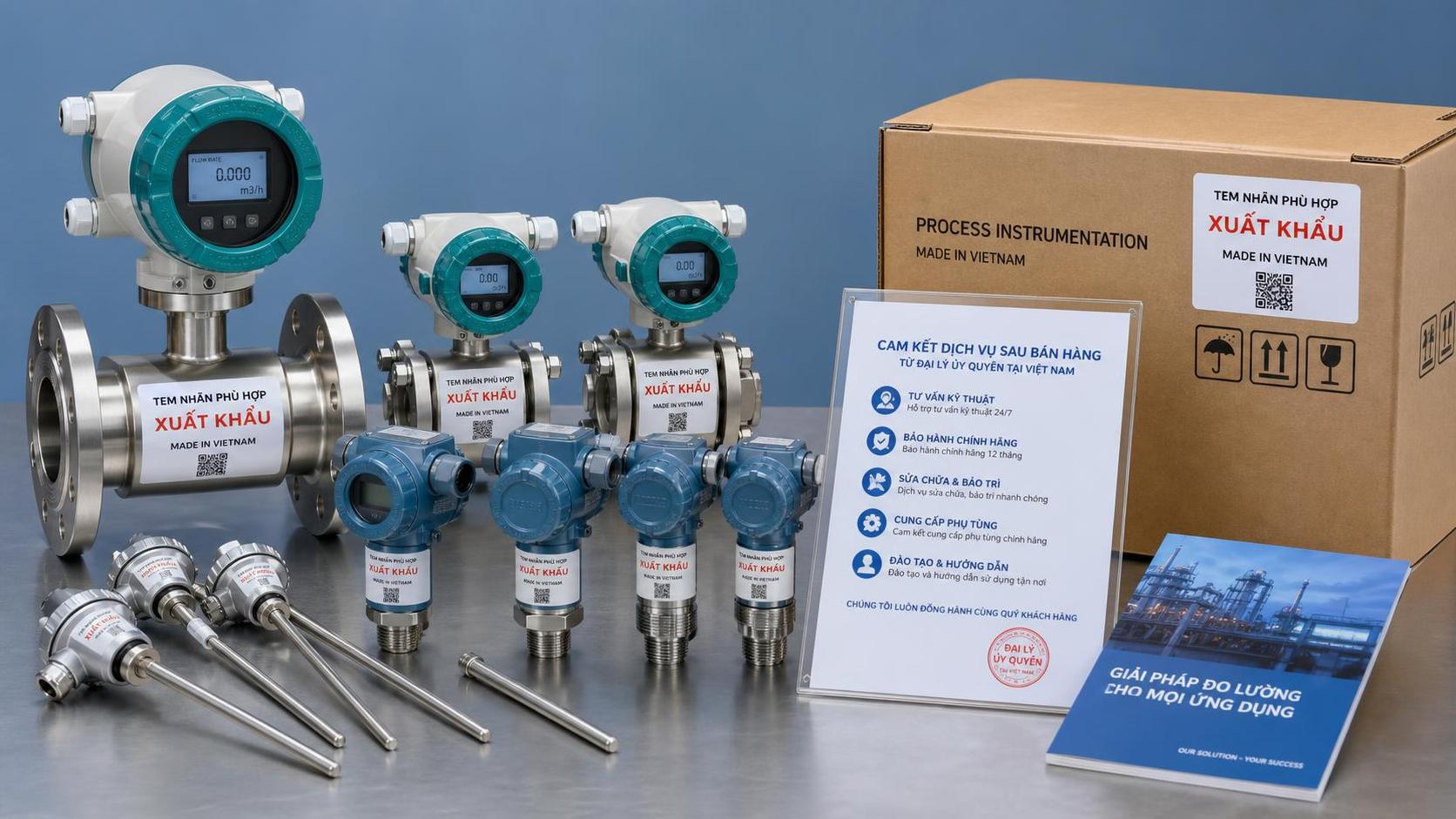
 Vietnam Rule Takes Effect Sept. 1: Imported Industrial Instruments Need Vietnamese Labels and Local After-Sales CommitmentVietnam’s Sept. 1 rule requires Vietnamese labels and local after-sales support for imported industrial instruments. See what HS 9026/9028 exporters and buyers must do now.
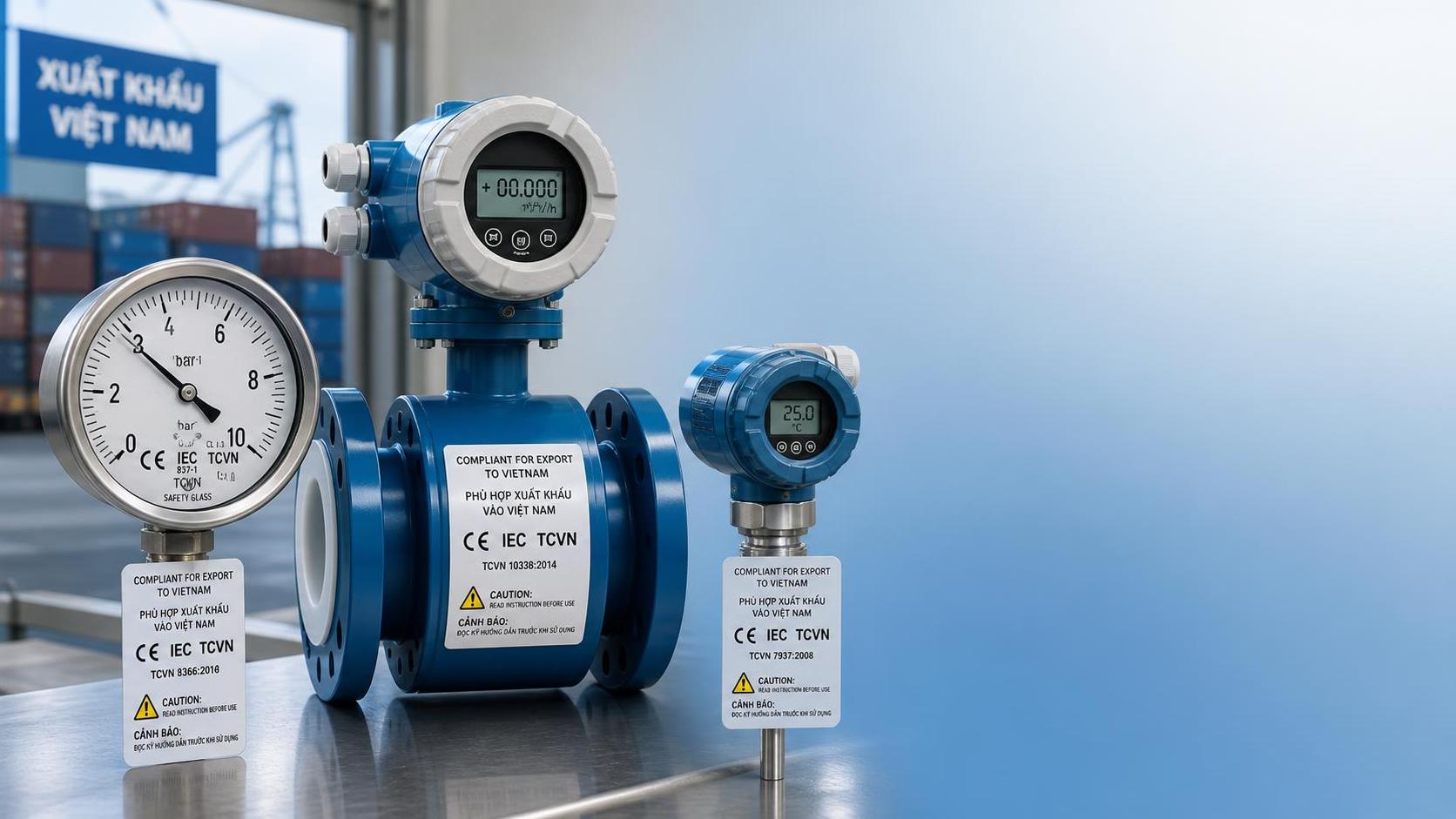
 Vietnam MOIT Rule Tightens Labeling for Imported Industrial InstrumentsVietnam MOIT Rule Tightens Labeling for Imported Industrial Instruments: learn how new Vietnamese label, CE/IEC/TCVN, and local service contact rules affect customs clearance and market access.
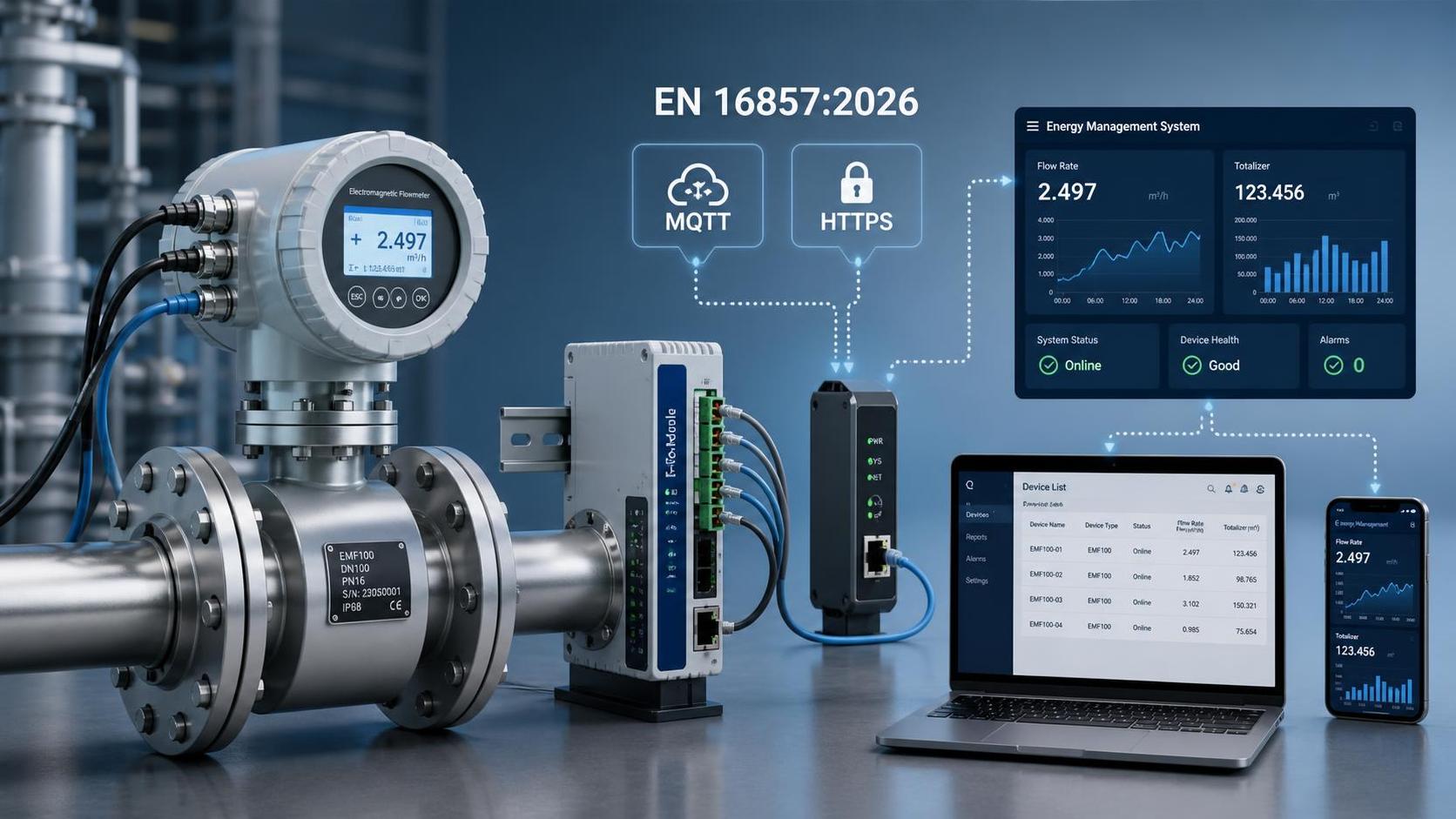
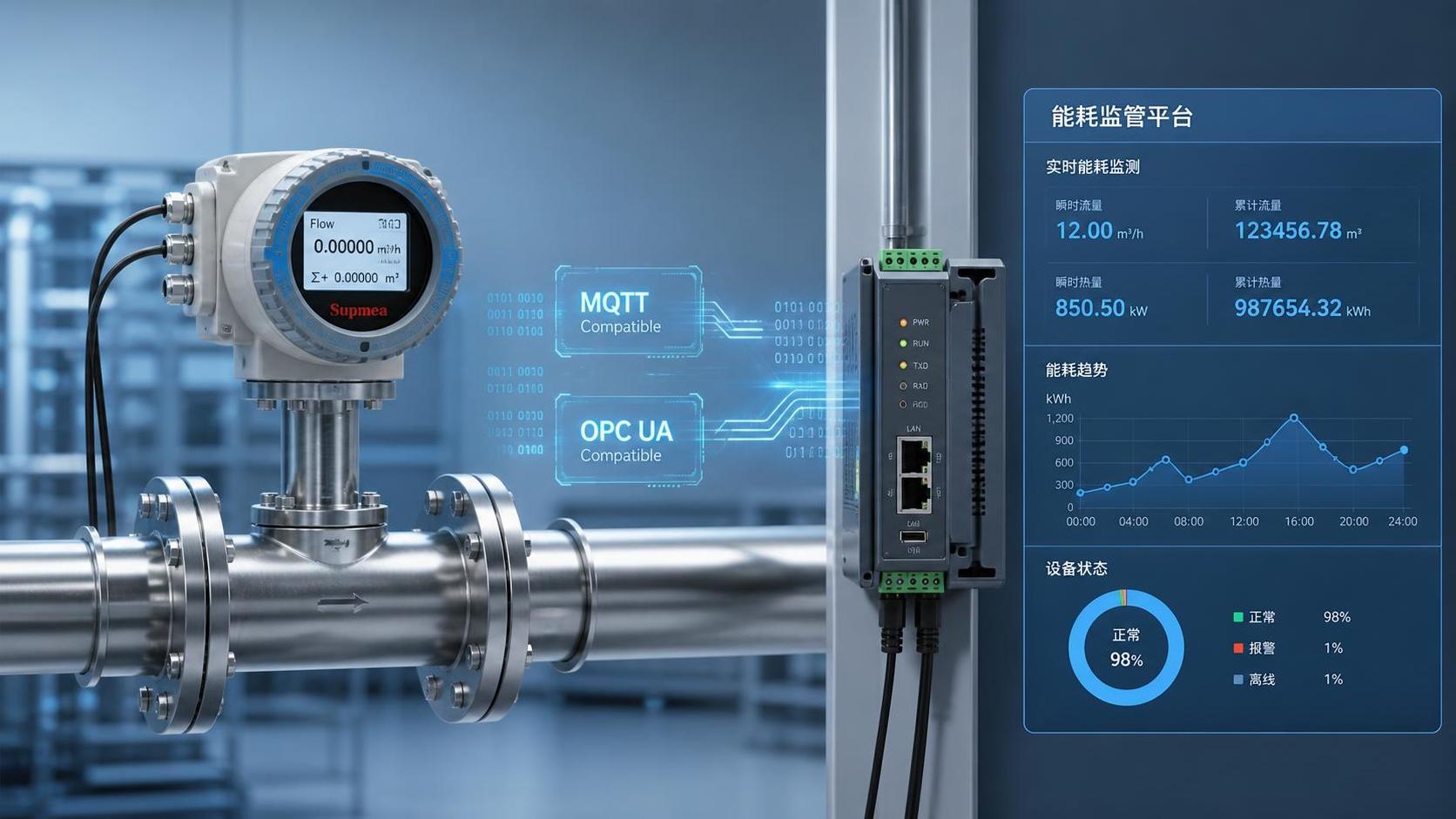
 EU Energy Rule Takes Effect: Flow Meters Need Data InterfacesEU energy rule now requires industrial flow meters with data interfaces. Learn how EN 16857:2026, MQTT/HTTPS, and updated compliance affect exports, customs, and buying decisions.
 EU Efficiency Rule Adds Data Interface Mandate for FlowmetersFlowmeters face a major EU compliance shift: from Sept. 1, 2026, new models must support MQTT or OPC UA and direct energy-data reporting. See how this rule impacts design, CE documents, and EU exports.

Chat Online