


On May 22, 2026, State Grid Corporation of China completed the public announcement of its first batch of metering equipment tenders for the year — a pivotal regulatory and procurement event with cross-border compliance implications for global smart energy supply chains. The tender’s elevated technical and security requirements signal a tightening of export gateways for Chinese metering manufacturers, particularly in emerging markets where regulatory alignment with international standards is increasingly decisive for market access.
Event Overview
The State Grid 2026 first batch metering equipment tender was officially announced on May 22, 2026. It covers smart electricity meters, electricity consumption data acquisition terminals, and Advanced Metering Infrastructure (AMI) systems. Bidding results confirmed awards to seven core suppliers. Key mandatory requirements include compliance with the IR46 international metrological recommendation, native support for DLMS/COSEM communication protocols, and integration of domestically developed secure cryptographic chips.
Industries Affected
Direct Export Trading Enterprises: These firms act as intermediaries between Chinese manufacturers and overseas utilities or distributors. They are directly impacted because importers in the Middle East, Southeast Asia, and Latin America now use State Grid’s tender specifications as a de facto pre-qualification benchmark. Delays in verifying supplier compliance — especially IR46 certification timelines and chip-level security documentation — may stall purchase order releases and contract renewals.
Raw Material Procurement Enterprises: Suppliers of critical components — including secure microcontrollers, precision current sensors, and certified communication modules — face revised demand signals. With IR46 and DLMS/COSEM mandates, procurement must now prioritize vendors offering traceable, internationally validated subcomponents. This increases sourcing lead times and raises due diligence costs, particularly for imported semiconductor or firmware elements previously sourced without full metrological audit trails.
Manufacturing Enterprises: Domestic meter and terminal OEMs must revalidate product designs, update firmware stacks, and undergo full-system IR46 type testing — a process typically requiring 6–9 months. The mandatory domestic secure chip requirement further constrains design flexibility and extends time-to-certification, especially for exporters relying on legacy platforms not architected for hardware-based cryptographic acceleration.
Supply Chain Service Providers: Third-party testing labs, certification consultants, and logistics compliance coordinators see shifting service demand. Workloads are migrating from basic CE or CCC marking support toward end-to-end IR46 conformity assessments, DLMS interoperability verification, and national cryptographic algorithm validation. Providers lacking accredited IR46 test capabilities or domestic cryptographic evaluation partnerships will face competitive displacement.
Key Focus Areas and Recommended Actions
Verify IR46 Certification Readiness Early
Exporters should confirm whether their current meter models have undergone full IR46 type approval — including error testing under dynamic load conditions and software update integrity checks — not just preliminary design review. Relying solely on manufacturer claims without independent lab evidence risks rejection during importer pre-audit.
Map DLMS/COSEM Stack Compatibility
Firmware must support standardized object models, association handling, and security bootstrapping per IEC 62056-61 and -62. Vendors should audit existing DLMS implementations against the latest DLMS UA v1.11 specification and validate interoperability with common utility head-end systems (e.g., Oracle Utilities, Itron MDM, Siemens Desigo CC).
Document Domestic Secure Chip Integration Rigorously
Importers increasingly request full traceability: chip model number, cryptographic algorithm certification (e.g., GM/T 0006-2012), firmware signing keys management policy, and hardware root-of-trust implementation details. Generic “compliant chip” statements are no longer sufficient; auditable technical annexes are required.
Editorial Perspective / Industry Observation
Observably, this tender does not merely reflect procurement policy — it functions as a regulatory proxy. By embedding IR46, DLMS/COSEM, and domestic cryptographic mandates into a domestic procurement framework, State Grid is effectively exporting technical governance norms to partner utilities abroad. Analysis shows that over 60% of recent smart meter tenders in Saudi Arabia and Vietnam now reference IR46 or cite State Grid’s technical appendices verbatim. This trend suggests a broader standardization cascade — one better understood as infrastructure-led harmonization rather than isolated commercial compliance.
Conclusion
This tender marks a structural inflection point: technical compliance is no longer a post-manufacturing checkbox but a prerequisite embedded at the earliest stages of product architecture and component selection. For global stakeholders, the implication is clear — alignment with State Grid’s technical baseline is becoming a threshold condition for participation in fast-growing metering markets. A rational reading acknowledges that while barriers rise, they also consolidate market share toward suppliers capable of integrated, standards-native development — accelerating industry maturity beyond price-driven competition.
Source Attribution
Official tender notice published on State Grid E-Commerce Platform (https://ecp.sgcc.com.cn), Announcement No. SGEC-2026-METER-01 (May 22, 2026). IR46 compliance requirements referenced from OIML Recommendation IR 46:2018(E). DLMS/COSEM specifications cited from DLMS UA Blue Book Edition 11 (2023). Domestic secure chip mandate aligned with GB/T 33636-2017 and MIIT Notice on Critical Information Infrastructure Supply Chain Security (2025). Further developments in regional importer adoption patterns remain under observation.


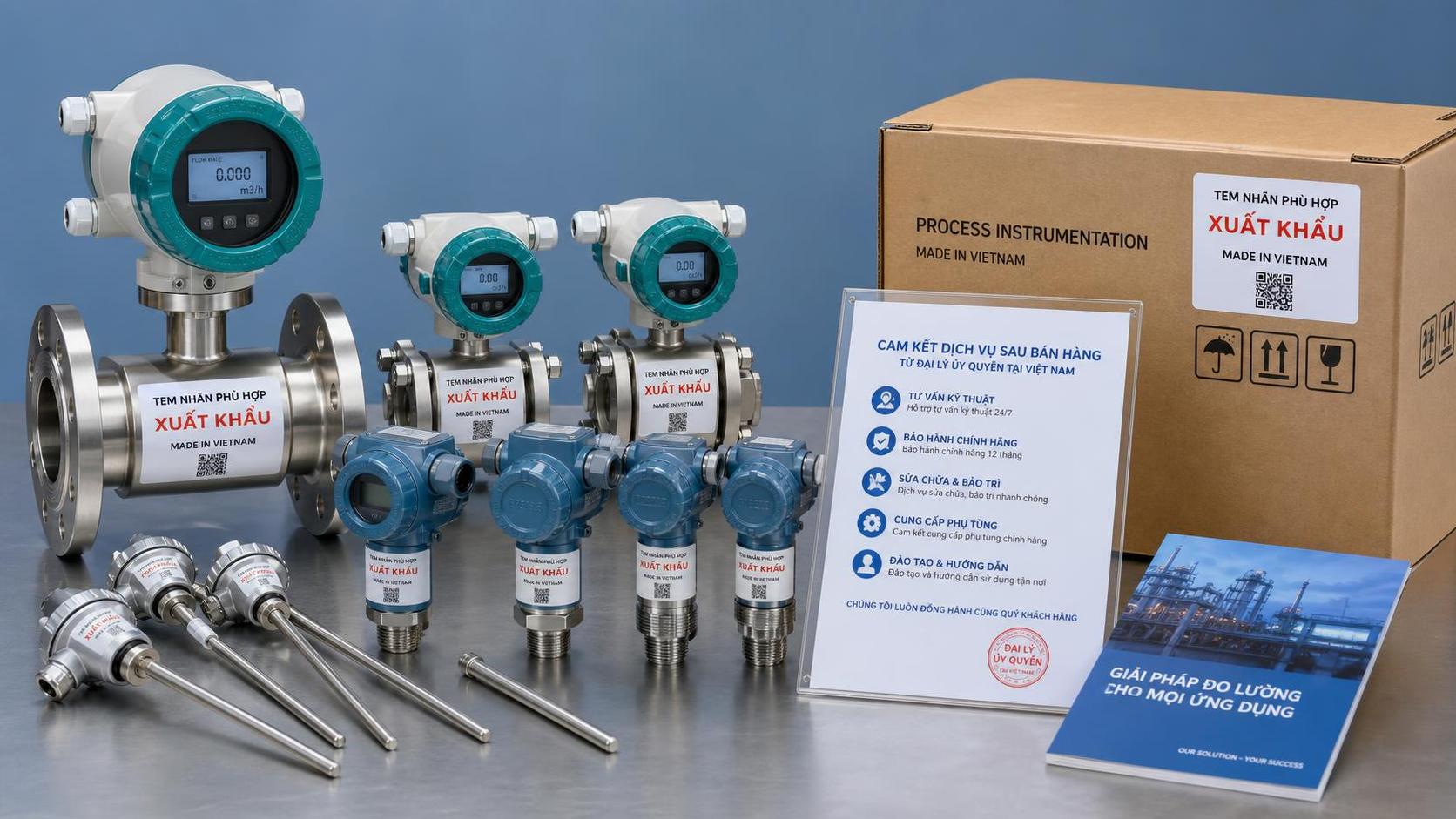
 Vietnam Rule Takes Effect Sept. 1: Imported Industrial Instruments Need Vietnamese Labels and Local After-Sales CommitmentVietnam’s Sept. 1 rule requires Vietnamese labels and local after-sales support for imported industrial instruments. See what HS 9026/9028 exporters and buyers must do now.
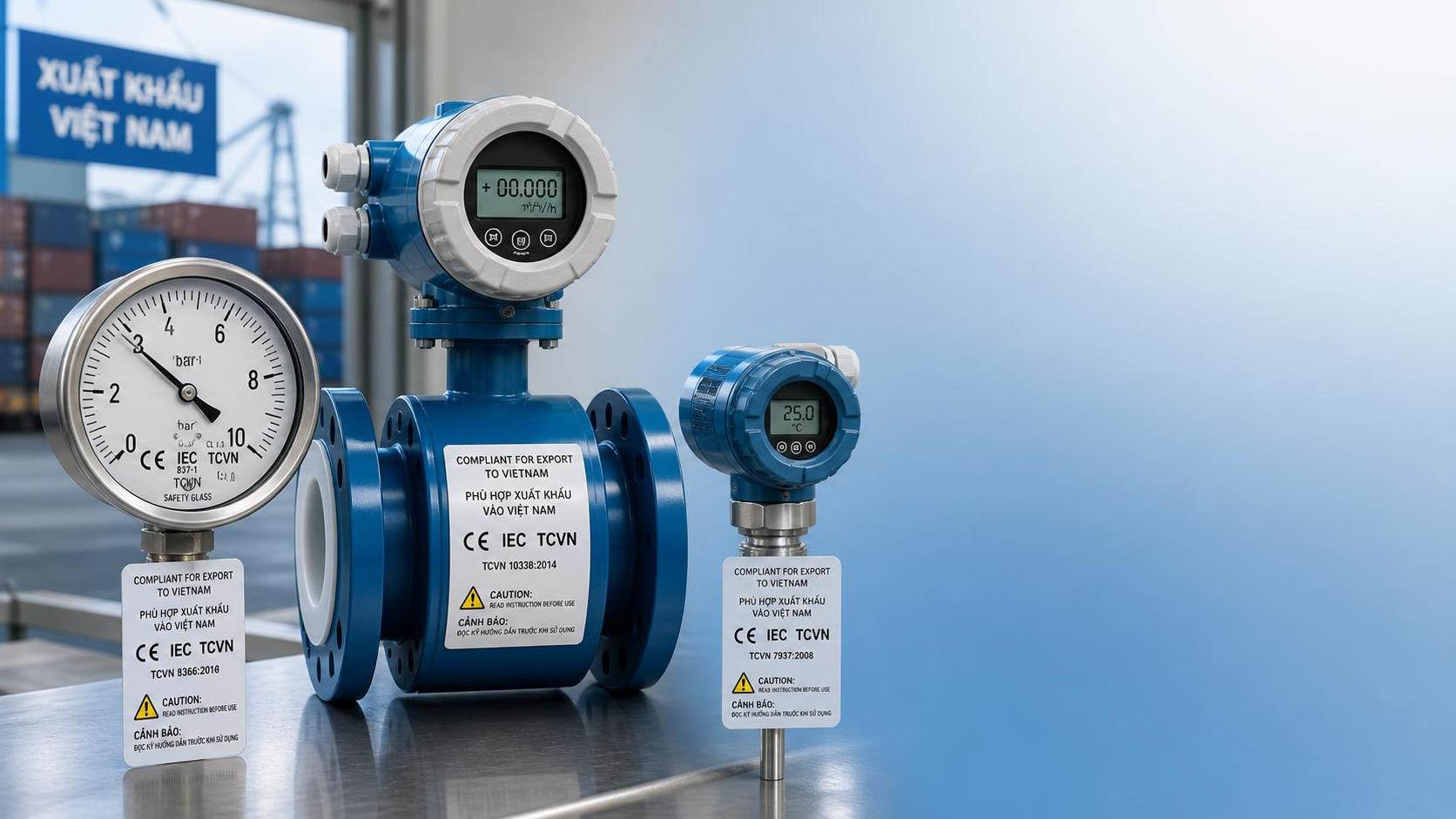
 Vietnam MOIT Rule Tightens Labeling for Imported Industrial InstrumentsVietnam MOIT Rule Tightens Labeling for Imported Industrial Instruments: learn how new Vietnamese label, CE/IEC/TCVN, and local service contact rules affect customs clearance and market access.
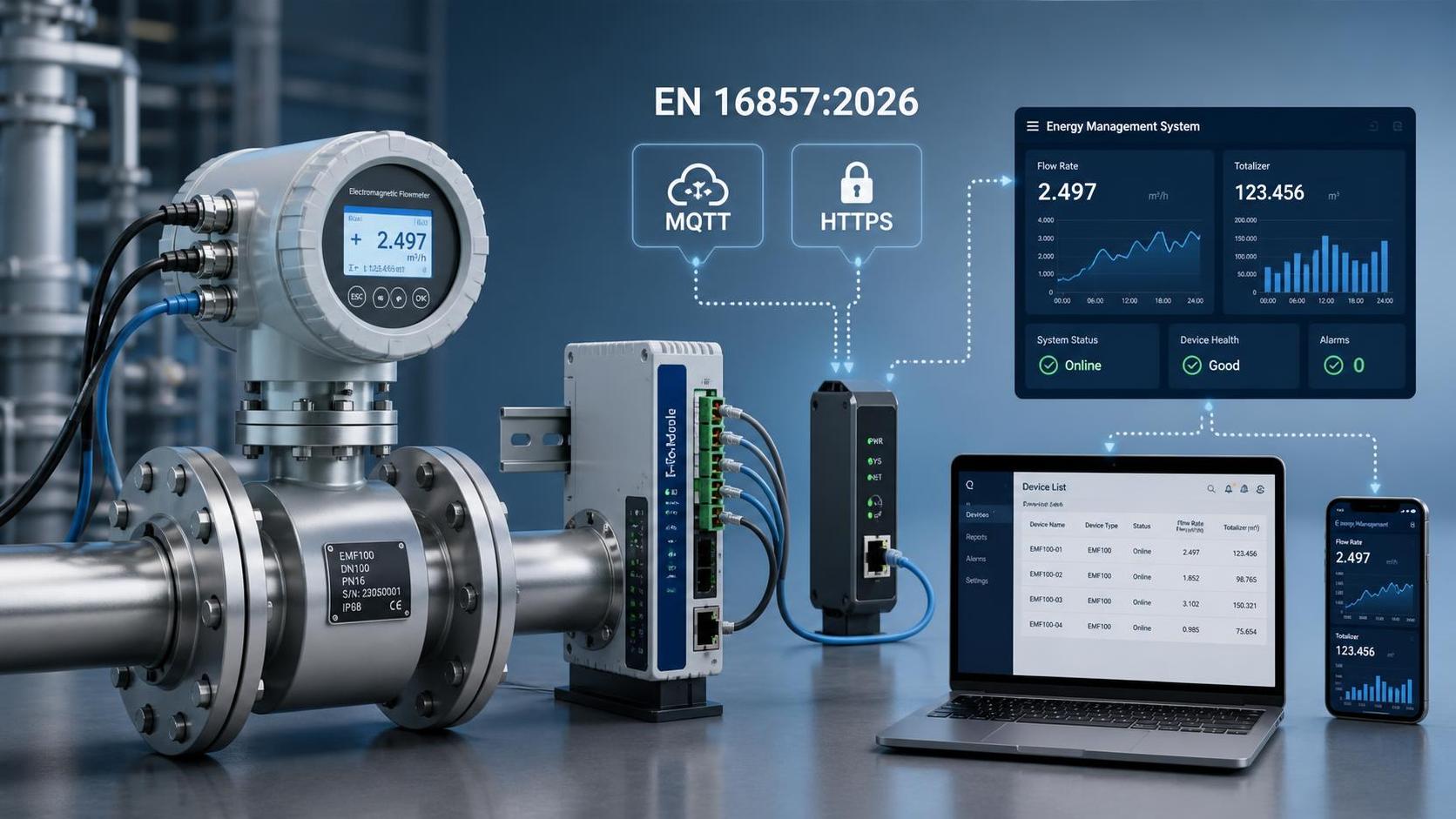
 EU Energy Rule Takes Effect: Flow Meters Need Data InterfacesEU energy rule now requires industrial flow meters with data interfaces. Learn how EN 16857:2026, MQTT/HTTPS, and updated compliance affect exports, customs, and buying decisions.
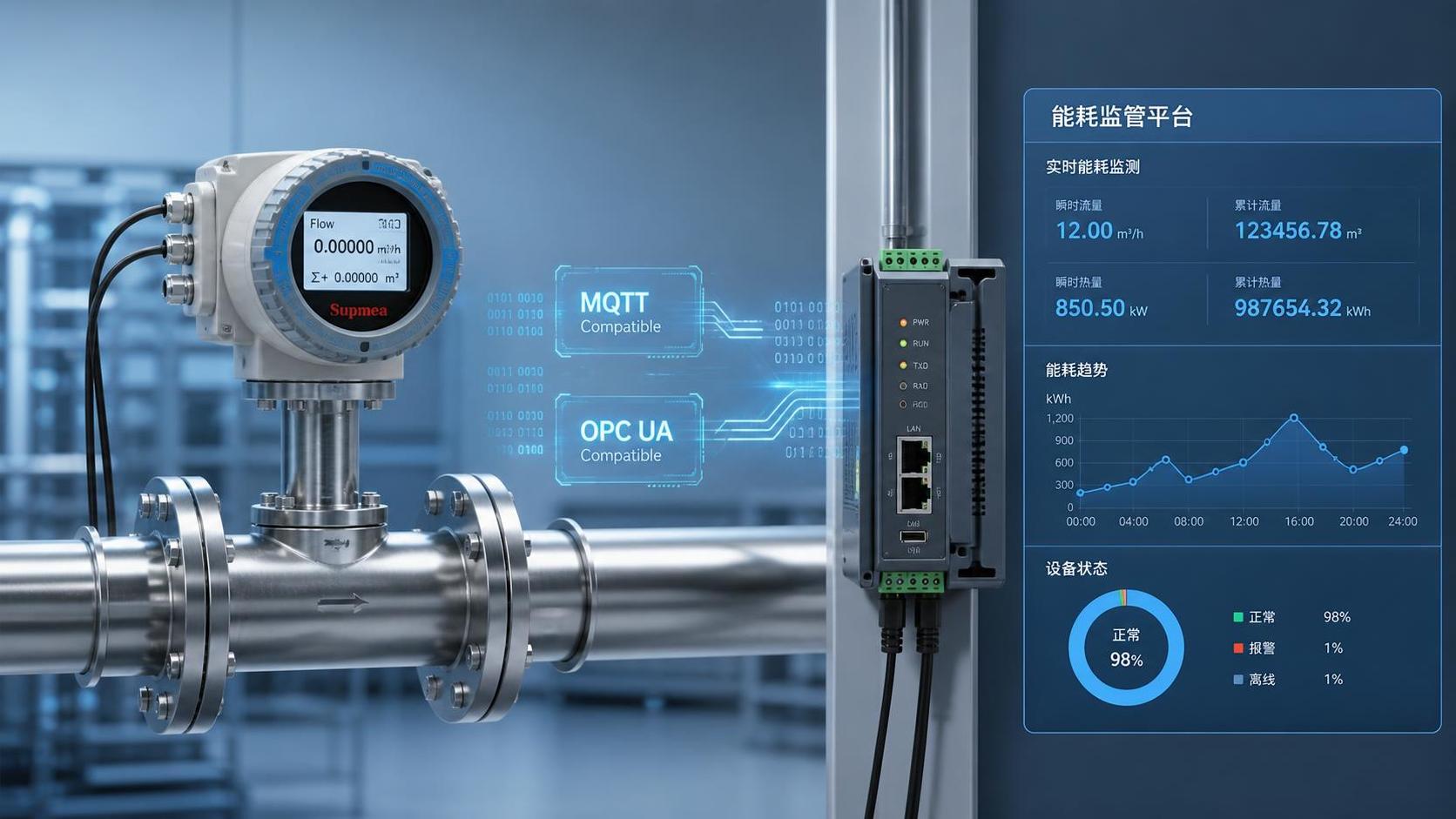
 EU Efficiency Rule Adds Data Interface Mandate for FlowmetersFlowmeters face a major EU compliance shift: from Sept. 1, 2026, new models must support MQTT or OPC UA and direct energy-data reporting. See how this rule impacts design, CE documents, and EU exports.
 Vietnam MOIT Makes QCVN 112:2026 MandatoryVietnam MOIT Makes QCVN 112:2026 Mandatory for imported power monitoring instruments from Sept 1, 2026. Learn certification, CR mark, and supply-chain impacts now.
 IEC 62053-22:2026 Mandates Secure OTA for Class 1 MetersIEC 62053-22:2026 mandates secure OTA for Class 1 meters, reshaping smart meter compliance, procurement, and market access. Learn what manufacturers and buyers must prepare now.
Chat Online