


On June 12, 2026, the revised EU Measuring Instruments Directive (MID 2014/32/EU) took effect for newly declared smart meters in Class B and Class C, adding a cybersecurity-related compliance requirement to the market access process. For exporters, manufacturers, certification teams, and buyers involved in smart meter projects, this is worth close attention because the change affects type approval documentation, certification preparation, testing arrangements, and delivery planning for products intended for the EU market.
What the rule now requires for new smart meter filings
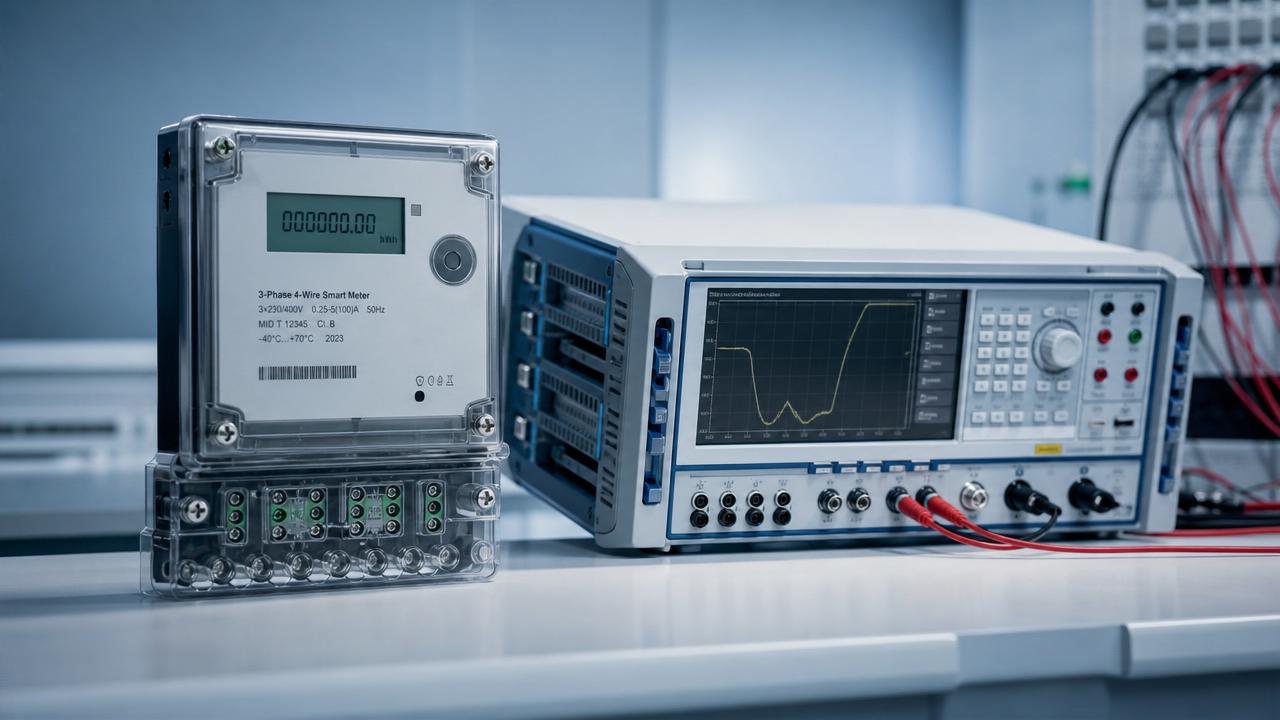
According to the provided information, from June 12, 2026, all newly declared smart meters in Class B and Class C under the revised MID 2014/32/EU must pass EN IEC 62443-4-2 cybersecurity development process certification. The type approval submission must also include an SDoC declaration.
The same information states that this requirement directly affects the technical documentation preparation cycle and third-party testing costs of Chinese meter exporters. Products that do not meet the requirement will not be able to enter the EU market or may face customs return risk.
Where the pressure is likely to appear across the business chain
Export programs face a stricter filing threshold
From an industry perspective, exporters are likely to be affected first because the rule change is tied directly to market entry. The main pressure point is no longer limited to product submission alone, but extends to whether the filing package can demonstrate the required certification path and declaration materials for type approval.
Manufacturing and engineering teams need longer document preparation windows
Analysis shows that manufacturers of smart meters for EU-bound projects may need to pay closer attention to technical file readiness, internal development records, and coordination with external testing resources. The practical effect is likely to appear in compliance scheduling, document completeness reviews, and handoff timing between product, engineering, and certification functions.
Testing and certification support work becomes more central
Observably, the new requirement places greater weight on third-party testing and certification support in the approval process. For service providers working around testing, document review, or approval preparation, the relevant change is that cybersecurity-related evidence and the SDoC submission now become part of the approval path described in the provided information.
Buyers and project planners may need to revisit delivery assumptions
For procurement teams, distributors, and project coordinators sourcing smart meters for the EU market, the main issue is whether suppliers can align documentation and certification status with project timing. What deserves closer attention is the possibility that compliance preparation and testing costs may affect quotation validity, delivery commitments, and supplier selection standards.
What companies should watch in current execution
Check whether existing filing plans are still usable
Analysis shows that companies with new smart meter declarations for the EU should first review whether current approval planning, technical files, and submission materials are aligned with the added EN IEC 62443-4-2 certification requirement and the need to provide an SDoC in type approval.
Pay attention to documentation readiness, not only product readiness
What deserves closer attention is that the reported impact is not limited to the product itself. The provided information specifically points to longer technical documentation preparation cycles, which means compliance review, internal records, and submission package completeness may become immediate operational issues.
Reassess testing budgets and external coordination
Observably, third-party testing cost is identified in the provided information as a direct area of impact. Companies may therefore need to review testing budgets, booking arrangements, and external support timelines, especially where project schedules depend on type approval progress.
Watch trade and delivery risk for non-compliant shipments
It is more appropriate to understand this as a live compliance checkpoint for EU-bound business. Based on the provided information, products that do not comply may lose access to the EU market or face customs return risk, so export control teams, sales operations, and after-sales coordinators should watch shipment eligibility and contract timing carefully.
Why this looks more like an execution signal than a distant policy note
Analysis shows that this development should be read less as a general policy discussion and more as a rule already tied to actual filing and market access conditions from June 12, 2026. At the same time, it is still necessary to keep observing how certification expectations, document review practices, and commercial documents such as tender requirements reflect this change in practice, because the provided information does not include further implementation detail.
How to read the change at this stage
At this stage, the most balanced reading is that the revised MID requirement has created a more explicit compliance gate for newly declared Class B and Class C smart meters entering the EU market. The immediate industry significance lies in approval preparation, documentation workload, testing cost, and shipment risk rather than in broad market conclusions. It is more appropriate to understand this as a confirmed rule change with practical execution consequences, while continuing to watch how it is reflected in approval handling, procurement documents, and market feedback.
Basis of this article and points still requiring verification
This article is generated based on the user-provided news title, event date, and event summary. For events of this kind, commonly relevant source types may include official regulatory notices, information released by supervisory authorities, customs or trade administration updates, industry association materials, standards organization documents, and reporting by authoritative media.
A specific official source link was not provided in the input, so further verification is still needed. Ongoing attention should remain on detailed implementation language, certification interpretation, changes in tender documents, market-side feedback, and how companies are executing the requirement in practice.


 EU EN 61000-6-4:2026 Takes Effect for Industrial InstrumentsEU EN 61000-6-4:2026 takes effect for industrial instruments, raising EMC immunity thresholds by 30%. Learn the CE compliance, testing, and export risks now.
 EU Revises EN 61000-6-4 for Industrial EMCEN 61000-6-4:2026 update reshapes industrial EMC compliance in the EU, with higher RF immunity thresholds, 5G NR sub-6GHz testing, and transition report rules manufacturers must act on now.
 EU MID Update Adds Cybersecurity Certification for Smart MetersEU MID update adds cybersecurity certification for smart meters. Learn how EN IEC 62443-4-2 and SDoC requirements affect EU market access, approval, cost, and delivery planning.
 China Opens Third Domestic Metrology Review for MID SupportChina opens its third domestic metrology review for MID support, covering flowmeters, pressure transmitters, temperature calibrators, and power quality analyzers. See how it may cut EU compliance time and costs.
 IMANOR-Witness MOU Eases Test DuplicationIMANOR-Witness MOU eases test duplication for smart meters, water quality analyzers, and pressure transmitters. Learn how CMA/CNAS report acceptance may speed Morocco customs clearance.
 Vietnam Sets Dual Certification Rule for Power Monitoring MetersVietnam Sets Dual Certification Rule for Power Monitoring Meters: learn how QCVN 132:2026 impacts smart meters, power quality analyzers, compliance timelines, and Vietnam market access.


Chat Online