


On 13 August 2026, the European Commission approved a REACH amendment that adds metal seals with nickel release above 0.5 μg/cm²/week to Annex XVII, with mandatory enforcement from 1 January 2027. The rule reaches industrial instruments that use nickel-alloy wetted-end components, including pressure transmitters and differential flow meters, and it directly affects exporters, procurement teams, compliance functions, and downstream buyers that rely on these products. For Chinese suppliers, the practical issue is no longer only product design but also the shift in approved sealing solutions and the ECHA notification step that will sit inside the export workflow.
What the amendment changes in practice
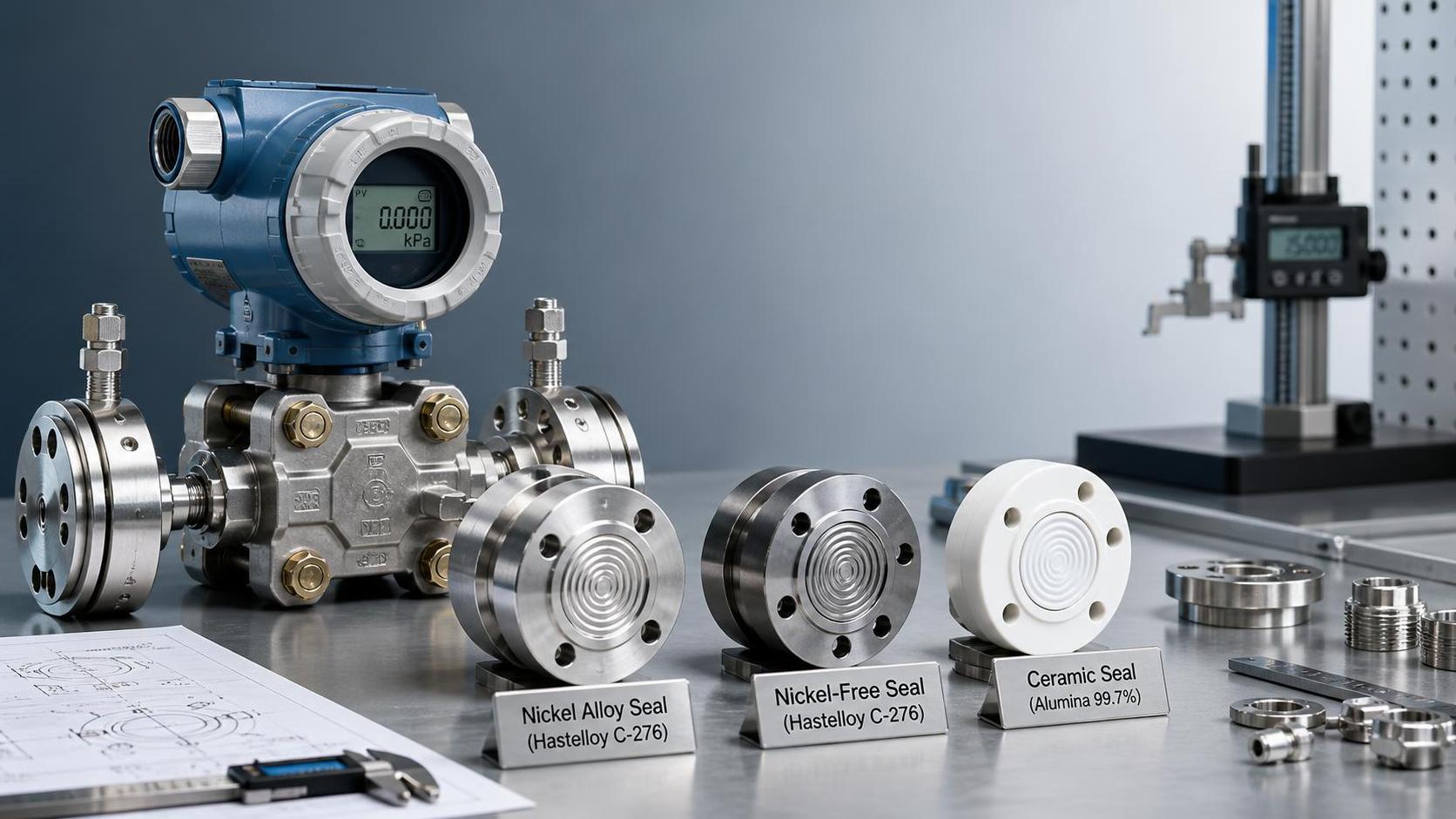
The confirmed change is specific: the REACH revision approved on 13 August 2026, identified as (EU) 2026/1421, places metal seals exceeding the nickel release threshold of 0.5 μg/cm²/week into Annex XVII's restricted list. The scope described in the input covers industrial instruments with nickel-alloy wetted-end parts, including pressure transmitters and differential flow meters. The enforcement date given is 1 January 2027. Chinese export enterprises are expected to switch to nickel-free Hastelloy or ceramic sealing solutions and complete ECHA notification.
Where the pressure will appear first
Export orders and technical review
Export-oriented instrument makers are the most exposed because the rule directly affects products entering the EU market. The impact will show up first in specification review, material selection, and customer approval documents. Orders that were originally built around nickel-containing sealing structures may need redesign, and that makes compliance screening part of the commercial quotation stage rather than a late production check.
Procurement and material substitution
From the supply side, the immediate issue is whether approved alternative sealing materials are available in stable batches. Procurement teams will need to align raw-material sourcing with the new sealing方案, while also keeping traceability for the wetted-end component set. That affects supplier qualification, incoming inspection, and the evidence file attached to each export lot.
Testing and certification workstreams
Testing bodies and compliance service providers will need to focus on whether products can demonstrate release levels below the threshold and whether the technical file matches the declared design. For buyers, certification references and test reports become part of purchase screening. For exporters, the documentation chain needs to support both product conformity and the ECHA notification requirement mentioned in the input.
Distribution and after-sales handling
Channel partners and after-sales teams may face questions from buyers about replacement parts, version changes, and retrofit compatibility. Where the sealing solution changes, service teams will need to keep records clean so that the delivered configuration matches the compliance dossier. That matters for warranty handling, traceability, and any later audit request from the customer side.
What companies should check now
Confirm product scope against the threshold
Companies should first map which instrument models contain nickel-alloy wetted-end parts and whether the sealing structure falls under the stated release threshold. This is a specification exercise, not a general compliance slogan. The key is to connect the bill of materials, the sealing design, and the EU market version list.
Rework documents before shipment windows open
Technical files, test reports, and declaration materials should be aligned with the alternative sealing方案 before the 2027 enforcement date approaches. If the ECHA notification step is part of the export process, it should be built into the document checklist early. Otherwise, the risk is not only shipment delay but also inconsistent records across sales, quality, and customs files.
Watch how buyers write the next tender
What deserves closer attention is how procurement text, tender language, and acceptance conditions will reflect the new restriction. Even before full enforcement, buyers may start asking for material declarations, nickel-release evidence, or a specific sealing configuration. Those requirements can move earlier than the legal deadline.
Keep supplier lead times under review
Switching to nickel-free Hastelloy or ceramic sealing solutions is an engineering change, but it also changes lead times and supplier dependency. Exporters should review whether approved suppliers can support repeat deliveries and whether the alternative design can be manufactured without disrupting existing delivery commitments.
How to read this signal
Analysis shows that this is best understood as an execution signal rather than a vague policy direction. The rule is already approved, the threshold is defined, and the enforcement date is fixed. What remains to be observed is the detailed implementation posture: how ECHA notification is handled in practice, how buyers translate the restriction into procurement language, and how quickly suppliers can complete product conversion without creating delivery gaps. For the industry, the relevant question is not whether the rule matters, but how quickly it is absorbed into design control, trade documentation, and order acceptance.
Bottom line for the market
This amendment should be read as a concrete compliance shift affecting EU-bound industrial instruments with nickel-containing sealing structures. The practical response is narrow and technical: verify product scope, adjust sealing materials, align documents, and track the enforcement timeline. It is more appropriate to treat the news as a rule already moving toward implementation, with execution details still worth watching closely.
Source basis and follow-up items
This article is based on the user-provided title, event date, and summary. Typical source types for this kind of event include official announcements, regulatory authority releases, customs or trade authority notices, industry association updates, standard-setting documents, and authoritative media reports. Specific official source links were not provided in the input and should continue to be verified. Follow-up should focus on the detailed enforcement wording, ECHA notification practice, tender and customer specification changes, and actual enterprise implementation in export and supply-chain workflows.


 Vietnam Tightens Import Rules for Industrial Instruments From SeptemberVietnam tightens import rules for industrial instruments from September 2026. Learn how Vietnamese labeling and local after-sales commitments may affect customs clearance, costs, and exporter compliance.
 IECEx Rules Raise the Bar for Ultrasonic Transmitters in SIS ExportsIECEx rules now demand SIL2 diagnostic proof and third-party conformity reports for ultrasonic transmitters in SIS exports—learn how this impacts compliance, bidding, and market access.
 EU REACH Annex XVII Targets Nickel SealsEU REACH Annex XVII now targets nickel seals in industrial instruments. Learn how pressure transmitters and flow meters must adapt before the 2027 enforcement deadline.
 China Flowmeter Export Prices Rise 9.3% in Q2 2026China flowmeter export prices rose 9.3% in Q2 2026 as Middle East petrochemical and Southeast Asia hydrogen demand lifted premium meter exports. See what it means for buyers and exporters.
 EU PFAS Ban Hits Chemical Instrument ImportsEU PFAS ban now impacts chemical instrument imports into the EU. Learn how REACH rules affect flow meters, transmitters, sourcing, compliance files, and delivery planning.
 EU REACH Adds Phthalate Ban for Process InstrumentsEU REACH adds a phthalate ban for process instruments from Sept 1, 2026. Learn how level gauges, pressure transmitters, and flow switches can meet EU compliance and documentation rules.


Chat Online