


Vietnam’s proposed revision to its national concrete standard TCVN 7570—announced by the Standard and Industrial Research Institute of Vietnam (STAMEQ) on May 30, 2026—introduces mandatory automated slump and air content monitoring for ready-mixed concrete producers. Set to take effect in Q3 2026, the draft standard requires real-time data transmission to a government regulatory platform and 180-day raw data retention. This development directly affects Chinese EPC contractors executing infrastructure projects in Vietnam and importers of concrete testing equipment serving the local market.
Event Overview
According to STAMEQ’s official announcement dated May 30, 2026, the draft revision of TCVN 7570 has completed public consultation and is scheduled to enter into force in the third quarter of 2026. The revised standard introduces two new mandatory technical requirements: (1) installation of automated slump testers capable of direct data transmission to a designated government supervision platform; and (2) deployment of online air content analyzers with equivalent data connectivity and logging functionality. Producers must retain original measurement data for no less than 180 days.
Industries Affected
Chinese EPC Contractors Serving Vietnamese Infrastructure Projects
These firms are affected because compliance with TCVN 7570 applies to all ready-mixed concrete supplied for construction projects in Vietnam—including those procured under turnkey contracts. Under the new rule, EPC contractors may be held jointly accountable for verification of test data integrity and traceability, especially where concrete is sourced from local batching plants without full digital monitoring infrastructure.
Importers and Distributors of Concrete Testing Equipment in Vietnam
This group faces direct commercial impact as the mandate creates new demand for certified automated slump testers and online air content analyzers. Equipment must meet interoperability requirements for data transmission to the national regulatory platform—a specification not previously enforced. Importers will need to verify device compatibility, certification status, and local calibration support before market entry.
Local Ready-Mixed Concrete Producers in Vietnam
Domestic producers must retrofit or upgrade production lines to integrate compliant monitoring systems. The requirement applies regardless of project type or client origin, meaning even small- or medium-scale plants supplying municipal works must implement the technology. Capital expenditure, staff training, and IT integration with the national platform constitute primary operational impacts.
Key Considerations and Recommended Actions
Monitor Official Finalization and Technical Specifications
The current version is a draft. Stakeholders should track STAMEQ’s final publication for exact technical parameters (e.g., data format, API protocols, validation frequency), which may differ from the consultation version. Regulatory clarity on enforcement timelines and transitional arrangements remains pending.
Assess Supply Chain Readiness for Compliance-Critical Components
EPC contractors and concrete producers should audit their current suppliers’ capacity to provide compliant monitoring hardware and associated software services. Particular attention should be paid to whether existing equipment vendors hold STAMEQ-recognized conformity assessments—or whether re-certification will be required post-implementation.
Distinguish Between Policy Signal and Operational Requirement
While the draft signals Vietnam’s broader digitalization agenda for construction quality control, actual enforcement depends on platform readiness, inspector training, and audit protocols. Companies should avoid premature capital commitments until confirmation of implementation milestones—including pilot phases or phased rollouts announced by STAMEQ or the Ministry of Construction.
Prepare Data Management and Retention Protocols
Given the 180-day raw data retention mandate, stakeholders should evaluate internal or third-party data storage solutions that meet Vietnamese data sovereignty expectations. Systems must ensure unalterable timestamps, secure access logs, and export capability aligned with the regulator’s prescribed schema.
Editorial Observation / Industry Perspective
Observably, this revision reflects Vietnam’s increasing emphasis on verifiable, tamper-resistant quality assurance in public infrastructure—particularly amid rising foreign investment in transport, energy, and urban development projects. Analysis shows the requirement is less about introducing novel testing methods and more about enforcing standardized, auditable digital evidence chains. It functions primarily as a regulatory signal: early adoption may confer competitive advantage in public tenders, but full compliance hinges on parallel progress in national platform deployment and local technical capacity. From an industry perspective, it marks a shift from outcome-based to process-traceable regulation—and signals growing alignment with international digital construction governance trends, though not yet harmonized with ISO or EN standards.
This update carries tangible implications for cross-border construction supply chains and equipment markets—but its immediate operational weight remains conditional on final technical guidance and enforcement infrastructure. It is best understood not as an abrupt compliance deadline, but as the first formal step in Vietnam’s multi-year effort to digitize construction material quality oversight.
Source: Standard and Industrial Research Institute of Vietnam (STAMEQ), official announcement dated May 30, 2026. The draft status of TCVN 7570 and its pending finalization remain under observation.


 How to Read Hydraulic Calibration Pump Specifications CorrectlyHydraulic calibration pump specifications explained clearly: learn how to assess pressure range, stability, fine control, and compatibility to choose the right pump with confidence.
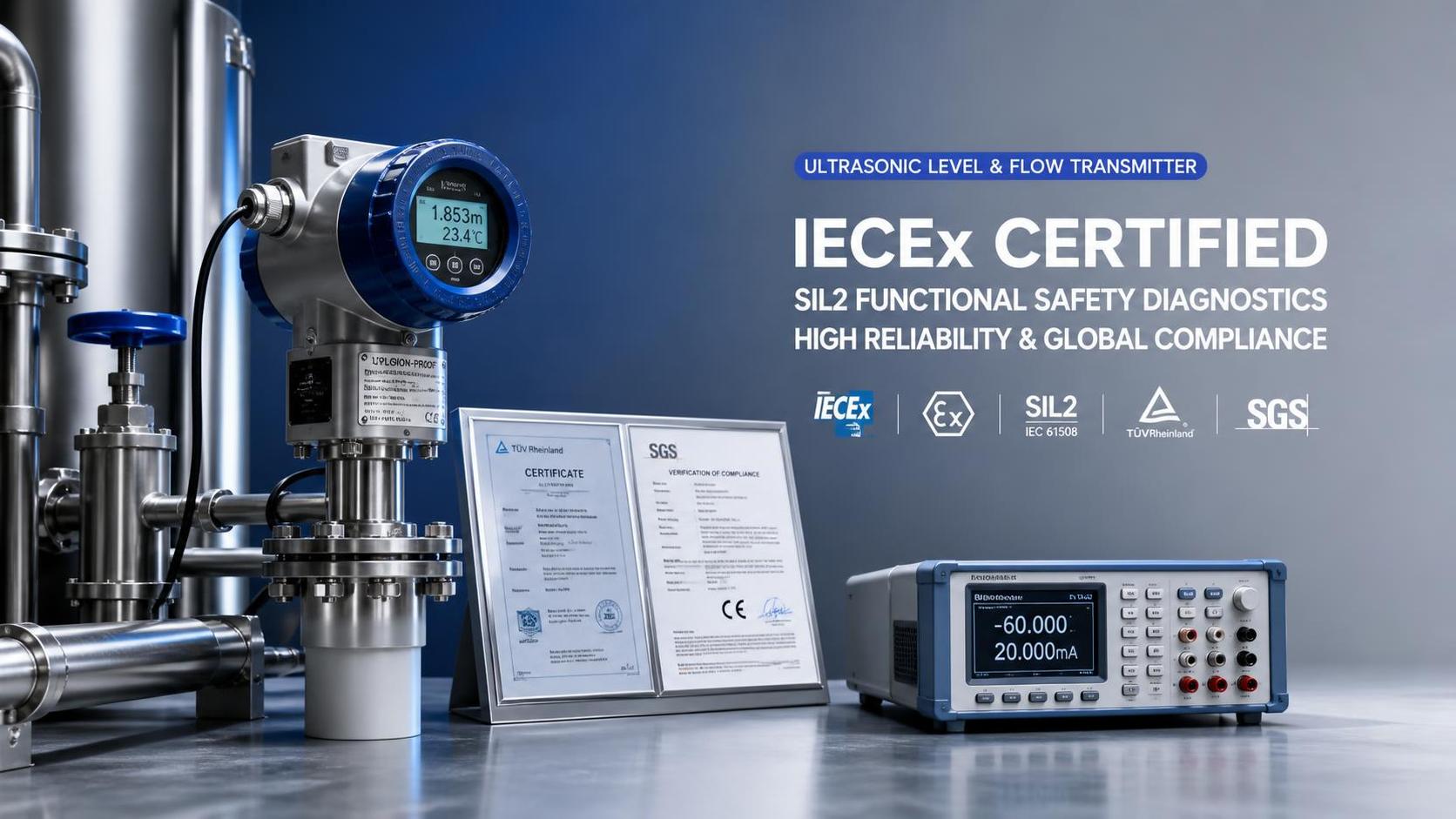
 New IECEx Rule Requires SIL2 Diagnostic Validation for Chinese Ultrasonic Transmitter ExportsIECEx rule update: SIL2 diagnostic validation is now required for Chinese ultrasonic transmitter exports. Learn how IEC 61508, 90% DC reports, and procurement risks affect bids and delivery.
 FDA Draft Guidance Raises Compliance Bar for Pharma Pressure and Flow InstrumentsFDA draft guidance tightens compliance for pharma pressure and flow instruments, raising USP<1058> qualification demands and market entry barriers for suppliers.
 China Tightens Export Controls on Instruments for New Energy Production LinesChina tightens export controls on instruments for new energy production lines, impacting high-purity gas flowmeters. Learn how 100% filing rules may affect compliance, delivery, and global sourcing.
 IECEx Rule Change Makes SIL2 Diagnostics Mandatory for Chinese Ultrasonic Transmitter ExportsIECEx now requires SIL2 diagnostics for Chinese ultrasonic transmitter exports, reshaping Ex d and Ex ia compliance. Learn what changes, who is affected, and how to stay ahead.
 China Tightens Export Controls on Flow Meters for New Energy Production LinesChina tightens export controls on flow meters and MFCs for new energy production lines. Learn how the 2026 filing rule may affect compliance, lead times, and global shipments.





Chat Online