


On June 10, 2026, the U.S. Treasury’s OFAC added four Chinese individuals and four companies registered in mainland China or Hong Kong to the SDN list over alleged involvement in Iranian weapons procurement. For the laboratory equipment supply chain, the immediate significance is not only the sanctions action itself, but the compliance pressure it can place on cross-border payments, logistics counterparties, and customs stability for purchases of analytical instruments, calibration devices, and consumables sourced from China.
What the June 10 action confirms
The confirmed facts are limited but commercially relevant. The action took place on June 10, 2026, and involved eight Chinese-related subjects in total: four individuals and four companies. According to the event summary provided, several of the listed companies were connected to laboratory instrument import and export activity, re-export trade, and related support services. The stated basis for the OFAC action was alleged involvement in Iranian weapons procurement, and the resulting SDN designation may affect payment routing, compliance review of logistics partners, and customs clearance reliability for overseas buyers purchasing relevant equipment and supplies from China.
Where the pressure may emerge across transactions
Overseas buyers may face tighter counterparty screening
From an industry perspective, overseas purchasers of analytical equipment, calibration devices, and consumables may be among the first to feel operational friction. The reason is straightforward: once SDN exposure appears anywhere in a transaction chain, buyers and their financial or logistics partners may increase sanctions screening. The business impact may show up in onboarding reviews, payment approvals, supplier due diligence, and requests for clearer transaction documentation. What deserves closer attention is whether buyers are asked to recheck supplier identities, beneficial relationships, trade routes, and service counterparties before placing or releasing orders.
Export-side suppliers may see payment and delivery disruption risks
For exporters and trading companies connected to laboratory equipment supply, the practical issue is not only whether they are directly involved, but whether customers, banks, or service providers treat the wider transaction as higher risk. Analysis shows that the most sensitive points are likely to be settlement arrangements, freight coordination, and document consistency across export steps. Companies in this position should pay close attention to whether payment channels remain available, whether shipping partners revise internal compliance requirements, and whether routine delivery schedules become less predictable.
Logistics and trade service providers may face stricter internal controls
Businesses handling freight, forwarding, re-export arrangements, or matching services may also need to respond quickly. The event summary specifically points to possible pressure on logistics partner compliance and customs stability, which means service providers may strengthen customer screening, transaction reviews, and acceptance standards for certain shipments. Observably, the key issue is not a confirmed sector-wide stoppage, but a higher likelihood that service providers ask for more supporting paperwork or decline transactions they consider difficult to assess under sanctions controls.
After-sales and technical support chains may need closer review
Where laboratory equipment is sold together with calibration support, spare parts, consumables, or follow-up services, businesses may need to review whether service delivery depends on the same payment and logistics channels as the original shipment. From an industry perspective, the risk is that compliance checks do not stop at the initial sale; they may also affect replacement parts, maintenance-related shipments, and contract performance timing if intermediaries reassess the transaction chain.
What companies should monitor now
Recheck compliance screening around counterparties and service chains
Analysis shows that companies involved in sourcing, exporting, or supporting laboratory equipment should review how they screen customers, suppliers, intermediaries, and logistics partners against sanctions-related risks. This is especially relevant where transactions involve multiple trading entities, re-export arrangements, or outsourced support services. The immediate focus should be on identifying whether any part of the transaction path creates additional screening sensitivity.
Prepare for more document requests in trade execution
What deserves closer attention is the practical side of trade paperwork. Businesses may need to keep commercial documents, technical descriptions, shipping records, and transaction support materials in a more review-ready state, because counterparties may ask for extra confirmation before processing payments or releasing shipments. This should be understood as a compliance-readiness issue rather than a confirmed new documentation rule.
Watch for changes in procurement and delivery planning
For procurement teams and overseas customers, it is more appropriate to understand this development as a signal to reassess delivery resilience. If a supplier, trade intermediary, or service provider becomes harder to clear through payment or logistics checks, purchase schedules and fulfillment planning may need adjustment. Observably, this does not confirm that all China-sourced laboratory products face disruption, but it does suggest a need for closer review of transaction routes and backup arrangements.
Track official wording and market execution carefully
The event summary does not provide detailed enforcement mechanics beyond the listing action itself, so companies should avoid assuming a uniform outcome across all transactions. Analysis shows that the next important variable is how banks, logistics firms, customers, and customs-related service channels interpret and operationalize the risk in real cases. Monitoring updates in official language, counterparty compliance notices, and procurement requirements will be essential.
Why this matters beyond the listing itself
Observably, this development is best read as an execution signal affecting transaction confidence in parts of the laboratory equipment supply chain, rather than as a complete redefinition of market rules for the entire sector. The reason it deserves industry attention is that sanctions-related designations can influence business behavior well beyond the listed entities themselves, especially where cross-border payments, re-export structures, and external logistics partners are involved. From an industry perspective, the practical question is less about headline risk and more about how quickly commercial counterparties tighten their internal controls.
How to interpret the current stage
At this stage, it is more appropriate to understand the event as a concrete compliance change with potential spillover into procurement, payment, logistics, and delivery execution for some laboratory equipment transactions linked to China sourcing. At the same time, the available facts do not support broader conclusions about final market impact, sector-wide disruption, or uniform enforcement outcomes. A rational reading is that the rule change has already occurred at the listing level, while its full operational effect still requires continued observation through actual market practice.
Basis of this article and what still needs verification
This article is generated from the user-provided news title, event date, and event summary. For events of this type, commonly relevant source categories may include official announcements, releases from regulatory authorities, customs or trade administration information, industry association updates, standard-setting documents, and reporting from authoritative media. No specific official source link was provided in the input, so the exact official reference still needs to be verified on an ongoing basis. Further observation is also needed on enforcement details, compliance interpretation, procurement document changes, tender language, market feedback, and how affected companies and counterparties implement controls in practice.


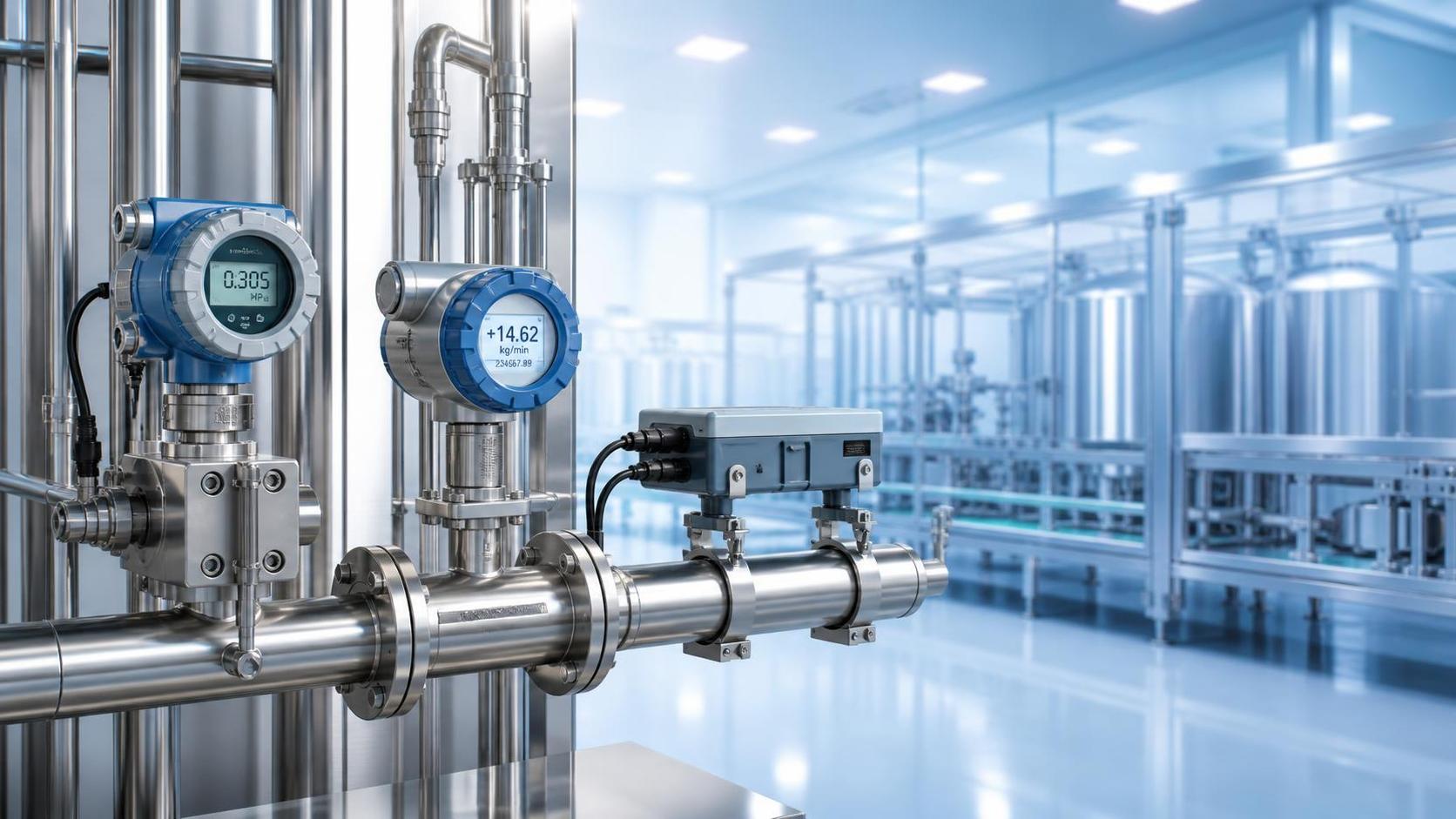
 FDA Draft Guidance Raises Compliance Bar for Pharma Pressure and Flow InstrumentsFDA draft guidance tightens compliance for pharma pressure and flow instruments, raising USP<1058> qualification demands and market entry barriers for suppliers.
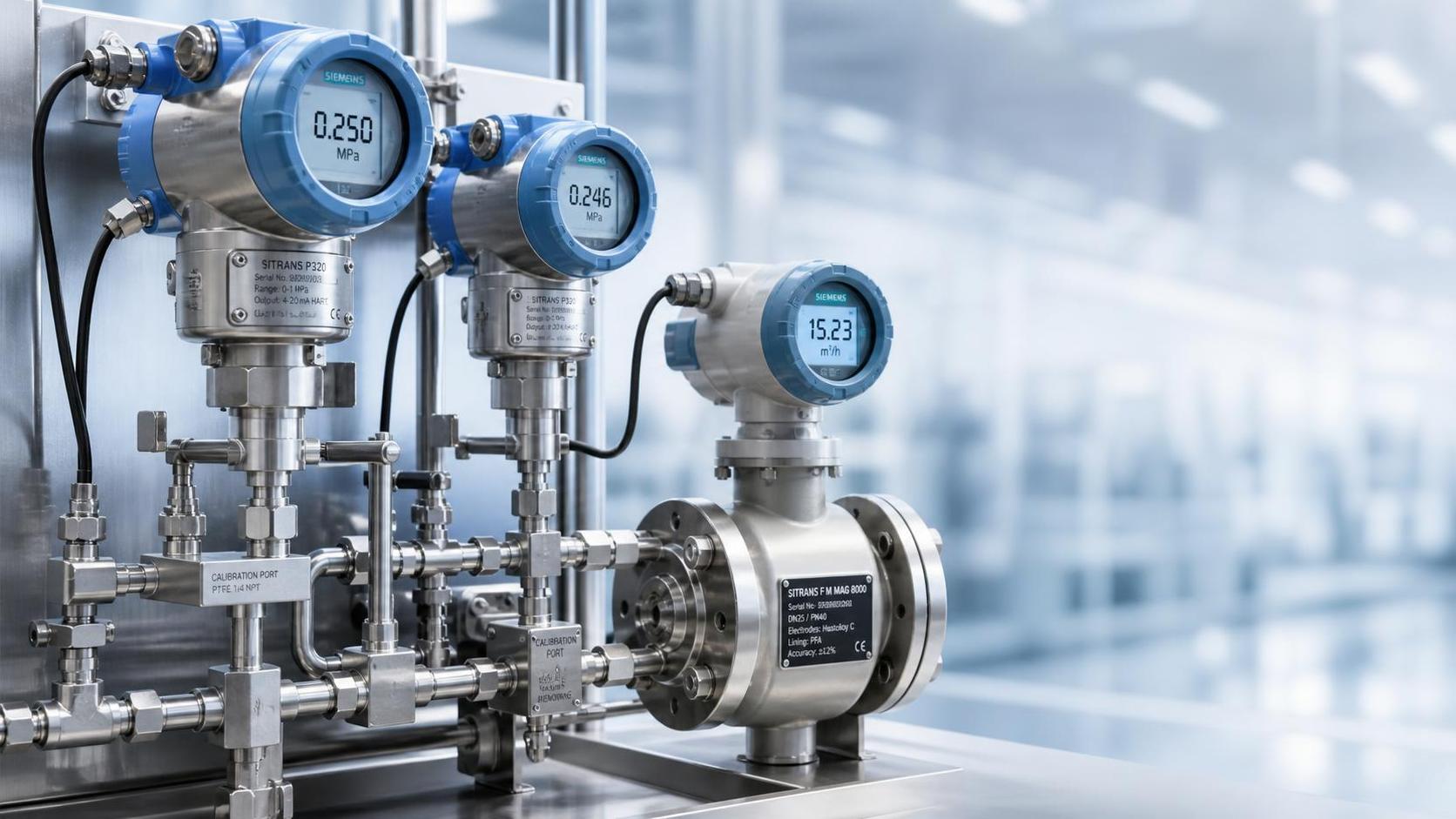
 FDA Expands USP<1058> Requirement to GMP Process Pressure and Flow InstrumentsFDA Expands USP<1058> Requirement to GMP Process Pressure and Flow Instruments, reshaping compliance for pressure transmitters and flow meters. See the immediate GMP impact.
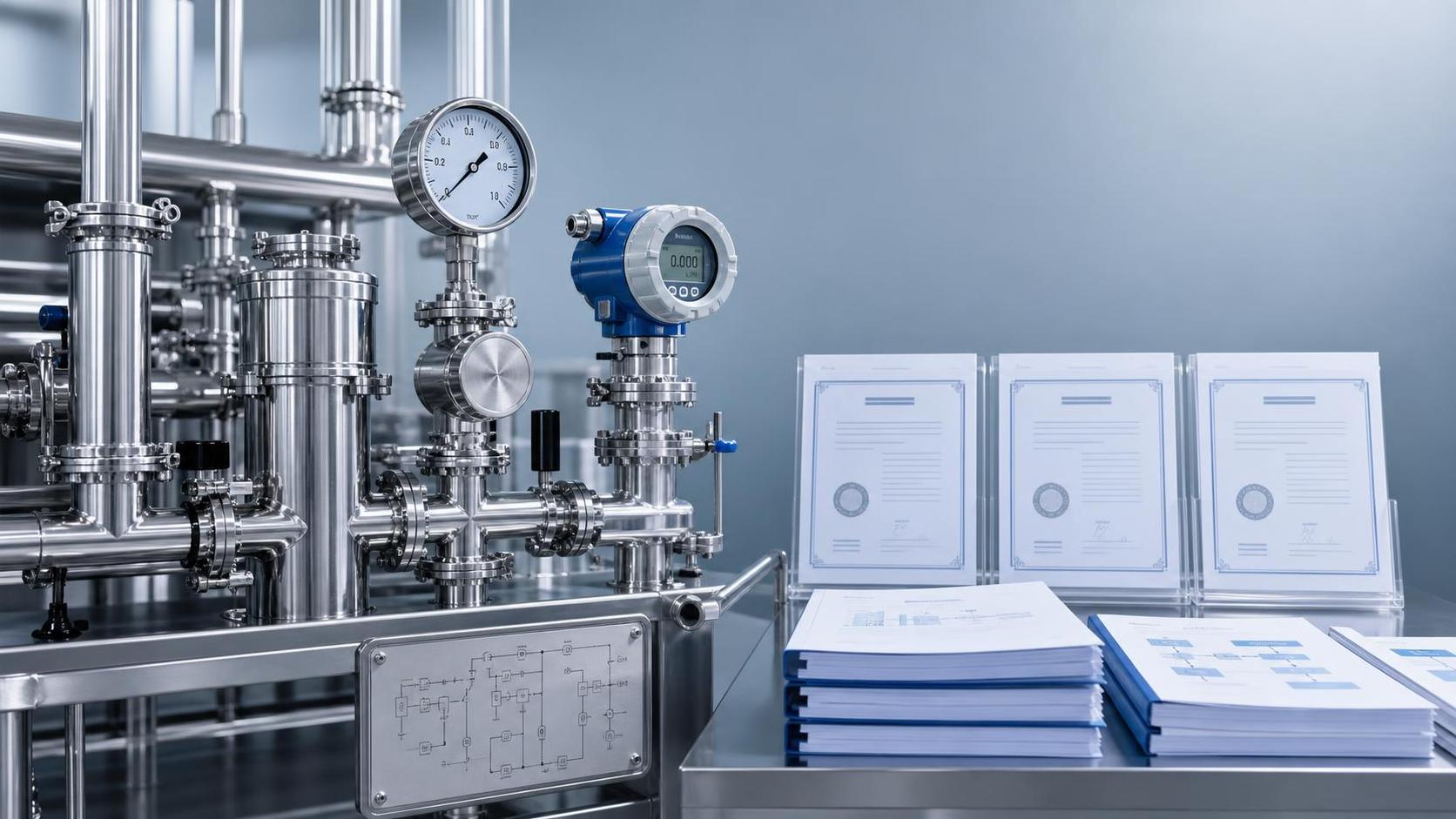
 FDA Updates Drug Equipment Guidance: USP<1058> Becomes a Required Threshold for Pressure and Flow InstrumentsFDA updates drug equipment guidance: USP<1058> now sets a required threshold for pressure and flow instruments. Learn how this impacts pharma compliance, calibration records, and supplier competitiveness.
![]() EU REACH Annex XVII Update Bars Imports of Instruments Using Nickel-Containing Seals From 2027EU REACH Annex XVII now bars nickel-containing seals in instruments from 2027, impacting process instrumentation compliance and EU exports. Discover the risks and alternatives.
EU REACH Annex XVII Update Bars Imports of Instruments Using Nickel-Containing Seals From 2027EU REACH Annex XVII now bars nickel-containing seals in instruments from 2027, impacting process instrumentation compliance and EU exports. Discover the risks and alternatives. FDA更新制药设备合规指南,过程仪表验证要求收紧FDA’s updated pharma equipment guidance tightens process instrument validation. Learn what it means for gauges, flow meters, and compliant exports.
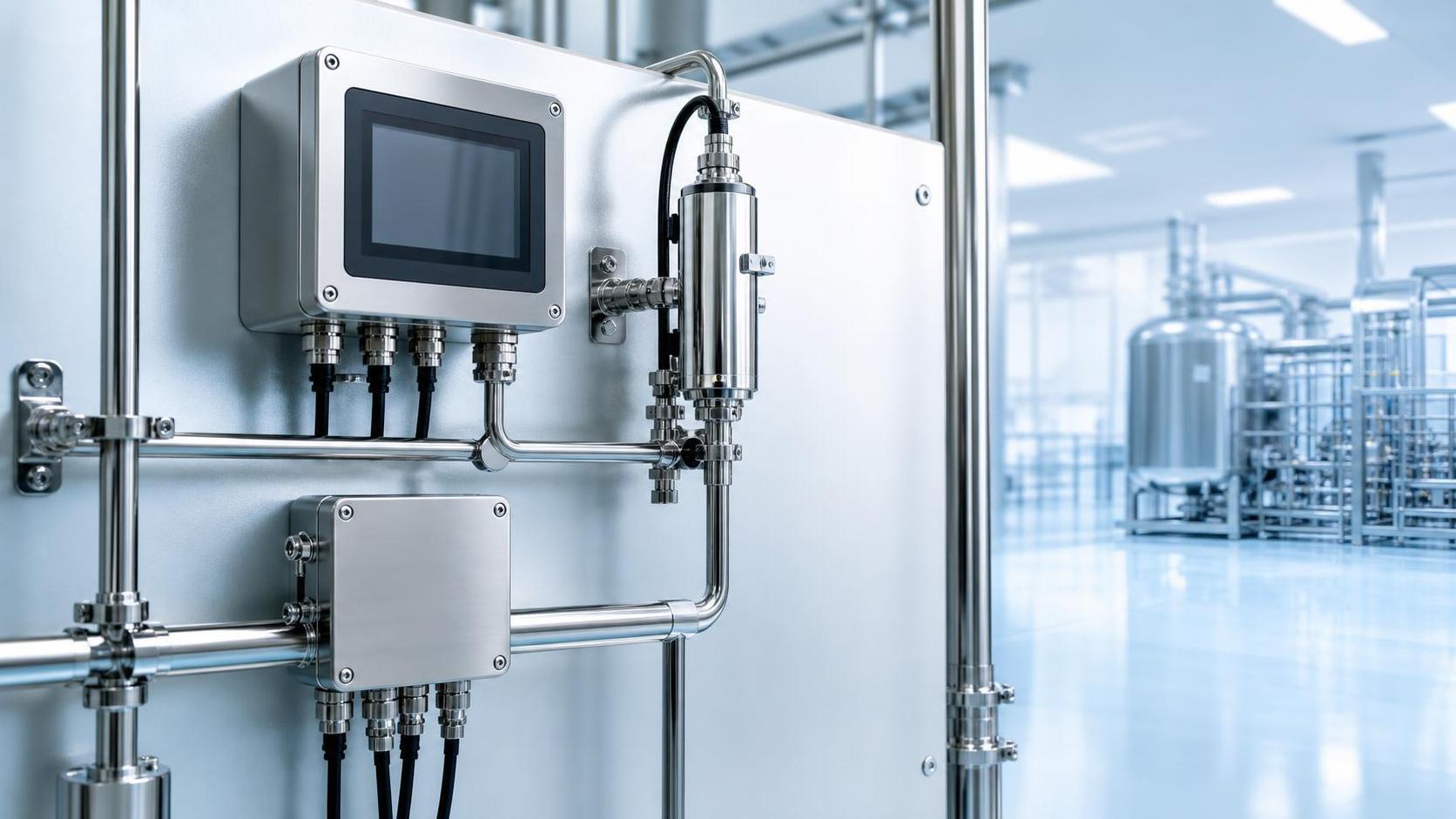
 Brazil Tightens Validation Rules for PW/WFI Online MetersBrazil Tightens Validation Rules for PW/WFI Online Meters: learn how ANVISA’s new GMP 3Q and local lab report requirements reshape imports, qualification, and supplier selection.


Chat Online