


China’s Zhejiang Humanoid Robot Innovation Center has recently validated a humanoid robot capable of precise liquid dispensing (≤±1 mL error) for hazardous reagents in laboratory settings — marking a new application scenario for domestic precision fluid control instruments. This development is relevant to life sciences instrumentation, in vitro diagnostics (IVD), contract research organizations (CROs), and industrial automation exporters — particularly those engaged in system-level integration for global lab automation markets.
Event Overview
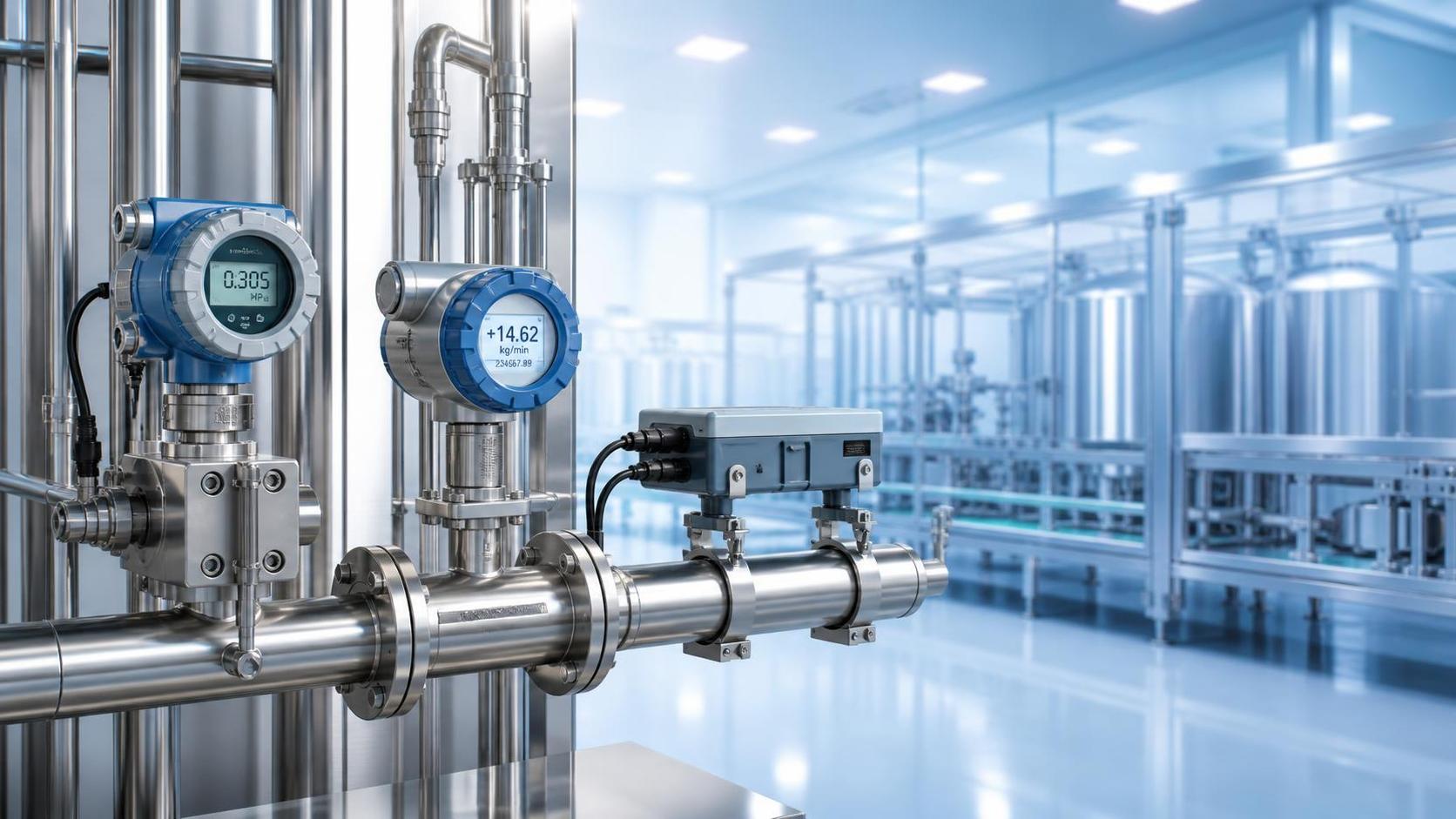
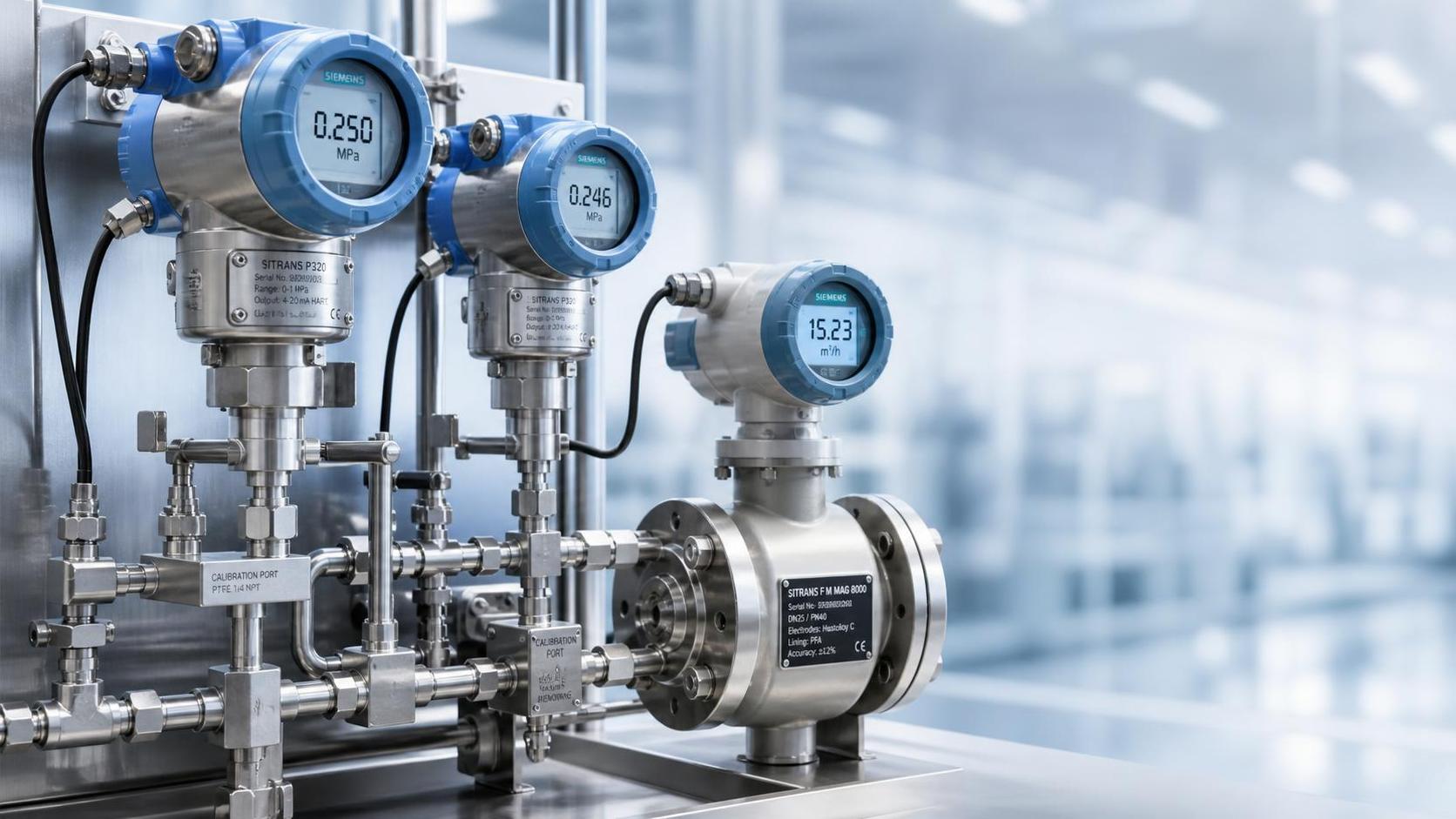
The Zhejiang Humanoid Robot Innovation Center recently demonstrated a humanoid robot equipped with tactile sensing and a cerebellum-integrated controller, successfully performing 40 mL dispensing of high-risk reagents in a laboratory environment with an error margin of ≤±1 mL. The capability relies on three domestically developed core components: high-response micro-flow sensors, closed-loop stepper-driven valves, and real-time pressure feedback modules — all classified as precision fluid control instrumentation. The center has entered joint development agreements with leading domestic IVD equipment manufacturers and CRO enterprises, targeting integration into overseas laboratory automation upgrades, especially in Europe and North America. No specific date for the validation test was publicly disclosed.
Impact on Specific Industry Segments
Direct Exporters of Integrated Systems
Exporters offering ‘robot + dedicated instrumentation’ turnkey solutions face newly emerging demand signals from international biolab automation procurement cycles. Impact manifests in shifting customer expectations: buyers are beginning to evaluate not only robotic motion performance but also co-located fluid handling accuracy, calibration traceability, and regulatory alignment (e.g., ISO 8573 for compressed air quality in pneumatic valve systems).
Manufacturers of Precision Fluid Control Instruments
Domestic producers of micro-flow sensors, proportional solenoid valves, and pressure feedback modules may see increased technical inquiry volume from robotics integrators — especially regarding environmental robustness (e.g., chemical resistance, thermal drift under continuous operation), communication protocol compatibility (e.g., EtherCAT, CANopen), and functional safety certification (e.g., IEC 61508 SIL2 readiness). Unlike traditional process instrumentation, these applications emphasize dynamic response over long-term stability.
IVD Equipment OEMs and CRO Service Providers
For IVD OEMs, this validates a pathway to embed humanoid platforms into next-generation analyzers — potentially reducing manual intervention in sample prep workflows. For CROs, it introduces feasibility assessments around robotic reproducibility in GLP-compliant assay setup. Both segments face near-term implications for hardware interface standardization and software stack interoperability (e.g., ROS 2 middleware adaptation for fluid-handling task sequencing).
What Relevant Enterprises or Practitioners Should Focus On
Monitor Joint Development Roadmaps from Confirmed Partners
Track public updates or white papers issued by the named domestic IVD equipment manufacturers and CRO enterprises involved in the collaboration — specifically for timelines on prototype integration, target platform specifications (e.g., payload, repeatability, IP rating), and intended regulatory pathways (e.g., CE IVDR classification for integrated modules).
Assess Compatibility of Existing Instrumentation Against Lab Automation Interface Requirements
Review current product datasheets for latency specs (sensor-to-valve actuation), digital interface options (e.g., support for time-sensitive networking), and mechanical mounting flexibility. Prioritize verification against common lab robot end-effector form factors (e.g., ISO 9409-1-50-4-M6 flange) rather than generic industrial standards.
Distinguish Between Technical Validation and Commercial Deployment Signals
This milestone reflects successful lab-scale functional validation — not yet volume production, regulatory clearance, or field reliability data. Enterprises should treat announcements as indicative of technical direction, not imminent procurement shifts. Avoid reallocating production capacity or R&D budget without confirmed downstream orders or binding MOUs.
Prepare for Cross-Disciplinary Technical Dialogue
Engage application engineers familiar with both fluid dynamics and robotic motion planning frameworks. Early alignment on coordinate system mapping (e.g., converting volumetric flow setpoints to joint torque profiles) and fault-handling logic (e.g., timeout escalation when pressure feedback deviates >5% from expected ramp) will reduce integration cycle time.
Editorial Perspective / Industry Observation
Observably, this event functions primarily as a technical signal — not a market inflection point. It confirms that domestic precision fluid control instrumentation has reached sufficient maturity to meet the demanding transient accuracy requirements of autonomous lab manipulation, a threshold previously dominated by Swiss and Japanese suppliers. Analysis shows the significance lies less in immediate export volume and more in the precedent it sets: instrumentation is no longer a passive component but an active enabler of differentiated robotic functionality. From an industry perspective, sustained attention is warranted because success in this niche could accelerate adoption in adjacent domains — such as pharmaceutical fill-finish or microfluidic chip loading — where sub-milliliter accuracy and contamination control converge.
Concluding, this development underscores a structural shift: precision fluid control is evolving from a standalone instrument category into a vertically integrated subsystem within intelligent automation platforms. It is best understood not as a discrete product opportunity, but as an early indicator of converging design requirements across robotics, life sciences, and industrial measurement engineering.
Source: Public announcement by Zhejiang Humanoid Robot Innovation Center; confirmed collaboration statements from unnamed domestic IVD equipment manufacturers and CRO enterprises. Note: Commercial timelines, certification status, and export shipment data remain unconfirmed and require ongoing observation.


 FDA Draft Guidance Raises Compliance Bar for Pharma Pressure and Flow InstrumentsFDA draft guidance tightens compliance for pharma pressure and flow instruments, raising USP<1058> qualification demands and market entry barriers for suppliers.
 FDA Expands USP<1058> Requirement to GMP Process Pressure and Flow InstrumentsFDA Expands USP<1058> Requirement to GMP Process Pressure and Flow Instruments, reshaping compliance for pressure transmitters and flow meters. See the immediate GMP impact.
 FDA Updates Drug Equipment Guidance: USP<1058> Becomes a Required Threshold for Pressure and Flow InstrumentsFDA updates drug equipment guidance: USP<1058> now sets a required threshold for pressure and flow instruments. Learn how this impacts pharma compliance, calibration records, and supplier competitiveness.
![]() EU REACH Annex XVII Update Bars Imports of Instruments Using Nickel-Containing Seals From 2027EU REACH Annex XVII now bars nickel-containing seals in instruments from 2027, impacting process instrumentation compliance and EU exports. Discover the risks and alternatives.
EU REACH Annex XVII Update Bars Imports of Instruments Using Nickel-Containing Seals From 2027EU REACH Annex XVII now bars nickel-containing seals in instruments from 2027, impacting process instrumentation compliance and EU exports. Discover the risks and alternatives. FDA更新制药设备合规指南,过程仪表验证要求收紧FDA’s updated pharma equipment guidance tightens process instrument validation. Learn what it means for gauges, flow meters, and compliant exports.
 Brazil Tightens Validation Rules for PW/WFI Online MetersBrazil Tightens Validation Rules for PW/WFI Online Meters: learn how ANVISA’s new GMP 3Q and local lab report requirements reshape imports, qualification, and supplier selection.


Chat Online