


On April 27, 2026, the Qianhai Administration, in collaboration with Greennex New Energy and Guoneng Rixin, launched an 'AI+New Energy Asset Portfolio'—a turnkey monitoring and analytics solution for large-scale energy storage assets. The initiative targets export markets and signals a strategic shift in China’s clean energy equipment trade, drawing attention from global power project integrators, battery system OEMs, and grid-edge infrastructure providers.
Event Overview
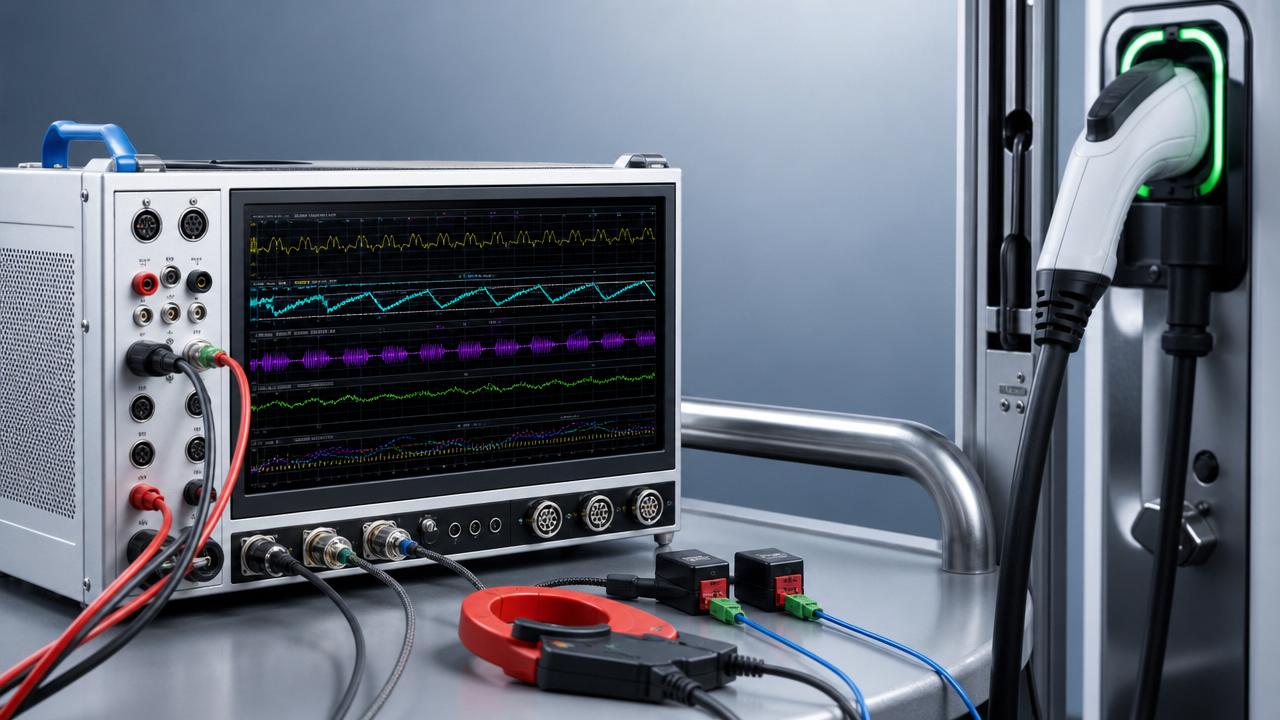
On April 27, 2026, Greennex New Energy and Guoneng Rixin jointly announced the 'AI+New Energy Asset Portfolio' in Qianhai, Shenzhen. The portfolio’s initial deployment covers a gigawatt-scale energy storage project pool. Its core components include domestically developed intelligent power quality analyzers, distributed temperature/strain optical fiber sensing systems, and an AI-driven battery health prediction platform. Preliminary procurement intentions have been received from ACWA Power (Saudi Arabia) and Enel Green Power (Chile). The solution emphasizes compatibility with IEC 61850 communication protocols and incorporates experience with UL 1973 battery system certification.
Which Subsectors Are Affected
Direct Exporters of Energy Monitoring Hardware
These companies face evolving buyer expectations: overseas integrators are no longer procuring standalone meters or sensors but integrated hardware-software-cloud packages. Impact manifests in tender requirements—increasingly specifying co-certified hardware + algorithm validation + cloud interoperability—not just device-level compliance.
System Integrators Serving Overseas Grid-Edge Projects
Integrators bidding on utility-scale storage projects in emerging markets must now assess vendor capability beyond physical delivery—e.g., whether suppliers can embed predictive maintenance logic into SCADA workflows or support remote model retraining under local grid code constraints. This raises technical due diligence thresholds before subcontracting.
Suppliers of Battery Management Components (BMS Sensors, Thermal Interfaces)
Component vendors whose products feed into larger storage control stacks may see downstream demand shift toward modules pre-validated for AI platform ingestion (e.g., fiber-optic strain data formatted per IEC 61850-90-12). Lack of protocol-aligned output interfaces could limit inclusion in future reference designs.
Third-Party Certification & Compliance Service Providers
With UL 1973 cited as a key differentiator—and IEC 61850 compatibility explicitly highlighted—certification labs and conformity assessment bodies active in China are likely to see rising demand for joint testing of hardware-algorithm-cloud triads, not just individual devices.
What Relevant Enterprises or Practitioners Should Focus On
Monitor official follow-up announcements from Qianhai Administration
The launch is framed as a policy-supported initiative; subsequent guidance—such as export facilitation measures, pilot zone incentives for AI-enabled asset management, or standardization roadmaps—may clarify implementation scope and timeline. These documents will indicate whether this is a one-off demonstration or a replicable model.
Assess readiness for IEC 61850-90-12 and UL 1973 integration in current product development cycles
For hardware developers and software platform teams, verifying alignment with these two specifications is no longer optional for targeting ACWA Power– or Enel Green Power–linked tenders. Cross-functional review (R&D, compliance, cloud engineering) is recommended before finalizing next-generation firmware or API architectures.
Distinguish between procurement intent and binding contract execution
The reported 'preliminary procurement intentions' from ACWA Power and Enel Green Power reflect early-stage engagement—not firm orders. Enterprises should treat these as signal-based opportunities requiring parallel technical scoping, not as near-term revenue triggers. Contractual terms (e.g., liability allocation for AI prediction accuracy, data sovereignty clauses) remain unconfirmed.
Prepare cross-border technical coordination capacity
Delivering AI models trained on Chinese grid data into foreign regulatory environments requires localized validation, edge inference optimization, and multilingual UI/API documentation. Teams lacking prior experience in such deployments should audit internal capabilities in data governance, model explainability reporting, and cloud service localization—especially for LATAM and MENA regions.
Editorial Perspective / Industry Observation
Observably, this initiative reflects a structural inflection point—not merely a product launch. It marks the transition of select Chinese energy tech firms from component suppliers to ‘asset performance partners’ in overseas infrastructure projects. Analysis shows that the emphasis on certified interoperability (IEC 61850, UL 1973) suggests a deliberate move toward meeting institutional buyer requirements, rather than serving only price-sensitive spot markets. From an industry perspective, it is better understood as a policy-accelerated capability demonstration—one that tests market readiness for bundled AI-hardware-cloud offerings, rather than an already scaled commercial model. Sustained tracking is warranted, particularly on whether subsequent deployments expand beyond pilot-scale storage pools into operational wind/solar-plus-storage fleets.
Conclusion: This announcement signifies a maturing phase in China’s energy technology export strategy—shifting focus from volume-driven hardware sales to value-added, standards-compliant digital asset management. It does not yet represent broad-based industry transformation, but rather a targeted capability benchmark for suppliers aiming to serve high-compliance international utilities and IPPs. Current interpretation should emphasize its role as a directional signal—not an immediate market reset.
Information Source: Official joint announcement by Qianhai Administration, Greennex New Energy, and Guoneng Rixin on April 27, 2026. Note: Procurement intentions from ACWA Power and Enel Green Power are preliminary and non-binding; further contractual details remain unconfirmed and require ongoing observation.


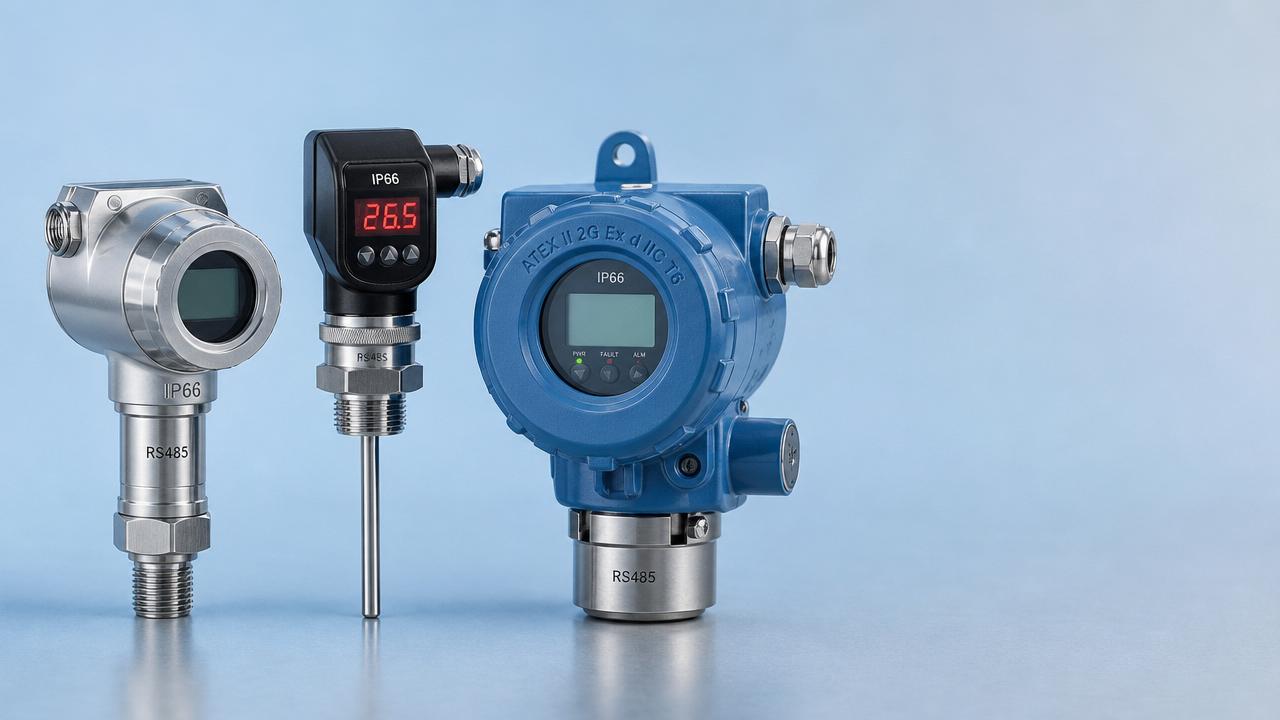
 CIBF2026 Opens in Shenzhen: Chinese Smart Sensors and Process Instruments Emerge as Key Overseas New Energy Project EnablersChinese smart sensors & process instruments shine at CIBF2026—key enablers for overseas energy storage, BMS, and PV-storage projects.
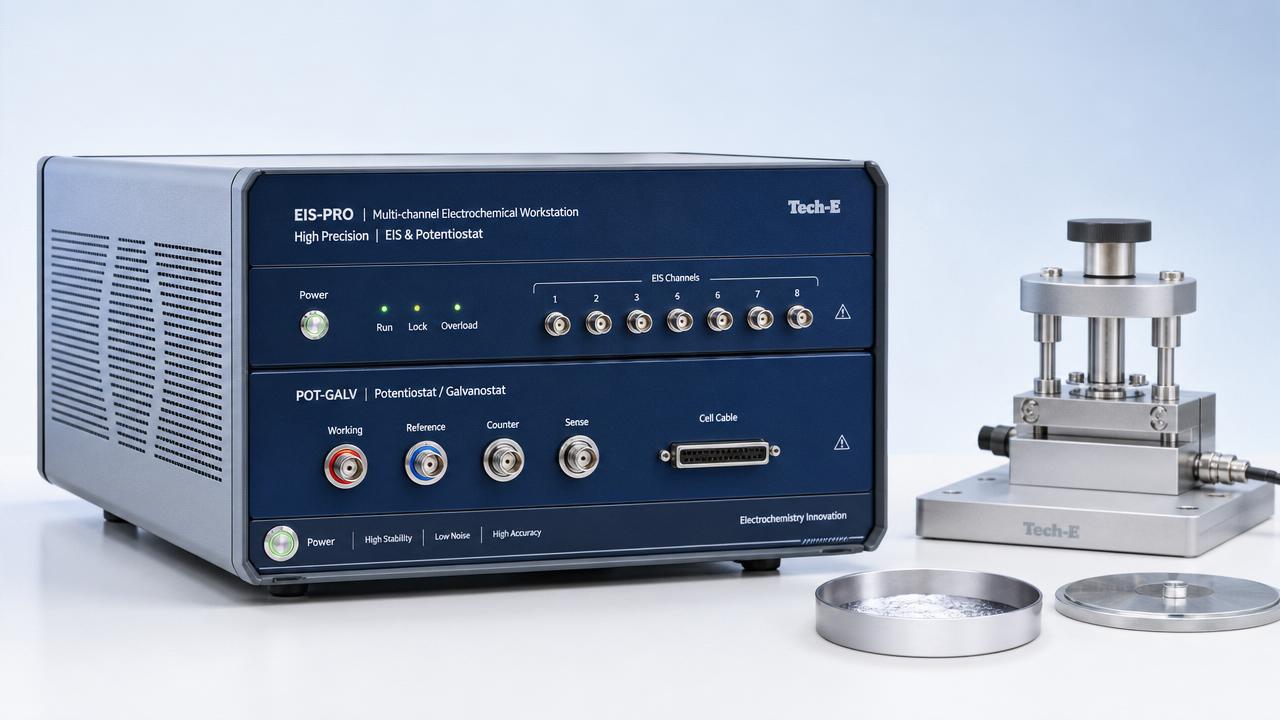
 Chunli New Energy Secures Pre-A+ Funding to Accelerate Solid-State Battery CommercializationHigh-precision potentiostats & EIS systems in demand as Chunli New Energy’s solid-state battery funding triggers global OEM audits—act now to qualify.
![]() China HPDU Delivery Delays Reach 24 Months, Impacting EV Export Supply ChainsChina HPDU delivery delays hit 24 months—impacting EV OEMs, Tier 1s & test instrumentation globally. Act now to secure supply, validate alternatives & protect launch timelines.
China HPDU Delivery Delays Reach 24 Months, Impacting EV Export Supply ChainsChina HPDU delivery delays hit 24 months—impacting EV OEMs, Tier 1s & test instrumentation globally. Act now to secure supply, validate alternatives & protect launch timelines. EV Charging Surges 2.3x on China’s Expressways During May Day 2026EV charging surge on China’s expressways drives urgent demand for high-precision test instruments—DC power analyzers, current sensors & calibration solutions.
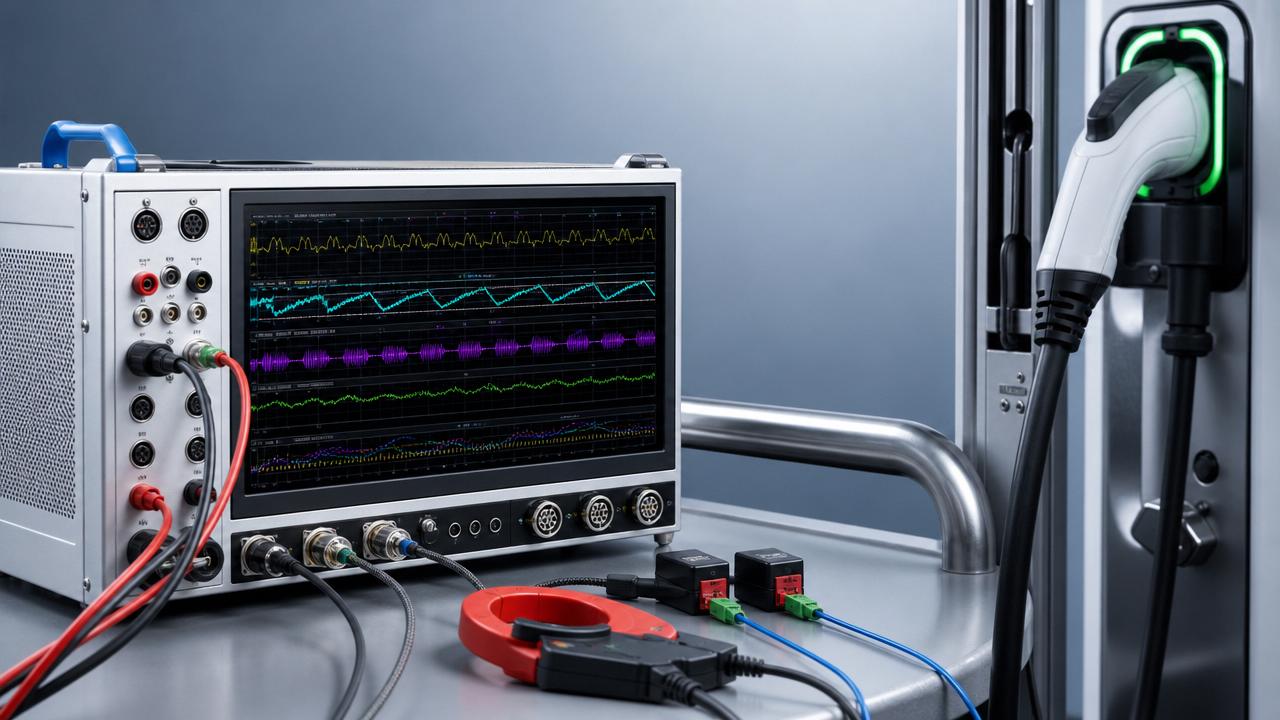
 EV Charging Surges 2.3x on China’s Expressways During May Day 2026EV charging surge on China’s expressways drives urgent demand for high-precision test instruments—DC power analyzers, current sensors & calibration solutions.
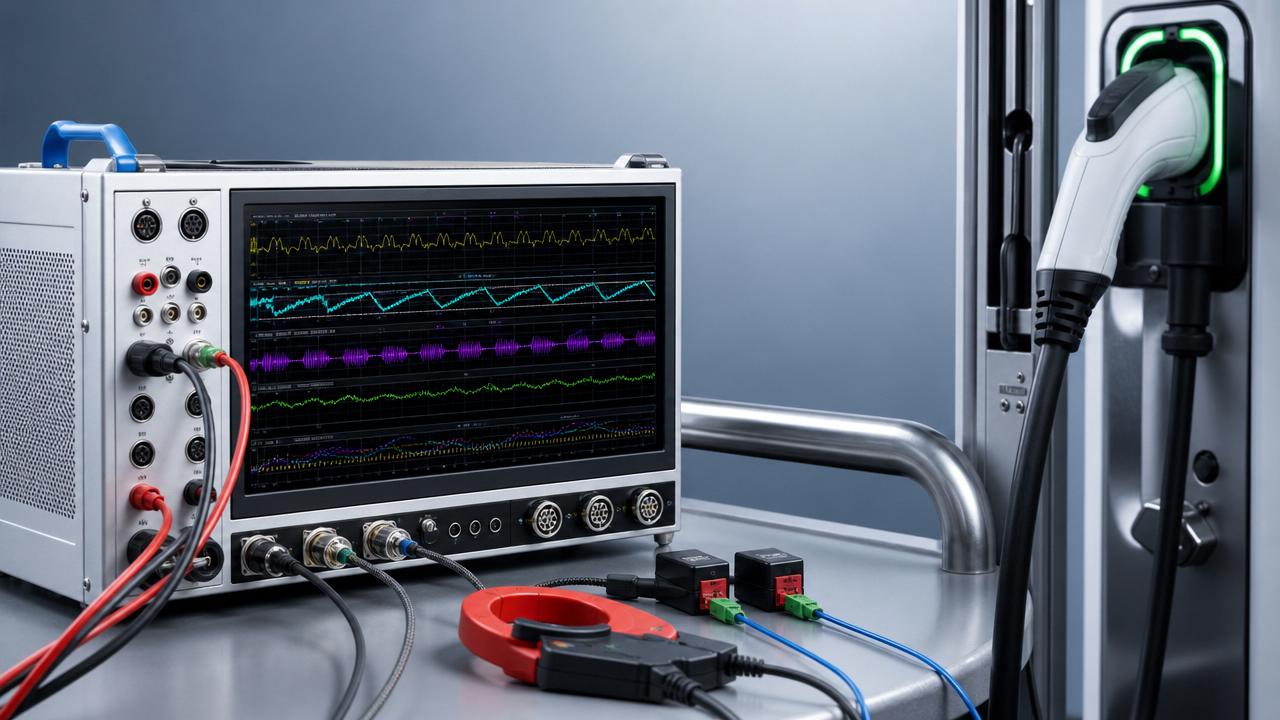
 EV Charging Surges 2.3x on China’s Expressways During May Day 2026EV charging surge on China’s expressways drives urgent demand for high-precision test instruments—DC power analyzers, current sensors & calibration solutions.

Chat Online