


In 2026-Q2, a clear policy-linked demand signal emerged in the新能源 measurement segment: according to an August 4, 2026 quarterly brief from the SGS global supply chain monitoring platform, China’s exports of specialized instruments for battery applications to the European Union, the United States, and South Korea reached US$128 million, up 37% year on year. The reported driver was the rollout of battery recycling subsidy policies in multiple Western markets, which prompted recycling plants to step up purchases of high-precision process analysis instruments. For exporters, procurement teams, testing and compliance service providers, and delivery organizations, the development is worth watching because it points to a rules-driven change in purchasing behavior rather than a routine fluctuation in equipment demand.
What the Q2 data confirms
The confirmed facts are limited but commercially meaningful. The SGS global supply chain monitoring platform stated in its August 4, 2026 Quarterly Brief on Instrument Demand in the New Energy Supply Chain that, in the second quarter of 2026, China’s exports to the European Union, the United States, and South Korea of battery-grade electrochemical workstations, online thermal runaway gas monitoring instruments, and infrared analysis modules for electrolyte composition totaled US$128 million. The same brief said this represented a 37% year-on-year increase. It also attributed the increase to battery recycling subsidy policies introduced by multiple countries in Europe and North America, which led recycling plants to make concentrated purchases of high-precision process analysis instruments.
Where the practical pressure is likely to appear first
Export suppliers are facing a more policy-shaped order structure
From an industry perspective, exporters of battery-related instruments may be affected because the demand increase described here is tied to subsidy-backed recycling plant expansion rather than to a broad-based rise across all end uses. That matters for quotation, technical alignment, order prioritization, and delivery scheduling. What deserves closer attention is whether buyers begin to place greater emphasis on application-specific documentation, instrument performance descriptions, testing records, and traceable technical files when procurement is linked to subsidized recycling capacity projects.
Procurement teams may need tighter specification control
Purchasers at recycling plants and project contractors may feel the effect through tendering, specification matching, and supplier screening. Analysis shows that when buying is triggered by policy support, procurement is often less about generic availability and more about whether instruments can satisfy process control, monitoring, and reporting needs for a regulated operating environment. Even without confirmed details on any individual rulebook, buyers should expect closer scrutiny of product consistency, technical bid alignment, and supporting records attached to the order process.
Testing, certification, and documentation services could become more embedded in deals
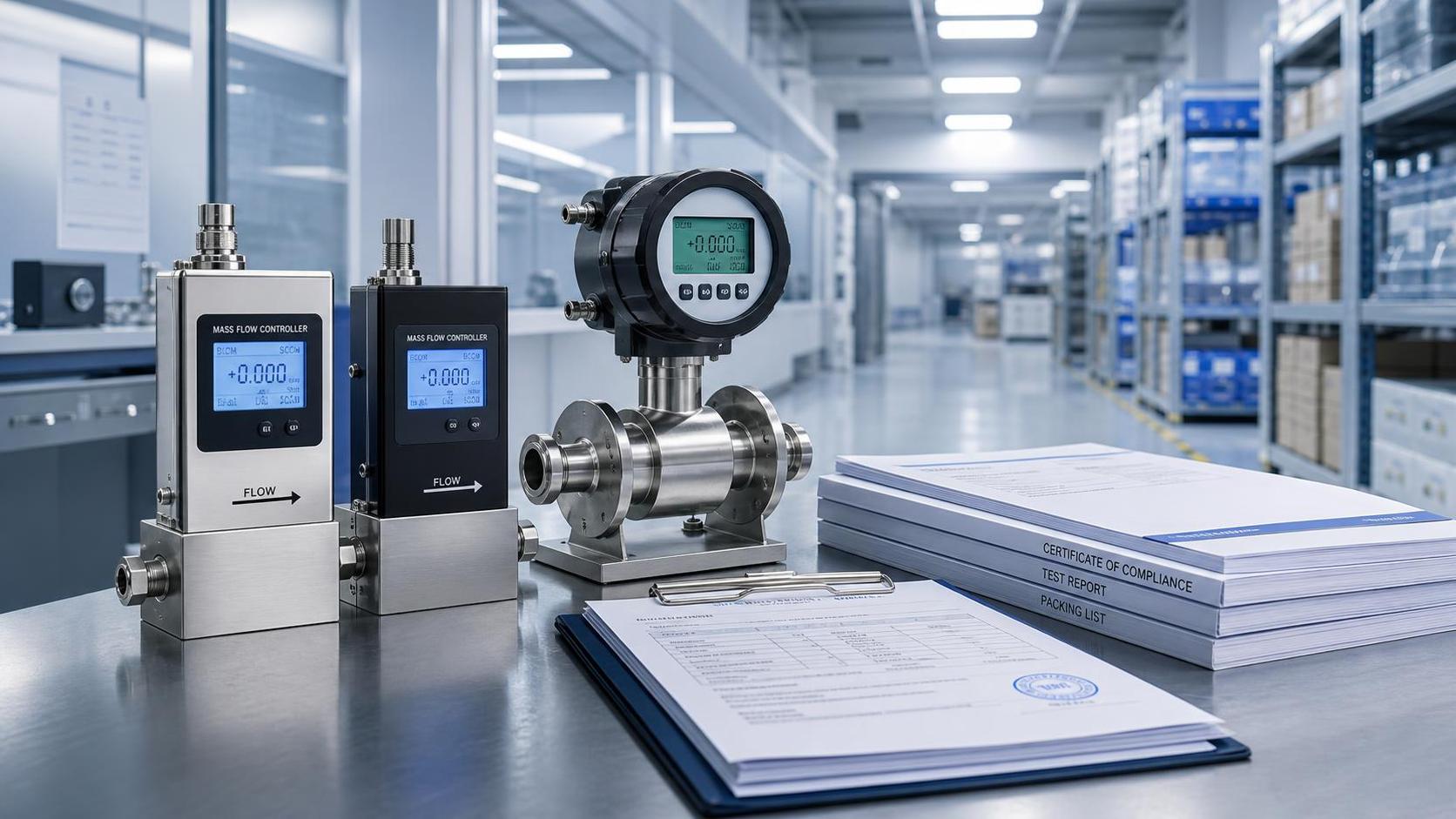
Testing and compliance-related service providers may be indirectly affected because the traded product categories named in the brief are specialized instruments used in sensitive battery and recycling applications. Observably, once subsidy-linked projects accelerate, the value of test reports, calibration-related materials, technical declarations, and formal product documentation can rise in the transaction process. The current information does not confirm a new certification requirement, but it does suggest that documentation quality and evidence readiness may become more commercially relevant.
After-sales and delivery teams may see higher execution demands
Supply chain service providers and after-sales organizations may also be affected through lead times, installation coordination, acceptance support, and quality traceability. It is more appropriate to understand this as an execution issue tied to concentrated plant procurement: when multiple recycling projects purchase similar high-precision instruments in a short period, the burden often shifts to scheduling, file completeness, and service responsiveness. The available facts do not establish delivery disruption, but they do support closer monitoring of fulfillment capability.
What companies should watch as orders follow policy signals
Keep compliance files and technical documents ready for review
Analysis shows that suppliers in the named product categories should pay close attention to whether customers request more complete technical files, product descriptions, testing materials, or operating documentation during bidding and contracting. Because the current input does not provide detailed execution rules, this should not be treated as a confirmed new compliance outcome. It is, however, a practical area to monitor as policy-driven procurement becomes more concentrated.
Track how subsidy-backed demand changes tender language
What deserves closer attention is not only the increase in export value, but also whether procurement documents begin to reflect more specific operating, monitoring, or reporting expectations. Exporters and channel partners should review tender materials, customer specifications, and acceptance terms carefully, especially for electrochemical workstations, thermal runaway gas monitoring instruments, and electrolyte analysis modules. The present facts support vigilance, not a conclusion that a uniform market standard has already been imposed.
Plan delivery around concentrated project purchasing
Observably, the reported growth was tied to concentrated purchasing by recycling plants. Companies should therefore watch for shifts in order batching, delivery windows, and supplier qualification checks. This is less a question of headline demand than of whether commercial and operational teams can support projects that may move faster once policy incentives are in place. The input does not confirm any specific lead-time change, so this remains a risk-monitoring issue rather than a settled market condition.
Prepare for stronger scrutiny on traceability and service support
From an industry perspective, high-precision instruments used in recycling processes may draw more attention to traceable records, maintenance support, and post-delivery response capability. Exporters, distributors, and service teams should monitor whether buyers begin asking for clearer quality records, service commitments, or installation-related materials. The information provided does not show that such requirements have become universal, but it does indicate a commercial environment in which these factors may weigh more heavily.
Why this looks more like an execution signal than a one-off trade spike
Analysis shows that the most important reading of this development is not simply that exports rose in one quarter. The stronger signal is that subsidy policies for battery recycling appear to be influencing actual procurement behavior in downstream plants, with measurable effects on instrument trade. It is more appropriate to understand this as an execution signal of policy transmission into equipment purchasing. At the same time, the available information is still not enough to conclude that a stable, uniform regulatory or certification pattern has fully formed across all relevant markets. That is why continued attention to procurement documents, compliance expectations, and market feedback remains necessary.
How the market should interpret this stage
The current development can be read as evidence that policy support for battery recycling is beginning to affect real orders for specialized instruments across cross-border trade flows. For industry participants, the practical implication is not to assume a permanent demand trajectory, but to recognize that policy-backed recycling expansion can quickly reshape procurement priorities, documentation expectations, and delivery planning. At this stage, the news is best understood as a concrete market signal tied to rules-driven project activity, while the finer details of execution and standardization still require observation.
Basis of this article and what still needs verification
This article is based on the user-provided news title, event time, and event summary. The underlying factual basis cited in the input is the August 4, 2026 quarterly brief published by the SGS global supply chain monitoring platform regarding new energy supply chain instrument demand. For developments of this type, relevant source categories usually include official government announcements, regulator releases, customs or trade authority information, industry association updates, standards organization documents, and reporting by established trade media. No specific official source link was provided in the input, so any formal policy text, implementation detail, or official procurement basis still needs continued verification. What remains worth tracking includes policy details, certification or compliance interpretations, changes in tender documents, industry feedback, and how companies actually execute against these demand signals.


 China Tightens Export Controls on Instruments for New Energy Production LinesChina tightens export controls on instruments for new energy production lines, impacting high-purity gas flowmeters. Learn how 100% filing rules may affect compliance, delivery, and global sourcing.
 China Tightens Export Controls on Flow Meters for New Energy Production LinesChina tightens export controls on flow meters and MFCs for new energy production lines. Learn how the 2026 filing rule may affect compliance, lead times, and global shipments.
![]() China Tightens Export Control on High-Purity Gas Flowmeters for New Energy LinesHigh-purity gas flowmeters face tighter China export control for new energy lines. Learn the 12-day filing rule, ISO/IEC 17025 test requirements, and how to avoid delivery delays.
China Tightens Export Control on High-Purity Gas Flowmeters for New Energy LinesHigh-purity gas flowmeters face tighter China export control for new energy lines. Learn the 12-day filing rule, ISO/IEC 17025 test requirements, and how to avoid delivery delays. China Customs Tightens Export Filing for High-Purity Gas MetersChina customs tightens export filing for high-purity gas meters and MFCs. Learn how the new rule affects semiconductor, PV, and battery equipment exports.
 Uni-T Cuts Oscilloscope Lead Times to 6 WeeksUni-T cuts oscilloscope lead times to 6 weeks as its Vietnam base expands ZDS6000 AI-enhanced oscilloscope capacity, giving U.S. and Canada buyers faster delivery and priority allocation.
 UNI-T Halves North America Oscilloscope Lead TimeUNI-T halves North America oscilloscope lead time from 12 to 6 weeks, boosting AI infrastructure test equipment supply with faster delivery, local stock support, and flexible distributor terms.





Chat Online