


On June 16, 2026, the 23rd China International Scientific Instruments and Laboratory Equipment Exhibition opened in Beijing, while retaining the historical "Shanghai" name in its event branding. With first-day signings exceeding US$210 million and buyer groups from the UAE, Saudi Arabia, Indonesia, and Vietnam concentrating on photovoltaic IV curve tracers, energy storage BMS testing systems, and hydrogen leak laser detection modules, the development deserves attention from instrument exporters, manufacturers, procurement teams, and supply chain service providers because it points to a more focused overseas interest in specialized instruments tied to new energy applications.
What the opening day confirmed
The confirmed facts are limited but clear. The exhibition opened on June 16, 2026, in Beijing. According to the provided event summary, first-day signings surpassed US$210 million. Buyer groups from the UAE, Saudi Arabia, Indonesia, and Vietnam made concentrated inquiries around three product categories: photovoltaic IV curve tracers, energy storage BMS testing systems, and hydrogen leak laser detection modules. The event title continues to use "Shanghai" as a historical convention, even though the actual venue is Beijing.
Why the demand mix matters across the chain
Export-facing instrument suppliers are seeing clearer product focus
From an industry perspective, suppliers that serve overseas markets may be affected because the inquiry interest was not broad and generic; it centered on instruments linked to solar, energy storage, and hydrogen scenarios. The immediate impact is likely to be felt in product positioning, quotation preparation, and sales prioritization. What deserves closer attention is whether companies have product materials, technical communication, and delivery planning ready for these specific categories rather than for general laboratory equipment alone.
Manufacturing and integration teams may need to track specification alignment
For manufacturers and system integration teams, the signal lies in the type of equipment being asked about. Photovoltaic testing, BMS verification, and hydrogen leak detection each involve application-specific performance communication. Analysis shows that the business impact may appear first in sample configuration, technical clarification, and project matching, especially when overseas buyers compare instruments by use case rather than by broad catalog classification.
Procurement and channel participants should watch regional demand structure
For procurement intermediaries, distributors, and channel operators, the concentration of inquiries from the Middle East and Southeast Asia suggests a regional structure worth monitoring. Observably, this does not yet prove a long-term shift in final orders, but it does indicate that buyer attention is clustering around new energy instrumentation. The practical implication is that market coverage, partner selection, and customer follow-up may need to reflect different priorities across these two regions.
Supply chain service providers may face earlier involvement in deal support
For logistics, documentation, and trade support providers, the relevance comes from the export nature of the product interest. If negotiations move forward, the pressure points are likely to emerge in lead-time coordination, document readiness, and cross-border delivery communication. What deserves closer attention is not only transport execution, but also whether product descriptions, compliance materials, and transaction documents can support specialized instrument exports smoothly.
What companies should monitor next
Track whether inquiry interest converts into sustained order flow
Analysis shows that the first practical question is whether concentrated inquiries around the three named categories translate into follow-up transactions. Companies should distinguish between exhibition-floor attention and durable demand, and avoid treating early buyer interest as a confirmed market outcome.
Prepare category-specific sales and technical materials
Given the focus on photovoltaic IV curve tracers, energy storage BMS testing systems, and hydrogen leak laser detection modules, relevant companies should review whether their quotations, product descriptions, and technical documentation are specific enough for these applications. The issue is less about broader branding and more about whether communication matches the buyer's operating scenario.
Review delivery readiness for cross-regional business talks
Buyer groups came from the Middle East and Southeast Asia, so exporters and service teams should pay attention to communication rhythm, documentation completeness, and delivery-cycle visibility in cross-border discussions. Observably, this is especially important when products are specialized instruments rather than standard low-complexity goods.
Separate event momentum from confirmed rule or policy change
What deserves closer attention is that the provided information points to market activity and buyer preference, not to a newly announced regulation or formal policy adjustment. Companies should therefore avoid over-interpreting the event as a rules change, and instead treat it as a commercial signal that still requires continued verification through subsequent orders and disclosures.
How this signal should be read now
This section is an observation rather than a statement of fact. It is more appropriate to understand this development as a meaningful market signal rather than a fully established structural result. The combination of strong first-day signing value and concentrated inquiries into specialized new energy instruments suggests that "new energy + instruments" is attracting visible export-side attention. At the same time, the currently available information is still limited to opening-day activity and inquiry focus, so the industry should continue watching whether this interest broadens across more products, more buyer groups, or later-stage transactions.
A measured reading of the event
At this stage, the most reasonable conclusion is that the exhibition's opening-day activity highlights a sharper overseas interest in specialized instruments serving solar, energy storage, and hydrogen applications. For the industry, the significance lies less in headline transaction value alone and more in the changing composition of buyer attention. It is more appropriate to understand this as an early but noteworthy signal of export demand upgrading in new energy instrumentation, with further observation needed before drawing firmer conclusions about long-term market direction.
Source basis and follow-up points
This article is based on the user-provided news title, event date, and event summary. The input did not provide a specific official source link, so the exact official reference still needs continued verification. For this type of industry development, source categories commonly worth checking in follow-up work include official event announcements, company disclosures, industry association updates, authoritative media reporting, and relevant standards or technical documentation. The main follow-up point here is whether the opening-day inquiry focus is later reflected in sustained orders, more detailed official statements, or clearer regional procurement patterns.


 China Tightens Export Controls on Instruments for New Energy Production LinesChina tightens export controls on instruments for new energy production lines, impacting high-purity gas flowmeters. Learn how 100% filing rules may affect compliance, delivery, and global sourcing.
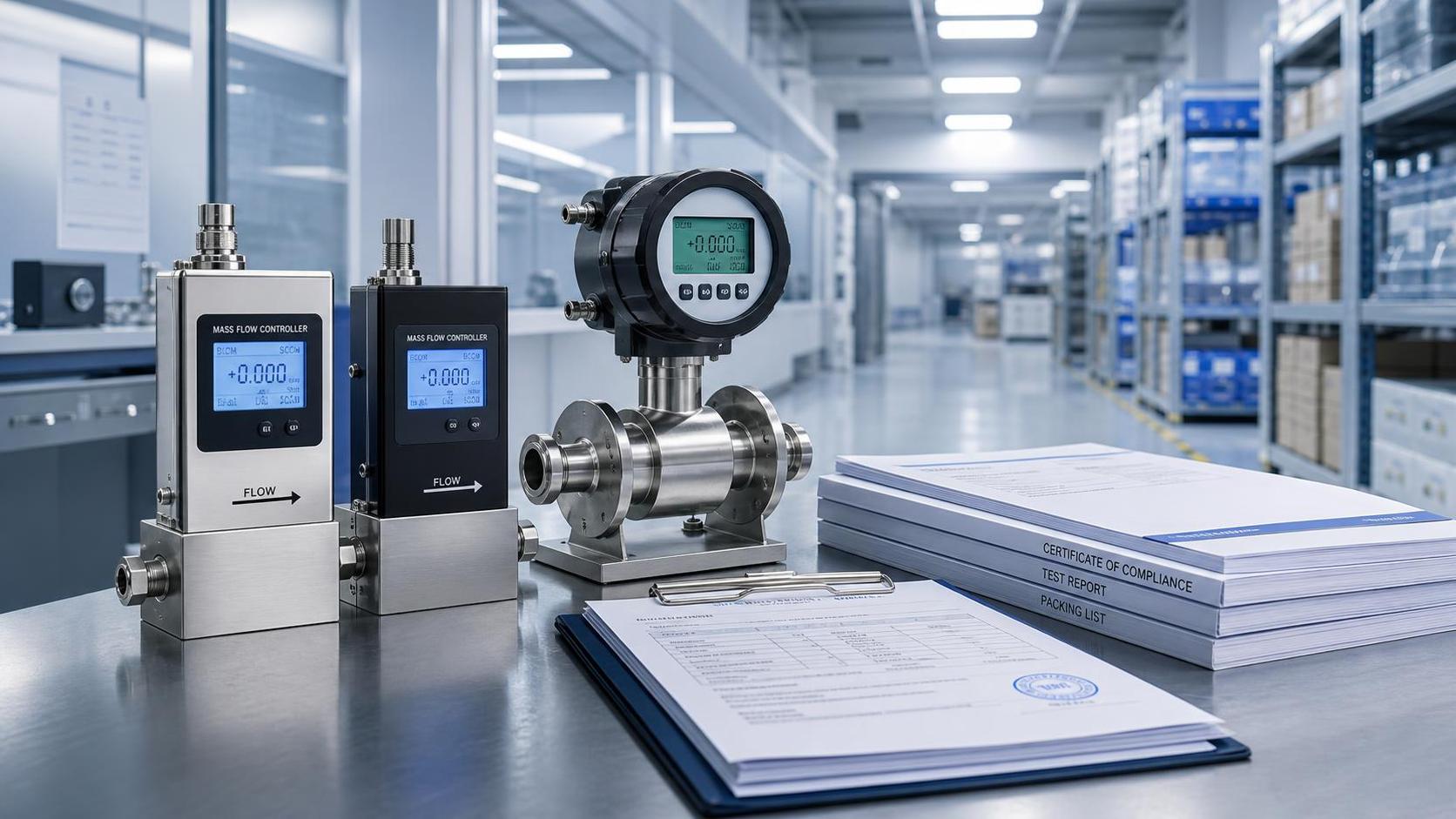
 China Tightens Export Controls on Flow Meters for New Energy Production LinesChina tightens export controls on flow meters and MFCs for new energy production lines. Learn how the 2026 filing rule may affect compliance, lead times, and global shipments.
![]() China Tightens Export Control on High-Purity Gas Flowmeters for New Energy LinesHigh-purity gas flowmeters face tighter China export control for new energy lines. Learn the 12-day filing rule, ISO/IEC 17025 test requirements, and how to avoid delivery delays.
China Tightens Export Control on High-Purity Gas Flowmeters for New Energy LinesHigh-purity gas flowmeters face tighter China export control for new energy lines. Learn the 12-day filing rule, ISO/IEC 17025 test requirements, and how to avoid delivery delays. China Customs Tightens Export Filing for High-Purity Gas MetersChina customs tightens export filing for high-purity gas meters and MFCs. Learn how the new rule affects semiconductor, PV, and battery equipment exports.
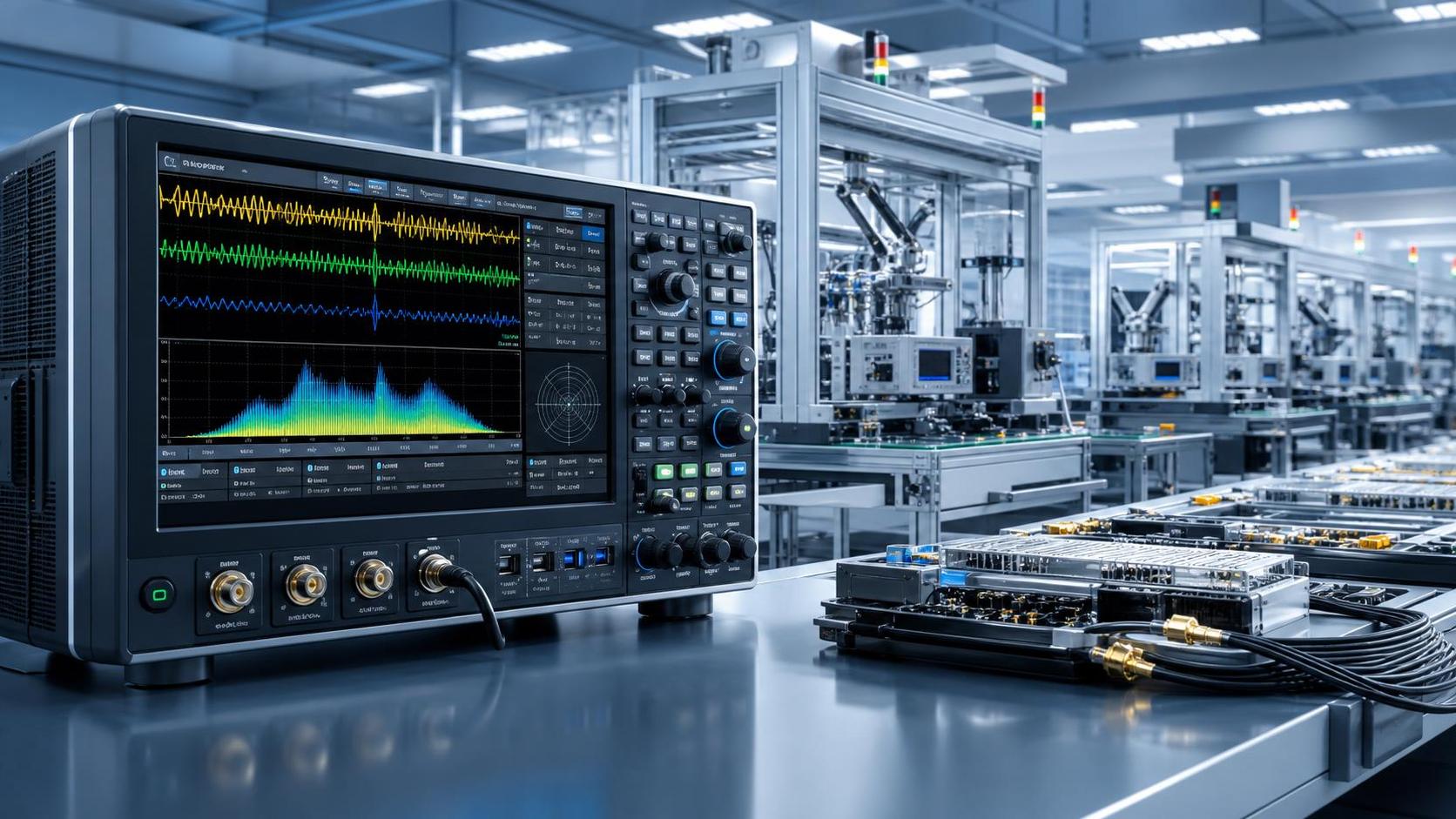
 Uni-T Cuts Oscilloscope Lead Times to 6 WeeksUni-T cuts oscilloscope lead times to 6 weeks as its Vietnam base expands ZDS6000 AI-enhanced oscilloscope capacity, giving U.S. and Canada buyers faster delivery and priority allocation.
 UNI-T Halves North America Oscilloscope Lead TimeUNI-T halves North America oscilloscope lead time from 12 to 6 weeks, boosting AI infrastructure test equipment supply with faster delivery, local stock support, and flexible distributor terms.




Chat Online