


Rockwell Automation announced FactoryTalk Conductor on October 21, 2026, introducing an AI-native orchestration platform intended to connect AI agents, skills, workflows and automation software across the industrial automation lifecycle. For manufacturers, equipment integrators and automation software buyers, the announcement raises potential questions about procurement specifications, integration responsibilities and operational governance. The supplied information identifies no accompanying regulatory, standards or certification change, so its relevance to industry rules is best assessed through possible future purchasing and implementation requirements.
FactoryTalk Conductor Targets the Automation Lifecycle
FactoryTalk Conductor is designed to connect AI agents, skills, workflows and automation software to help optimize the industrial automation lifecycle. Rockwell Automation formally announced the platform on October 21, 2026.
The platform is scheduled for commercial availability in the first quarter of 2027 and is set to make its debut at Automation Fair.
Procurement and Integration Requirements Could Come Into Focus
Manufacturers May Need More Specific Acceptance Criteria
From an industry perspective, a platform connecting AI agents with automation workflows could prompt manufacturing buyers to examine how proposed capabilities would be evaluated before deployment. Potential procurement questions include which activities an agent may perform, when human approval would be appropriate and what evidence would demonstrate that an integrated workflow performs as intended. These are suggested evaluation topics, rather than requirements established by the announcement.
Integrators Could Face Broader Responsibility Questions
Analysis suggests that equipment and system integrators could encounter additional specification and delivery questions if customers seek to connect multiple agents, skills and software applications. Project documentation may need to clarify responsibility for configuration, workflow validation and changes after handover. The supplied information does not establish supported interfaces, compatibility conditions or any new qualification requirement for integrators.
Software Suppliers May Need to Substantiate Compatibility
For automation software suppliers, a possible commercial implication is greater buyer attention to whether their products can participate in an orchestrated workflow. Suppliers considering such projects could prepare to explain integration dependencies and provide supporting technical documentation. However, the announcement alone does not establish interoperability obligations, certification pathways or changes to market access or trade conditions.
Practical Checks Before Procurement Commitments
Distinguish the Announcement From Delivery Availability
As a procurement recommendation, buyers could use the planned first-quarter 2027 availability as a point for further verification when preparing project schedules. The announcement should not, by itself, be treated as confirmation that every intended application will be available for delivery within a particular project window. Scope, availability and acceptance milestones would need clarification before contractual commitments.
Request Evidence for Intended Connections
For technical evaluation, companies could prepare a list of the agents, skills, workflows and automation software they would want to connect. Subsequent supplier documentation could then be assessed against that list. This would help distinguish the platform's stated purpose from verified support for a buyer's specific configuration; the supplied summary does not provide that level of detail.
Review Permissions, Records and Approval Steps
As an operational governance consideration, prospective users could assess how permissions, activity records and approval steps should work in their intended deployment. If AI agents participate in industrial workflows, these questions may affect internal review and acceptance criteria. The announcement does not confirm particular security controls, audit functions or compliance capabilities.
Keep Certification and Contract Claims Specific
As a compliance review recommendation, buyers could request evidence for any certification or conformity claim made during subsequent procurement discussions. Describing a platform as AI-native does not establish its suitability for a particular regulated application. Tender and contract language could identify the evidence needed for the intended use, while leaving unverified capabilities subject to validation.
A Commercial Signal With Rule Implications Still to Be Established
At this stage, the announcement is more appropriately understood as a product and commercial development than as the implementation of a new industry rule. Its potential significance lies in whether connecting AI agents and automation workflows leads buyers to revise technical specifications, approval procedures or supplier responsibilities.
That remains an analytical possibility. Subsequent product documentation, procurement language and implementation feedback would help establish whether such changes become part of actual purchasing practice. None of those outcomes is confirmed by the supplied information.
Assess the Platform Through Documented Project Requirements
The industry significance of FactoryTalk Conductor is its stated intention to coordinate AI agents, skills, workflows and automation software across the automation lifecycle. A measured response would be to evaluate that proposition against specific project needs and seek supporting evidence as launch details become available. The current information supports preparation and further assessment; it does not establish a new compliance obligation, certification condition or trade restriction.
Basis of Reporting and Points for Continued Verification
This article is based solely on the user-provided news title, event date and event summary. No specific official source link was included in the input, and the announcement details require continued verification against official company materials.
Relevant subsequent materials could include the official announcement, product documentation and Automation Fair presentation materials. Further observation should focus on the planned commercial release, documented integration capabilities, any substantiated certification claims, changes in tender specifications and feedback from implementation. References to procurement and governance implications in this article are analysis, not independently confirmed developments.



 STMicroelectronics Launches First Automotive Safety Combo Sensor for Mass MarketExplore STMicroelectronics' automotive safety combo sensor, featuring integrated motion sensing, stated ISO 26262 compliance and SafeSPI support for mass-market vehicle designs.
 Instrument Maker 301303 Raises Its 2026 Routine Related-Party Transaction EstimateInstrument maker 301303 raises its 2026 routine related-party transaction estimate. Explore what the board approval could mean for joint ventures, procurement and delivery planning.
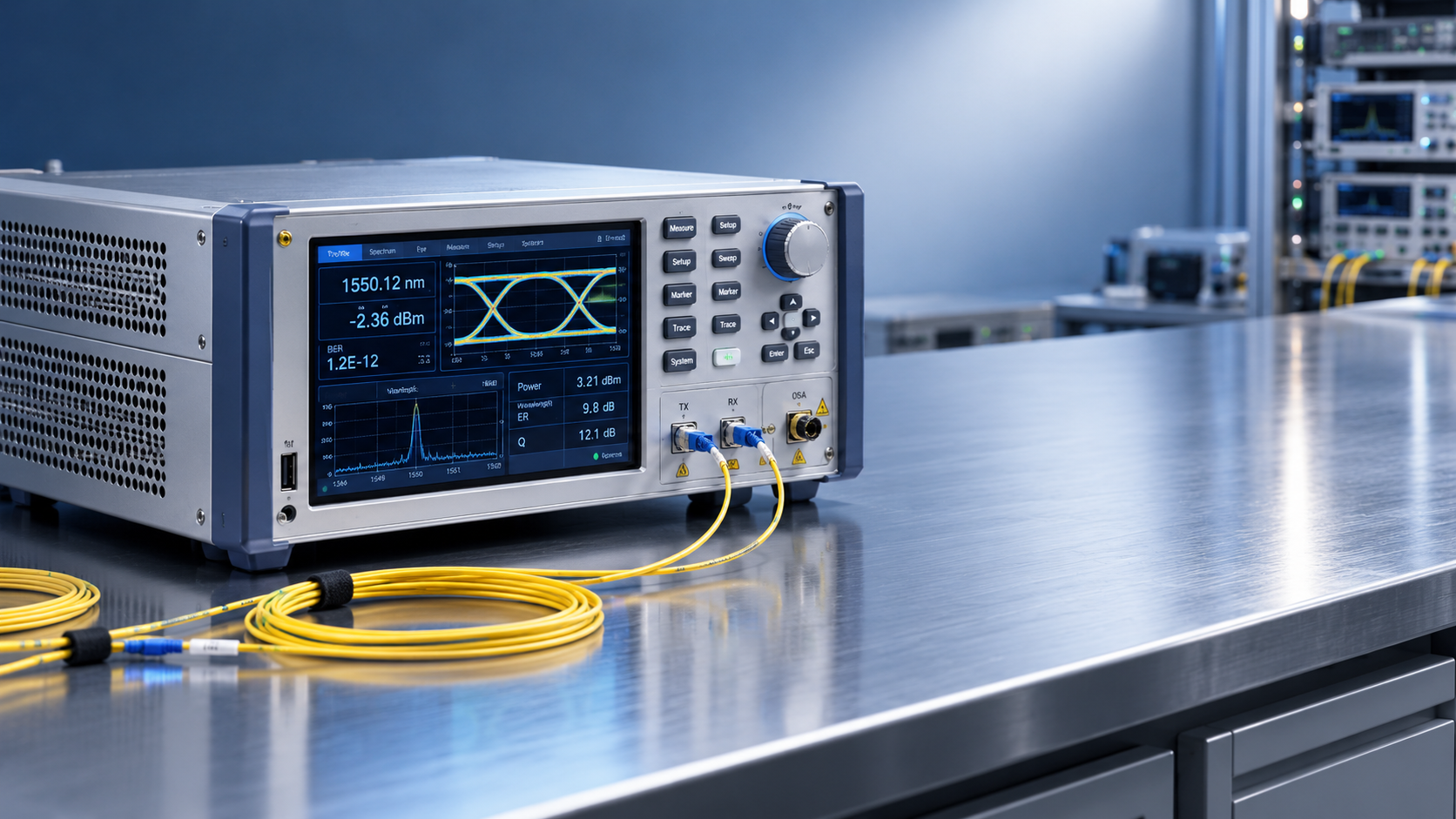
 OPWILL Named a National Specialized and Innovative 'Little Giant' EnterpriseOPWILL reports national 'Little Giant' recognition for its optical communications test instruments. Explore what it means for domestic sourcing and informed supplier evaluation.
 Sanchuan Wisdom Signs Factory Construction Contract with ZhongkuangSanchuan Wisdom signs a construction contract with Zhongkuang for a smart water meter factory targeting 5 million units annually. Explore the expansion plan and key milestones ahead.
 Skyray Instruments Reports Over 45-Fold Rise in Net Profit in Third-Quarter ReportSkyray Instruments reports a 4,508.23% rise in nine-month net profit in its Q3 report. Explore what the results may mean for instrument buyers and supplier assessments.
 Sundy Technology Reports 32.32% Rise in Net Profit for First Nine Months of 2026Sundy Technology reports 32.32% net profit growth for the first nine months of 2026. Explore revenue gains, laboratory analytical instrument performance and key earnings trends.




Chat Online